Trump’s EPA blasted over failure to stop SC from polluting iconic national parks
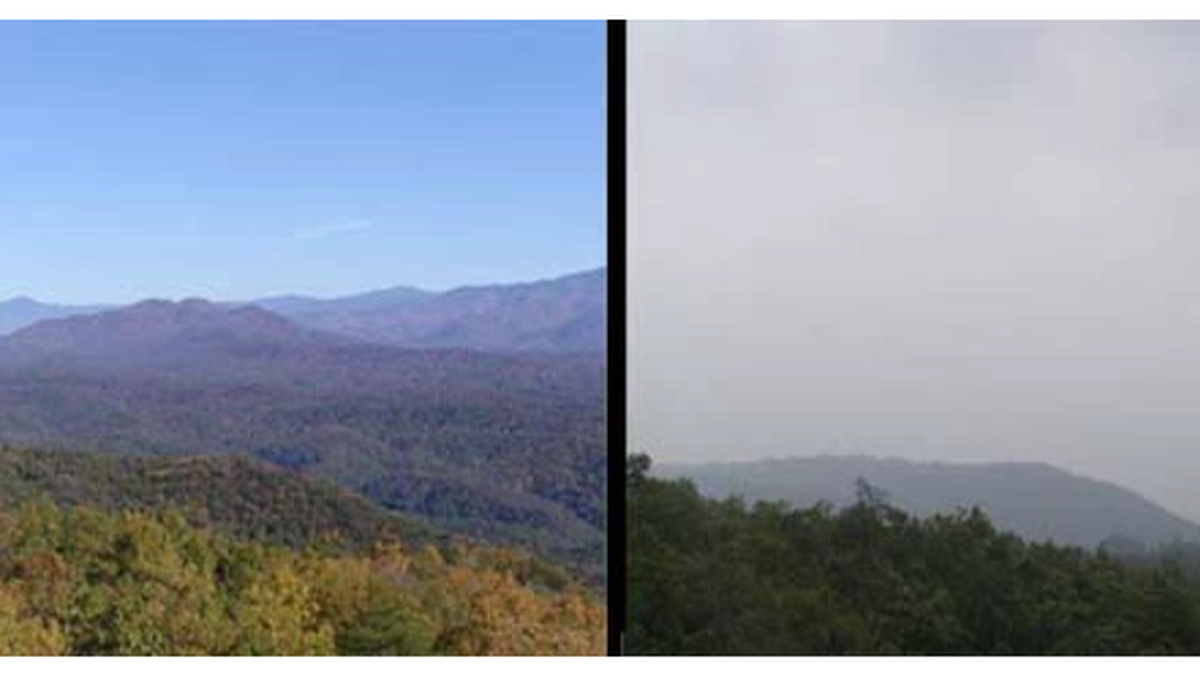
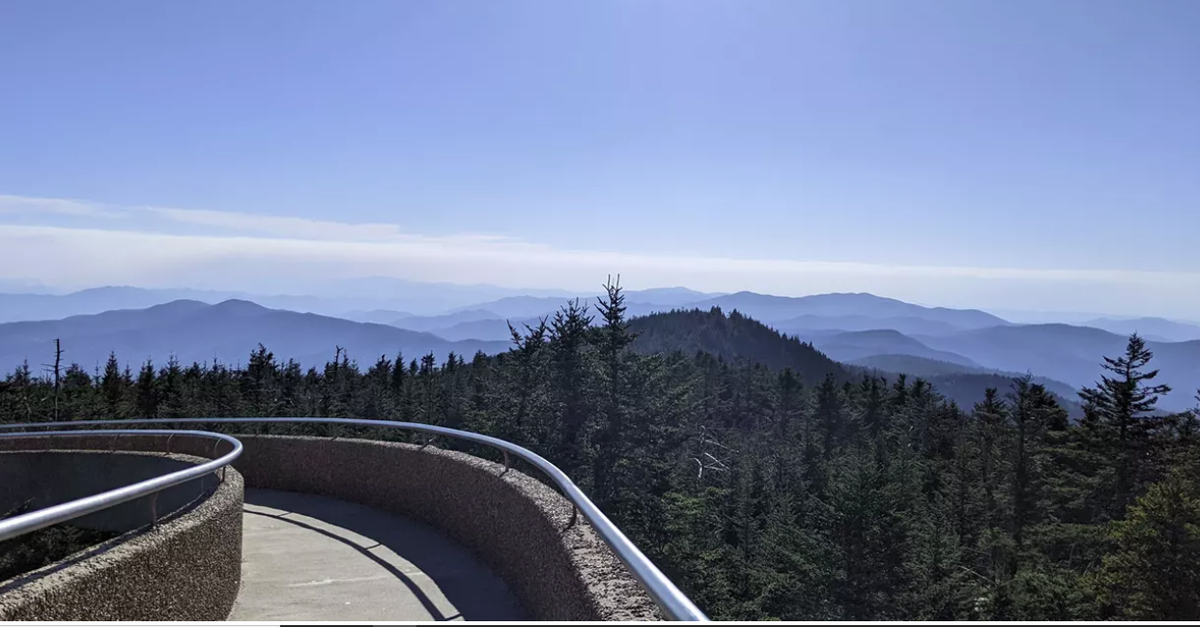
More than 12 million people visit Great Smoky Mountains National Park every year, often to take in expansive vistas from peaks like Clingmans Dome, a renowned vantage point on the Tennessee-North Carolina border.
But sometimes, a hazy fog of air pollution descends on the Smokies, the result of drifting discharges generated by power plants and factories from the Midwest to South Carolina.
Now, after years of efforts by the federal government to limit pollution that clouds national parks, the Trump administration has signed off on a regional haze plan for South Carolina that critics say falls far short of controlling pollution and holding industries accountable.
Despite recent assertions from the U.S. Environmental Protection Agency and South Carolina regulators that the plan is a good one, conservation groups say it is poorly crafted, kowtows to industries and needs improvement.
South Carolina is among multiple states — many in the South — that have developed insufficient plans to control regional haze, according to the National Parks Conservation Association, a support group for the parks. The states’ plans not only are supposed to limit pollution from drifting across state lines and affecting nature preserves, but they also are supposed to protect natural areas within each state, while limiting human health impacts.
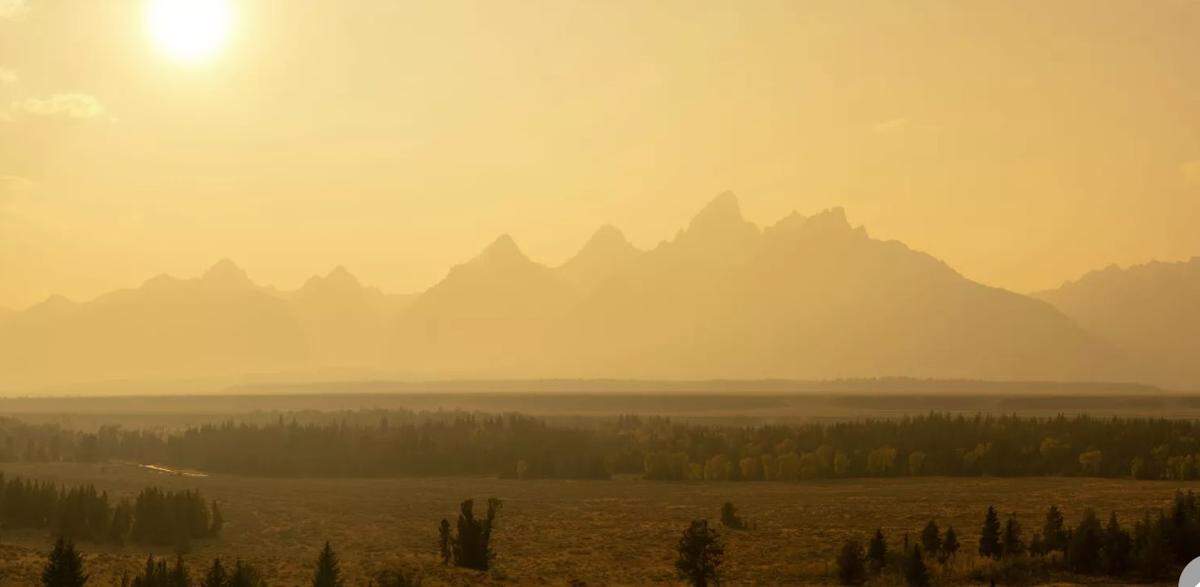
Haze and smog can limit visibility in national parks, as well as impair the growth of plants and affect animals that live in nature preserves. The polluted haze found in places like the Smoky Mountains is different from the natural bluish tint that defines the Blue Ridge Mountains, the parks association says. Drifting air pollution often has a yellowish, brown tint, environmentalists say.
“It’s interesting to see EPA patting themselves on the back, and approving a bad plan that does nothing to reduce air pollution that is harming South Carolina wilderness areas and national parks in the southeast,’’ said Ulla Britt Reeves, a spokeswoman for the National Parks Conservation Association.
Reeves was reacting to an EPA news release, issued Dec. 15, that spoke glowingly about how the haze plan protects environmentally sensitive nature preserves.
Among other things, the EPA news release said South Carolina will have reduced sulfur dioxide pollution by 75% and nitrogen oxide pollution by 54% between 2011 and 2028.
“This plan represents years of work by EPA, South Carolina, and partner agencies to accomplish the shared goal of clean air and improved visibility,” EPA Regional Administrator Kevin McOmber said in the release.
The news release also quoted U.S. Sen. Tim Scott, a South Carolina Republican not typically vocal on environmental protection matters, and South Carolina’s top environmental official, Myra Reece, as saying the plan will protect the air. Reece called the plan a “proactive, long-term strategy for reducing the air pollutants that contribute to haze and poor visibility.’’
Environmentalists say the EPA and state environmental agency statements are misleading and short-sighted.
The reductions those agencies mention are actually the result of other air pollution control programs, not those dealing with regional haze, critics say
In reality, South Carolina and other states could have done far more to control industrial pollution that contributes to regional haze than simply relying on other pollution reduction programs, environmentalist say. A stronger haze plan would build on other efforts to improve air quality, Reeves and others said.
“This regional haze plan is a do-nothing plan. It takes credit for advancements made in other areas without actually compelling any action to control preventable pollution on its own,’’ said Carolinas Sierra Club coal campaign organizer Paul Black.
Black said the state’s tepid haze plan was likely influenced by concerns about hurting the business community. It comes at a time when President Donald Trump is pushing to lighten regulation of businesses.
“South Carolina prizes business development and is hesitant to do anything to affect that,’’ Black said.
Because the plan was inadequate, South Carolina power plants and industries will continue to release more than 40,000 tons of “uncontrolled haze-causing pollution’’ each year, according to a fact sheet from the National Parks Conservation Association.
A major flaw in South Carolina’s haze plan includes relying on calculations that ignored nitrogen oxide and particulate matter pollution, which are key ingredients in haze and smog that affect nature preserves and people’s health, environmentalists say.
Nitrogen oxide, for instance, “reacts with ammonia, moisture and other compounds to form particulates that can cause and worsen respiratory disease, aggravate heart disease and lead to premature death,’’ according to a Sept. 29 letter to the EPA from the parks association, the Sierra Club and Coalition to ProtectAmerica’s National Parks.
Laura Renwick, a spokeswoman for the SC Department of Environmental Services, said the state did not require industries to take additional steps to control haze pollution because “reduction goals were on track to be met.’’
Meanwhile, the EPA based its approval on a new policy put together since Trump took office, environmentalists say. That policy overturns a long-standing interpretation of the haze rule that prevents states from rejecting “reasonable’’ pollution controls, even if some air quality improvements have been made, the association fact sheet says.
According to research it has conducted, the association says South Carolina has 19 primary sources of regional haze that are affecting national parks and natural areas in the Southeast. Up to 22 parks and natural areas are impacted, the association says.
Those sources include coal-fired power plants, such as Santee Cooper’s Cross station in Berkeley County and its Winyah station in Georgetown County, as well as paper mills like the Catawba plant in York County. The paper mill in York is the New Indy facility, which drew thousands of complaints from surrounding communities about overpowering odors. Cement plants and other industries also are contributing, the association says.
Renwick’s email mentioned three currently operating facilities that were included in the regional haze plan: Century Aluminum near Charleston and Santee Cooper’s Cross and Winyah power plants.
An email from a Century spokesperson said the company would not comment. Mollie Gore, a spokeswoman for Santee Cooper, said in an email that the state-owned power company “prioritizes compliance with all federal and state regulations affecting the operation of our generating stations, and we will continue to do so.”
Great Smoky Mountains National Park, about 200 miles northwest of Columbia, is one southeastern preserve affected by air pollution generated in South Carolina, environmentalists say. That’s a big deal, they say because the park is so important to the environment, recreation and local economies.
Smoky Mountains drew more visitors than any other of the country’s 63 national parks in 2024, according to Smithsonian magazine. Visitors spent some $2 billion in the area near the park, the National Parks Service reported in 2024. The park is widely known for its scenery and wildlife, such as black bears and elk. Clingmans Dome, now known as Kuwohi, is more than 6,600 feet tall, making it the highest point in the national park.
The Smokies park experiences some of the highest air pollution of any national park, and much of that is coming from outside the area, according to the National Park Service.
In addition to Great Smoky Mountains National Park, pollution from South Carolina is affecting natural areas like Shenandoah National Park in Virginia, the Linville Gorge wilderness area of North Carolina, the Okefenokee wilderness area in Georgia; and St. Mark’s wilderness area of Florida, the association says.
South Carolina’s Cape Romain National Wildlife Refuge near Charleston and Congaree National Park near Columbia also are feeling the effects of regional haze, according to a comment letter from multiple environmental groups to the EPA.
Technically, regional haze plans are supposed to protect what are known as “Class I’’ areas, which are national parks larger than 6,000 acres and wilderness areas exceeding 5,000 acres that existed before 1978.. Cape Romain is South Carolina’s only Class I area. But regional haze plans also protect other preserves that are not designated as Class I areas, including Congaree National Park. Congaree became a national park in 2003.
Before Trump took office, the National Parks Service had expressed concerns about the South Carolina regional haze plan. The plan had been in the works for several years and contained tighter controls than what the EPA recently approved, records show. But even that plan had flaws, the National Parks Service said.
An email from the park service to the EPA and South Carolina regulators said that while the state had made progress in reducing nitrogen oxide and sulfur dioxide pollution, it needed to do more to prevent haze in other states.
“Reasonable progress requires that incremental improvements continue ... toward the ultimate visibility goal of no human caused impairment’’ in key national parks and wildlife refuges, the Sept. 24, 2021, email said.