Boy bitten on face by snake as handlers displayed reptile at SC nature center
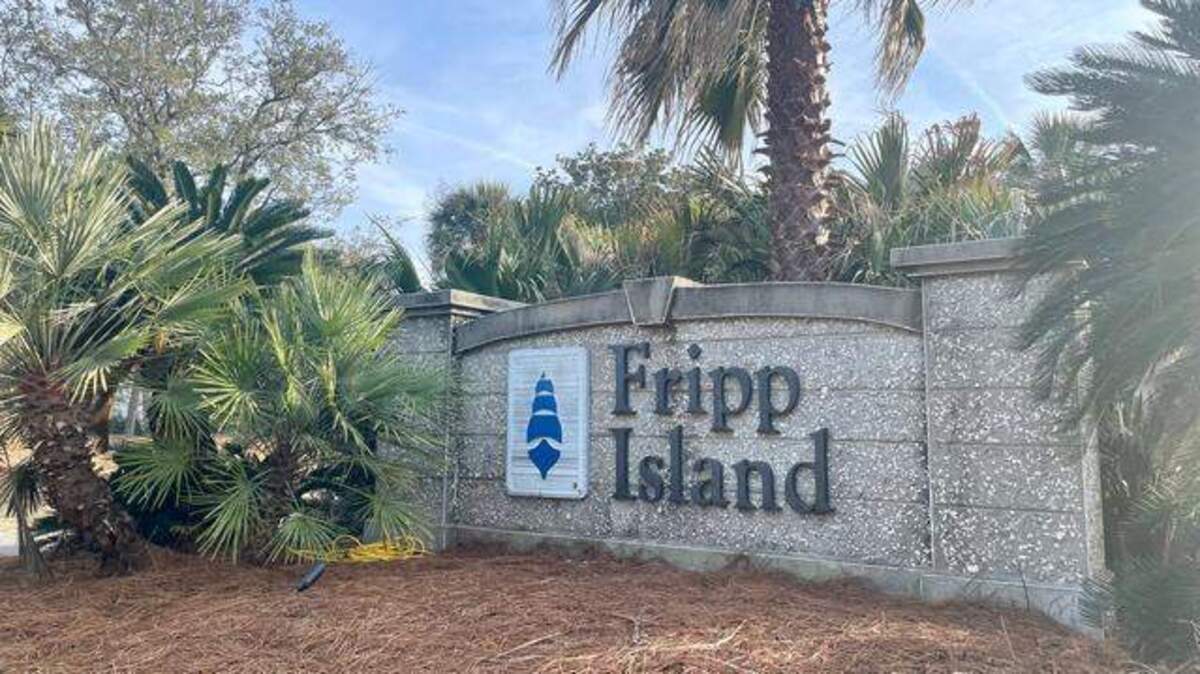
While visiting Fripp Island two years ago, a young boy was attacked by a snake at the resort’s nature center, where staff members were giving people an up close look at wildlife in captivity.
The boa constrictor latched onto the boy’s face near his eye, clinging so tightly that those who tried to help had difficulty freeing him. It was a horrifying event that left the five-year-old with recurring eye damage and emotional trauma.
It was also an incident that sparked a lawsuit and discussions about whether South Carolina needs tighter restrictions on the display of captive snakes.
South Carolina doesn’t have the rules or guidelines that address the handling and display of snakes at nature centers like the one at Fripp Island, according to the S.C. Department of Natural Resources. It is currently legal for staff members at nature centers to take reptiles from their cages and let visitors touch them, DNR spokeswoman Cheyenne Twilley said.
In the attack on the young boy, the boa constrictor was shedding, which is a time when those animals can be disoriented and aggressive, a family attorney said.. Yet nature center staff brought the snake out to show visitors and were trying to get the child to hold the snake, according to the 2024 lawsuit against the Fripp nature center’s owners.
“They couldn’t get him off the little boy and there’s not a lot they could do,’’ DNR director Tom Mullikin recently told the agency’s board. “So, we’re looking at what do we need to do with dangerous snakes. These issues all are emotional issues.’’
Fripp, where the snake attack happened, is a barrier island with a gated community nestled among the multiple sea islands off the coast near Beaufort. Vacationers from across the country visit every year for its beaches and lush surroundings. It is between Hunting Island State Park and Pritchard’s Island, a University of South Carolina holding. Parts of the 1991 movie, “The Prince of Tides,’’ were filmed on the beach at Fripp Island.
The boa constrictor attack occurred in a state that traditionally has had some of the loosest rules governing the ownership and handling of reptiles. For years, South Carolina has been a haven for the black market reptile trade because of its limited restrictions.
Legislators have tightened parts of the law in recent years, particularly those affecting native turtles. But the changes have not been comprehensive.
It’s still legal, for instance, to own non-native venomous snakes. And there are limited restrictions on public interaction with snakes at wildlife exhibits, according to the DNR.
“South Carolina law currently lacks standards for venomous reptiles and public display of reptiles,’’ the DNR said in a statement attributed to Will Dillman, the agency’s top reptile expert. “Establishing clear statewide guidelines would help set reasonable safety standards, supporting public safety, while providing clarity for responsible keepers.”
Few details were available on what changes the DNR favors. But an amendment to a reptile bill that is still pending in the Legislature is in the works. The amendment would look at oversight of public exhibits that feature live reptiles, according to the DNR.
The reptile bill would have limited ownership of venomous serpents. Legislators took no action after snake owners complained at a hearing about the effect the proposed restrictions would have on them and their businesses. It could still be voted on this year.
Retired DNR biologist Steve Bennett, whose expertise includes reptiles, said instituting some type of guidelines on reptile displays is a good idea. Nature centers are found in many parts of the state, and it would be wise to have some training and basic standards, he said.
If the snake was shedding at the Fripp Island Nature Center as alleged, Bennett said that was “the worst time’’ to expose the public. He said it might be worth limiting public exposure to large snakes like boas, compared to small non venomous snakes.
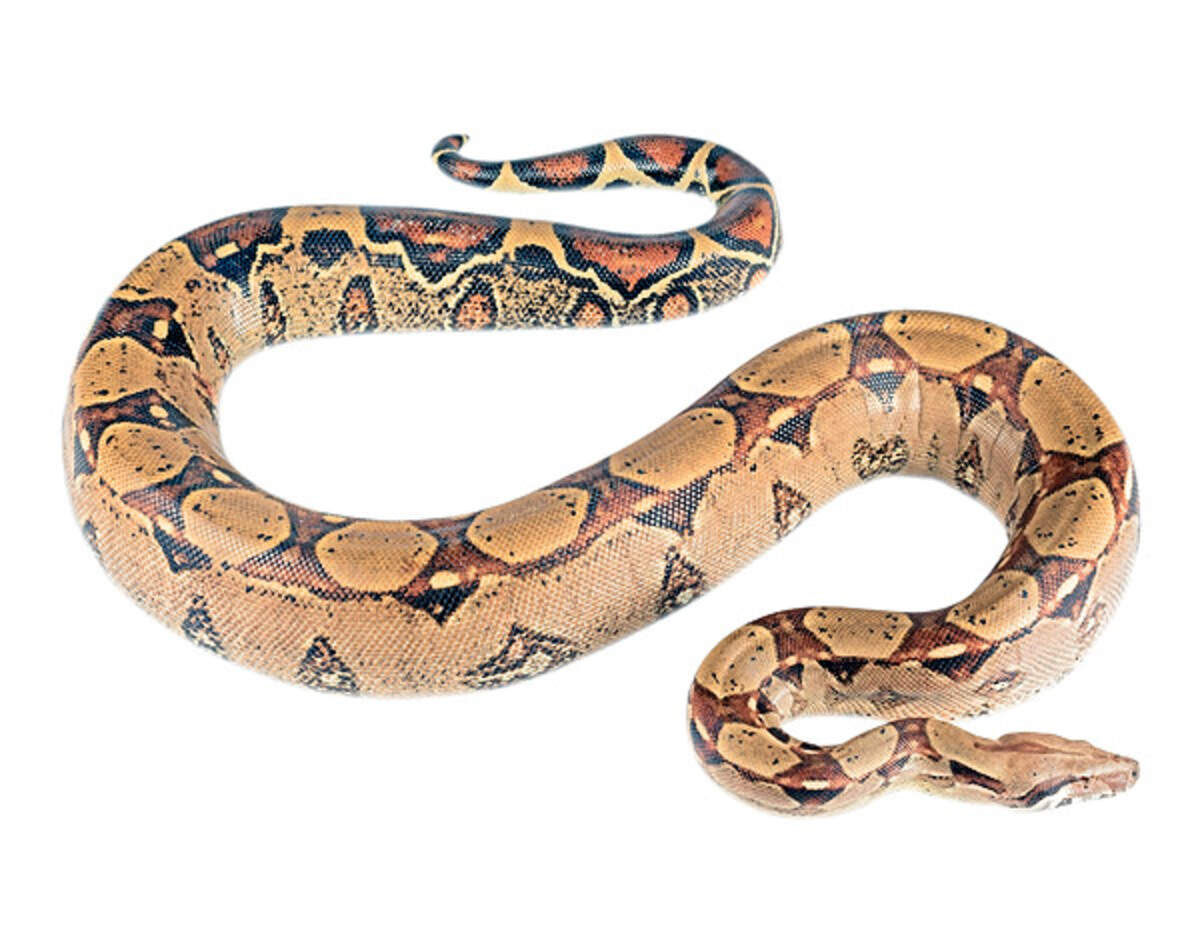
While boa constrictors are not venomous, their bites sting and the animals are difficult to remove from people who are bitten, he said. Boas, like pythons, have curved teeth that sink into prey, acting like fish hooks.
“When it bites you, you’re going to need to have someone help you, “ Bennett said. “You’re going to have to sort of peel that snake off of you. They have a strong grip, but the main thing is they have these curved teeth.’’
Two state legislators who represent parts of Beaufort County pledged to look into the matter. Rep. Shannon Erickson, R-Beaufort said she would talk to some of her contacts at the DNR. Rep Michael Rivers, D-Beaufort, offered similar thoughts, deeming the issue “pretty serious.’’
States like South Carolina periodically experience cases where venomous snakes bite people, but those animals are mostly native wildlife. In this case, the red-tailed boa constrictor is not native to the state.
Red-tailed boa constrictors are heavy snakes that can grow longer than 10 feet. They are nocturnal and generally slow moving. They feed on a variety of animals, including mice, rats, other reptiles and small dogs and cats, according to the government of the Virgin Islands’ website. They typically kill prey by biting and squeezing animals to death, then swallowing the animals.
The October 2024 attack at Fripp Island was serious enough to prompt the child’s family to first contact the Beaufort County Sheriff’s Department, then sue the operators of the nature center on Fripp Island.
Filed Dec. 20, 2024, by the child’s father, Brooks Pennington of Madison, Ga., the suit says the company in charge of the nature center was “grossly negligent and reckless’’ and that the child’s injuries required emergency care, specialized medical treatment and psychological treatment.
“As a result of the snake attack, the minor child sustained significant and permanent physical injuries to his face and body, and severe emotional and psychological trauma,’’ the suit says. The suit says he suffered disfigurement and scarring from the snake attack.
The lawsuit, which is unresolved, says Seascape/Fripp Island Golf and Beach had a duty to “maintain a reasonably safe premise.’’ The suit also names the manager of Fripp Island Golf and Beach resort and two staff members.
Efforts to reach an attorney for Seascape were not immediately successful.
According to the lawsuit, Seascape invited the child to the nature center for an event being held there. Once there, nature center staff “tried to force’’ the boy to hold the boa constrictor, even though he didn’t want to, and it was against his parents instructions, the suit says.
Records obtained by The State newspaper and The Island Packet show that the child was accompanied by a babysitter. The snake struck the child after a staff member presented the animal for a photograph, a Beaufort County Sheriff’s Department report says.
The McLeod Law group, headed by Democratic candidate for governor Mullins McLeod, and the Champion Firm are handling the case on behalf of the boy’s family. The family owns a home on Fripp Island, but is from Madison, Ga., a community between Augusta and Atlanta.
Pennington family members were not made available for comment, but their lawyer said recovering from the snake attack has been an ordeal.
“This five-year-old child was bit in the face by a snake that never should have been near him,’’ said Cooper Wilson, an attorney with the McLeod firm. “Frankly, this event is a nightmare that never goes away for him or his family.’’
This story was originally published March 13, 2026 at 6:00 AM.