Atomic weapons project in SC could cost taxpayers more than $30 billion
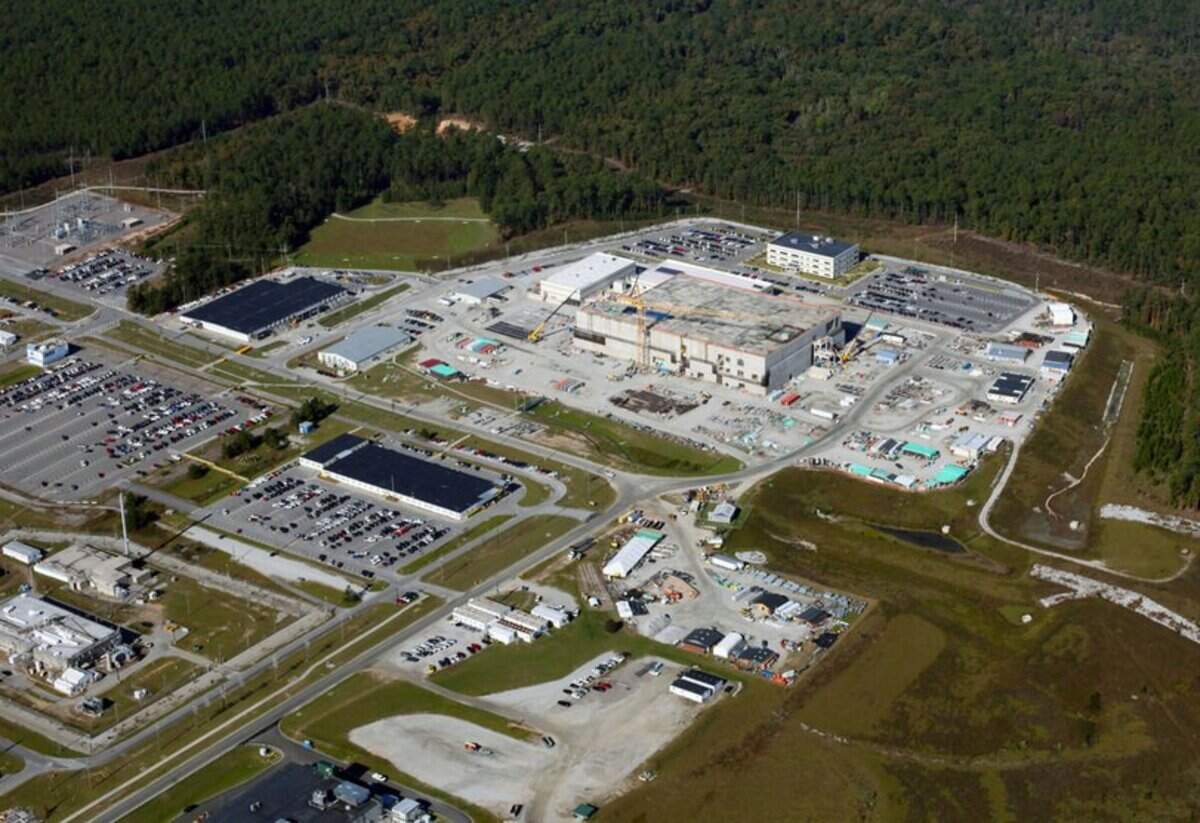
When environmentalists arrived at the site of a future nuclear weapons factory in South Carolina, they found a massive building being gutted so that it can one day house production lines for plutonium pits, some of the most important elements of atomic bombs.
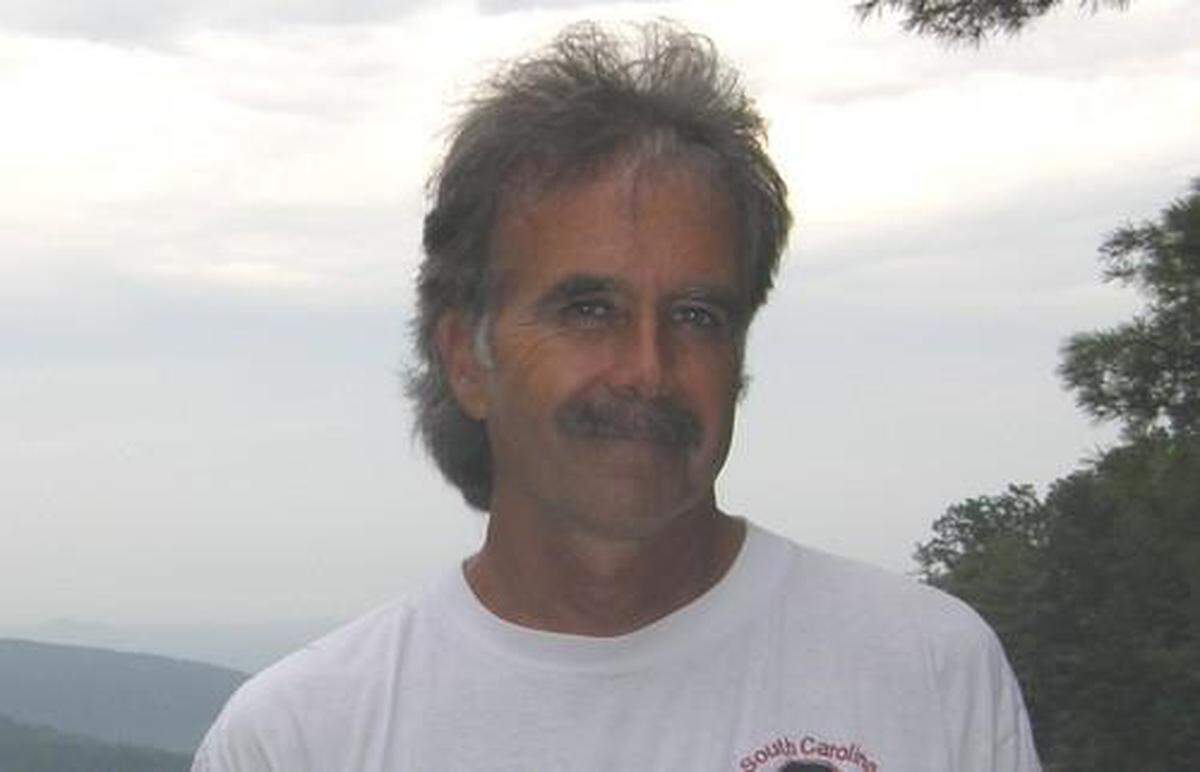
Parts of the building’s interior had been ripped out, holes had been knocked in walls, and wiring and pipes had been removed, factory critic Tom Clements said Wednesday, a day after he toured the future plutonium pit plant.
The amount of work needed to retrofit the building for the pit plant was staggering – and it’s a key reason the United States is making a mistake in pursuing development of the plutonium pit factory, he said.
The government is expected to spend anywhere from $25 billion to $30 billion on the pit plant at the Savannah River Site, after initial estimates placed the cost at closer to $5 billion. Couple that with money already spent constructing the building — the facility was originally launched to house a nuclear fuel plant — and the public has big bills to pay, Clements said.
Taxpayers spent $5 billion to $8 billion on the nuclear fuel plant that was never finished, said Clements and Jay Coghlan, a nuclear watchdog from New Mexico.
The government also faces billions of dollars in costs to retrofit facilities at Los Alamos, N.M., for a second pit factory.
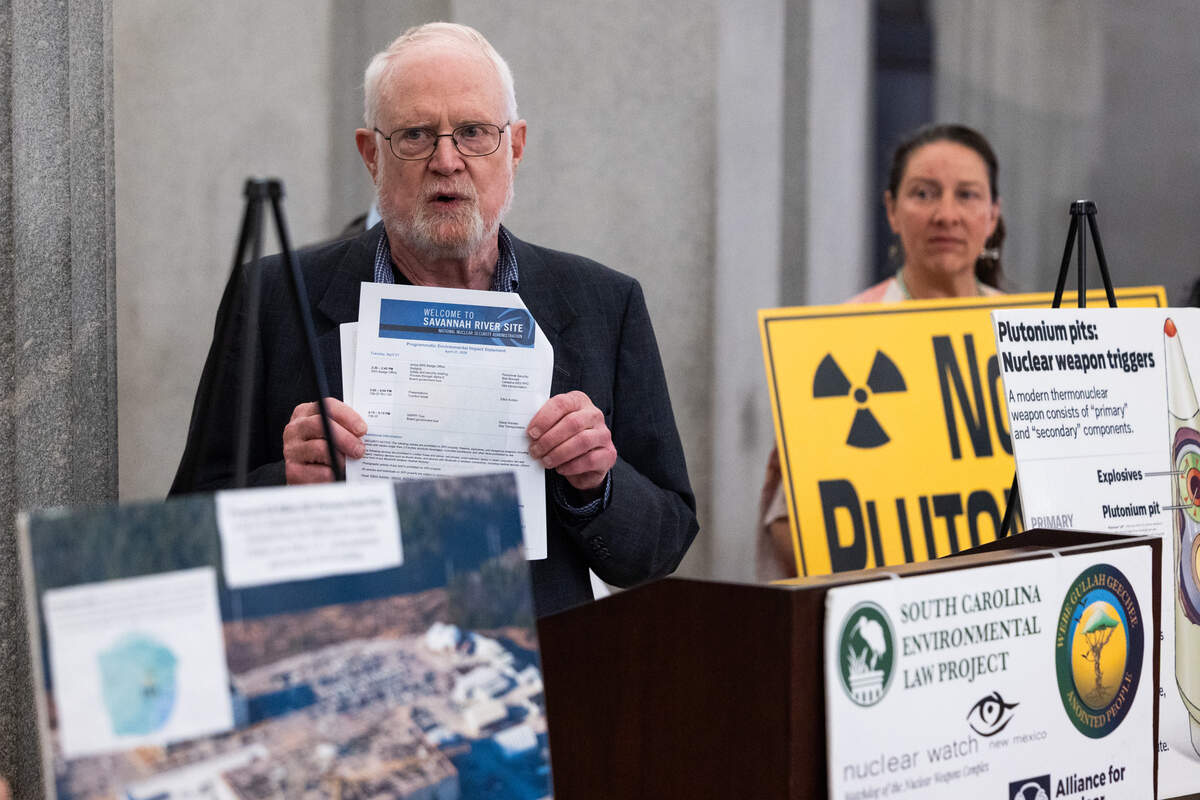
“All during the tour, I could only think that ‘This project will end up costing $30 billion or more, and for what?’ ’’ Clements asked in a statement he handed out at a news conference Wednesday. “Why the rush to turn an abandoned building into a facility to continue the threat of nuclear annihilation?’’
Key concerns about the project, in addition to cost, are that the plutonium pit program will mean transporting the material from various nuclear complexes to SRS and Los Alamos. Accidents could expose communities to deadly plutonium, critics say.
Plutonium, which can take thousands of years to break down in the environment, is one of the most toxic substances in the world and is a known carcinogen. Other concerns center on pollution that could be created at SRS and triggering a buildup of nuclear weapons internationally.
The National Nuclear Security Administration, which is overseeing the project, acknowledged the effort has been expensive and is taking time to develop. A recent federal performance review report noted problems, saying a major SRS site contractor had underperformed in executing the project.
But the agency is working to make improvements, a spokesman said. A federal law mandates that at least 80 pits be produced nationally each year beginning in 2030.
Pits for atomic weapons have not been produced in large scale since the late 1980s. SRS, a 310-square mile nuclear weapons complex, has not made pits before.
“We recognize the cost and schedule challenges associated with this project, and under new leadership we are taking aggressive, urgent steps to correct course,’’ NNSA spokesman Craig Branson said. He did not name the new leadership, but said the agency is considering a new management and operating contract to help make sure the pit project works out.
The pit project is “essential to meeting U.S. national security needs,’’ Branson said in an email.
This week’s tour for environmentalists resulted from a lawsuit they filed about five years ago. The suit succeeded in forcing the government to do a more thorough environmental study than had been done previously for the pit project at SRS and Los Alamos. The study found some hazards associated with the project. As part of the settlement, the NNSA agreed to give project opponents a tour of the under-construction project.
This week’s tour, environmentalists said, revealed the amount of work being done to prepare the plant for making plutonium pits, including using a water jet to cut openings in some of the walls and taking down a wall covering that had been used previously. Clements, Coghlan and three other environmentalists saw the site Tuesday. Coghlan said the factory now is like a hollow shell. Environmentalists saw the first floor and the roof of the multi-story building.
Environmentalists said the project is not in the world’s best interest because it could fuel a build up of new nuclear weapons. Coghlan questioned whether the cost of a plutonium pit plant at SRS could be higher than any other building ever constructed in the United States.
He accused the government of trying to hide the overall costs of the project. Clements said that’s what happened with the fuel plant that was never completed.
“We’ve got an unneeded program, incredibly expensive, that’s going to create the most expensive building in U.S. history, and the costs are being kept concealed from the American taxpayer,’’ Coghlan said at the news conference.
From his own research, projects such as the expansion of the Vogtle atomic power plant in Georgia and the new World Trade Center, cost less than what ultimately would be spent on the SRS pit plant, Coghlan said.
Clements said the money being spent on the pit plant could go to better use cleaning up pollution on the Savannah River Site from the Cold War. The site is full of contaminated areas, including a tank farm that holds some of the most dangerous nuclear waste in the world.
The pit plant has been a topic of planning and discussion for years as SRS looks for new missions that produce jobs.
Federal officials say the United States needs to replenish its stockpile of atomic weapons material because some of the material is getting stale. But the work also would provide plutonium pits for new types of nuclear weapons.
Virtually all the funding for the pit plant is coming from the federal government, but state legislators are following the project, including Rep. Bill Hixon, who represents the North Augusta area not far from SRS.
Hixon, a Republican, said the government needs to build the plant, to keep the country safe and to produce jobs.
“I’m all for it and I think you’ll find our whole legislative delegation would be for it,’’ Hixon said.
Hixon and Sen. Shane Massey of Edgefield said the plant is popular with many residents of the Aiken-Augusta area, who see the future factory as a jobs producer. More than 2,800 permanent jobs are expected to be created, not counting construction and spinoff jobs.
Massey, a Republican, said $25 billion to $30 billion for a pit plant “is real money.’’
But he said, “I do recognize there is a need for national defense and that includes, unfortunately, the creation of missions and different weapons. If it’s got to be done somewhere, it might as well be Aiken.’’
While there is support for the plant, Clements and Coghlan said the United States doesn’t need the pit factory because it doesn’t need to replace the pits anytime soon.
Pits reserved for use in nuclear bombs are about 40 years old, but have a shelf life of more than 100 years, they said. So there is no rush to build a plant to replace them.
But he and others said the real reason the government wants the project is to supply a new type of nuclear weapon. The government originally intended to produce 50 pits at SRS and 30 at Los Alamos. Now, it has plans for SRS to produce 125 pits and Los Alamos to produce 80.
“The pits aren’t needed for existing weapons,’’ Clements said. “Rather, it’s a number that could support rapid and dangerous rearmament with a vast number of nuclear weapons.’’
This story was originally published April 22, 2026 at 5:02 PM.