
Ancient shrine was a ‘sophisticated seasonal calendar’ in Hawaii. Here’s how it worked

Researchers believe an ancient shrine or worship site in Hawaii acted “as a sophisticated seasonal calendar.”
The heiau, as it’s known in Hawaiian, was reconstructed in 2007 and dates to the early to mid 15th century, according to a Feb. 24 news release from the University of Hawaiʻi at Mānoa.
Researchers used “mathematical analysis and modern mapping technology” to uncover “that carefully positioned stones within the heiau aligned with sunset positions throughout the year, effectively creating a calendar system,” according to the university.
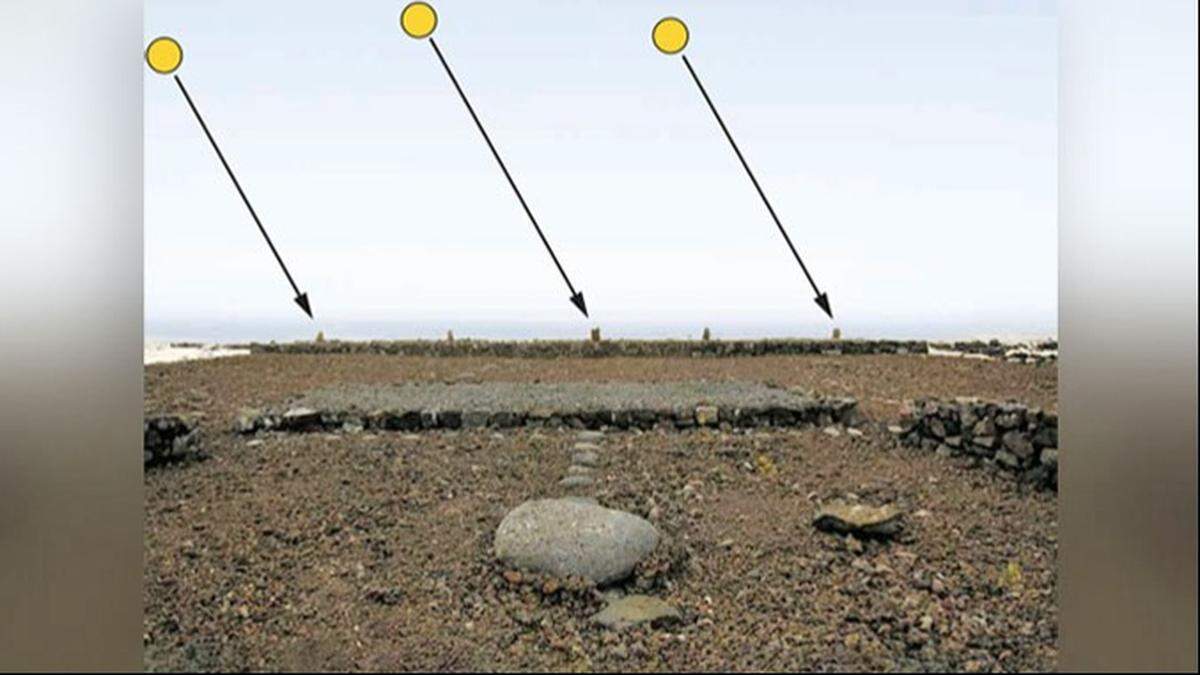
The system helped ancient Hawaiians track seasons for fishing and farming, figure out the best times for cultural practices and “maintain sustainable resource management,” the university said.
The research by Albert S. Kim, an engineering professor at the university, and Native Hawaiian engineer and university alum Brenton Sasaoka, was published in January in The Polynesian Society’s journal Waka Kuaka, according to the university.
The reconstructed heiau is on the island of Hawaii.
Kim and the team determined “that the left-most pillar marked the winter solstice, associated with a season of precipitation and peace,” while “the right-most pillar indicated the summer solstice, traditionally linked to gathering and preparation for warfare,” according to the university.
The research work “shows how Hawaiʻi’s ancestors were master astronomers, Indigenous scientists and resource engineers who created precise architectural alignments to track seasonal changes, demonstrating the deep connection between Hawaiian cultural practices and basic scientific understanding of the mother nature,” Kim said in the release.
The heiau system isn’t fully understood, the university said, noting more research is needed.
This story was originally published February 25, 2025 at 3:04 PM with the headline "Ancient shrine was a ‘sophisticated seasonal calendar’ in Hawaii. Here’s how it worked."
.JPG)