
Notorious stinging sea creatures wash up on multiple NC beaches, photos show
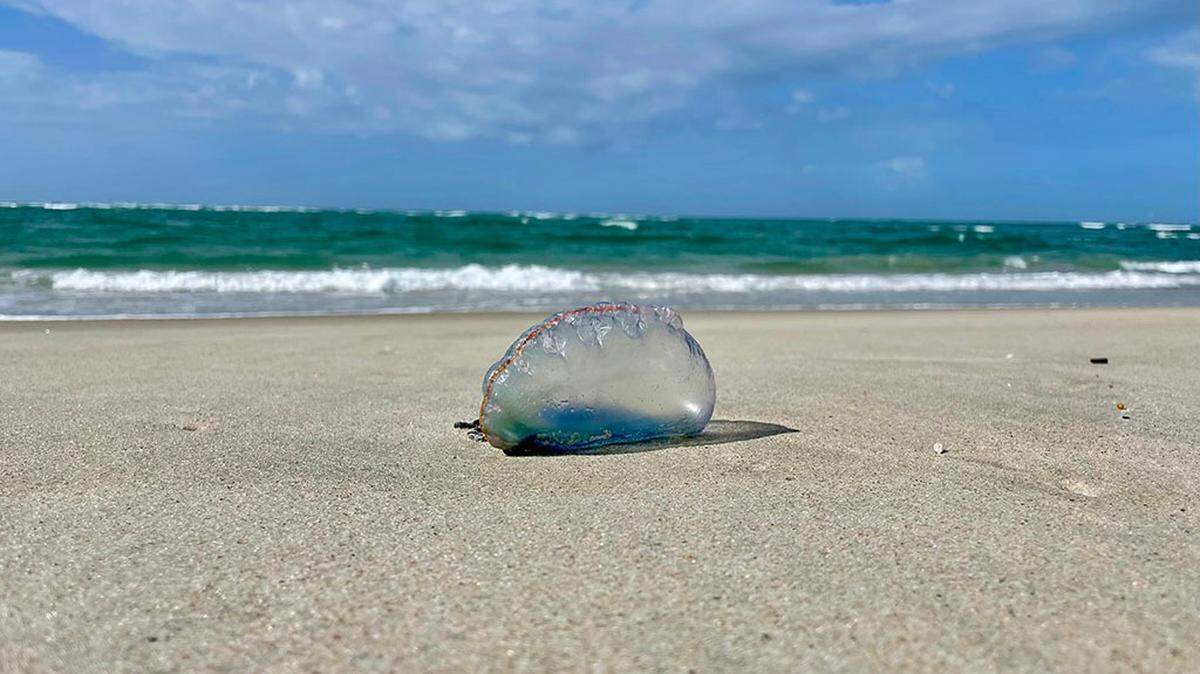
Notorious Portuguese man-of-wars are washing up on North Carolina beaches, prompting warnings along the roughly 150-mile stretch from Cape Lookout to the South Carolina state line.
Cape Lookout National Seashore, Oak Island and Sunset Beach are among the areas cautioning visitors to watch where they step, due to stinging capabilities of the balloon-like creatures.
“Just a friendly reminder to exercise caution,” Cape Lookout National Seashore wrote in a May 17 Facebook post. “Their tentacles can pose a risk to bare feet even after the organism has died. So, let’s keep our beach fun and safe by avoiding attempts to pop the blue float. ... Portuguese Man-o-Wars are likely to remain on the beach for several days, so let’s stay vigilant over the next week.”
Known as man o’ war and man-of-war, they are often mistaken for jellyfish. However, they are “actually a species of siphonophore, a group of animals that are closely related to jellyfish,” the National Oceanic and Atmospheric Administration reports.
“Found mostly in tropical and subtropical seas, men o’ war are propelled by winds and ocean currents alone, and sometimes float in legions of 1,000 or more!” NOAA says.
“Resembling an 18th-century Portuguese warship under full sail, the man o’ war is recognized by its balloon-like float, which may be blue, violet, or pink and rises up to six inches above the waterline. Lurking below the float are long strands of tentacles and polyps that grow to an average of 10 meters (about 30 feet) and may extend by as much as 30 meters (about 100 feet).”
Those tentacles have stinging nematocysts with a venom that is rarely deadly to humans, but “packs a painful punch and causes welts on exposed skin,” NOAA says.
Sunset Beach Fire Department noted the “thread-like tentacles” can end up spread in every direction across the sand, like little venomous land mines.
“If stung: Rinse with saltwater (not fresh!), remove any visible tentacles (use gloves or a towel), and seek medical attention if you experience severe pain, difficulty breathing, or other serious symptoms,” the fire department wrote in a Facebook post.
This story was originally published May 19, 2025 at 9:02 AM with the headline "Notorious stinging sea creatures wash up on multiple NC beaches, photos show."