116 rare ‘snot otters’ released in Ohio waterways where their ancestors thrived

Wildlife officials in Ohio have announced that 116 rare and endangered eastern hellbenders were released into the state’s waterways this summer, marking an important conservation milestone for the species.
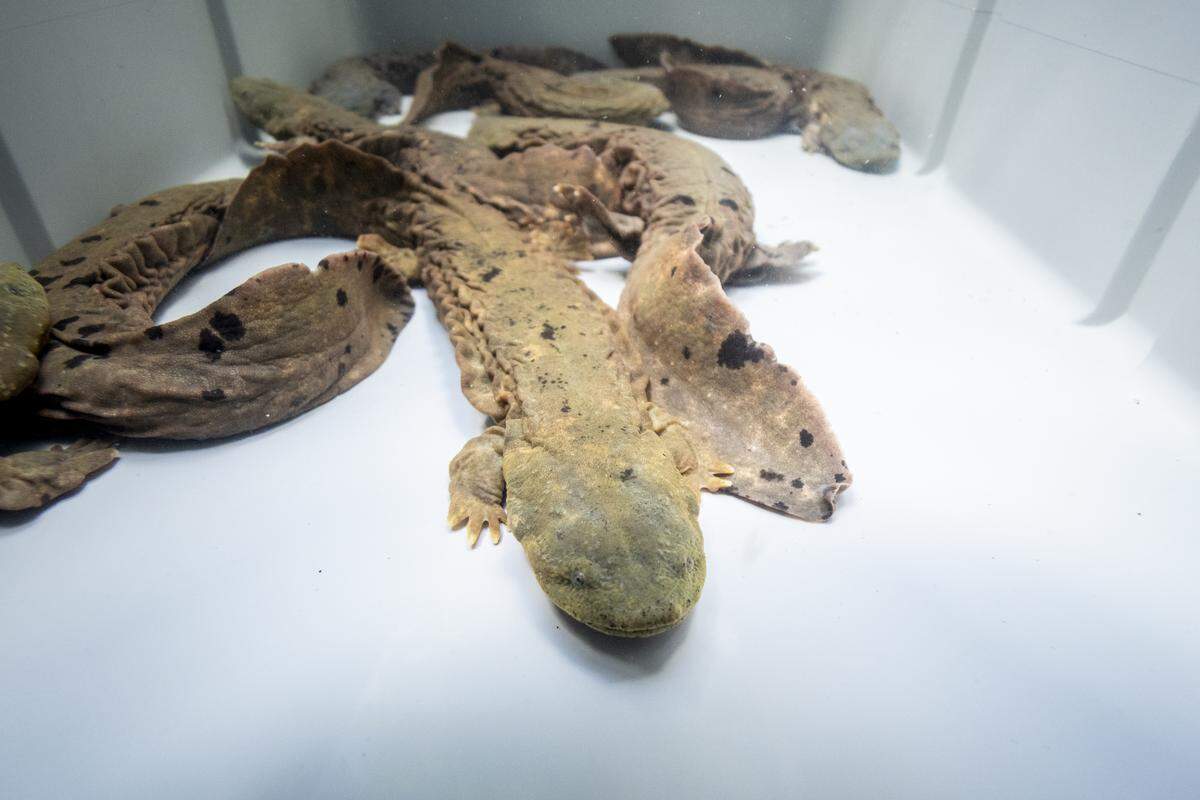
Experts reared the hellbenders from eggs until they were large enough to survive on their own, then they were released into the same regions “where their ancestors once thrived,” according to a joint Facebook post from the Columbus Zoo and Aquarium and The Wilds.
Nicknamed “snot otters” due to their slimy and slippery coating, these creatures are North America’s largest species of salamander, reaching up to 2 feet long according to an Oct. 9 news release from the Columbus Zoo and Aquarium.
Because they need clean water and habitats to survive, experts said they are “an important sign of how Ohio’s streams are doing.” They also keep the ecosystem in check by feeding on crayfish and other invertebrates, according to experts.
“Decades ago, habitat loss and pollution nearly erased them from the state,” experts said. “But thanks to a statewide partnership led by zoos, universities, and conservation groups, these remarkable amphibians are making a comeback.”
More than 2,000 hellbenders have been raised in this program and released into the wild since 2012, according to the post.
“Last year brought a milestone—scientists found the first wild-born babies from previously released adults, proving that patient, behind-the-scenes work really can bring a species back!” experts said.

“This is quiet work that adds up,” Greg Lipps, Conservation Biologist at the Columbus Zoo, said in the post. “One stream, one release, one more sign that clean water and wildlife can thrive together.”
The statewide conservation program “is led by the Ohio Hellbender Partnership, which includes the Columbus Zoo, The Wilds, The Ohio State University, other Ohio zoos, and academic and government organizations,” according to the release.
This story was originally published October 13, 2025 at 9:42 AM with the headline "116 rare ‘snot otters’ released in Ohio waterways where their ancestors thrived."