
Looted 2,200-year-old burial site discovered in Germany. See what treasures remain
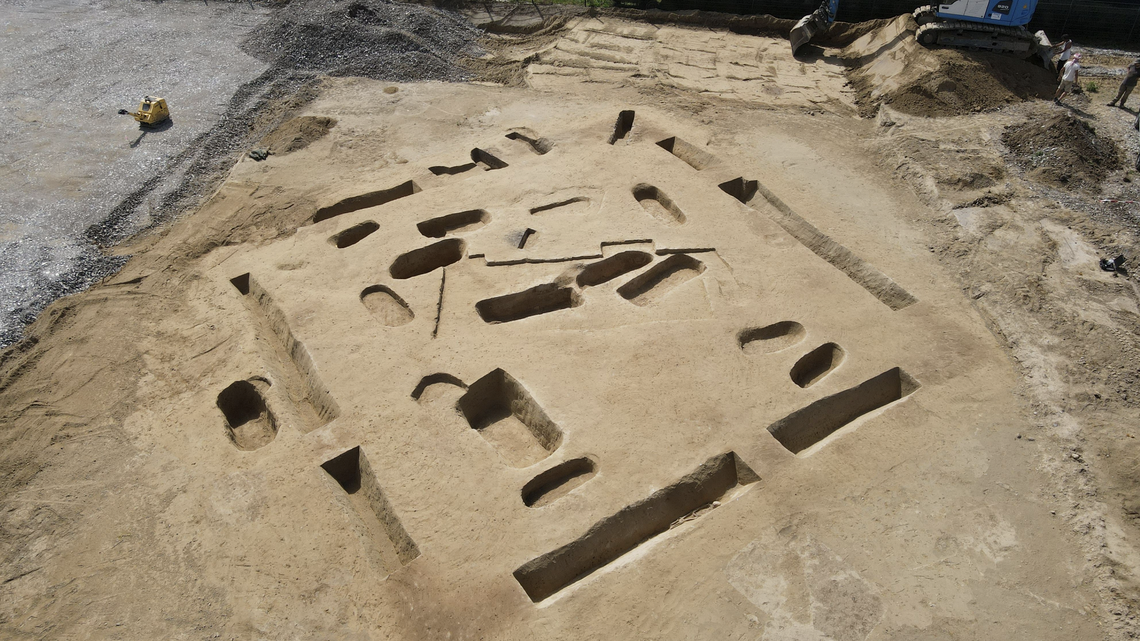
Archaeologists in Germany recently discovered an ancient burial complex filled with valuable artifacts — which had escaped the clutches of grave robbers.
The gravesite was uncovered in the town of Endingen am Kaiserstuhl, located along the Rhine River in southwestern Germany, earlier this year, according to a Dec. 11 news release from the regional government.
It is of Celtic origin and dates to between 450 and 250 B.C., making it at least 2,200 years old. The Celts were a collection of tribes in Europe during the early Iron Age.
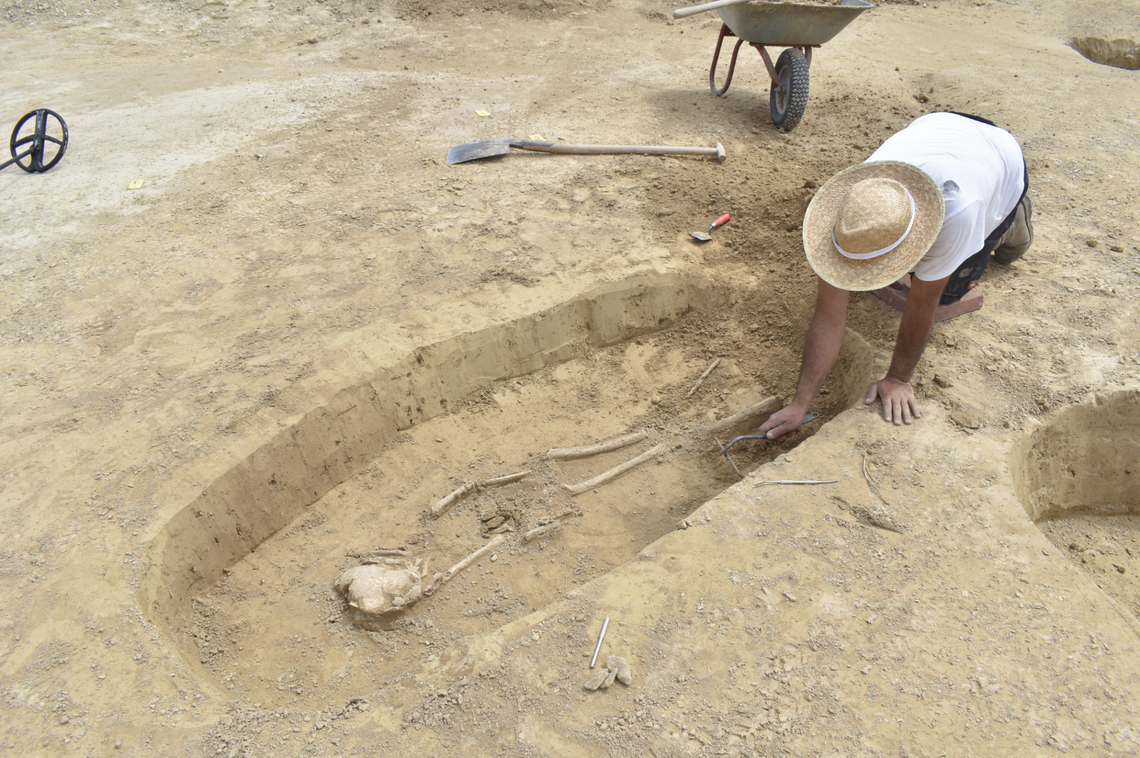
The site, which is about 2,500 square feet, contains 17 burial pits filled with the well-preserved remains of 18 individuals. The pit containing two individuals appears to form the center of the site, with all other pits being grouped around it.
Early analyses of the skeletal remains indicate that the deceased individuals represented all ages, including children, officials said.
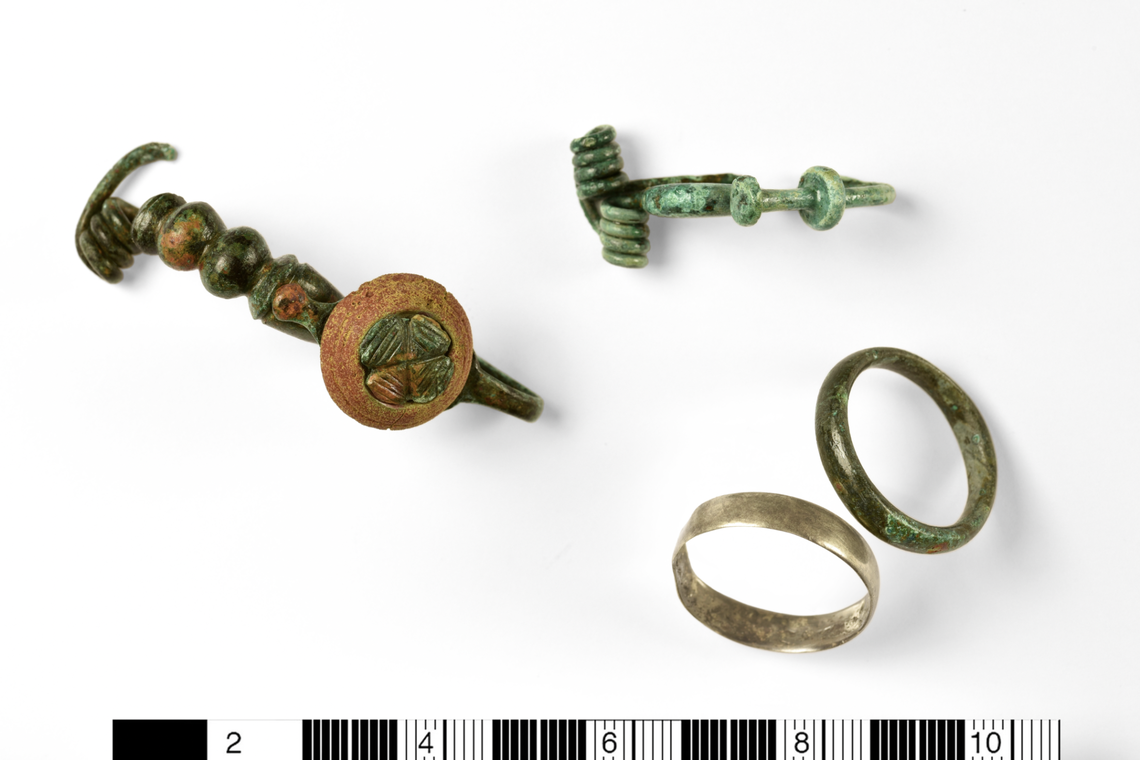
More than 60% of the graves had been looted, though a number of ancient artifacts still remained in place. For example, brooches were found, including one that was fashioned from bronze and inlaid with coral.
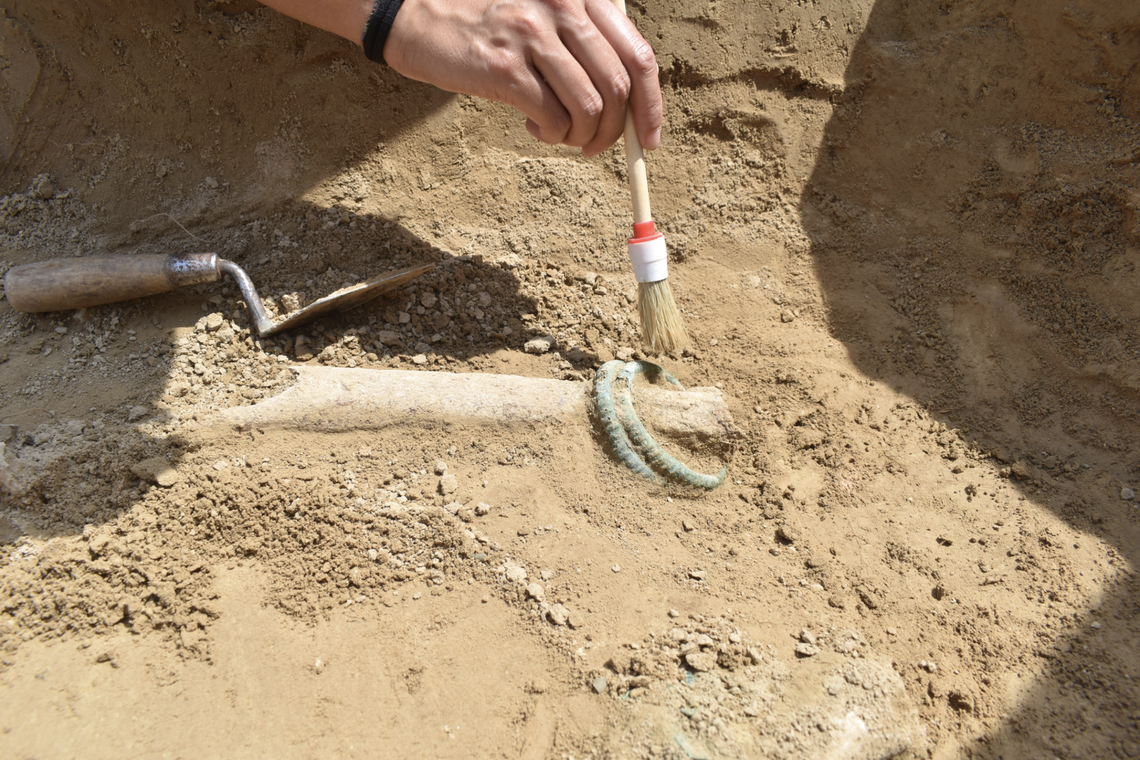
Bracelets, anklets and a silver ring were also uncovered, officials said.
A photo published by state officials shows an archaeologist uncovering bronze rings encircling the leg bone of a deceased female.
While this type of enclosed gravesite is not uncommon for the Iron Age, no comparable sites have ever been found in Baden-Württemberg, the German state that encompasses Endingen am Kaiserstuhl.
Additional research will be carried out on the grave complex in order to gain further knowledge about the deceased individuals, officials said.
Google Translate was used to translate a news release from the Regional Council of Stuttgart Baden-Württemberg.
This story was originally published December 31, 2024 at 10:27 AM with the headline "Looted 2,200-year-old burial site discovered in Germany. See what treasures remain."