
Creature found on ‘rainy night’ in Panama may be oldest ever known. See ‘Nelson’
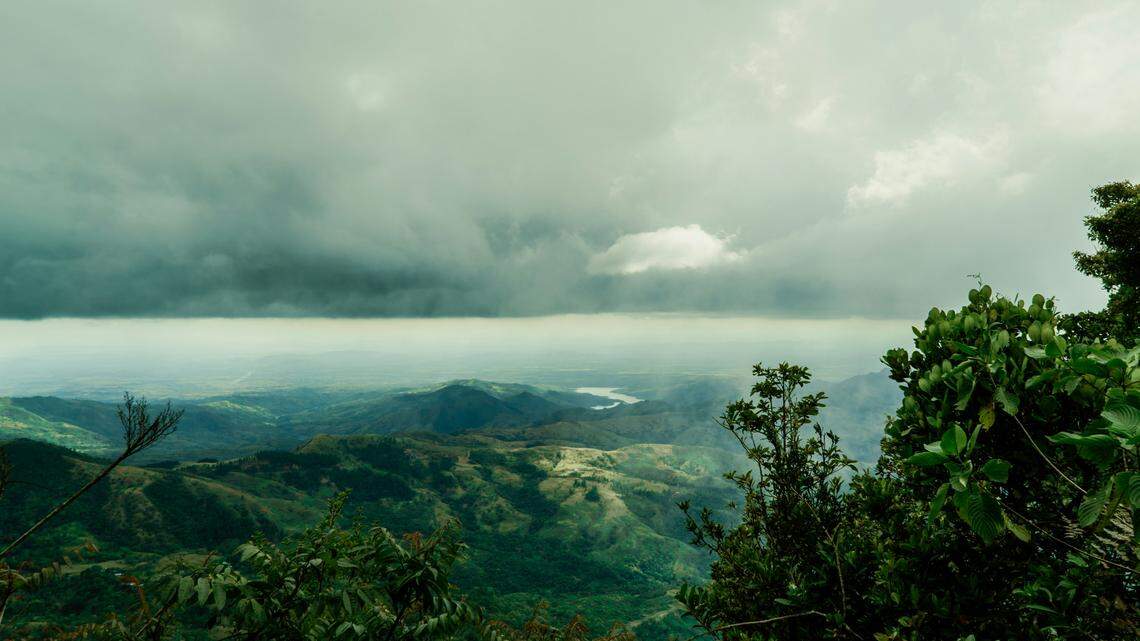
On a “very rainy night” in western Panama, herpetologists searching a forest reserve saw something in the darkness.
It was a small, brownish frog hopping across the road, and the reptile and amphibian researchers captured the animal for a closer look.
It was a known species — Ctenophryne aterrima — but this find marked the first time the frog was spotted in Panama, previously making appearances in Costa Rica and Colombia.
The day was July 24, 1987, and when the frog was entered into the scientific record, the researchers couldn’t have known that it would go on to be one of the longest living tropical frogs ever recorded.
“It is generally understood that (frogs and toads) inhabiting cool or temperate regions, whether latitudinally or altitudinally, tend to reach higher ages than those living in warm and hot areas,” Karl-Heinz Jungfer, one of the herpetologists who collected the frog, wrote in an Aug. 15 correspondence published in the peer-reviewed journal Salamandra.
The male frog, measuring about 2.2 inches long from snout to legs, would have been preserved, but due to time constraints, it was instead taken to Germany alive and placed in a moist terrarium, according to the paper.
Researchers fed it crickets and fruit flies. Before long, it was part of the lab.
The frog was called Nelson, the “only frog ever to have a nickname at our lab,” Jungfer told McClatchy News in an email.
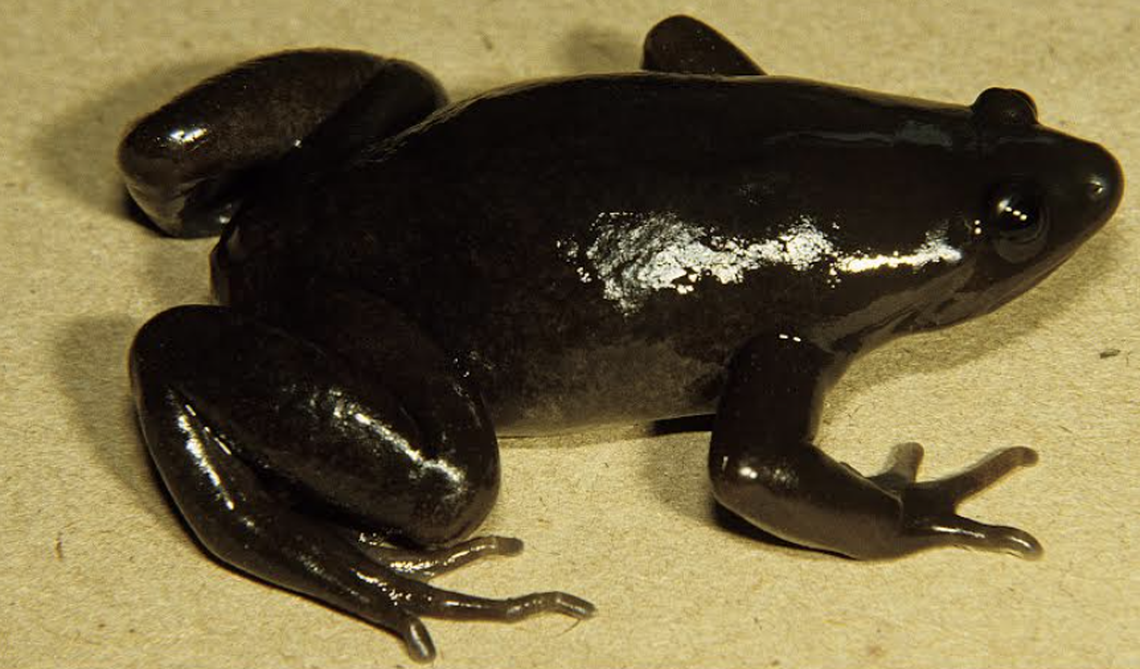
Nelson was already an adult when he was collected, but in the next four years of his life, he grew a few more millimeters before stopping at 2.3 inches long, according to the paper.
The researchers learned more about Nelson over the next few decades.
“No advertisement call was ever heard, but this is no surprise, for no ‘rainy season’ was ever induced by artificial ‘rain’ that could have simulated a breeding season,” Jungfer wrote.
Nelson gladly took food, typically gobbling it up with his tongue instead of holding it in his mouth, according to the paper. He had favorites, preferring light-colored prey to darker colors.
Seven years after Nelson was first collected, he was put in an outdoor terrarium, Jungfer wrote. Then, the temperatures outside reached lower than 50 degrees Fahrenheit, and he became “so stiff and hardly able to move,” which caused him to be “promptly” moved back inside.
Ten years after Nelson joined the lab, the researchers found a lesion on his skin that they successfully treated with antibiotics, according to the paper.
In July 2016, Nelson had been living in captivity for 29 years, Jungfer wrote, and researchers noticed that his right eye was missing. The other eye, Nelson’s left, became severely swollen in 2024, rendering him blind as far as the researchers could tell.
“For feeding, (Nelson) had to be placed in a small plastic box, where it caught prey when it made contact with the frog’s fingers,” Jungfer wrote. “Nonetheless, it was able to locate its usual hiding places after feeding.”
In June 2024, Nelson was found dead in his terrarium, making him 38 years old at the time of death, according to the paper.
He spent a total of 36 years and 11 months in captivity, researchers said.
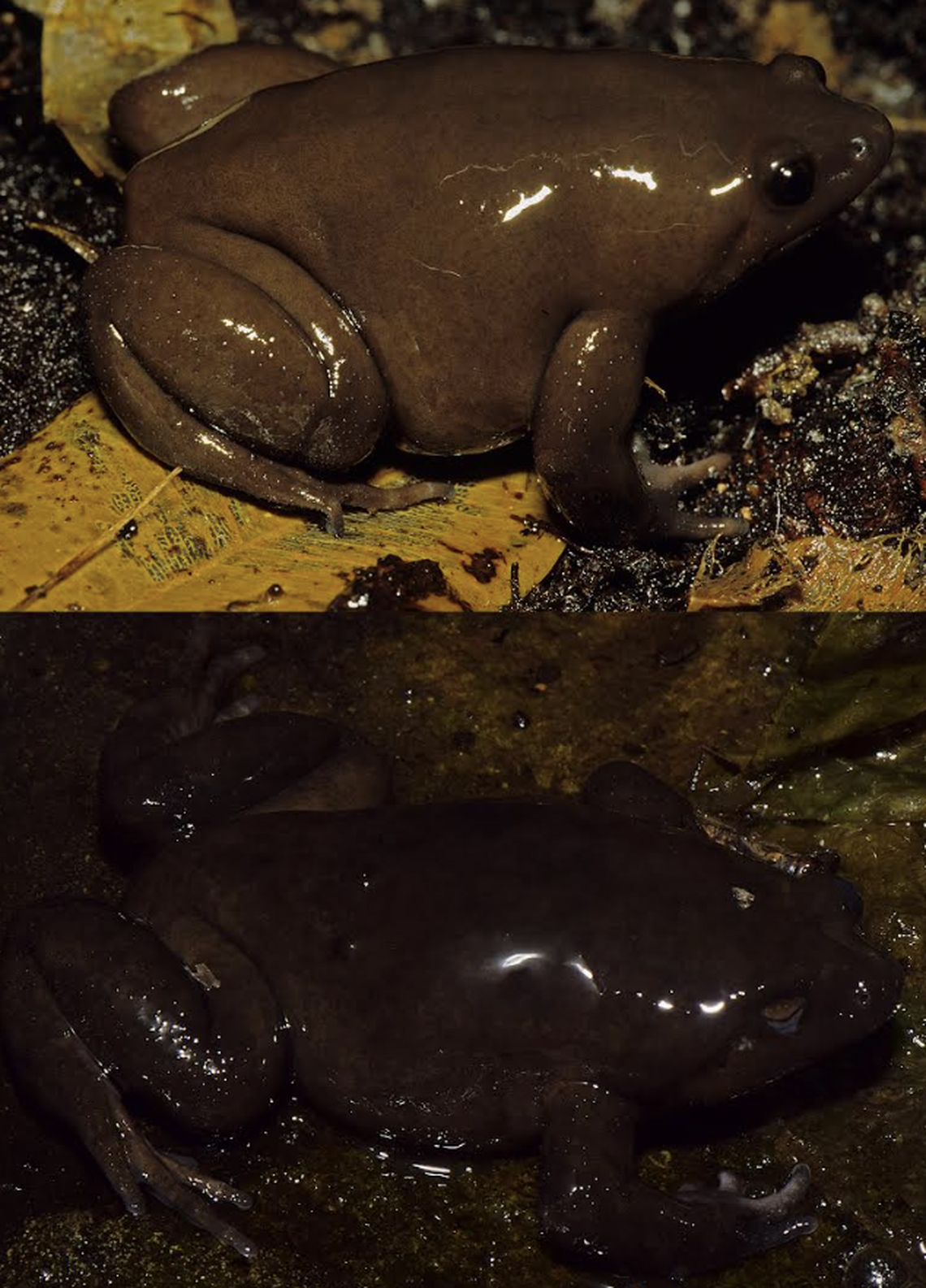
Nelson is believed to be “among the oldest (frogs and toads) known, and among tropical species, by far the most long-lived one,” according to the paper.
“In contrast to frogs in the wild, numerous individual frogs living under captive conditions are more long-lived than those recorded in the wild,” Jungfer wrote. “This increased longevity can be explained by the absence of predation, stable environmental conditions and food supply, as long as the husbandry requirements are adequately met.” Previous reports say a Bufo bufo frog once lived to be 36 years old, an Anaxyrus americanus lived to 30 years old and a Bombina variegata was 29 years old at the time of its death, according to the paper.
But 38-year-old Nelson, according to academic reports, has now taken the record.
Nelson was found in Provincia de Chiriquí along Panama’s southwestern coast.
This story was originally published August 19, 2025 at 5:41 PM with the headline "Creature found on ‘rainy night’ in Panama may be oldest ever known. See ‘Nelson’."
