Large ‘assassin’ creatures that paralyze their prey are new species in Vietnam

In the evergreen forests of Vietnam, researchers scoured the dense vegetation in search of “assassins.”
While these killers pose no threat to people beyond a possible bite if provoked, they are notoriously lethal when facing off against other insects.
Assassin bugs earned their name from their fierce predatory hunting strategies, according to experts. Unlike many insects that lie in wait and ambush their next meal, assassin bugs in the Reduviidae species actively hunt them down.
Assassin bugs have evolved long front legs that help them grab their prey, as well as “piercing and sucking mouthparts” used to inject their targets with poison that paralyzes them and makes them easier to handle, experts said.
After analyzing 41 adult assassin bugs collected from the bushes and shrubs in the forests throughout central and northern Vietnam, researchers discovered two new “large” species, according to a study published Sept. 4 in the European Journal of Taxonomy.
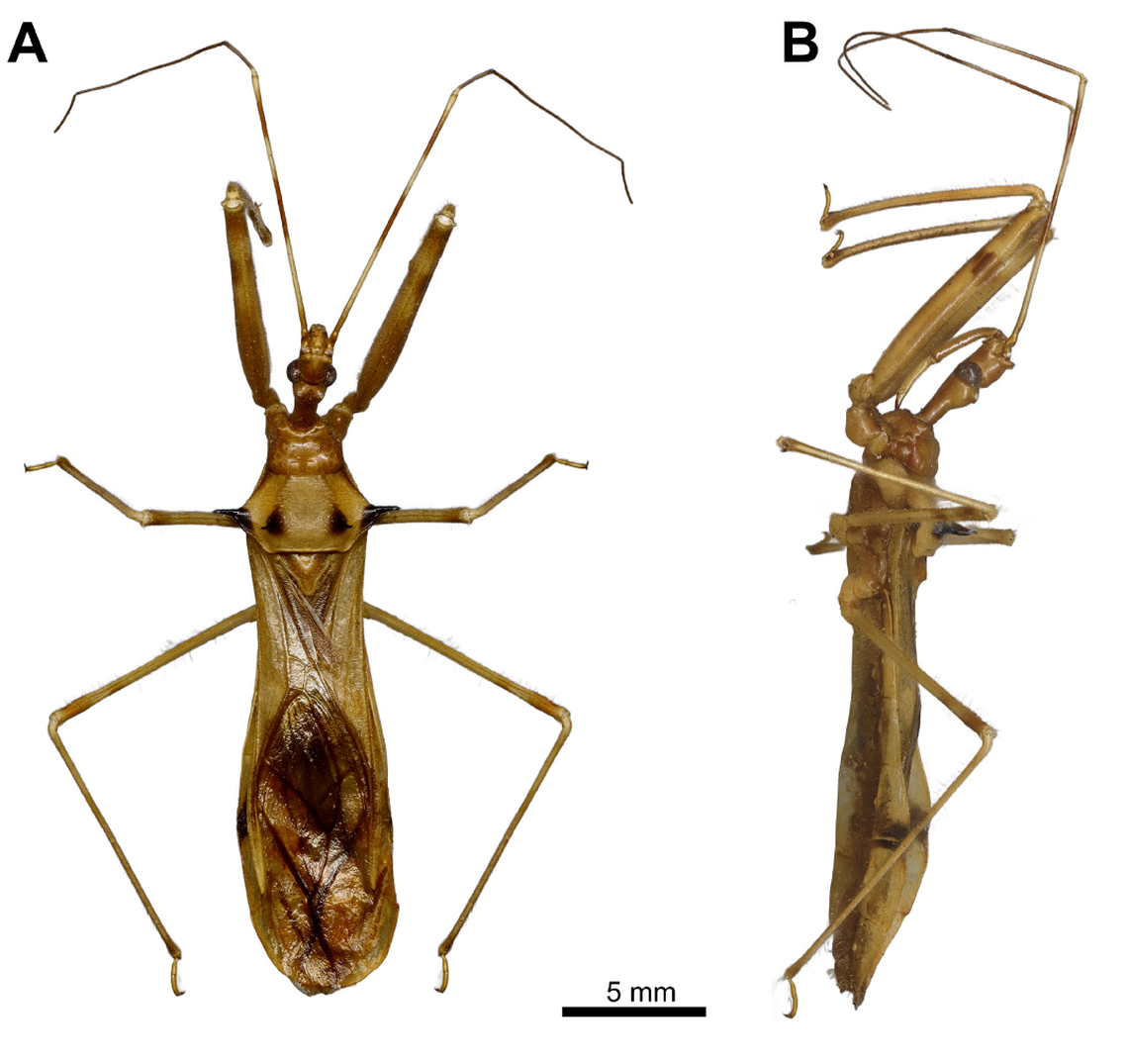
Epidaus batxatensis was discovered in Bat Xat Natural Reserve and is defined by its “large-sized” body, measuring just under an inch long, and four large black spines on the upper portion of its back, according to the study.
Much of its body is covered in prickly sensory hair-like structures called setae, researchers said.
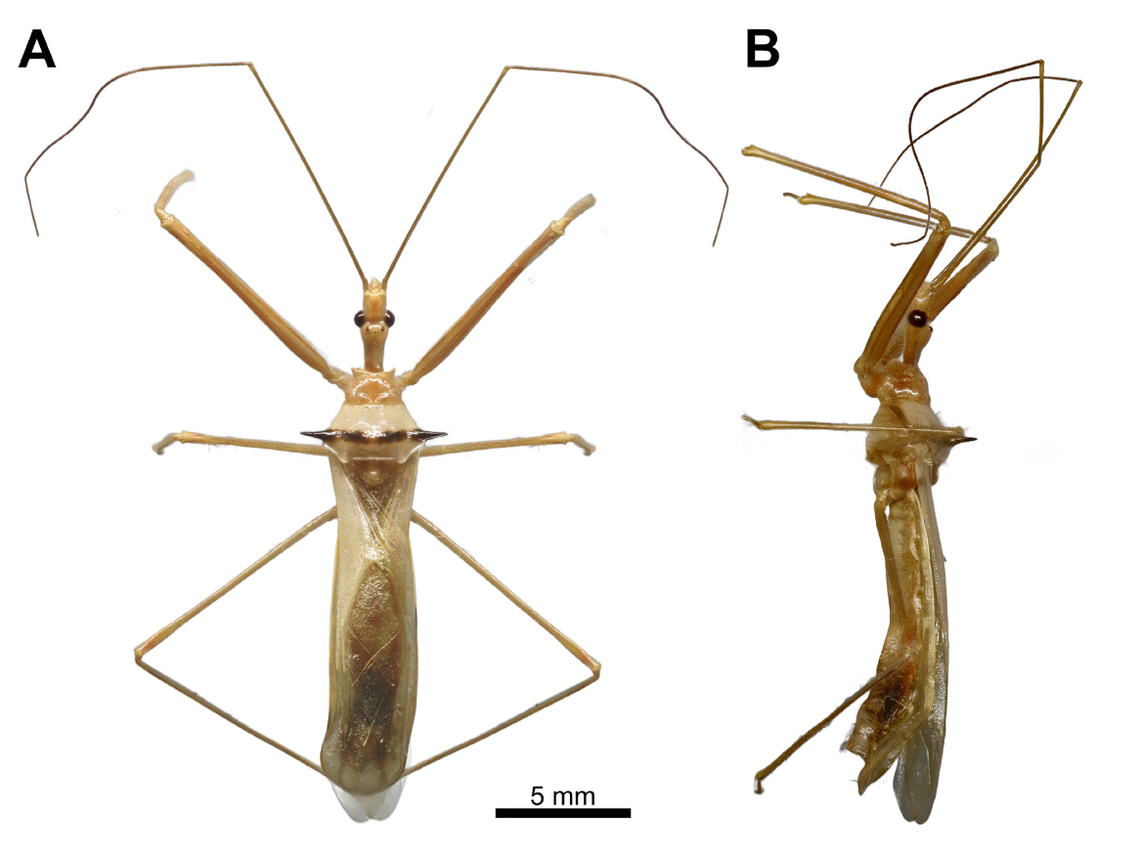
The “pale” Epidaus konkakinhensis is also “large-sized,” according to researchers, with a “very long” scape. In insects, the scape connects their antennae to their heads. In this new species, the scape is over three times as long as its already elongated head, the study said.
Epidaus konkakinhensis was discovered in Kon Ka Kinh National Park in Vietnam’s central highlands, the study said.
The research team included Xuan Lam Truong, Thi Giang Phan, Thi Ngoc Lam Thai, Dai Dac Nguyen and Ngoc Linh Ha.
This story was originally published September 8, 2025 at 11:08 AM with the headline "Large ‘assassin’ creatures that paralyze their prey are new species in Vietnam."