Prehistoric predator — dragon of the west wind — found in rolling chunk of rock
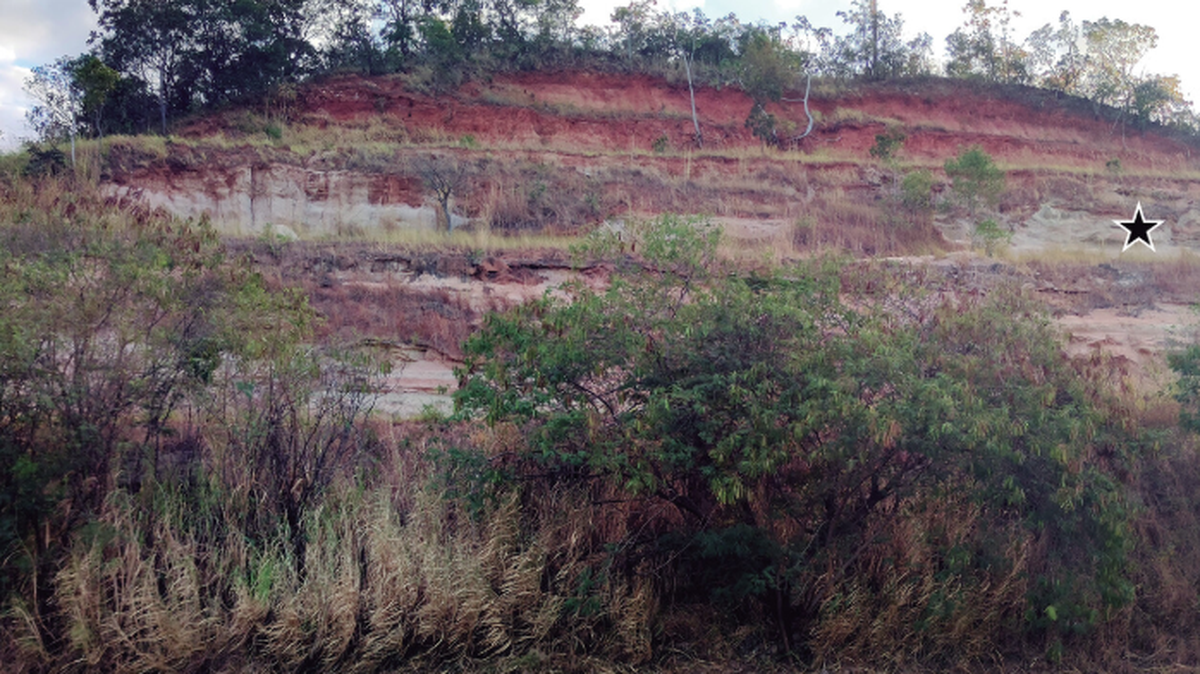
As scientist Ariovaldo Giaretta was exploring the Serra Da Galga Geosite in Brazil, he noticed a chunk of rock that had recently rolled off the stone face.
The piece looked like it had fallen from a few feet above and to the side from where it now sat, and Giaretta thought it may have even been dislodged from the area he was previously excavating.
The rock had no signs of weathering, so it hadn’t been exposed to the elements for very long, if at all, and as Giaretta took a closer look, he noticed something trapped in the sediment.
It was a fossil — and a species new to science.
The fossil was identified as a “tridimensional partial rostrum” fragment, or the part of an upper jaw close to the tip, or end, of a prehistoric animal, according to a study published Sept. 23 in the peer-reviewed journal Papers in Palaeontology.
The piece was enough to identify the prehistoric animal as a species of pterosaur, flying reptiles that ranged in size from modern-day birds to small airplanes.
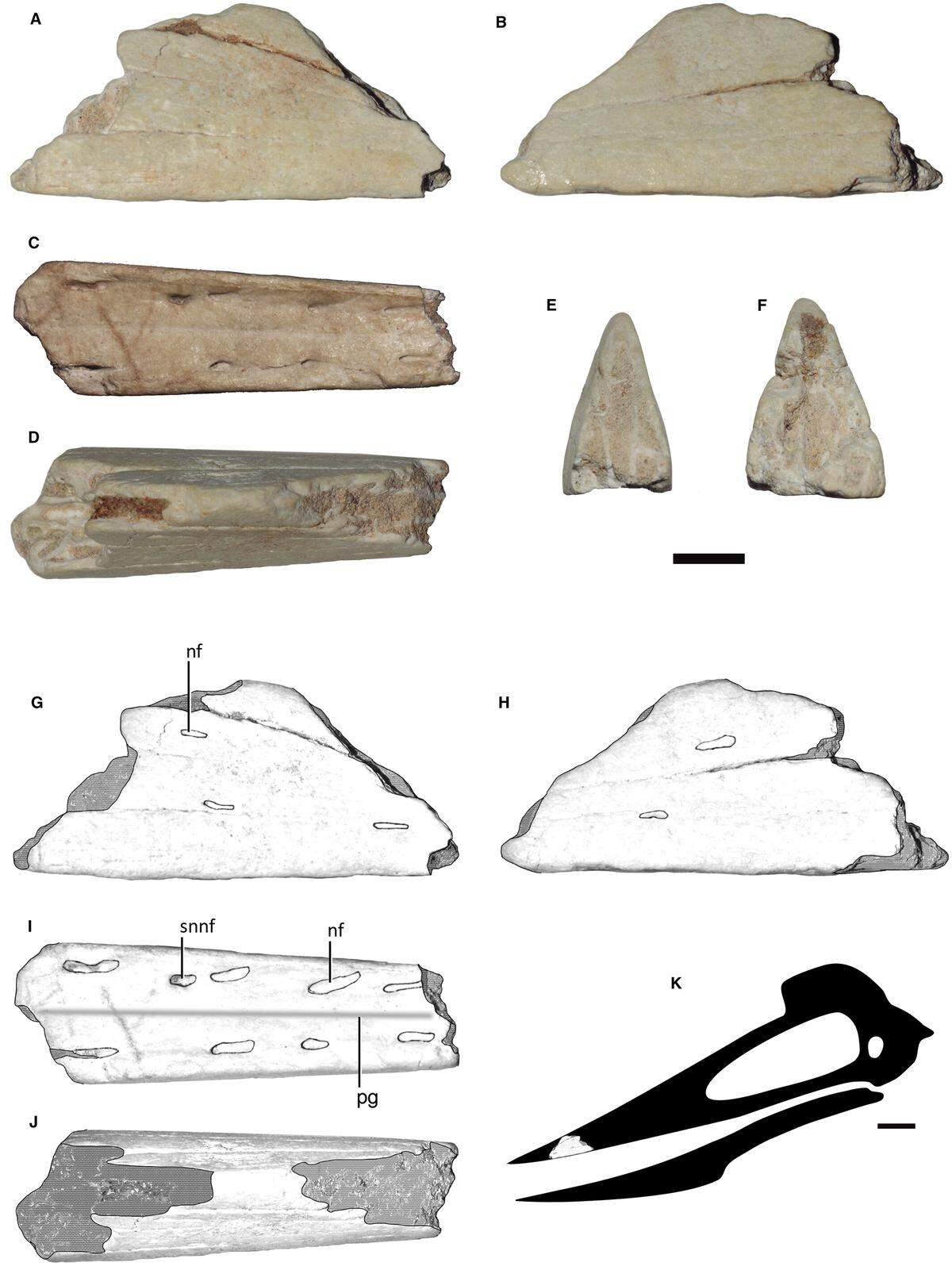
The new species was named Galgadraco zephyrius, according to the study.
The genus name, Galgadraco, refers to the geological formation where it was found, and the Latin word for “dragon,” commonly used to identify pterosaurs.
The species name comes from Zéphuros, the Greek mythology “personification of the west wind,” researchers said.
With such a small fossilized piece, researchers had to compare the bone to other species to estimate how large the animal might have been.
The piece similarly matches the species Albadraco tharmisensis, the size of which was determined based on fossilized vertebrae, according to the study.
The two pterosaurs “seem to represent rostrum fragments of similar anatomical position and are of similar preserved size, suggesting that these two specimens represent individuals of similar body size,” researchers said.
The new species, therefore, is considered a “medium-to-large pterosaur,” with a wingspan between 13 and 16 feet, according to the study.
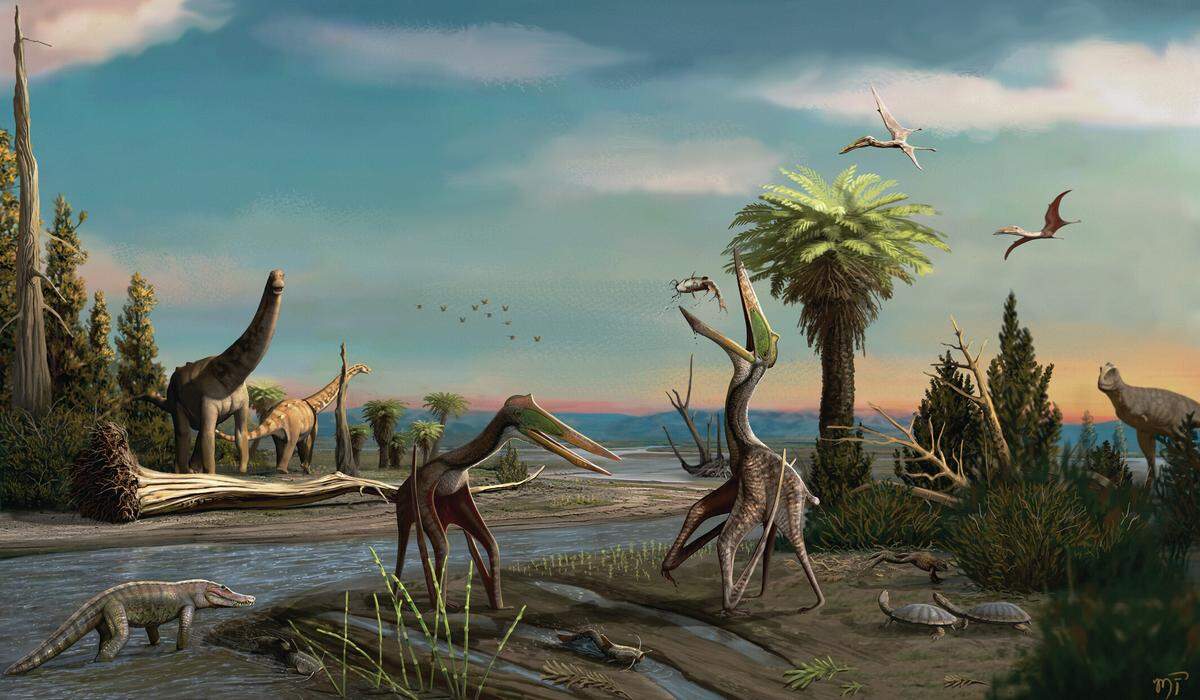
Pterosaurs were prehistoric predators that dominated the skies with pointed snouts that could catch prey on the move or from the water, according to National Geographic.
“Pterosaurs were just the coolest things that were ever in the air,” University of California, Berkeley, paleontologist Kevin Padian told the outlet. “They were the first vertebrates to fly. They did it long before birds and bats. And in terms of size, they pushed the envelope as far as it could go for a flying animal.”
The fossil also “represents the long-expected first pterosaur specimen from the well-studied and diverse Bauru Group (Upper Cretaceous of Brazil),” researchers said. More specifically, this fossil is from the “uppermost Maastrichtian” layer of the geosite.
The Upper Cretaceous period, or late Cretaceous, represented the last true age of dinosaurs, stretching from about 100 million years ago to their extinction 66 million years ago. The Maastrichtian was the youngest geological layer of this period, dating between 72 and 66 million years ago.
Paleontological excavations at this site have previously been fruitful, according to the study, with animals ranging from mollusks to iguanian lizards to dinosaur giants like titanosaurs discovered buried in the sediment.
The Serra da Galga Formation is in south-central Brazil.
The research team includes Giaretta, Bruno A. Navarro, Thiago S. Marinho and R. Vargas Pêgas.
This story was originally published September 26, 2025 at 12:21 PM with the headline "Prehistoric predator — dragon of the west wind — found in rolling chunk of rock."