Customers unhappy that SC wastewater utility wants to increase its rates
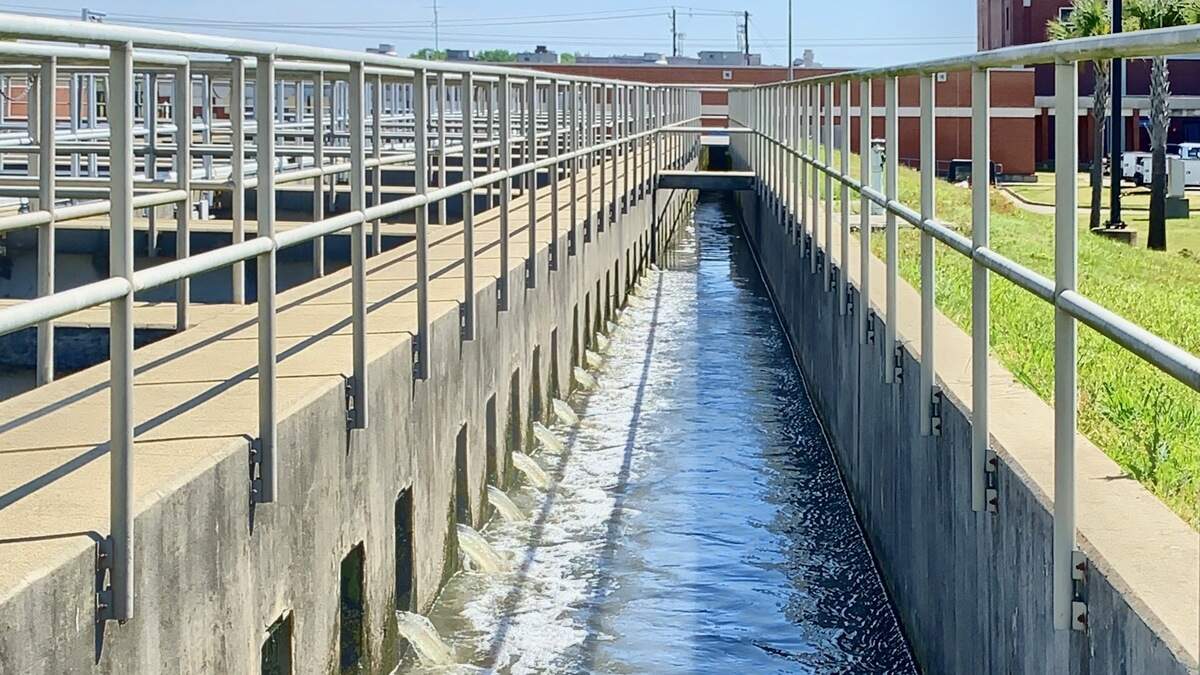
Customers of a wastewater utility which received an increase three years ago are objecting to a proposed hike to their sanitary sewer rates, currently under consideration by state regulators.
The Public Service Commission is weighing a request from Palmetto Utilities to increase its flat sewer service rate from $52.10 a month to $66.62 a month, a 27% increase, over the course of three years. The commission is scheduled to hear arguments on the proposal on June 30 and is expected to make a decision sometime this summer, said PSC spokesman Rob Bockman.
The wastewater sewer utility serves 28,000 residential and commercial customers in Richland and Kershaw counties. The utility faced similar blow back from customers in 2017 when it requested an increase from its monthly flat rate of $36.50 to $68.05. Ultimately customers ended up paying $52.10 a month.
About 35 ratepayers upset with the proposed increase aired their opinions during a virtual public hearing Monday evening.
Customers complained about the proposed increase, saying asking ratepayers to pay more now is wrong because of the ongoing COVID-19 pandemic and the economic struggles it has caused, including increased unemployment.
“Why do they have to increase the rates now in this difficult time,” said Sabine McFadden, of Columbia. “Do I have to get a third job to be able to pay my sewer bills? It’s just ridiculous the rate increase at this time of crisis in South Carolina.”
The rate increase was filed in November, several months before the start of the pandemic.
Customers also criticized Palmetto’s use of a flat fee for sewer service, no matter the size of the household. It was a concern brought up by Avan and Liza Chaplin, of Blythewood, who live in their two-person household and objected to paying the same amount for sewer service as a household that has more people.
“We don’t consume the same amount of water, so we feel like it’s unfair,” Liza Chaplin said. “We are overpaying, being overcharged for something that is not being used.”
However, the use of flat rates is common for sewer utilities that don’t provide potable water service. Sewer utilities don’t have a way to meter how much water goes down a drain. Companies that provide both drinking water and wastewater utilities are able to meter water consumption, and use that information to determine wastewater usage, said Dawn Hipp, the chief operating officer of the Office of Regulatory Staff.
After this rate case is concluded, Palmetto Utilities is willing to consider a switch to consumption-based billing.
“(Palmetto Utilities) intends to take the necessary information to the PSC and ask that they approve a volumetric design,” said spokeswoman Andrena Powell-Baker in an email. “As a utility, if this helps our customers, we are good with it. Honestly, we are indifferent.”
Recouping costs
Palmetto Utilities last requested a rate increase in 2017. The company has made about $80 million in investments into the system, according to its website.
Defending the rate hike, the company says it has improved the Spears Creek Wastewater Treatment Plant to meet stricter environmental rules and constructed a new pipeline to connect Palmetto Richland County customers to the Spears Creek Wastewater Treatment Plant and to serve Palmetto Utilities customers, among making other investments.
Since its last rate increase, Palmetto Utilities has spent $11.4 million on capital expenditures, Powell-Baker said.
“The company has been absorbing these increased operating expenses since that time, but it must now begin to recover the expenses,” the company said on its website.
The sewer utility wants to increase rates by $14.52 a month. The company has proposed phasing the increase over three years, by increasing monthly rates by $4.84 a month each year.
Palmetto Utilities expects the increase would bring in $5.9 million a year once the full increase is phased in.
The Office of Regulatory Staff, a state agency that advocates for customers during requests for new rates from regulated utilities, has objected to the size of the increase and said it believes rates for Palmetto Utilities should be only be as high as $57.38 a month.
At issue is whether Palmetto Utilities customers should have to pay the company to recover the cost of its $18 million sewer utility purchase from the City of Columbia in 2013.
ORS argues customers should only pay for the $1.29 million worth of improvements made by Columbia to the system, which was first donated to the city by a developer.
“Customers shouldn’t be subject to higher rates for (a system) the city never paid for,” Hipp said.
Palmetto Utilities said the system has been valued at $18 million, said Powell-Baker. The issue of the sewer purchase also had been deferred from the previous rate case.
Powell-Baker added, customers have saved $8.9 million due to lower rates since the purchase of the system. .
State Sen. Mia McLeod, D-Richland, spoke out against the increase, saying the utility could have withdrawn its request or delayed it amid the pandemic and said the company had an increase approved three years ago.
“I didn’t think they would come back three years later and certainly not during a global pandemic,” McLeod recently told The State “We don’t know how long we’re going to be in this pandemic. We have lot of work ahead and a lot of uncertainty ahead.”
In March, the PSC delayed proceedings on the rate case for 60 days at the company’s request because of the ongoing pandemic.
“They have done what they could have done absent of withdrawing case,” Hipp said.
Palmetto Utilities said it has suspended late fees and disconnections during the pandemic in order to help customers.
“Even before the governor requested that we do so, the company ceased delinquent payment disconnections, late payment charges, and certified letter fees,” Powell-Baker said. “We continue to do that and will until the COVID-19 emergency ends.”
This story was originally published June 25, 2020 at 2:05 PM.