SC utilities least able to fix drinking water woes could take back seat to big systems
With hundreds of millions of federal dollars available to fix South Carolina’s crumbling water and sewer systems, questions have surfaced about whether small, needy utilities would lose out to big systems when the money is allocated.
State Rep. Gilda Cobb-Hunter, D-Orangeburg, took aim Thursday at a state agency’s plan to give big utilities 60% of incoming federal money for water and sewer upgrades. Small utilities would get 40%.
“In my view, it should be reversed,’’ Cobb-Hunter said. “Small utilities should have the bulk of this funding.’’
The proposal, offered during a legislative meeting by the state Rural Infrastructure Authority, sparked concerns because many small water and sewer systems are considered most in need of help when compared to large utilities.
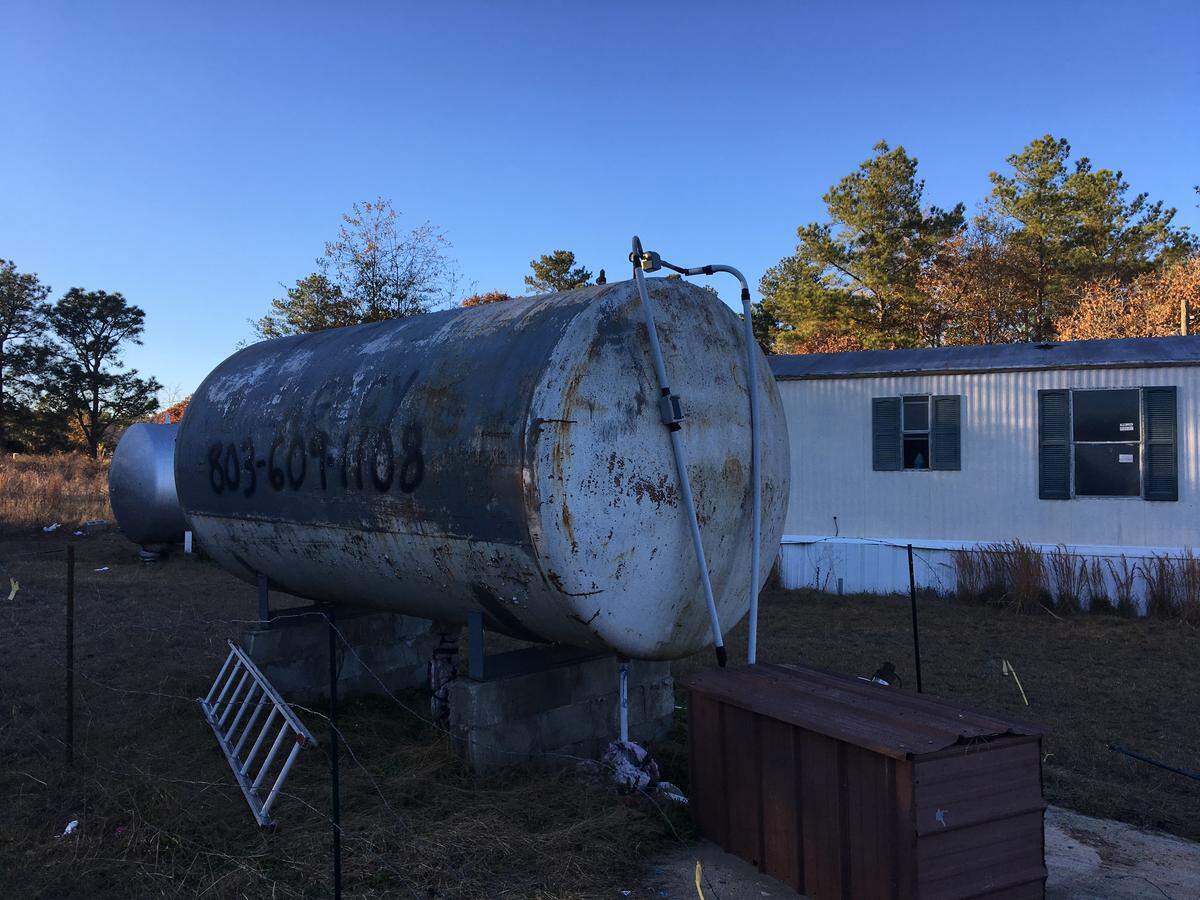
Many small systems can’t afford to pay for improvements that would make drinking water safer and keep pollution out of rivers. With limited staff, they also have difficulty seeking government grants and loans that could help out.
While big utilities have aging pipes and need money, many of them have large customer bases that give them some ability to fix basic problems, unlike small systems.
The State chronicled many of these problems in a series of stories about the troubles small utilities have providing clean drinking water. The newspaper found an array of problems with small water systems, including disease-carrying bacteria, cancer-causing chemicals, toxic nitrates and brain-damaging metals in some smaller systems.
Although more than 3 million people get their drinking water from large public water systems, about 800,000 are customers of small utilities, The State reported in 2019.
During Thursday’s meeting, Cobb-Hunter also questioned the Infrastructure Authority’s plan to require utilities to put up some money to fix water pipes as a condition of getting a grant. Not all small utilities have money to match available grants, she said.
She wants more flexibility built into the plan so that cash-strapped utilities can get federal money without putting up matching dollars, or at least the amount proposed by the Rural Infrastructure Authority. The authority proposed requiring small systems to put up matching money of 15%.
“It ought to be based on the capacity of the community to come up with the match,’’ she said after the meeting. “It ought to be flexible.’’
Up for discussion Thursday was how to allocate as much as $900 million in federal money available to South Carolina for water and sewer projects through the American Rescue Plan, a $1.9 trillion federal stimulus bill approved last year.
Gov. Henry McMaster has advocated spending at least $500 million in rescue plan money on water, sewer and stormwater projects.
But that must be approved by the Legislature.
Small systems ‘have the greatest needs’
Lawmakers have discretion to spend about $2.5 billion, according to the governor’s office. Legislation introduced in the Senate will be debated this year and the Rural Infrastructure Authority plan will be discussed.
Bonnie Ammons, director of the Rural Infrastructure Authority, said her agency came up with the plan to provide 60% of the money to large systems because so many people depend on them.
“Larger systems serve a greater portion of the state’s population and have a greater capacity to leverage funds,’’ Ammons told the committee.
Those systems serve 30,000 people or more.
South Carolina has three-dozen systems in that category. Among the state’s largest water and sewer utilities are those in Columbia, Charleston and Greenville.
Still, Ammons said she understood Cobb-Hunter’s concerns. Small systems “have the greatest needs with larger portions of their system being old and outdated,’’ Ammons said.
All told, the state has more than 250 systems that serve fewer than 30,000 people.
The Rural Infrastructure Authority’s plan also includes providing grant money for the smallest systems to assess their needs and money to consolidate some struggling systems, an effort some regional planners say achieves economies of scale.
South Carolina, like other states, has struggled for years to update aging and outdated water and sewer systems. Pipes in many places have been in the ground for a century and are beginning to fall apart.
The state’s plight caught the attention of President Joe Biden while he was campaigning for the nation’s top office, as well as Kamala Harris, who ran against Biden and later became vice president.
Estimates on how much South Carolina needs to resolve water and sewer system shortcomings vary.
Ammons said a recent survey showed the state had nearly $2 billion in needs.
This story was originally published January 21, 2022 at 5:00 AM.