Alzheimer’s cases are rising. Here’s what SC lawmakers want to do about it
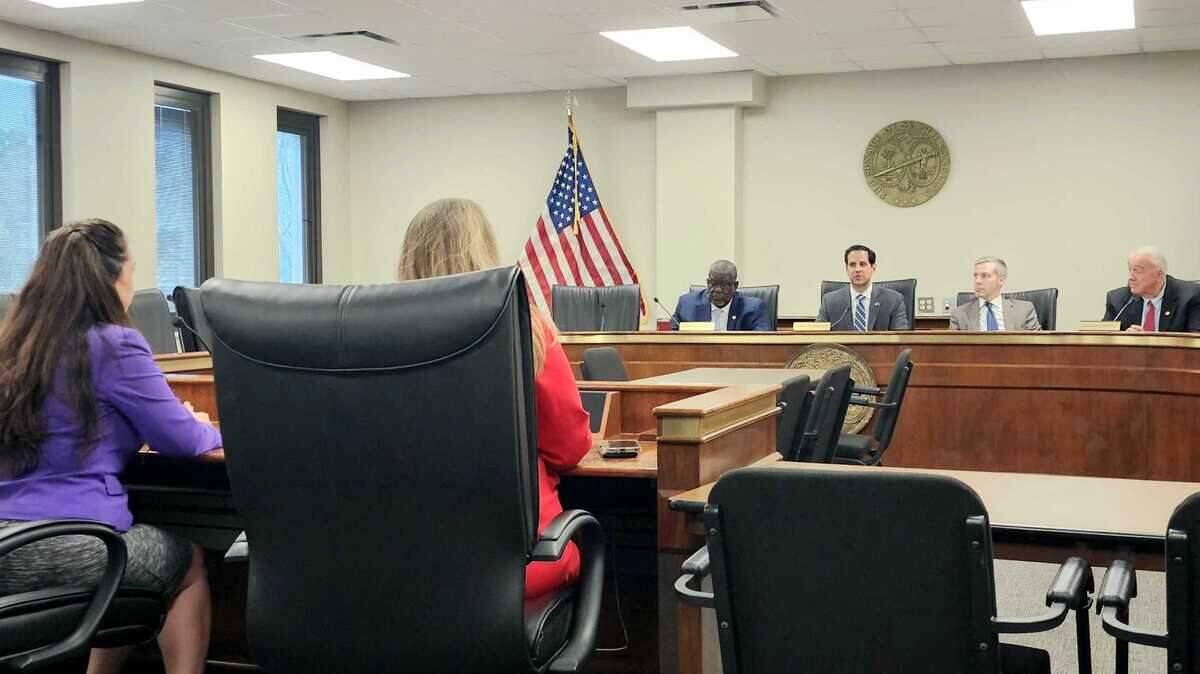
South Carolina lawmakers are looking to tackle the rising number of residents living with Alzheimer’s and other forms of dementia by using a new strategy.
A Senate panel approved a bill that would create a statewide plan designed to address what some experts call a dementia crisis in South Carolina. The plan would be created by the advisory council of the Alzheimer’s Resource Coordination Center, which would implement it. The council would be required to update the blueprint every five years.
“New strategies must be developed to ensure access to early detection, accurate diagnosis, improved health care access, risk reduction campaigns, and being a presence in the dementia research space,” said Taylor Wilson, director of government affairs at the Alzheimer’s Association.
An estimated 120,000 South Carolinians 65 years old and older will be living with Alzheimer’s by 2025, up from the current 95,000, according to the Alzheimer’s Association’s latest report on Alzheimer’s Disease Facts and Figures. The rapid growth is expected to place more strain on an already overburdened health care system, some experts say.
“Dementia is a large and growing public health crisis for South Carolina with growing prevalence paired with an extreme lack of specialists and a dearth of research and clinical trial opportunities,” Wilson said. “This places even more pressure on an already taxed health care system that is ill equipped to serve the unique needs of people facing dementia.”
Only 66 geriatricians practice in South Carolina, according to Wilson. These are doctors who specialize in the population most at risk for dementia.
“To meet the demand (of those seeking treatment), an increase of (doctors by) 336% would be necessary,” Wilson said.
South Carolina is one of 20 states that are deemed “dementia neurology deserts,” meaning that fewer than 10 neurologists will be available per 10,000 people with dementia by 2025. Similarly, almost every state, including South Carolina, needs to double the number of direct care workers to meet anticipated demand by 2028, according to the Alzheimer’s Association’s report.
The state’s last statewide plan to address Alzheimer’s was created in 2009. Since then, researchers have gone from being able to only diagnose Alzheimer’s with an autopsy to now being able to give three different scans to confirm if a patient is living with the disease, Wilson said.
Connelly-Anne Ragley, legislative liaison for the state Department of Social Services, said her agency has seen extreme cases of caregivers needing help as they care for family members living with Alzheimer’s.
“We have seen cases where adults have been tied to chairs, where they have been padlocked into their homes because family members don’t know how to care for them,” Ragley said. “Family members are afraid that they’re going to get out during the day, and family members have no other resources to care for that individual.”
Ragley added that she believes the new statewide plan would help inform more people about the disease while providing more tools and resources for caregivers.
“We are hopeful that this updated state plan, and updating it every five years … is really going to take into account some of the changes that we see in the landscape and dealing with the treatment of Alzheimer’s and related dementias,” Ragley said.
The proposal mandates that the council submit an annual report to the governor and General Assembly apprising them of the plan’s progress by Sept. 30.
Wilson said she and her team at the Alzheimer’s Resource Coordination Center are ready to undertake the job and will have the first updated plan completed by the fall deadline.
“This means so much to me,” said state Sen. Katrina Shealy, R-Lexington, whose husband suffers from Alzheimer’s. “The more help we can get for people with Alzheimer’s and dementia-related disease and caregivers, the better.”