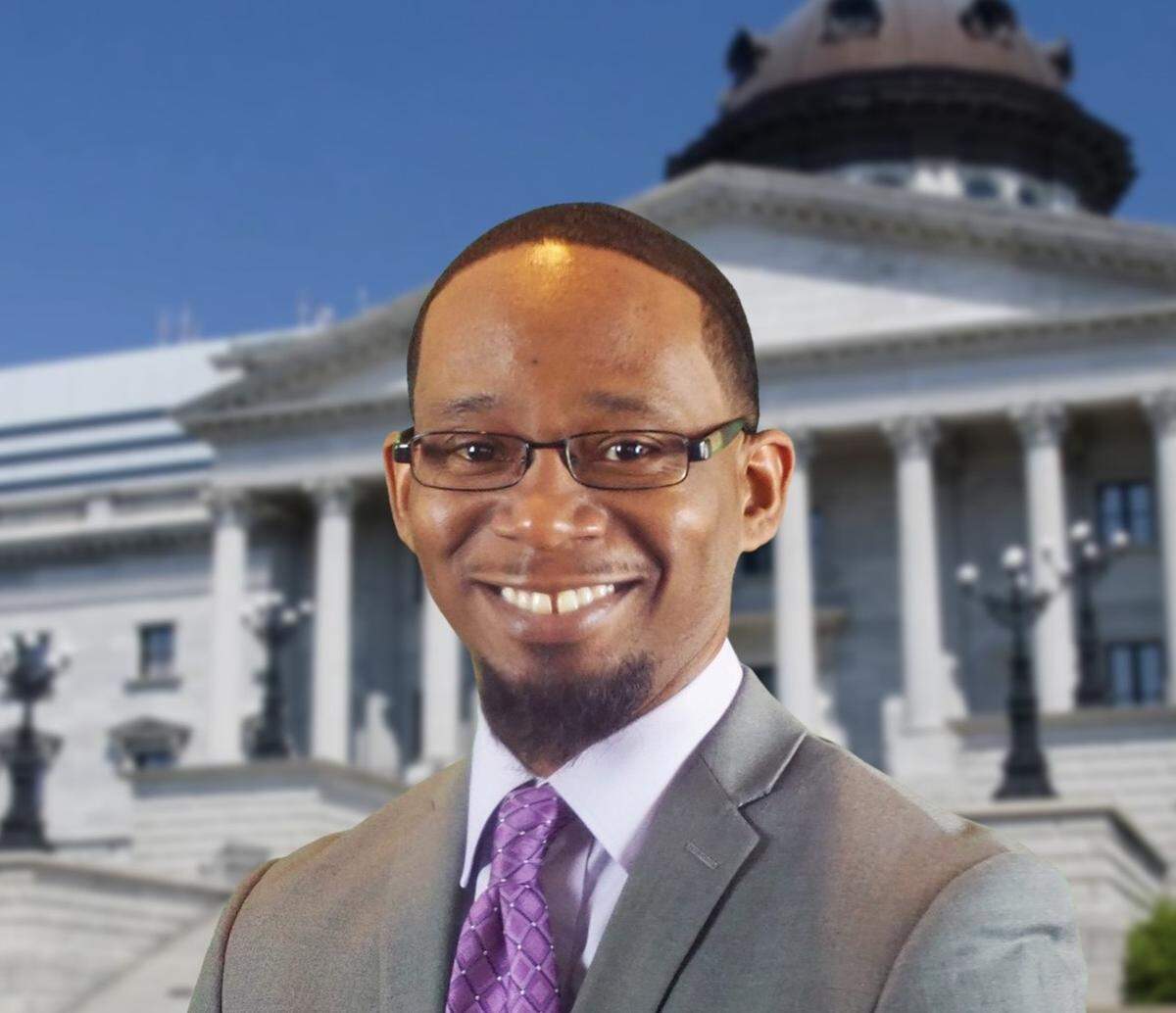
SC House again passes hate crimes bill named after senator killed in racist attack
In another attempt, the South Carolina House on Wednesday passed hate crimes legislation nearly eight years after a white supremacist killed nine Black church parishioners.
Named after pastor and Sen. Clementa Pinckney, one of the nine churchgoers killed in 2015 at Charleston’s historic Emanuel AME Church, the bill passed the House 84-31 on Wednesday, nearly two years after the lower chamber passed a similar measure that stalled and died in the Senate.
The bill, H. 3014, tacks on additional penalties against anyone who commits a violent crime against a person based on their race, color, religion, sex, gender, national origin, sexual orientation, or physical or mental disability.
South Carolina and Wyoming are the only two states without a hate crimes law.
After the House passed the bill, lead sponsor state Rep. Wendell Gilliard pushed the Senate to do the same.
“This bill will tell the state and the world that we are one in South Carolina,” said Gilliard, D-Charleston. “We stand for progress and unity, and we are here today to encourage everybody to contact their state senator and ask them to support the hate crime bill.”
Gilliard’s efforts made serious headway two years ago after the murder of George Floyd, whose death while in police custody sparked national outrage and protests, including in Columbia. Backed by a handful of companies and some 80 business leaders, the South Carolina Chamber of Commerce endorsed the legislation, and the Republican-controlled House voted to approve it.
However, after the bill failed to clear the Senate, this year the chamber removed the bill as a standalone from atop its priority list and instead consolidated the measure under a new legislative priority, economic competitiveness.
A handful of Republican legislators pushed their House colleagues Wednesday to pass the bill despite push back within their own party.
“If you are a white person or a brown person or a Black person who’s murdered because of your color, this (bill) would apply only after the defendant has been convicted of that murder,” said state Rep. Jason Elliott, an openly gay Republican legislator from Greenville. “The same would apply if you’re a Christian and you’re victimized.”
Others tried to tweak the bill to expand who counts as a protected class.
“I know there’s been tweets that go around saying how bigoted it is to oppose a hate crimes bill,” state Rep. Josiah Magnuson, R-Spartanburg, said. “We had a representative from my side of the aisle, a Republican representative that indicated that essentially to oppose this bill means that you think it’s OK to kill, maim or burn down somebody’s house in one of these protected classes.”
“Is that what somebody like me is saying, by speaking out against the hate crimes bill? Absolutely not. That would be terrible,” Magnuson added.
Democratic and Republican lawmakers criticized those efforts to expand, including one proposal by Magnuson to include a person’s hair color as a protected class. Magnuson has red hair.
“I want us to take a serious approach to this hate crimes bill,” said pastor and state Rep. Richie Yow, R-Chesterfield, who did not vote on the bill due to an excuse absence. “Are we doing it for political gain or personal gain? If we’re doing it for any of those, we’re wrong.”