SC drivers have paid an additional $1B in gas tax. What do our roads have to show for it?
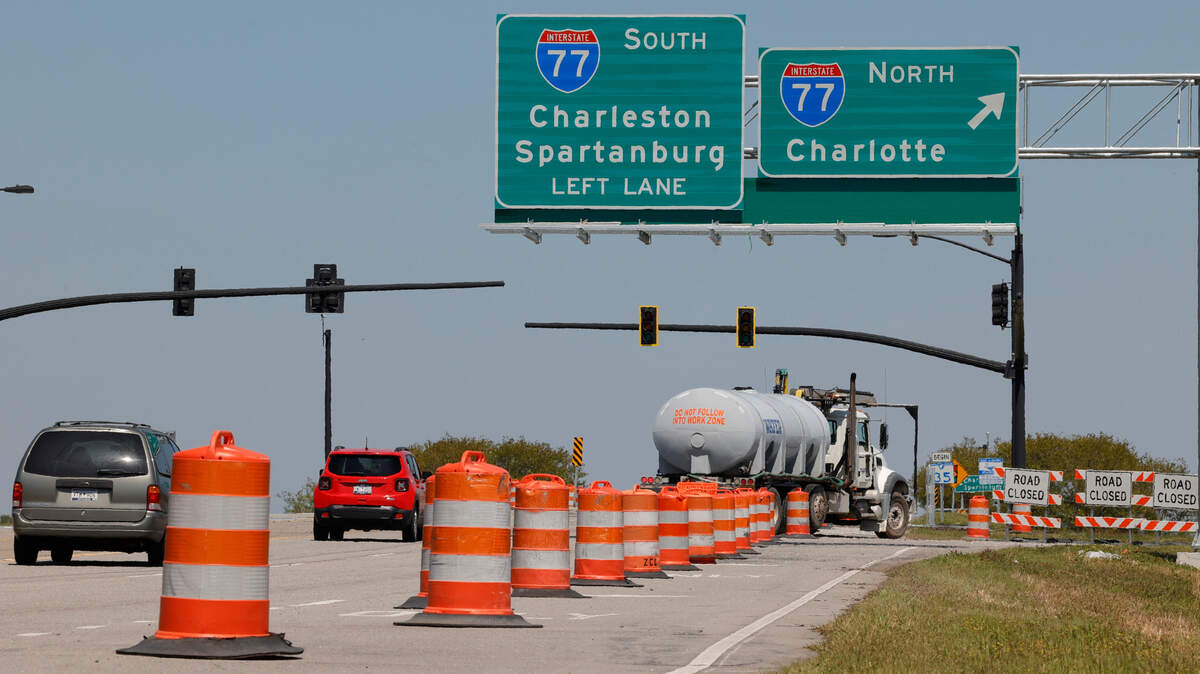
Smoother roads, additional lanes and bridge repairs are just some of the improvements being made to South Carolina’s infrastructure, state officials say, thanks, in part, to a $1 billion gas tax drivers began paying nearly six years ago.
Last year marked the sixth and final consecutive year of increases for the state’s motor fuel user fee, which rose from $0.16 to $0.28 a gallon to help fund road maintenance and upgrades. The final increase, which went into effect last July, took the tax from $0.26 to $0.28 a gallon.
The increased taxes have raised $1.2 billion to date in additional revenue for the South Carolina Department of Transportation.
“These dollars really are setting the stage for a transformational investment in South Carolina’s infrastructure,” said Justin Powell, chief of staff for the transportation department.
It took years of efforts in the overwhelmingly Republican, tax-averse State House to ultimately pass a law raising the state’s gas tax, which for years was among the lowest in the nation. The aim was to raise funds to fix the state’s crumbling roads. Gov. Henry McMaster, newly in office at the time of the debates, was among the opponents of increasing the gas tax.
In 2017, lawmakers passed Act 40, which created several new revenue streams for the transportation department, including the increased gas tax, registration and road use fees. The law has helped the department rake in $3.3 billion in increased revenues to date.
Of that amount, the department has spent $1.9 billion on improvement projects, with another $3.3 billion committed to pending or future work.
Committed projects include interstate widening, pavements, rural road safety and bridges.
So far, the state has improved more than 700 miles of rural roads by widening shoulders and adding features such as rumble strips. Work on replacing 300 bridges and improving more than 80 miles of interstate is also underway.
At $2.7 billion, pavements have received the largest investment, resulting in over 7,314 miles of pavement completed since 2017, with 981 miles completed this fiscal year, which runs from July 1 to June 30, Powell said. South Carolina has 41,000 miles of road.
In Richland County, over 300 miles of improvements have been completed in pavements and rural road safety at nearly $110 million, according to transportation officials.
Tony Cox, chairman of the state transportation commission, said South Carolina’s population growth has expedited the need for infrastructural upgrades.
“This kind of growth doesn’t come without challenges, especially for our infrastructure,” Cox said. “SCDOT has increased construction work from approximately $1 billion in 2011 to almost $5 billion today to try and meet that growth. This is a tremendous increase that will help us make significant improvements to our roads and bridges across the state.”
Other improvements in Lexington County include widening an 11-mile stretch of Interstate 20.
Last summer, “six new concrete lanes were built including widening each travel direction of I-20 from two to three lanes from mile marker 60.6 west of U.S. 378 to mile marker 49.8, west of Longs Pond Road,” SCDOT tweeted. “A new bridge was built over the Norfolk Southern Railroad Line.”
The state maintains approximately 8,500 miles of road across the state. Of those, 301 miles have seen construction since 2017, including 46 miles this fiscal year, according to Powell.
Powell said rural roads throughout the state, in particular, have received a considerable investment.
“What we’ve identified is that there are basically 5% of our rural roads where approximately 30% of fatalities occurred, so we are focusing our efforts and energies into that,” Powell said, adding that South Carolina has the highest rate of car fatalities in the country.
While the gasoline tax has helped to improve the state’s infrastructure, it hasn’t been free of criticism.
Last year, there was some talk in the state Legislature about suspending the gasoline tax to help motorists as fuel costs began to spike. However, the idea was opposed by transportation officials and others and was soon quashed.
“We’ve really been able to make a tremendous amount of progress, and it’s really thanks to the trust that the General Assembly placed in the department ... to try and make our transportation system better,” Powell said.
This story was originally published June 25, 2023 at 6:00 AM.