
SC’s chief prosecutor steps in to defend Tennessee drag show law in court dispute
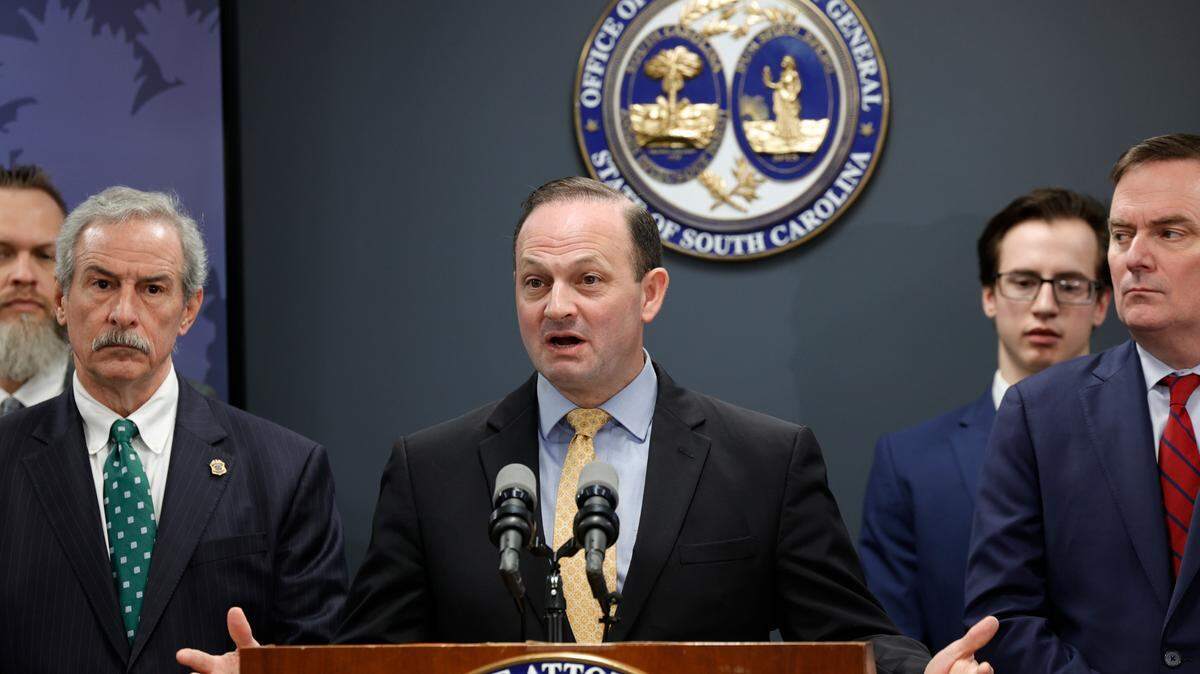
South Carolina’s Attorney General Alan Wilson has filed a legal brief leading 17 other states in support of Tennessee’s Adult Entertainment Act (AEA), which restricts where drag performers can be, after the law was ruled unconstitutional by a court in that state in June.
Wilson, along with support from Alabama, Alaska, Florida, Georgia, Idaho, Indiana, Iowa, Louisiana, Mississippi, Missouri, Montana, Nebraska, North Dakota, Texas, Utah, Virginia, and West Virginia filed an amicus brief Tuesday to support the appeal of the ruling that the AEA was unconstitutional.
In February, Tennessee Gov. Bill Lee signed the Adult Entertainment Act, which bans drag performances and shows in public or where children are present. Offenders could face up to a year in prison and/or a fine of up to $2,500, and repeat offenders could face prison sentences up to six years.
In March, U.S. District Judge Thomas Parker temporarily blocked the law and then ruled it as unconstitutional in June.
Tennessee has been the leader on the issue, as multiple states also have pushed or are pursuing drag performance restrictions or bans.
In a news release Wednesday morning, Wilson said, “Contrary to what its critics say, the (Tennessee) law does not ban drag shows. By its own terms, the AEA applies only to certain forms of adult entertainment that are sexual or explicit performances, and the law does not even ban those performances. It simply requires this type of adult entertainment to occur in adult-only zones and prohibits such entertainment on public property.”
The February law was passed alongside other legislation affecting the LGBTQ+ community that bans gender affirming care for minors.
Wilson’s legal brief supporting the appeal of the Tennessee court ruling reads, in part, “… The district court disregarded decades of precedent that respects the role of legislatures—and state legislatures in particular—in shaping public policy. The Tennessee legislature did not act with an impermissible purpose, and the Court’s holding to the contrary undermines basic principles of separation of powers. The judgment of the district court should be reversed.”
The Tennessee law is not the first effort of its kind. For decades, efforts to restrict gender expression have been pushed in public and private.
Wilson has routinely taken point in leading multistate legal efforts on Republican-based issues, including issues that do not involve his home state. For instance, he backed a lawsuit challenging Texas’ 2020 presidential election result, which Joe Biden won. The U.S. Supreme Court threw out that challenge.
This story was originally published August 30, 2023 at 10:34 AM.