A dash for dollars: How expensive could the race for this SC Senate seat get?
In a field of seven candidates seeking the late S.C. Sen. John Scott’s seat, four Democrats have jumped in, setting off a potentially pricey primary race for the Richland County Senate seat.
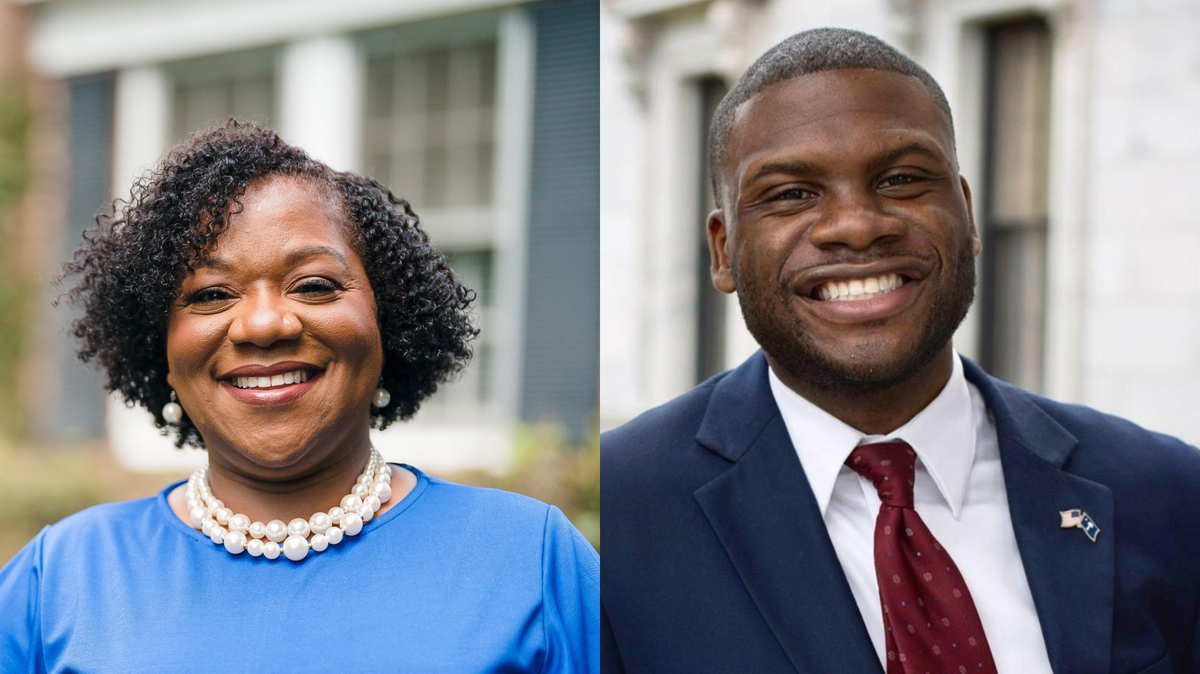
It’s possible that hundreds of thousands of dollars could be spent in a matter of weeks campaigning, as Democrats Johnnie Cordero, Tameika Isaac Devine, state Rep. Kambrell Garvin and Javar Juarez sprint to the Oct. 24 primary seeking the nomination in the heavily Democratic District 19, home to roughly 100,000 people.
If no candidate receives more than 50% of the vote, then the top two contenders will advance to a runoff on Nov. 7.
Whoever wins the Democratic nomination may be decided by who can raise the most money quickly. One candidate has estimated his campaign could need up to a quarter-million dollars to succeed in the election, while another candidate has a track record of raising and spending more than a half-million dollars in her last political race.
Because the district is heavily Democratic and Richland County has a tendency to reelect the same people over and over, the winner of that party’s nomination could ultimately wind up holding the Senate seat for a long time.
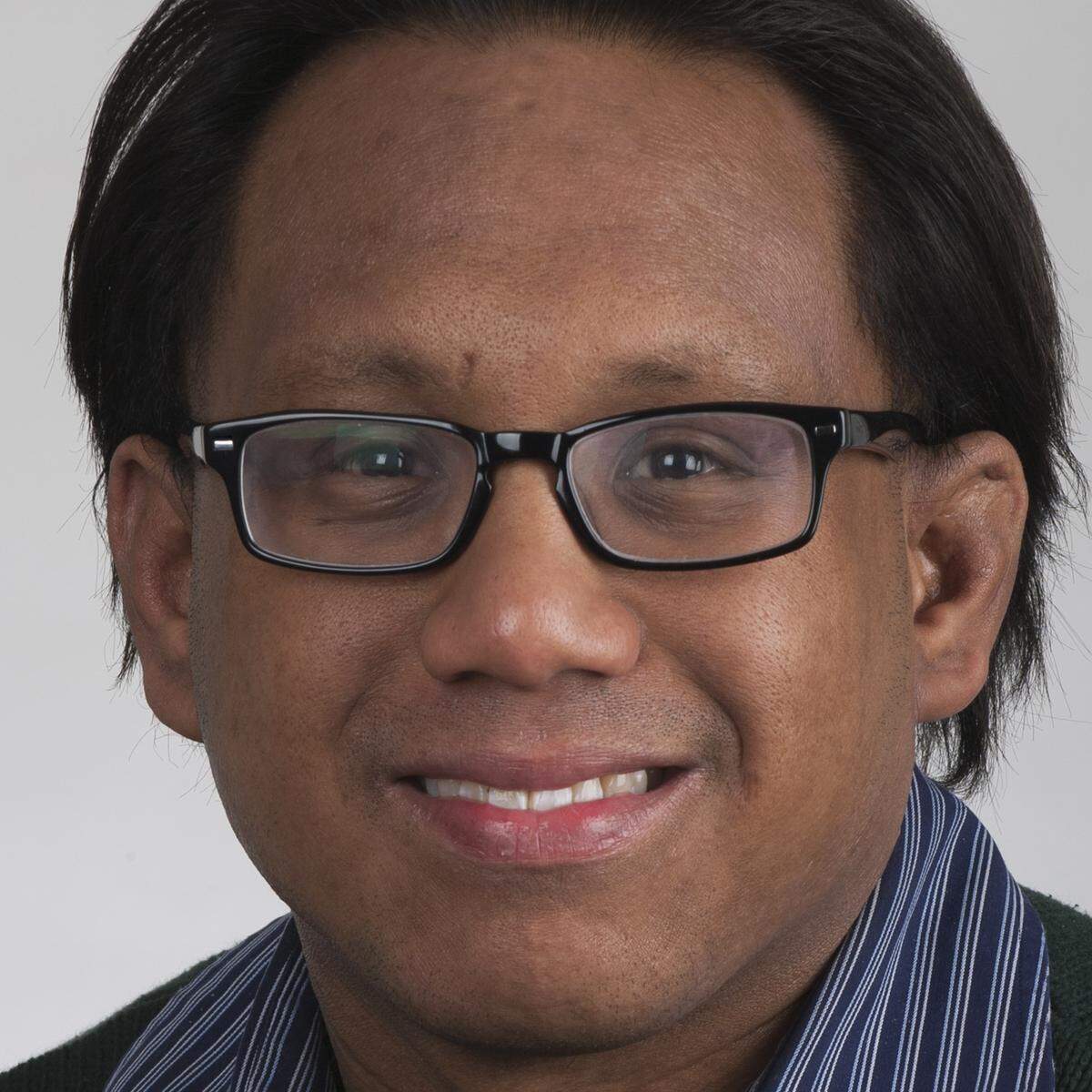
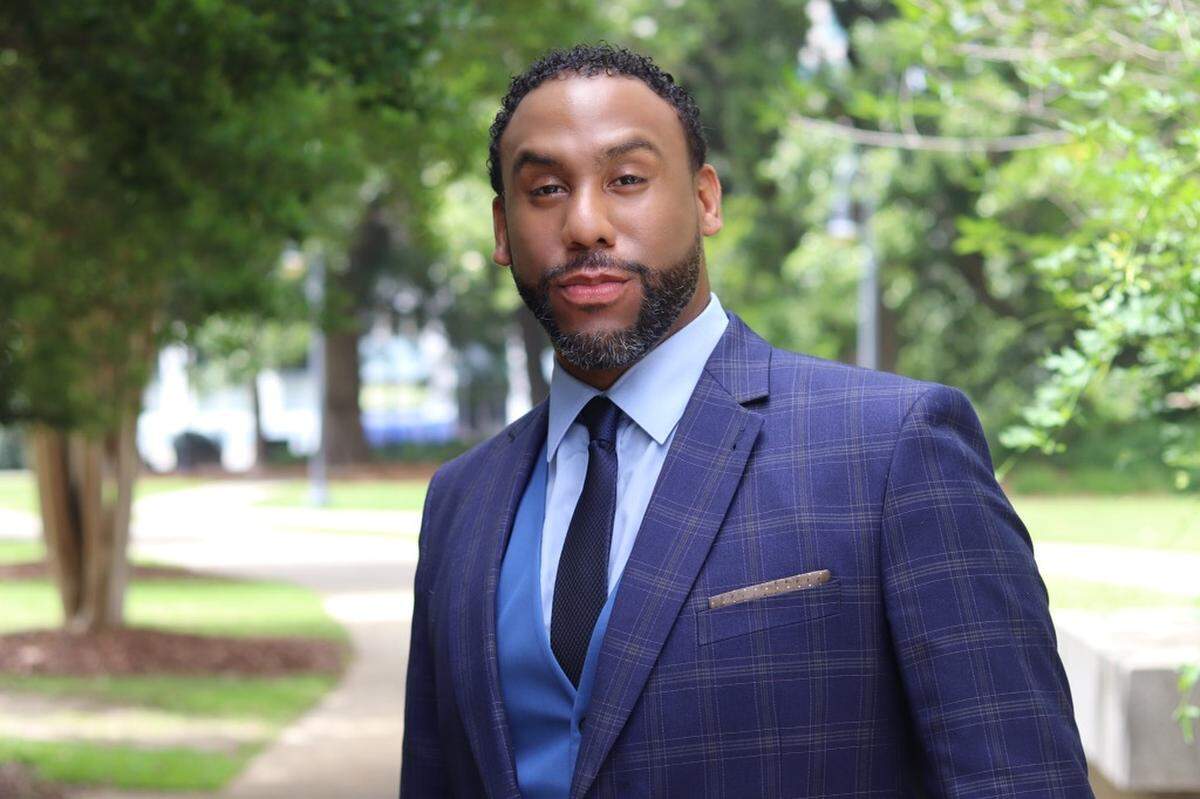
Cordero is a former S.C. Democratic Party Black caucus chairman, who also ran for party chairman in 2021 and has called himself a radical progressive. Devine, an attorney, is a former longtime Columbia city councilwoman who unsuccessfully ran for mayor in 2021. Garvin is an attorney who was elected to the S.C. House in 2018. Juarez is the senior director of the Broad River Business Alliance.
The winner of the Democratic nomination will have to go through a Jan. 2 general election as well.
Kizzie Smalls, of Blythewood, who ran for the House against Garvin in 2022, is the only Republican to file for the special election.
Chris Nelums, who ran unsuccessfully for state agriculture commissioner in 2022 as part of the United Citizens Party, also filed to run for the Senate seat. Michael A. Addison, of Columbia, who challenged U.S. Rep. Jim Clyburn, D-Santee, in the 2022 Democratic primary, filed to run as an Independent.
The race for campaign cash
House Minority Leader Todd Rutherford, D-Richland, said the Senate District 19 Democratic primary election will most likely be determined by who wins the cash contest.
“They’re going to raise as much money as they can as quickly as they can,” Rutherford said. “I firmly believe whoever raises the most money is who’s going to win.”
In special elections, campaigns need to spend a lot of cash not just to advocate for their candidates, but also to educate the public that an election is taking place on a nontraditional date and to remind voters to go to the polls, said Michael Mule, a partner at Surge Public Affairs.
That money is likely to go into television advertising and printed mailers.
“Do they need to get up on TV as soon as they can? Absolutely, especially with the (district) lines changing as much as they have since John Scott became a senator. A lot of people don’t know they live in his district,” Rutherford said.
The District 19 primary race may be expensive, judging by recent state Senate special elections primaries.
When Republican state Sen. Hugh Leatherman died in 2021 after holding his Florence County Senate seat for 40 years, Republicans spent hundreds of thousands of dollars in the race to replace him. State Rep. Jay Jordan raised $258,000 in that race but was unable to beat eventual state Sen. Mike Reichenbach, who spent more than $422,000 ahead of the primary, which included $100,000 of his own money and loans totaling $284,700, according ethics commission records.
This year in Senate District 42, where the primary election to replace Marlon Kimpson of Charleston County was Sept. 5, the Democratic candidates spent more than $118,000 through Aug. 14, ethics commission records show.
They had raised or borrowed nearly $264,000 altogether through Aug. 14.
Ultimately, Rutherford said he doubts the District 19 race will reach the spending levels of District 42 because of the short time frame and because the cost of the Columbia media market is much cheaper than the Charleston market.
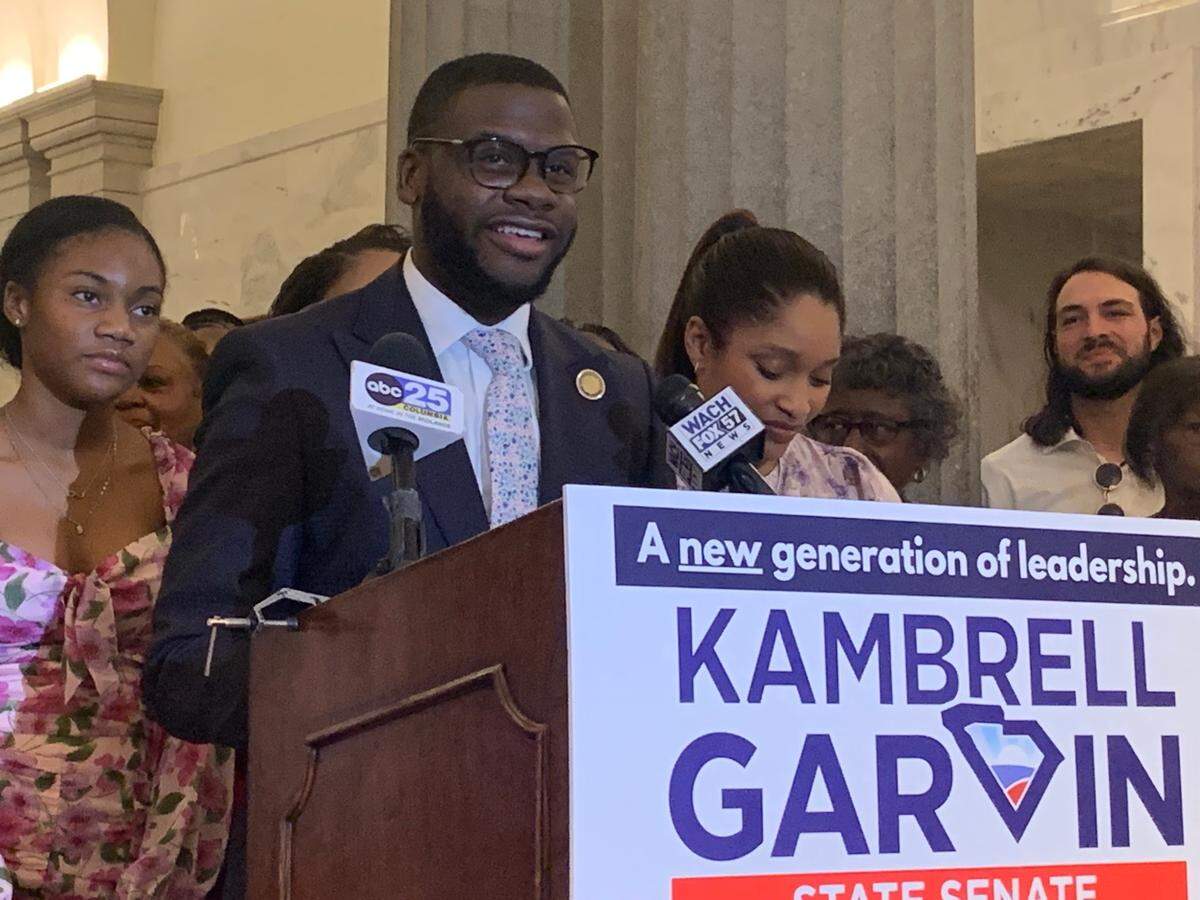
The candidates in the District 19 race, however, are preparing for a cash-heavy race. Garvin estimated the need for $150,000 to $250,000 for his campaign.
“It’s important that we get our message out to the over 100,000 (people) that live in Senate District 19,” Garvin said. “That’s going to require money. That money will go towards media. That money will go towards mailers. It’s not cheap to run a campaign of this size and this magnitude.”
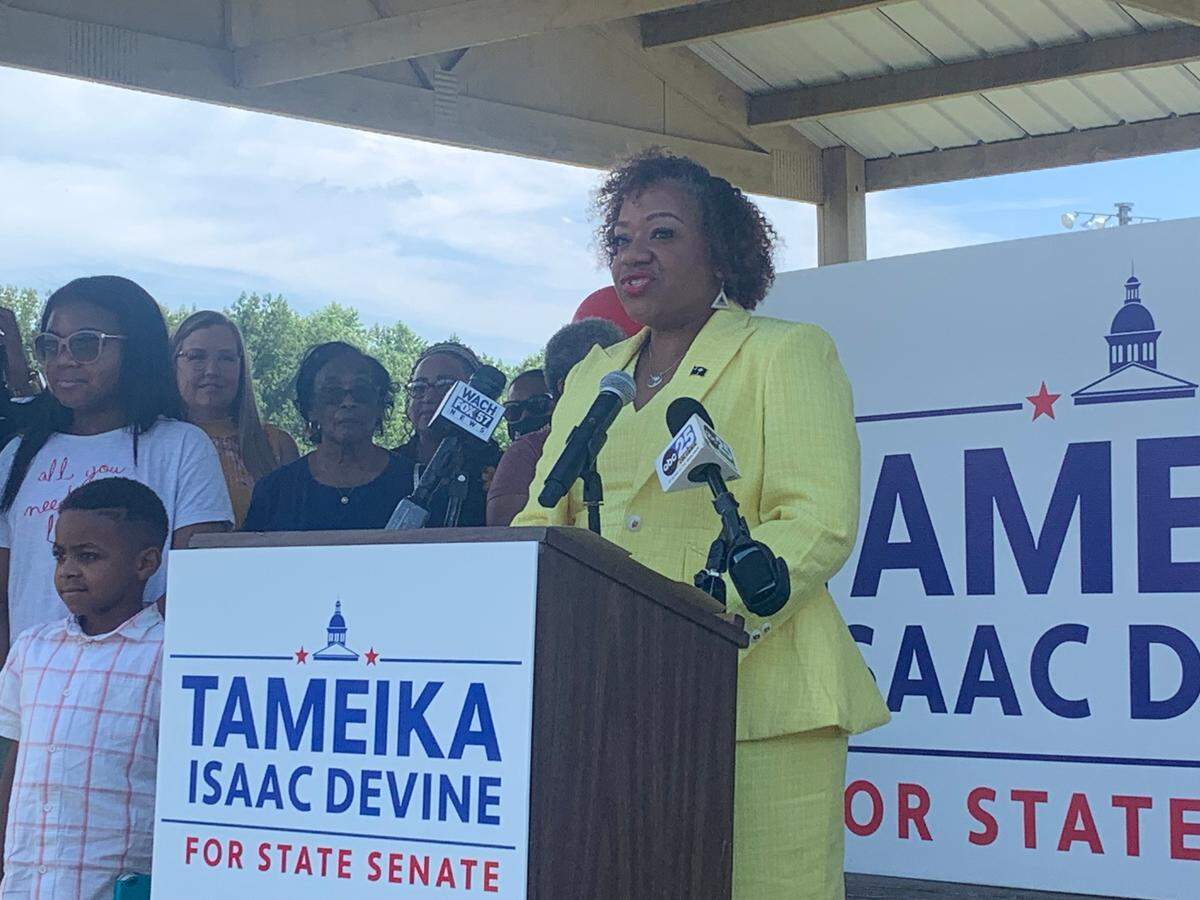
Devine has a network of supporters, as she served on the Columbia City Council for 20 years. And Devine, who ran for Columbia mayor in 2021, is a capable fundraiser. She brought in and spent more than $545,000 for that mayoral race.
She said she expects to raise enough money to be competitive in the race, but she would not disclose a specific dollar amount.
As she launched her campaign on a Tuesday afternoon at Meadowlake Park, Devine said a fundraising email went out to previous supporters.
“I am no stranger to hard work, and I know I have to raise money, and money is important,” Devine said. “So I will be raising money, but I’ll tell you that no matter how much money you have, nothing beats hard work. As I get out and about in the district, I’m taking it back to the grassroots. I’m meeting people on doorsteps and coffee shops and everywhere else.”
Cordero and Juarez said they are trying not to focus on the need for campaign cash.
Cordero said he doesn’t believe the estimate of $100,000 is needed to win the Democratic nomination.
“I believe we put too much emphasis on raising money and not enough emphasis on getting voters out,” Cordero said. “I understand what I’m up against, but my firm belief is, and it will not change, my firm belief is people come out (and) vote when the message is right, and they will get the message if I have to knock on every door myself.”
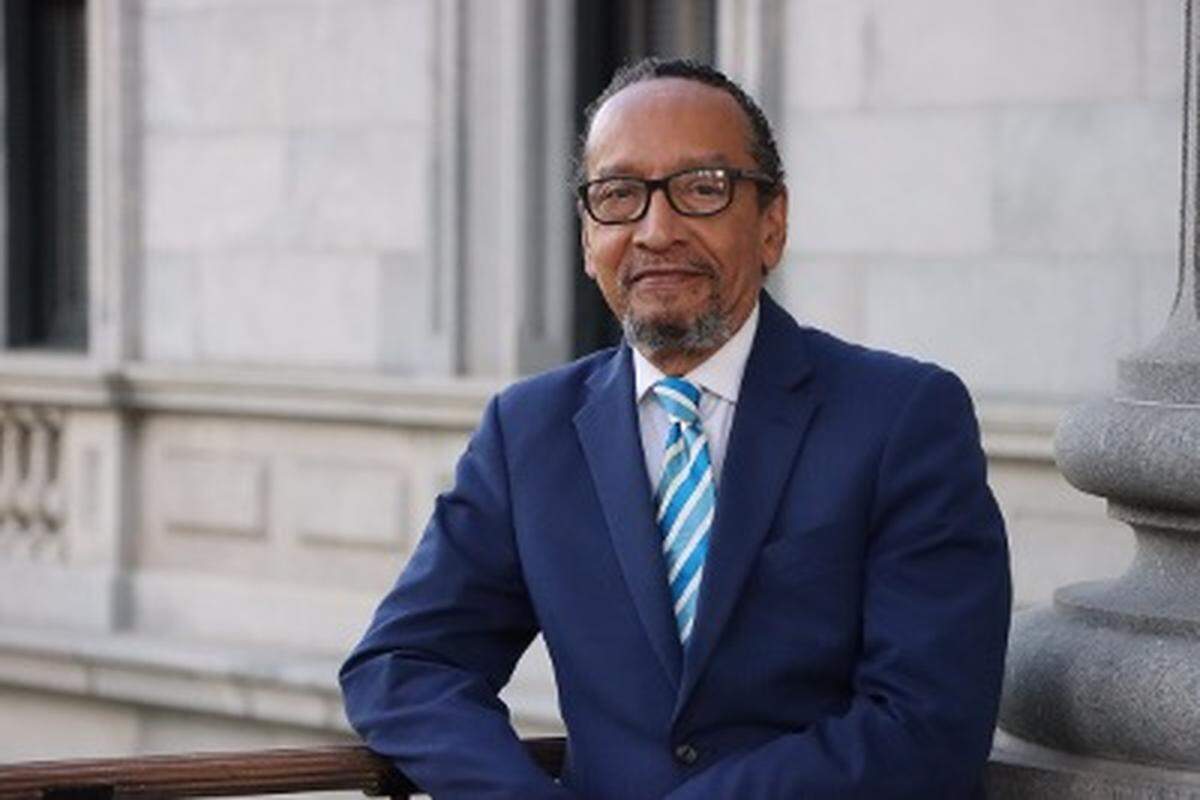
When Juarez last ran for political office, in 2020 as an independent candidate for Richland County Council, he raised $2,200 and stopped campaigning before the general election because of the COVID pandemic.
Now, Juarez said he is banking on his previous community work of training people to be entrepreneurs.
“I’m not sure why everybody is so tied up with money,” Juarez said. “One of the issues that is very clear here is that without community it does not matter how much money you raise. If you do not have a well-organized community, money is not going to get you far at all.”
Holding the Senate seat for a long time
Whoever wins the Democratic nomination in the heavily blue district is most likely set to hold the seat for as long as they want.
South Carolina has no legislative term limits. Once in office, the eventual senator will have the power of incumbency to ward off potential challengers.
For instance, former state Sen. Kay Patterson represented the 19th District from 1985 to 2008.
Scott, who died in August, was elected to the seat in 2008 when he carried 91% of the vote in the general election. In Scott’s three other Senate elections, he only faced a primary challenger in 2016, but he carried 61% of the vote in the primary. He was unopposed in the 2012, 2016 and 2020 general elections.
“Given the nature of Richland County politics, longevity seems to be the way our seats go,” Rutherford said. “If you’re looking at a Richland County seat and you’re interested if it becomes available, you better jump.”
This story was originally published September 11, 2023 at 1:38 PM.