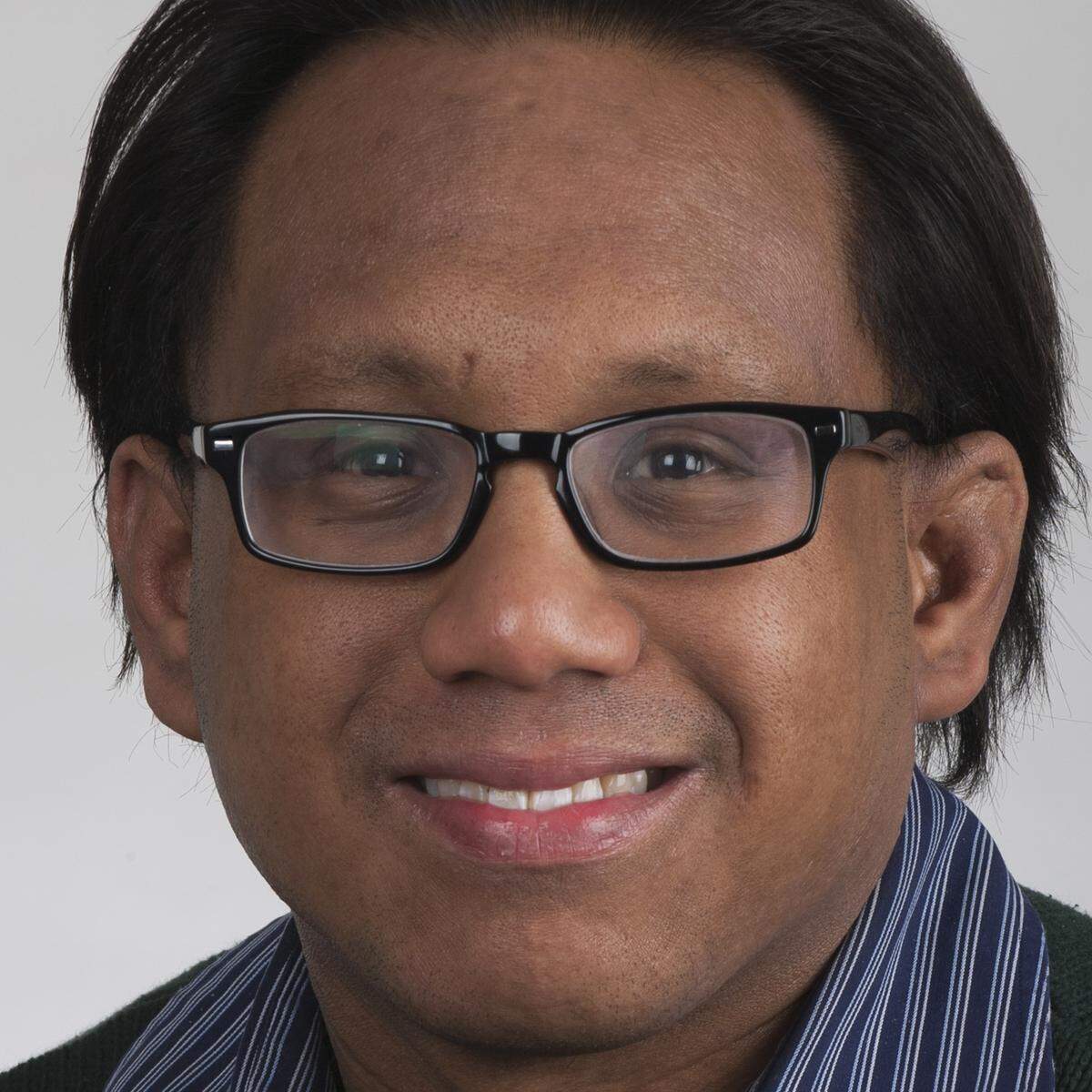
Moore is running in SC’s 1st District. Will his union support help in bid against Mace?
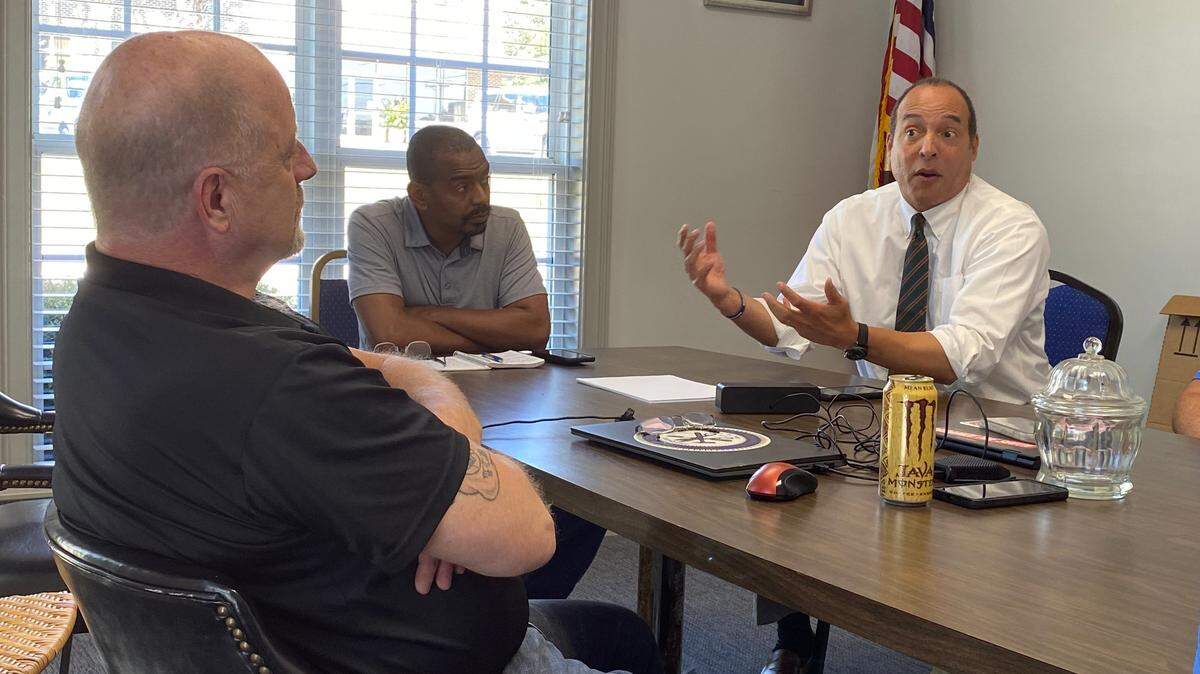
A week after the United States celebrated the social and economic achievements of American workers, 1st Congressional District Democratic nominee Michael B. Moore was seated in the West Columbia AFL-CIO office hearing about how union workers could help his campaign.
The representatives from the iron workers, electrical workers, steel workers, sheet metal workers, boilermakers and office workers unions said they could make phone calls and knock on doors in the Lowcountry district as Moore tries to unseat U.S. Rep. Nancy Mace, R-Isle of Palms.
As the visit concluded, Moore received a $5,000 contribution from the AFL-CIO, which has endorsed his campaign.
“If one is concerned with the middle class, if one is concerned with working families, then unions historically have been the most important, most powerful lever to help support the middle class,” Moore said in an interview.
Unions are part of a recent push Moore is making in his congressional bid. A few days after Labor Day he touted the AFL-CIO endorsement and the Communications Workers of America. He even walked the picket line in the Lowcountry with CWA workers on strike from AT&T.
“If management and shareholders have a right to advocate, to organize, to advance their interests, I just have never understood that. No one’s ever been able to tell me why on earth the vast majority of people who represent labor working people, why they shouldn’t also have an opportunity to organize and to advance their interests,” Moore said.
Moore adds as people deal with the effects of inflation, wages need to keep up.
“If wages and prices track at the same pace, then that doesn’t have an impact on people. The problem is, is that costs are going up more aggressively than wages,” Moore said.
But Moore is running in South Carolina, where only 2.3% of workers in the right-to-work state are union members, the lowest percentage in the country, according to the Bureau of Labor Statistics.
Because of that small union presence in the state, leaning into unions may not help.
“Although labor is certainly more popular in 2024 than a decade ago, the fact is that the 1st district — like South Carolina as a whole — has a limited union presence,” said Jordan Ragusa, a political science professor at the College of Charleston. “It could even backfire if Mace is able to counter message and claim Moore is out of step with the district’s median voter.”
Moore is hoping to close the gap in the 1st District that was drawn to be a reliably Republican district and one that Mace won by nearly 14 percentage points in 2022.
“In Moore’s defense, the district was so heavily gerrymandered after the 2020 Census that no Democrat stands much of a chance,” Ragusa said.
Moore faces an uphill climb in trying to knock off Mace. At the end of the second quarter of the year, Moore had less than $119,000 cash on hand for his campaign after defeating Mac Deford in the Democratic primary.
The $5,000 contribution from the AFL-CIO will help, but he’ll need more.
“He’s a very big supporter of labor. He’s supportive of working families. He’s supportive of veterans. He’s a big supporter of dock workers,” said Boris Gibson, president of the president of the South Carolina AFL-CIO.
Mace had $741,000 in the bank after staving off Catherine Templeton’s GOP primary challenge. Mace’s campaign questioned the validity of the endorsements Moore’s received.
Moore says his campaign has more than just support from unions.
“Labor and unions are they’re one focus area. We’re not focusing the campaign on that. We’re talking to women, talking to young people, we’re talking to voters of color represent a big part of the district,” Moore said. “I just think the vast majority of South Carolinians are working folks.”