SC’s highest income tax rate is higher than neighboring states. Could a cut make the budget?
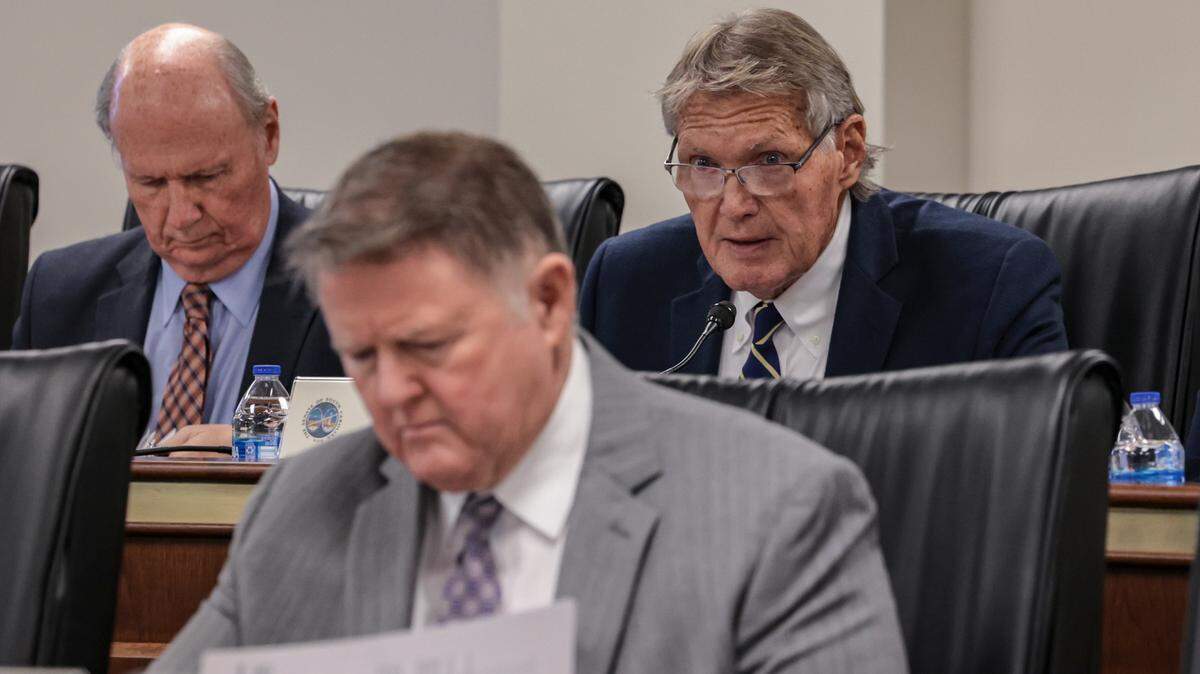
Amid a push to keep up with neighboring states, lawmakers want to push another income tax cut this year despite the 2022 income tax rate cut not being fully implemented.
Any tax relief would at least, in the short term, reduce how much the budget writers have to spend on annual costs, such as money for teacher pay and state employee salaries.
A debate on how to further cut the state’s income taxes, which account for 41% of the state’s tax revenue, will most likely reignite an optics discussion. South Carolina’s highest income tax rate is higher than neighboring states, but the state however has a lower effective rate — or what people actually pay.
In 2022, lawmakers agreed to a $1 billion income tax rebate and to reduce the state’s highest income tax rate from 7% to 6.5% and then reduce it by a tenth of a percentage point a year until it reached 6%, as long as revenues to the state continued to grow by 5% a year.
The phased-in approach was meant to protect state revenues against economic downturns.
“I don’t think we will have (an economic downturn), we’re going in the other direction,” Gov. Henry McMaster told reporters after he rolled out his proposal to go to 6% this year from 6.2%. “You have businesses, you have people, you have companies, and they’re all looking for the best place to go. And the tax structure is a part of that.”
Still as budget writers begin to sketch out a plan for additional income tax relief, safeguards may be included.
Among the challenges South Carolina leaders say the state faces is optics that the Palmetto State has higher income taxes than neighboring states.
South Carolina’s current 6.2% rate is higher than Georgia’s current rate of 5.39% and North Carolina’s 4.5%. Georgia also is working to cut its rate to 4.99% by 2028.
According the state’s Revenue and Fiscal Affairs office, in 2023, a family of four with an adjusted gross income of $60,000 paid $810 in South Carolina income taxes for an effective rate of 1.35%. In Georgia, that family would have paid $2,036 on a 3.39% effective tax rate. In North Carolina, that family would have paid $1,404 for a 2.34% effective tax rate.
However, when taxpayers in Georgia and North Carolina file their annual returns, they start with adjusted gross income. When tax filers in South Carolina fill out their state 1040 form, they will start with the lower federal taxable income — the number on person’s IRS 1040 form after subtracting deductions.
Because of the lower starting point and because of the deductions and credits available, 44% of filers don’t pay any state income tax, and 10% of filers account for 63% of income tax liability in South Carolina creating a narrow base.
“You have to broaden the base,” House Speaker Murrell Smith said on the South Carolina Lede podcast.
In the interview, Smith said the state needs to look at starting at a different point in people’s incomes when they file their returns.
“You start off at federal taxable income instead of your AGI, and the federal government then basically dictates tax policy to us to which we have to follow,” Smith said. “So I think we really need to make that switch to adjusted gross income and we need to continue to push down that rate.”
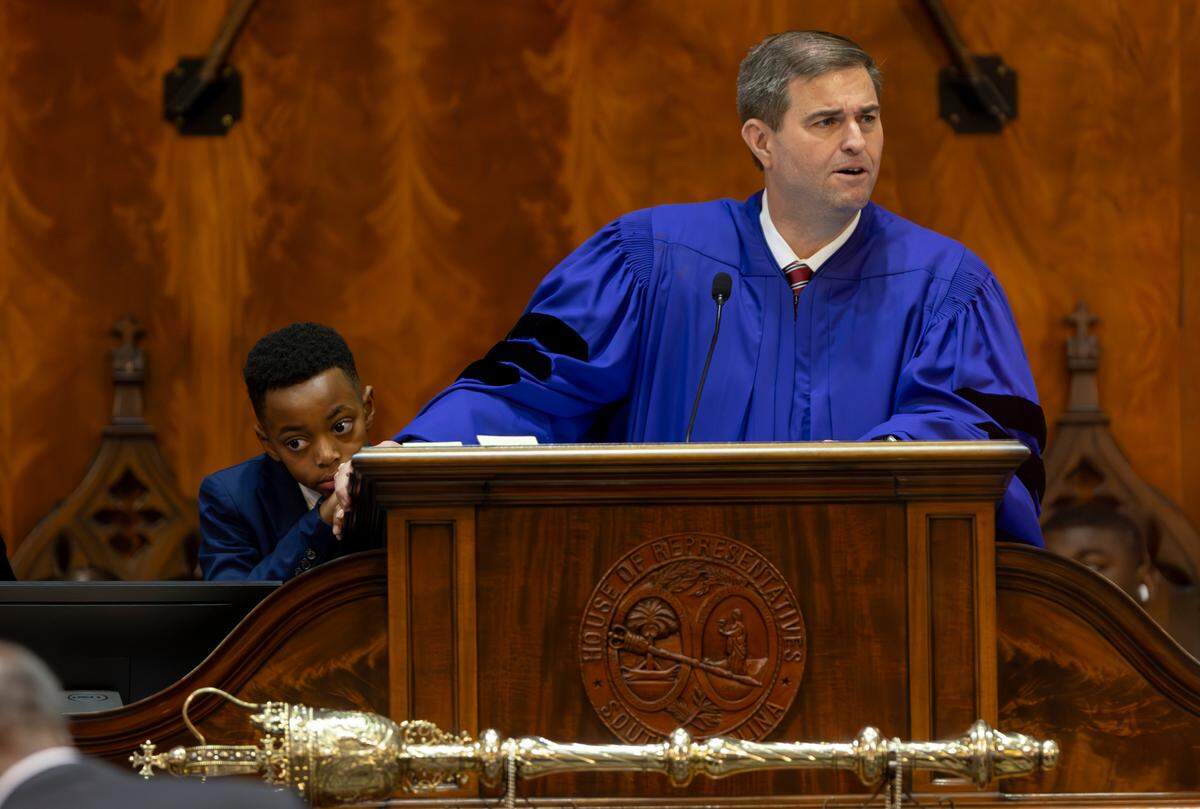
What that plan will look like is still being determined, House leaders said.
“This is obviously a very complex and complicated issue, and so I think the best way we can do this is by bringing stakeholders in, talking to the governor’s office, talking to the Senate, and so we’re trying to get ideas, but I think everybody has a goal in mind, that we’ve got to be competitive with our neighbors,” Smith said.
After the House completes its budget proposal, which is expected in March, the state Senate will have its turn to come up with a spending plan whether to include its own tax cut.
State Senate Finance Committee Chairman Harvey Peeler supports accelerating the state’s income tax cut to 6%.
“You can’t out tax cut Harvey Peeler, that’s still the case, but we have several senators that have different ideas about it, but the governor’s suggestion that lowering the income tax to 6% has support,” Peeler said.
Peeler still would not share what direction Senate budget writers might take this year on a tax cut and whether they would also look at reductions in other taxes.
“All ideas and suggestions are on the table,” Peeler said.
Impact on the budget
Any income tax rate reduction plan would have to be in place before budget writers could finalize spending for the upcoming fiscal year, which begins July 1.
Budget writers have only $533 million in new annual dollars to allocate during this year’s budget discussions. A tax cut would eat into that available money to cover costs budget writers have traditionally covered every year, such as additional money to freeze tuition rates for in-state college students, teacher pay, increased Medicaid costs and increased state health insurance premiums.
The state’s four-year colleges requested $99.5 million for tuition mitigation, although McMaster only proposed $29 million.
The Department of Education wants $200 million to increase the starting pay for teachers to $50,000 a year and raise every cell in the state’s minimum teacher salary schedule by $3,000.
Health and Human Services says it needs $55.4 million to keep up with costs of running the state’s Medicaid program.
Covering the increase in premiums for those on the state health insurance plan would cost the state $112 million per year.
McMaster’s proposal to accelerate the planned income tax by two years to 6% would keep $193 million out of state coffers each year.
“I’d like to move as fast and go as low as we can,” McMaster said.
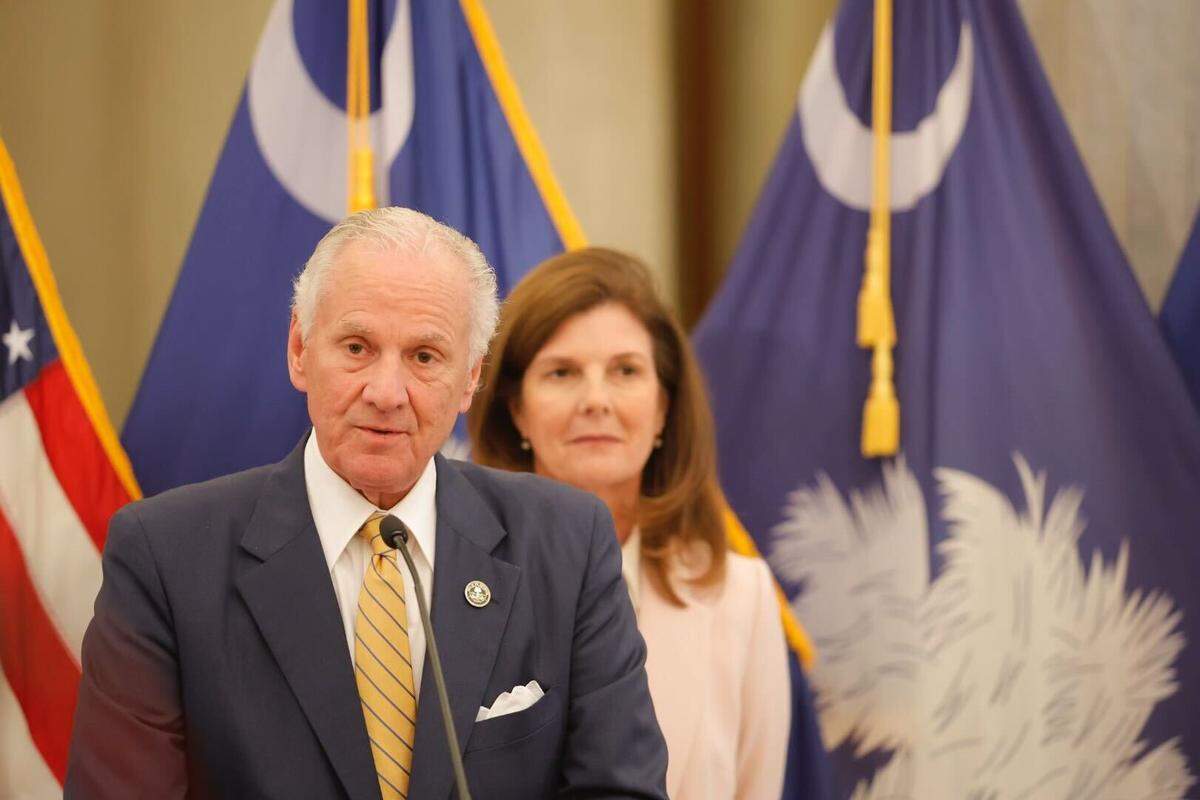
Smith said on the podcast he would like to see the multiphase approach possibly starting at 3 to 4% to be competitive with neighboring states and eventually reaching 0%.
“You take this out of growth, and we’ve had good growth over the years and you put these triggers in when you can afford it,” Smith said on the podcast. “That lets you still be able to fund government and be able to reduce taxes.”
Members on the state Senate side have said they would like to see a more holistic approach, even looking at sales tax in the state, with one GOP leader citing the taxes associated dining out.
But hopes for a holistic look at taxes in South Carolina does not appear to be the radar on the House for this year’s session.
“The goal is to reduce the income tax and then get that and we can continue to look at tax reform. We need tax form holistically. I agree 100% but we need to make sure that we don’t let that get in the way of income tax reduction,” Smith told reporters on the first day of session.
This story was originally published January 27, 2025 at 5:00 AM.