‘I’m proud of this state.’ Henry McMaster becomes SC’s longest serving governor
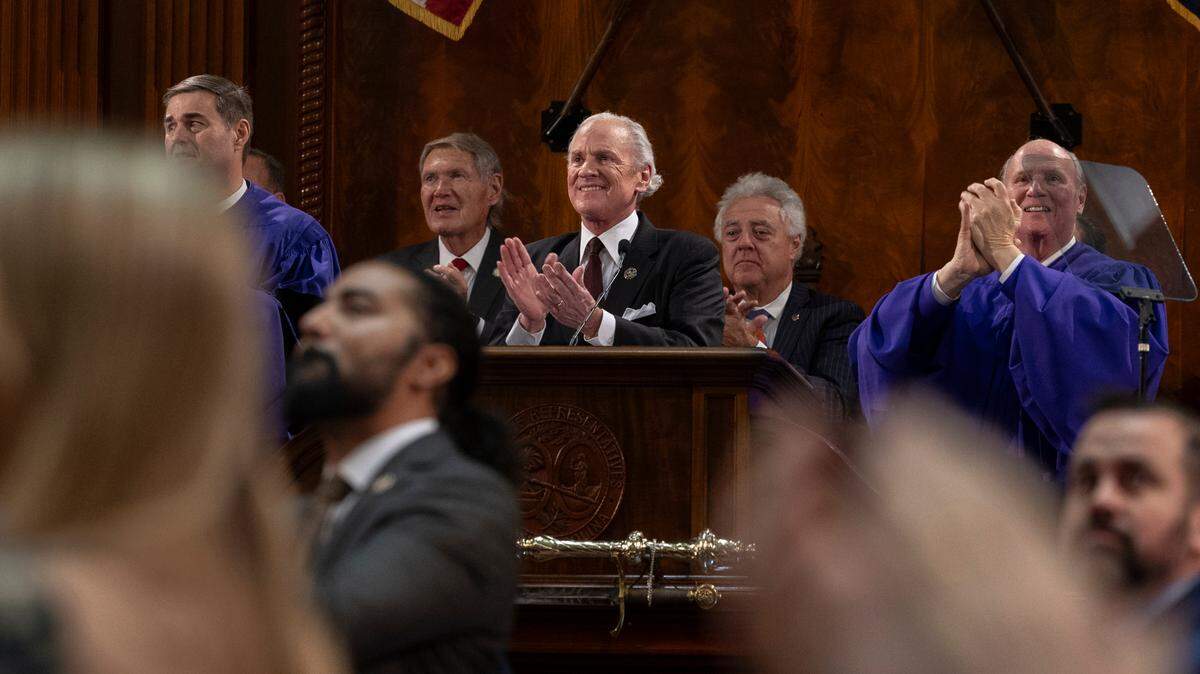
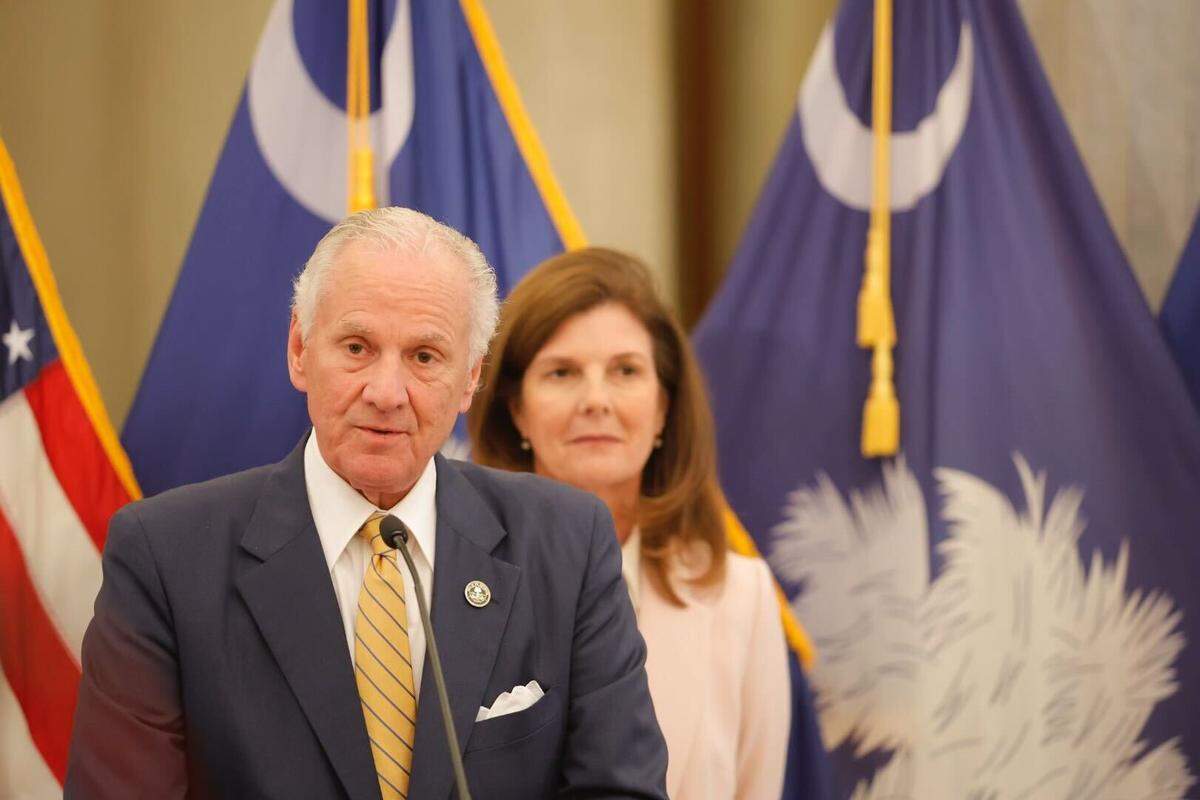
After Gov. Henry McMaster entered the House chamber Wednesday to deliver his annual state of the state address, he gave the speech while holding the job longer than any of his 116 predecessors.
McMaster became the longest serving governor Wednesday, the same day as the annual State of the State address where he discussed his priorities and budget proposals for the year — the second to last year of his tenure as the state’s top executive.
“All you have to do is just stay alive,” McMaster jokingly told reporters last week. “This is a great office. I think a lot of times we don’t realize how great this office in South Carolina is with our history. Because, remember, we were one of the original ones right here on the coast.”
During McMaster’s tenure, he led the state during the COVID-19 pandemic where he sought to keep the state’s economy open and functioning and worked toward raising teacher pay, while seeking to collaborate with lawmakers.
McMaster who unsuccessfully ran for governor in 2010 when he lost to Nikki Haley in the GOP primary, eventually was elected lieutenant governor in 2014. President Donald Trump appointed Haley ambassador to the United Nations during his first term, allowing McMaster to become governor. Ahead of the 2016 election, McMaster was the first statewide official in the country to endorse Trump.
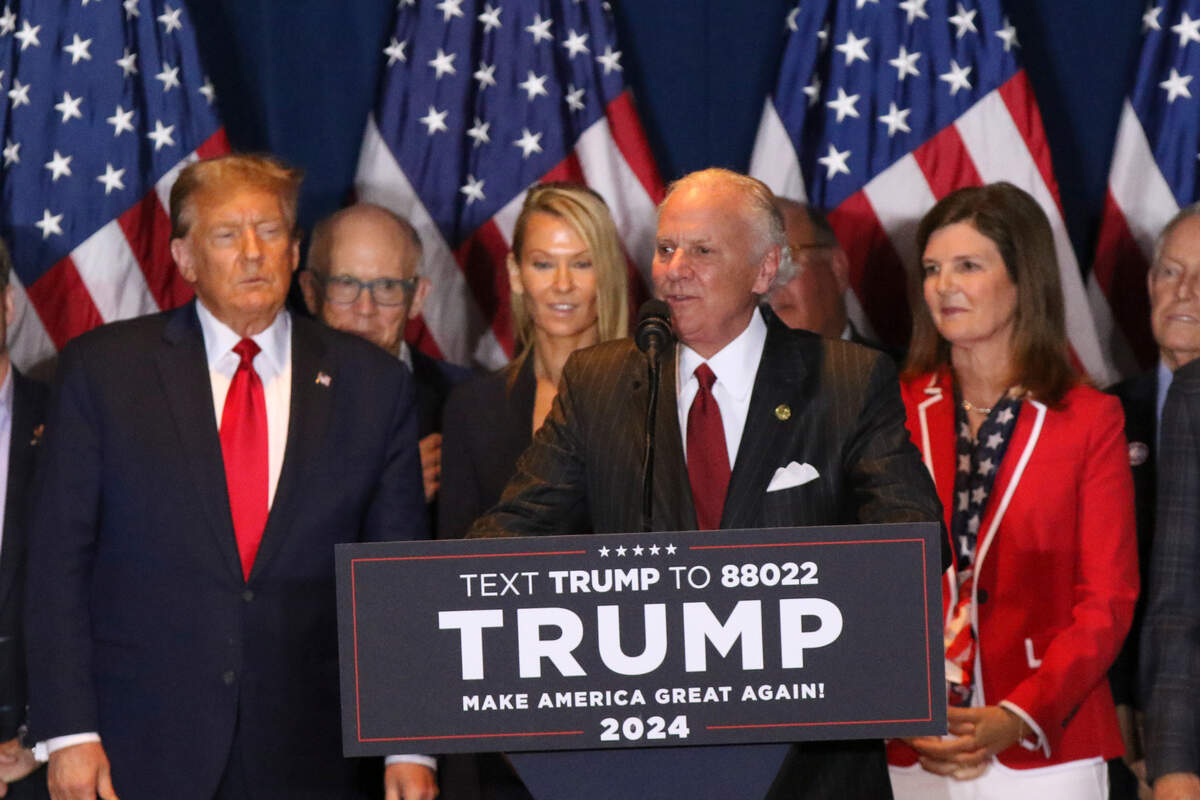
McMaster won his first full term in 2018 and then easily won reelection in 2022 over Democrat Joe Cunningham.
In his Wednesday address, McMaster touched on the progress made in the state over the years, which has included pushes to allow for economic development including large development deals that have brought electric vehicle manufacturers and battery makers to the state. McMaster said the economic growth had led to $1.8 billion in unexpected revenue to the state.
“We boomed in 2024 and will boom again in 2025,” McMaster said.
Although his budget proposal calls for accelerating the planned income tax cut to 6% from 6.2% this year, he called on lawmakers to continue reducing the income tax afterwards.
“We should keep cutting as much and as fast as we can until we can eliminate the personal income tax altogether,” McMaster said. “Mr. Speaker, Mr. President, this is what the people want.”
For his part McMaster has been pushing for higher teacher pay, making sure each school in the state has a school resource officer, and the state has ample energy to meet the growing electricity needs. He called on using both natural gas and small and large scale nuclear energy to meet those power needs.
“Our electric generation, distribution, and transmission capacity and capabilities must be able to handle enhanced future economic development, anticipated technological advances, and population growth,” McMaster said. “We must vigorously explore the feasibility of technological advances related to energy production.”
McMaster called spending $30 million to help low-income families send their children to the school of their choice.
But in the Democratic response, state Sen. Margie Bright Matthews, D-Colleton, said school choice that allows students to use public money at private schools would be a mistake.
“Governor, the answer is not choice,” Bright Matthews said. “Instead of sending our tax dollars to private schools, we should first fully fund our public schools — something South Carolina has neglected to do for decades. You see, many SC children who need a quality education, don’t have a choice. Neither do their parents.”
2 more years to build legacy
The additional two years McMaster has in office gives him opportunities to make some moves, even if it upsets the Republican base, if he chooses.
State Rep. Gilda Cobb-Hunter, D-Orangeburg, is the longest serving House member and has known McMaster through his times State GOP party chairman attorney general and lieutenant governor.
“I like him personally. Don’t agree with him politically, but personally, I like him. And I think he probably, if left to his own device ... he would probably do things differently,” Cobb-Hunter said.
She challenged McMaster to throw political caution to the wind in his last two years in office, especially in a partisan political climate. She even suggested expanding Medicaid, knowing it is doubtful McMaster would even consider.
“What I’d like him to think about is, ‘Governor, you can’t run again. Be bold. Follow your heart, not what some within your party is saying. Follow your heart. Do the right thing. You know. Think about the state. Think about your legacy,’ ” Cobb-Hunter said.
State Sen. Tom Davis, R-Beaufort, previously served in Gov. Mark Sanford’s administration as senior policy advisor, and chief of staff. Sanford did not have a good relationship with lawmakers and believed progress and change worked through outside pressure on the legislature. McMaster’s relationship with lawmakers is much better and is willing to work within the legislative process.
“I’m a fan of Gov. McMaster. I think he does a good job of articulating priorities. I think he does a good job of identifying how to move them through the process,” Davis said. “I think he does a good job of explaining his decisions during emergencies. I think he does a good job providing timely information in a useful way. I just think he’s been an effective chief executive.”
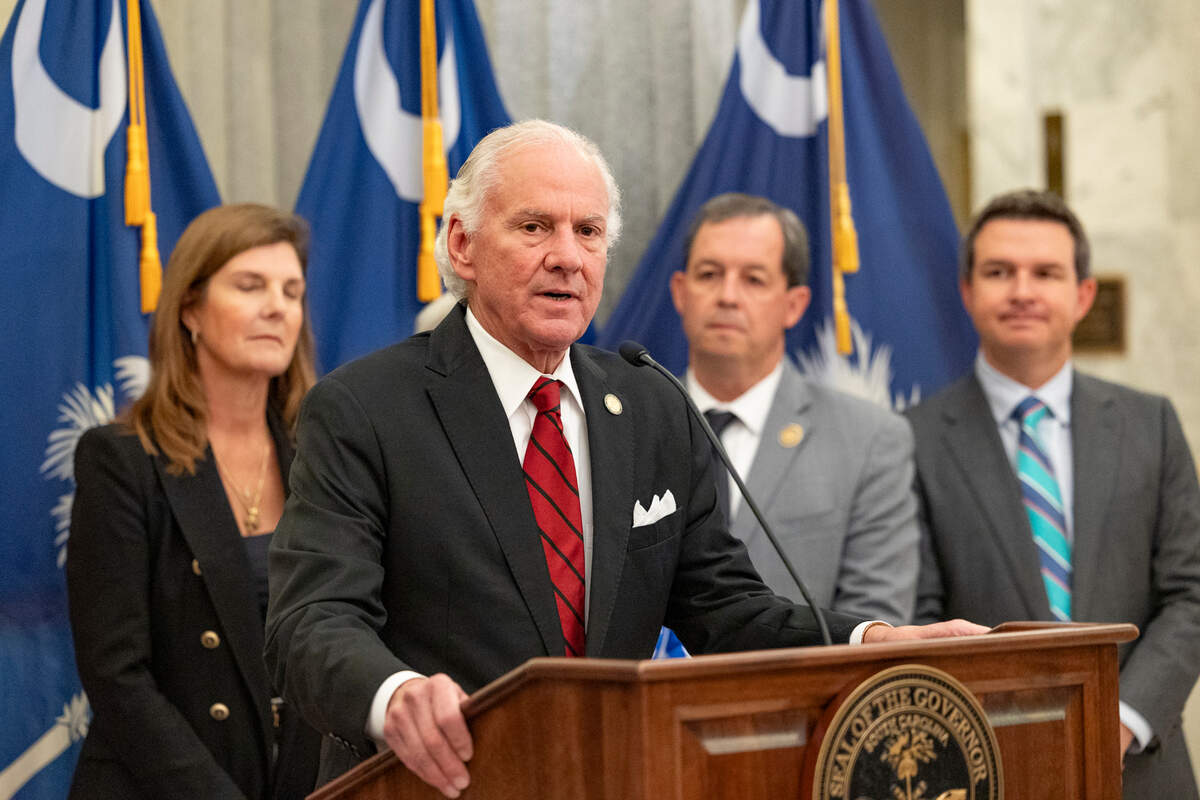
Davis said McMaster isn’t afraid to buck the party base pointing to his appointment of Dr. Edward Simmer to be Director of Public Health, who has received criticism from conservative circles.
“I think that that shows a willingness to make what he considers be the right decision, irrespective of what the political consequences might be,” Davis said.
For his part, McMaster said his office has moved forward with its priorities the way it has wanted to do.
“In this office (we) have been doing exactly what we wanted to do from the very beginning,” McMaster said.
Former Gov. Jim Hodges, a Democrat who served one term in the governor’s mansion, said McMaster’s additional time in office allows him to grow his staff tree. Governors have staff members who come and go and the extra two years allow McMaster to help launch careers.
Some may go into top corporate positions, whether it be in business, government or even academia, pointing to Fred Carter, who worked for both Gov. Carroll Campbell and Sanford, Hodges said.
“The branches of the tree go into different areas,” Hodges said.
“From a legacy standpoint, (it’s) beneficial to a governor to have a number of people who are in leadership positions now and in the future who served in the administration,” Hodges said.
The extra two years gives McMaster more time to push his priorities. During time as governor, a crisis inevitably comes up that diverts attention of an administration, so the extra time gives a governor more opportunities to return to their set priorities, Hodges said.
Hodges made it clear, however, with McMaster’s successor being elected next year it ultimately means the governor’s ability to accomplish what he wants may become limited. The race itself to succeed McMaster is underway with U.S. Rep. Nancy Mace, R-Daniel Island, and Attorney General Alan Wilson confirming they’re considering runs.
“Once January comes, the challenge for the governor and any governor has limited time left is that the clock is running,” Hodges said.
However, McMaster has downplayed the accomplishment when asked by reporters in recent months, instead insisting he’s just focusing on the job telling reports he believes the state is in “good shape” but work remains.
“It’s an honor to serve in this position,” McMaster said in December. “I’m proud of the state, of course, proud to be a part of it, but we’ve had a lot of great governors who have had a very small amount of time, who’ve done great things. I’m just glad I have some a little bit of extra time to get just a few more things done, and we’re working around the clock.”
This story was originally published January 29, 2025 at 10:18 AM.