
Supreme Court OKs mandates for online porn age checks. What does it mean for SC?
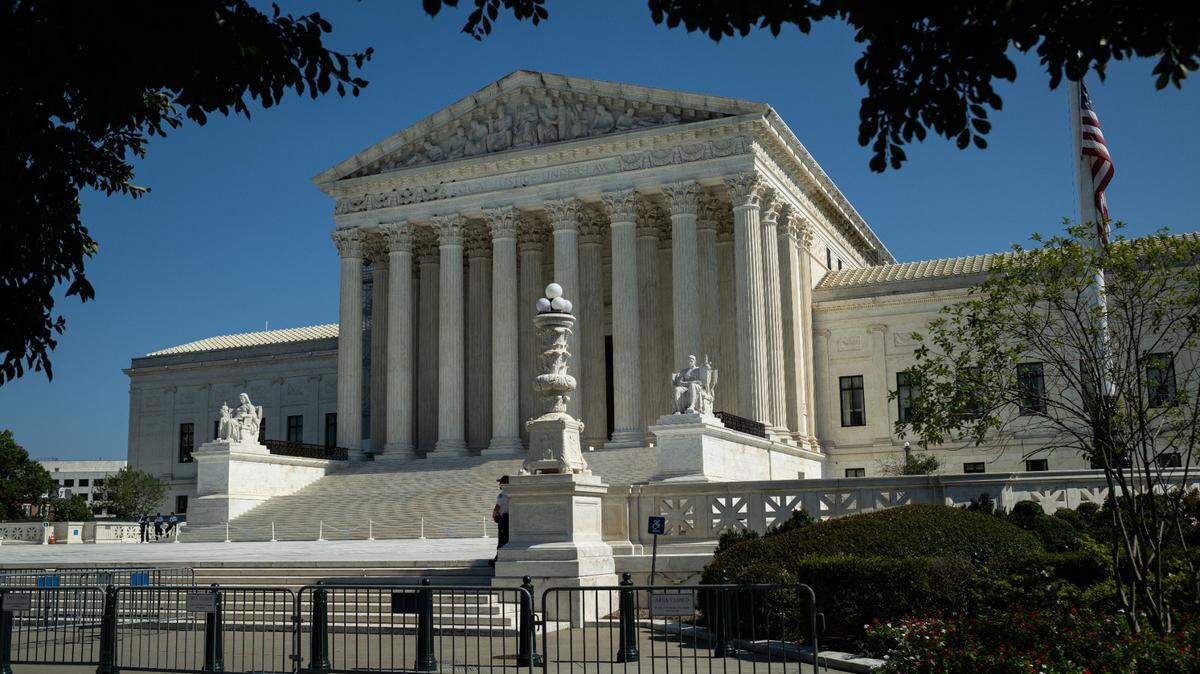
South Carolina lawmakers looking to restrict minors from accessing sexually explicit content online notched a win with a U.S. Supreme Court decision.
In a 6-3 decision, the U.S. Supreme Court decided Friday that states had the authority to prevent children from accessing sexually explicit content online through age-verification requirements.
At least one state lawmaker, state Rep. Brandon Guffey, R-York, believes the decision creates a precedent to regulate social media companies that host “adult content.” Guffey supported the decision on social media on Friday.
South Carolina has a law that requires online platforms that host sexually explicit content to verify its users are adults. If a third or more of a “commercial entity’s” content is sexually explicit, the platform must follow age verification rules. The state law passed in 2024.
At issue in the Supreme Court case was a similar Texas law. At least 22 other states have similar age verification laws for online pornography.
The Supreme Court decision only extends to sexually explicit content, so legal questions around other age verification requirements remain. South Carolina lawmakers proposed a bill last session that would compel app stores to verify the age of users before they download an app. Minors would have to gain permission from their guardians to download, under the proposed bill.
South Carolina Attorney General Alan Wilson praised the Supreme Court decision Friday, saying in a news release that the ruling will help the state further protect children.
“This ruling is a powerful step toward bringing order to the Wild West of the digital age,” Wilson said in a news release. “Our children are being exposed to dangerous content every day online, and states must have the ability to step in and protect them.”
Age verification typically entails uploading an ID or using a third-party service to confirm a user is an adult. These processes raise privacy and free speech concerns, the Free Speech Coalition, an interest group, argued in the Supreme Court case.
Civil rights groups, including the ACLU, have also argued age-verification rules could have a chilling effect on adults who want to access sexual content. The conservative majority of the court decided preventing children from accessing sexually explicit material was worth compromising on those concerns.
South Carolina’s own “Child Online Safety Act” bill passed unanimously in the Senate, and only one lawmaker, state Rep. Justin Bamberg, D-Bamberg, voted against it in the House.
It is unclear whether state lawmakers will use the new ruling to push for more age verification requirements for social media and app stores next year.
This story was originally published June 30, 2025 at 1:59 PM.