
High traffic deaths drive cost of insurance up. How can SC save lives, money?
Although South Carolina is a leader in the nation in traffic deaths, taking measures to save lives could also help residents lower their insurance rates.
South Carolina had the second highest rate of traffic fatalities in the country in 2024, according to data from the U.S. Department of Transportation. The rate of 1.71 fatalities per vehicle million miles traveled improved slightly since 2023.
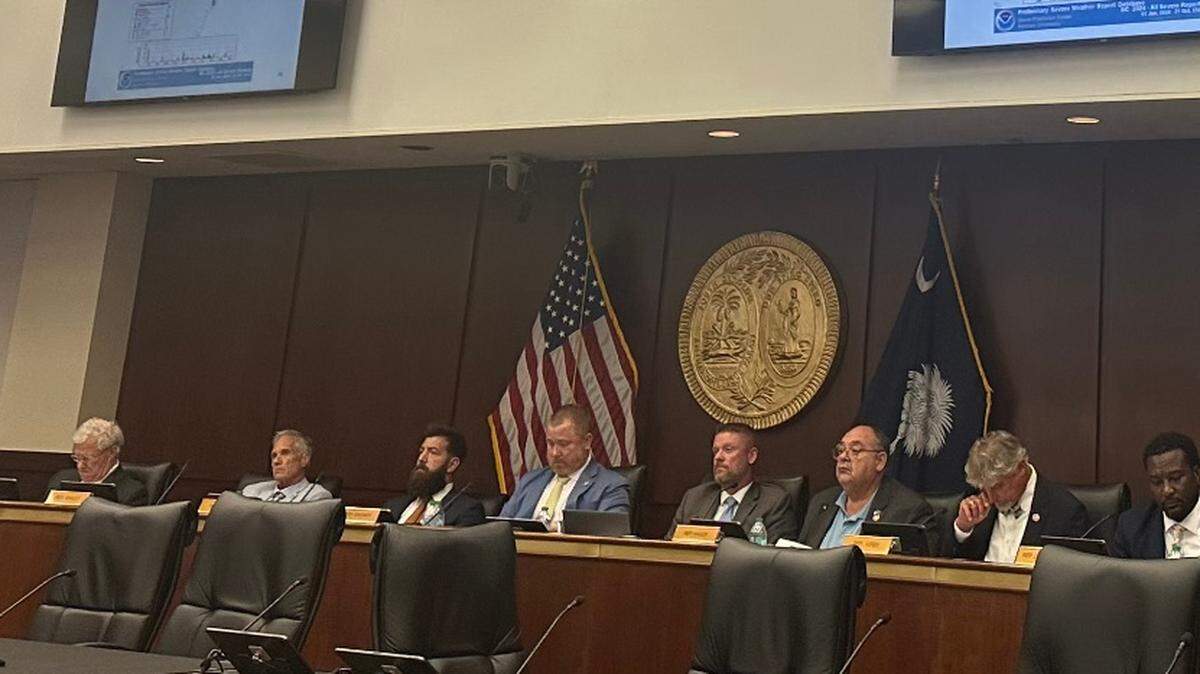
“When we look at traffic fatalities coming out of COVID, people began to drive like maniacs, there’s no question about it,” said Robert Hartwig, a clinical associate professor of finance, risk management and insurance at USC Darla Moore School of Business. He spoke to a state House committee Wednesday about the state’s property and auto insurance rates.
As of July 20, there have been 465 traffic deaths in South Carolina in 2025, according to the South Carolina Department of Public Safety. By the same date in 2024, there were over 100 more deaths.
Hartwig recommended that lawmakers take steps to reduce those fatalities. In addition to saving lives, the recommended policies could also help lower auto insurance costs, he said.
“If there are that many deaths, there are a lot of really severe claims out there,” Hartwig said. “...And so that claim severity number, it’s in part due to inflation, but it’s part due to this horrible statistic, which shows that far too many people are dying.”
Hartwig told the House Insurance Rate Review Ad Hoc committee they could increase enforcement of traffic laws, educate the public on safety and improve existing infrastructure.
Lawmakers disagreed on which measures would be the most successful in driving down traffic deaths.
State Rep. Jermaine Johnson, D-Richland, pushed his fellow committee members on the importance of investing in infrastructure. State Rep. Brandon Guffey, R-York, said he thought it was more of an enforcement issue.
“I’m glad that my colleagues can hear you say that we need to invest in our infrastructure in this state,” Johnson told Hartwig during the committee meeting.
Pushing down traffic fatalities could likely be done through a combination of enacting and enforcing safe driving laws, like speed limits and hands-free driving rules, and investing in fixing intersections that have resulted in the most crashes, Hartwig said. A new South Carolina hands-free driving law goes into effect this fall.
“It’s going to take some dollars and some time to make that happen,” to lower fatalities, Hartwig said. He said policymakers could help lower fatalities in many different ways and suggested looking at other state’s efforts and working with the Department of Transportation and state police.
The Department of Transportation currently manages $6.5 billion in contracts, according to the 2025 State of SCDOT presentation. But inflation has limited the buying power for road improvement over the past three years, Transportation Secretary Justin Powell told lawmakers in March. The rise in electric vehicles also contribute less to department’s revenue, since they don’t pay into the state’s gas tax.
A 2021 infrastructure report card from the American Society of Civil Engineers determined that South Carolina needed more money for its roads. The report card gave South Carolina’s roads a “D” or poor grade and estimated that the road infrastructure would face a nearly $43 billion funding gap over the next two decades.
The report card also gave South Carolina’s bridges a “C” or mediocre rating. About 6% of South Carolina’s 9,504 bridges are in poor condition, according to Federal Highway Administration data from June 2025. Over half of the state’s bridges are in fair condition, and the rest are in good condition.