SC Supreme Court kills $1,500-a-month lawmaker raise passed this year. Here’s why
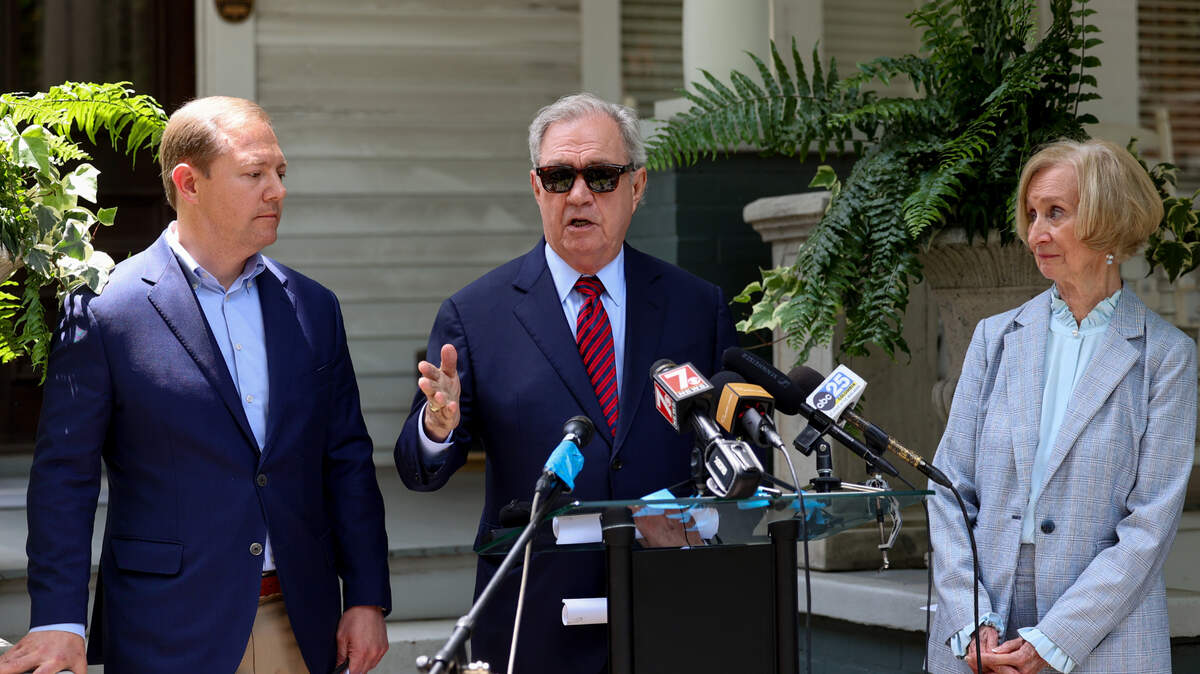
The state Supreme Court has tossed out a $1,500-a-month legislator pay raise lawmakers gave themselves earlier this year when they finalized the budget.
In a unanimous ruling issued Wednesday, the state Supreme Court will keep lawmakers from even receiving the $1,000 a month they received in previous years.
The suit was brought by state Sen. Wes Climer, R-York, and York County resident Carol Herring. Climer is running for Congress to succeed U.S. Rep. Ralph Norman, who is running for governor.
Climer and Herring’s attorneys argued that any increase in pay cannot go into effect until the next General Assembly is seated.
“Today’s ruling by the South Carolina Supreme Court affirms what I’ve said all along: legislative compensation should never be increased midterm, and certainly not by stealth,” Climer said in a statement. “Public trust is earned by doing the right thing, even when it’s unpopular. I opposed this pay raise not because the job isn’t demanding, but because how we govern matters.”
Dick Harpootlian, one of the attorneys for Climer and Herring, who is a former state senator, complimented Climer for pushing the case even though it was against his legislative colleagues.
“(The raise) was so clearly illegal. I guess the enthusiasm for the pay increase distorted their views,” Harpootlian said of the General Assembly.
State Rep. Hamilton Grant, D-Richland was critical of the court’s decision.
“An unfortunate decision that could impact the legislative service to constituents,” Grant posted on social media. “With community investment funds gone and now in-district expenses gone, SC is hell bent on not taking care of actual South Carolinians.”
The raise was for in-district compensation to cover expenses related to being a legislator while away from the State House.
“No matter how well-intentioned or long-overdue, the result of the 126th General Assembly’s increase in in-district compensation without either limiting language in the proviso or delaying implementation of the increase to the seating of the 127th General Assembly is to increase its own compensation, which our state constitution expressly prohibits,” the court wrote.
The pay raise was included in a proviso attached to the budget adopted by lawmakers in May. In 1994, lawmakers set in-district compensation to $1,000 a month, or $12,000 a year. In an effort to address the effects of inflation, lawmakers increased the provision to $2,500 a month. It would have amounted to an $18,000 raise.
Even though the pay is labeled as in-district compensation, lawmakers don’t have to itemize how they use the money, which also is taxable.
“The General Assembly has given us nothing on which to presume the money budgeted for in the proviso will be used only for official expenses,” the court wrote. “There is no other language in the proviso or the Act as a whole that even hints that the legislators’ use of the funds is limited to only official expenses.”
This story was originally published November 12, 2025 at 9:47 AM.