As new SC judge-picking process begins, advocates push for further reforms
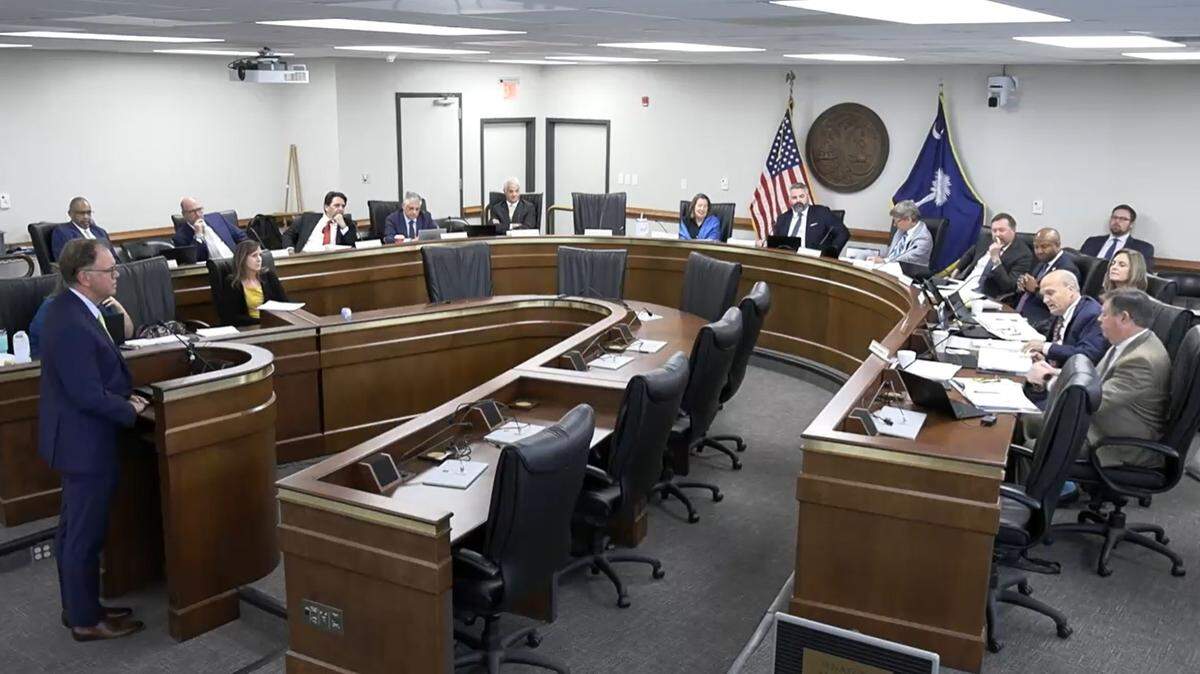
Standing in front of a 12-person commission, a court reporter and judiciary committee staff, candidates for judgeships answer questions about their temperament and their experiences on legal issues, and respond to comments left in anonymous surveys.
Members of the commission asked candidates about whether they would treat people in their courtrooms with respect, about how they would shield themselves from political pressure and to what extent should a judge defer to the General Assembly.
The Judicial Merit Selection Commission held four days of screening of people hoping for a judgeship. Among the positions are supreme court justice, appeals court, circuit court, family court, master in equity position, and administrative law judge positions.
This is the first year a new makeup of the commission that determines who is qualified to be a judge is meeting. The 12-person panel includes four appointees by the governor, four appointees from the House and four appointees from the Senate. Previously the screening panel was made of appointees by the legislature.
Still, there’s continued pushes to change how judges are selected, calling for the governor to have all the appointments to the JMSC.
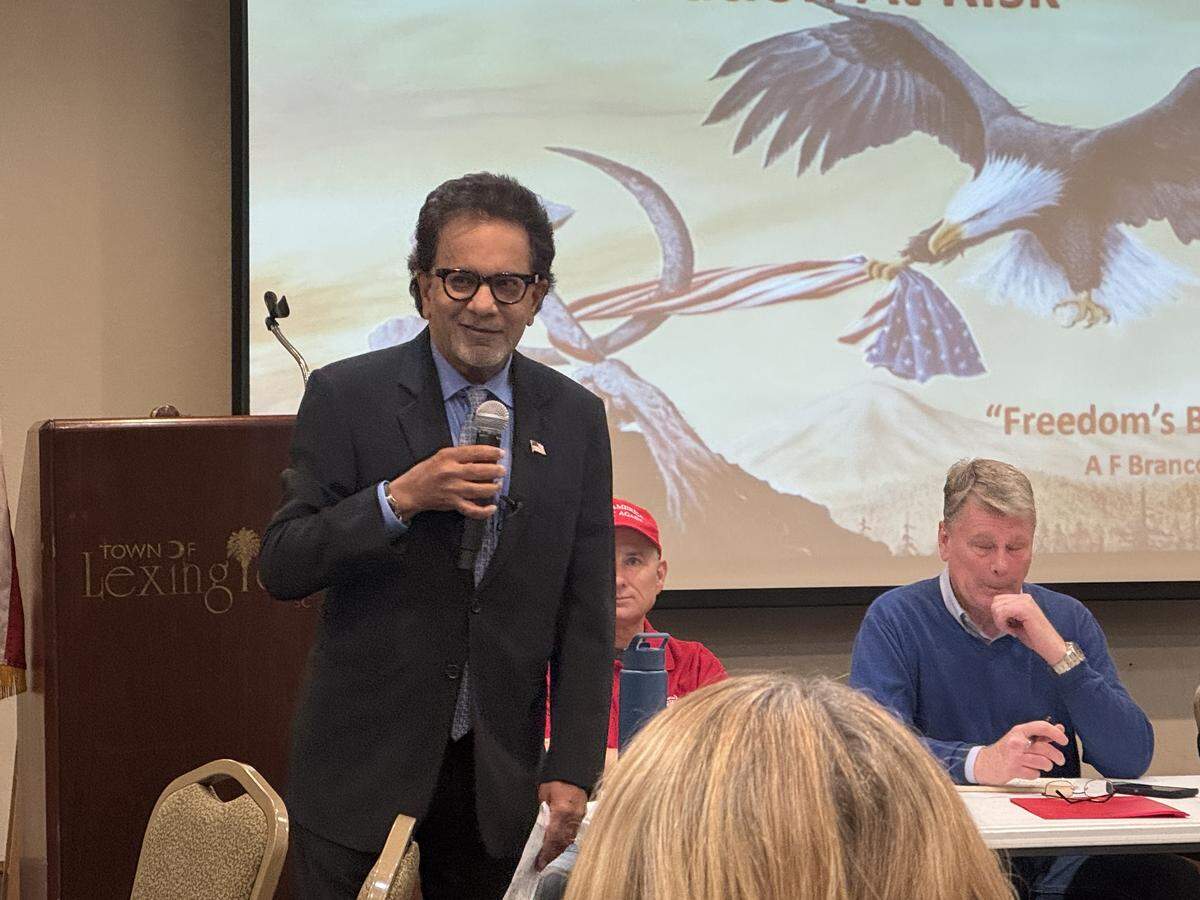
Rom Reddy, the creator of DOGE SC, is pushing legislation to move all appointments to the JMSC to the governor. The legislation, which is expected to be formally filed in December, has the backing of some notable lawmakers, including House Speaker Murrell Smith, Freedom Caucus Chairman Jordan Pace, state Sen. Josh Kimbrell, a candidate for governor, state Sen. Tom Davis and state Rep. Brandon Newton.
“The Legislature should never control the judges who interpret our laws. This reform reclaims the separation of powers our Founders intended and puts South Carolina one step closer to a government that serves the people, not itself,” said state Sen. Michael Johnson, R-York, who plans to sponsor the bill.
The proposal was quickly supported by state Sen. Wes Climer, who is running for Congress, and First Judicial Circuit Solicitor David Pascoe, who is running for attorney general. They also work with Reddy’s political consultant Wesley Donahue.
Attorney General Alan Wilson, who is running for governor, has pushed for the governor to appoint all members to the JMSC for years, including during a tour of the state in 2023. It’s an adjustment that does not require a change to the state constitution.
Others also have called for different changes in how judges are selected, which would require heavier lifts.
Gov. Henry McMaster and his Lt. Gov. Pamela Evette, who is also running governor in 2026, want the governor to be able to appoint judges with confirmation by the General Assembly, a call they have made for years.
U.S. Rep. Ralph Norman, who is also running for the GOP nomination for governor, has called for popular elections of judges.
Either change would require amending the constitution, which requires the Legislature to put the question on the ballot.
Critics of the current system say lawmakers have undue influence over judges because the legislature elects them. The JMSC still includes six lawmakers and six members of the bar who screen the candidates and determine who can go forward to the full general assembly for a vote.
“Judges depend on lawmakers for their jobs and the people pay the price,” Reddy said.
Pascoe has been critical of the JMSC process as it’s set up now and called changes made in 2024 “nothing but a half measure.”
“Lawyer legislators picking our judges is corruption in plain sight,” Pascoe recently posted on social media.
Defense of the current system
The makeup of the JMSC this year is the product of a compromise forged last year between lawmakers. It gave the governor four appointments, limited how long someone can serve on the commission and increased the cap of how many candidates can be sent to the General Assembly for each judge seat from three to six.
State Rep. Leon Stavrinakis, D-Charleston, a member of the JMSC appointed by Speaker Smith, defended the process during the hearings this week. While questioning Misti Shelton, a candidate for a seat on the 16th Circuit, Stavrinakis took a shot at solicitors around the state who have been critical of the JMSC process.
“Solicitor (Kevin) Bracket, Solicitor Pascoe, Solicitor (Scarlett) Wilson, maybe some others have been very vocal about alleging that this process is corrupted, that some of the people involved, particularly the lawyer legislators are corrupting influence on this process,” Stavrinakis said Shelton. “Let me ask you, have you experienced any corruption in your time as a candidate?”
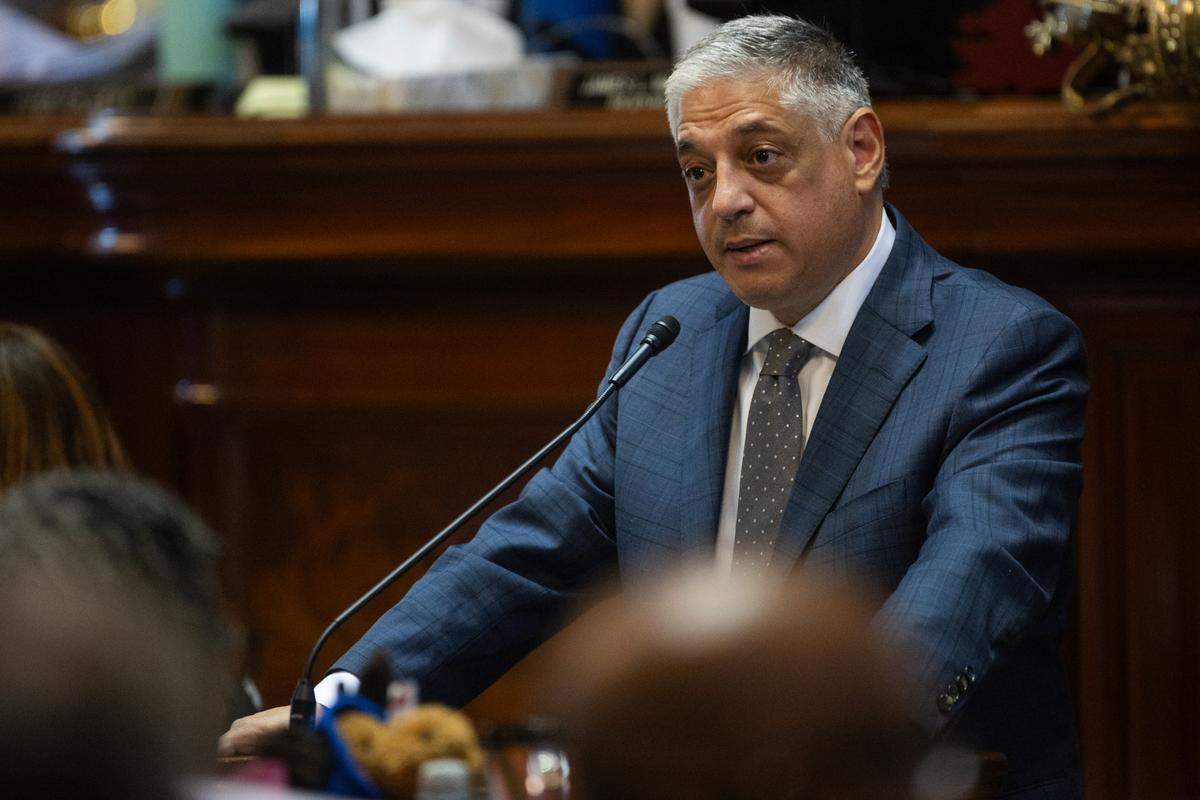
Shelton, who works in Bracket’s office, said before she applied for a judgeship, she knew very little about the process.
“I can only speak from my personal experience, I feel thoroughly vetted, I feel I have been treated very fairly, throughout the entire process people have been very kind,” Shelton said.
Others who helped bring about the 2024 compromise also say the new set-up needs time to see how its performing.
“We’re just now seeing how it’s working out, because it’s going to go into effect,” Senate Majority Leader Shane Massey said. “I think we need to see how this plays out, and then we’ll determine whether there are any changes that need to be made.”
Massey points out with multiple decision-makers appointing people, including lawmakers to the JMSC, multiple agendas are in play, as opposed to one person making the JMSC appointments, as Reddy has pushed for.
“This proposal would have us have one agenda in the selection process. And I think that’s just something everybody needs to understand,” Massey said of Reddy’s proposal.
Before the current system was put in place, the House wanted to give more appointments to the governor when the legislature negotiated how to adjust the JMSC selection process.
“My personal thoughts, I’ve been an advocate for executive branch involvement,” said House Judiciary Chairman Weston Newton.
Newton added the reforms made in 2024 were “a step forward.”
State Rep. Micah Caskey, the JMSC chairman, laid out the committee’s role in his opening remarks.
“The function of the commission is not to choose between candidates, but rather to declare whether the candidates who offer for positions on the bench, in our judgment, are qualified to fill the positions that they seek,” Caskey said.
Supreme court screening is first look at new process
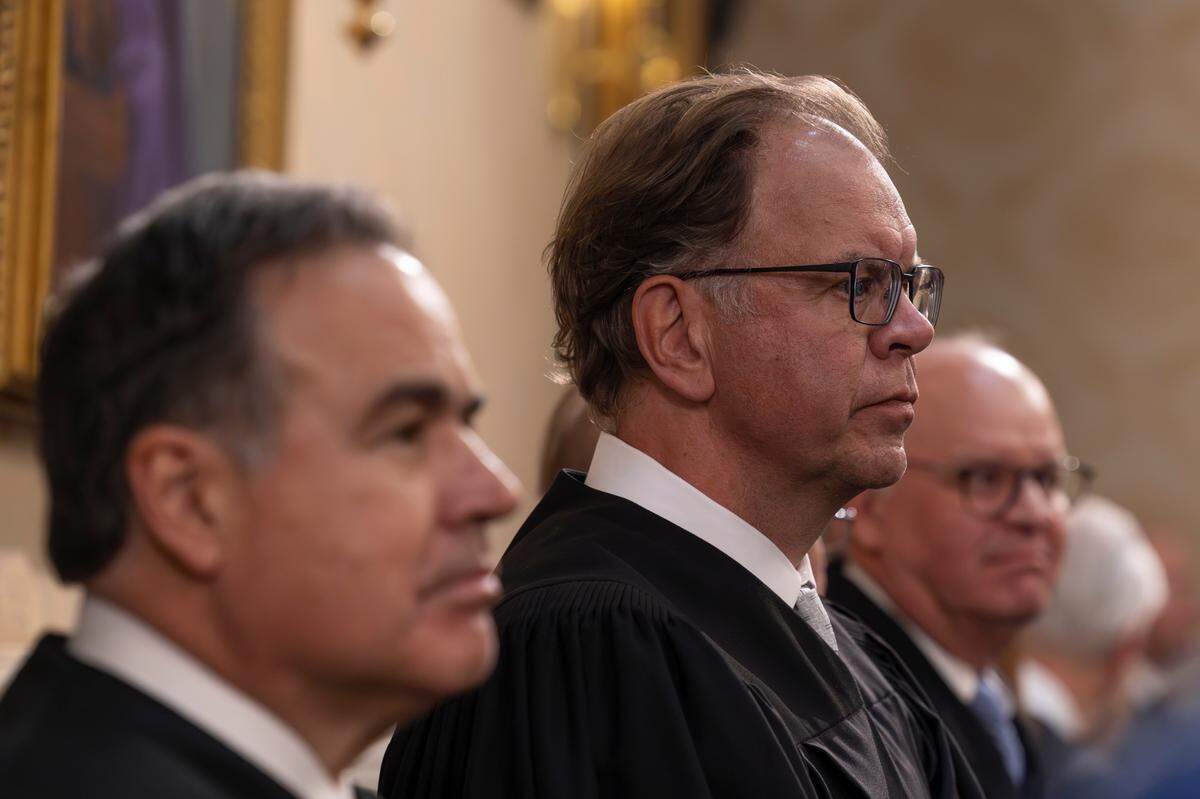
The judicial position that received the most attention and time this week was the spot on the state Supreme Court currently held by Justice John Few, who is seeking reelection. He has three challengers: Administrative Law Judge Ralph Anderson, Appeals Court Judge Blake Hewitt and former House Speaker Jay Lucas.
All four were deemed qualified and nominated for election by the General Assembly.
Lucas would appear to potentially have an advantage because he served in the House from 1999 to 2022. But he has never been a judge. Caskey wanted Lucas to address the concern of a lack of judicial experience head on.
“Becoming a Supreme Court justice was almost like becoming speaker of the House, something I never sought. Sometimes the position seeks you out, sometimes for reasons totally foreign to you, and that’s where I find myself,” Lucas said.
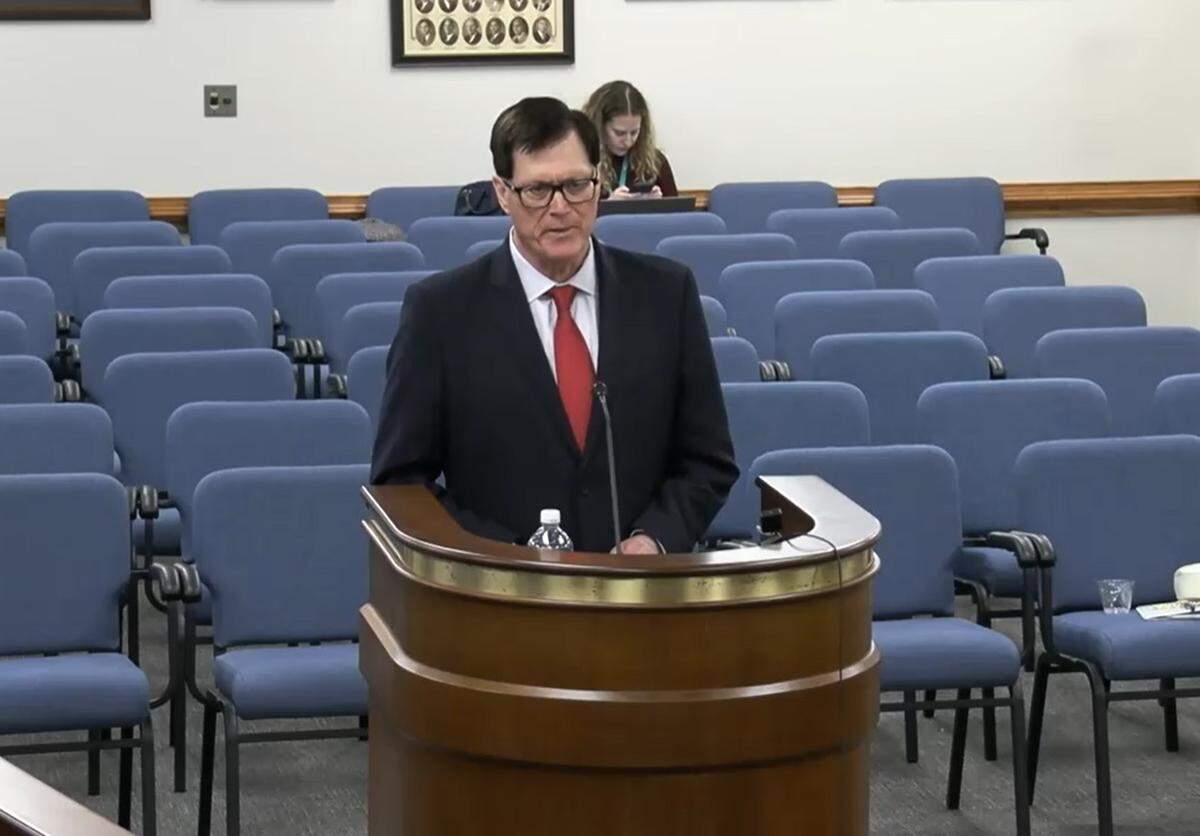
JMSC members also expressed concerns of the appearance of a former lawmaker being elected to a judicial position, an issue Lucas conceded exists.
“In the event you were successful in your candidacy, perhaps you have some people thinking it can represent the emergence of some sort of incestuous relationship between the General Assembly and the high court. You are sensitive to that,” state Sen. Overture Walker said.
Lucas said he would not have a bend or lean toward the legislature.
“Understanding how strong the legislative body is,” Lucas said. “I know how the legislative body works, and rather than be someone who would be a shill for the legislature understanding this process, I would be more inclined to hold the legislature accountable.”
The state Supreme Court candidates faced questions about whether they show certain political leanings from time to time.
JMSC member Joseph Strickland, who was appointed by McMaster, asked Lucas about his work with Prisma as vice president for governmental affairs and whether he directed contributions from the hospital’s PAC to lawmakers, which Lucas said he didn’t do.
Anderson faced a question about his attendance to a Democratic caucus event in 2016.
“I went to the event. It was a social event. They didn’t appear to be anything different than the other events that we had been approved to go to,” Anderson said.
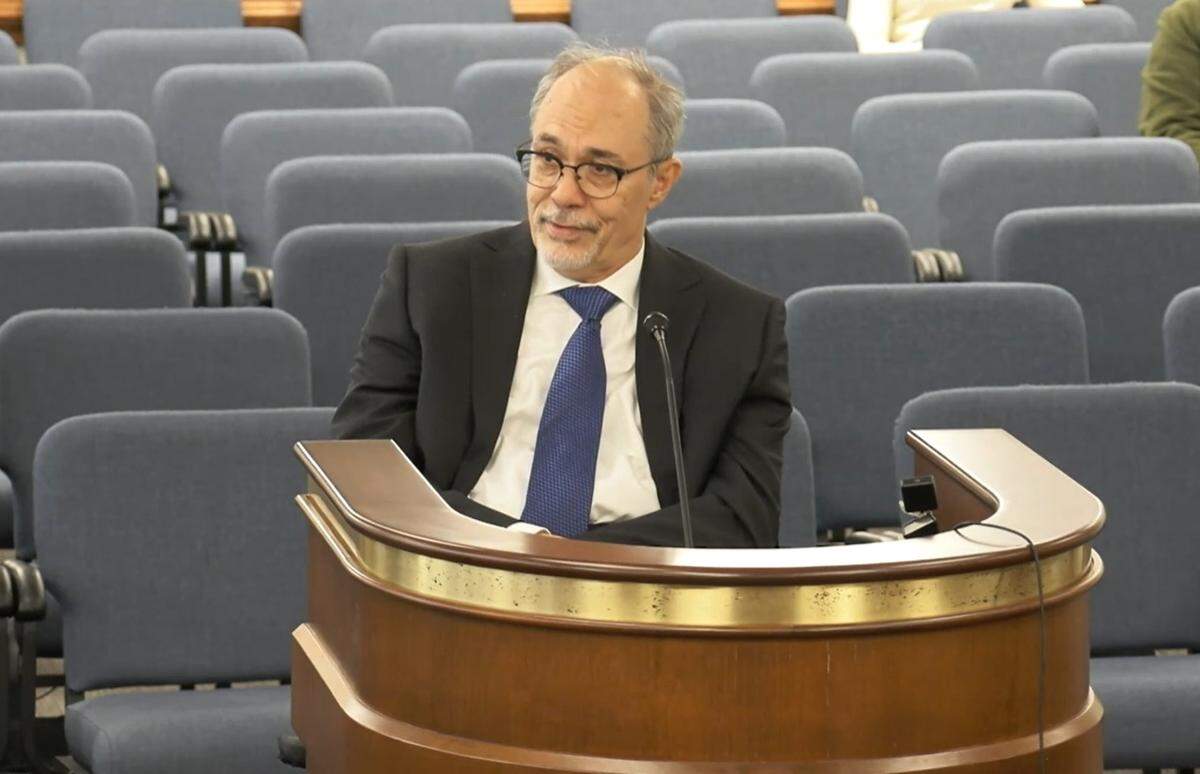
The Supreme Court candidates also faced questions of how they arrive at their decisions.
Appearing to reference a pending case where Anderson rescinded an order for Reddy to remove a seawall, state Sen. Luke Rankin pressed Anderson on how decisions to rescind orders are made.
“Is that procedurally proper and or a rule that you have abided by and or used before?” Rankin asked.
Anderson said he needed to rescind the order so he could have time to review requests for considerations without facing an immediate 30-day deadline.
Hewitt had the shortest time in front of the JMSC during questioning, but Peter Protopapas, who was appointed by McMaster to the JMSC, wanted to know about the appeals court judge formulates his rulings.
“I like to know a little bit more about your process for deciding cases, especially cases with novel issues involving which is what you would face if you were a justice in the South Carolina Supreme Court. Can you give me an outline how you would approach such a case?” Protopapas asked Hewitt.
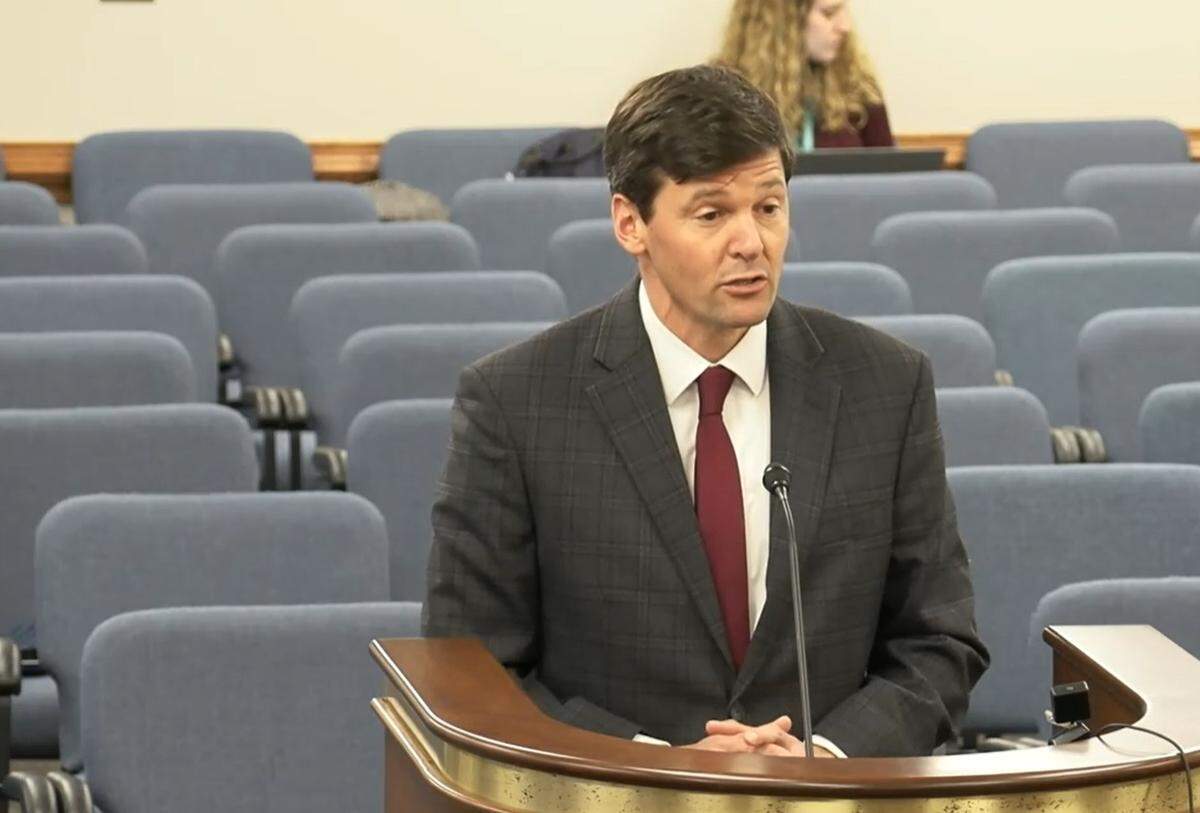
“For me, the process is lining up all the cases that I can find that are useful, working through them and letting the best arguments rise to the top of seeing how they cash out.” Hewitt responded.
Few had to defend his decisions to strike down a six-week abortion ban in January 2023 and then uphold a tweaked law seven months later.
“To go to one of the commenters, anonymous though they be, I would read from their view of you, you got it right the first time, but you got it wrong the second time, and so effectively, he can’t get it right, particularly on the abortion case in South Carolina’s passage, and then it’s fixed where you affirm the rewrite of South Carolina’s abortion (law),” Rankin said to Few.
Few said the General Assembly only provided one policy goal in the 2021 law that was struck down. In the 2023 act, lawmakers included several more.
“In the two cases that you’ve asked me to consider, Planned Parenthood one and Planned Parenthood two, while the crux of the statute is the same, the policy judgments are different. To me that changes everything and I wrote about that in my first dissent, not dissent, first concurrence, extensively, and I wrote about it again in the second one, in a concurring opinion,” Few said.