Who decides what SC spends money on? What becomes law? Some SC lawmakers to know
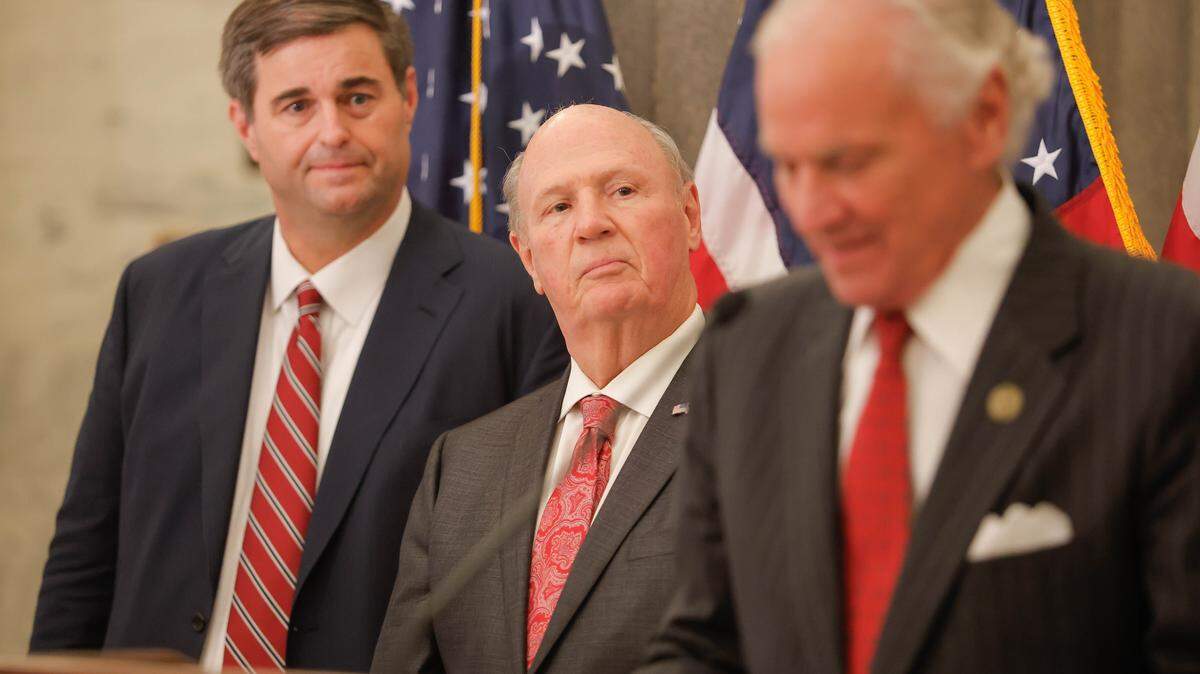
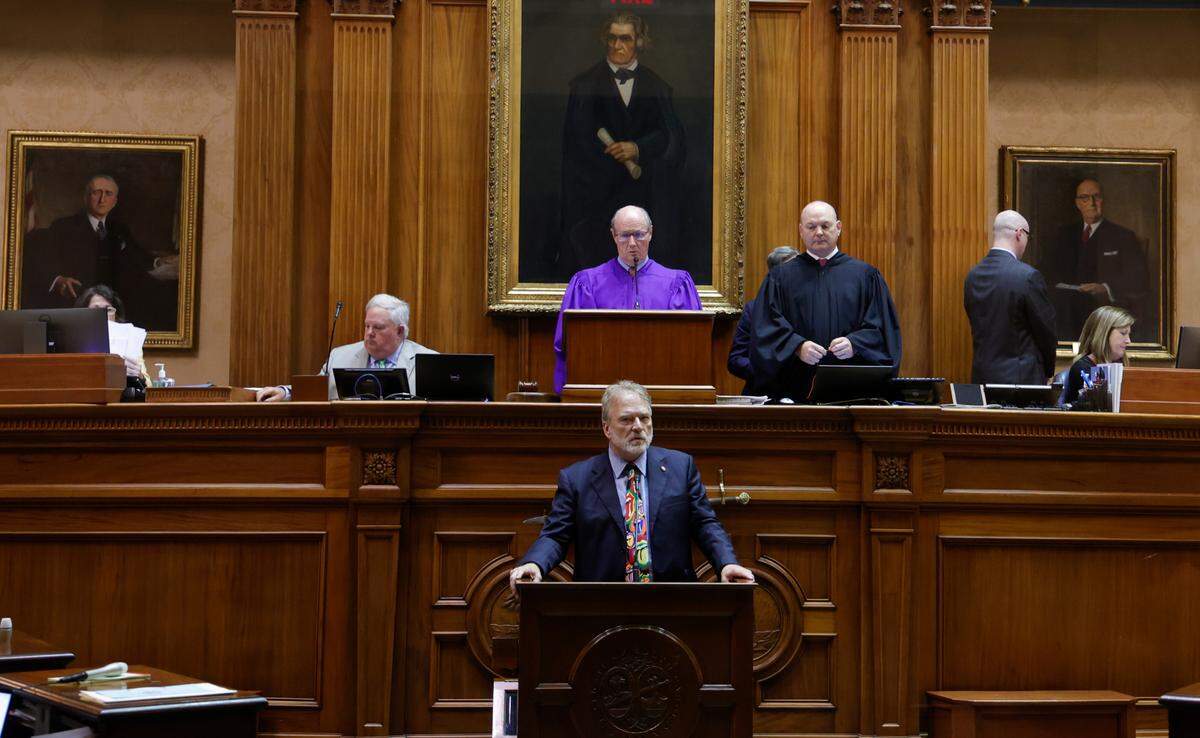
Some South Carolina lawmakers decide how to spend the state’s money. Others determine legislative priorities for their political party’s members like cutting income tax or strengthening penalties for drunk driving. Some decide who will serve on and lead committees, the first hurdle to a bill becoming law.
These leadership roles have an impact on what becomes laws, and which issues are sidelined. Before the South Carolina General Assembly reconvenes for 2026 next week, here are some of the important decision-makers to know:
Who leads the House?
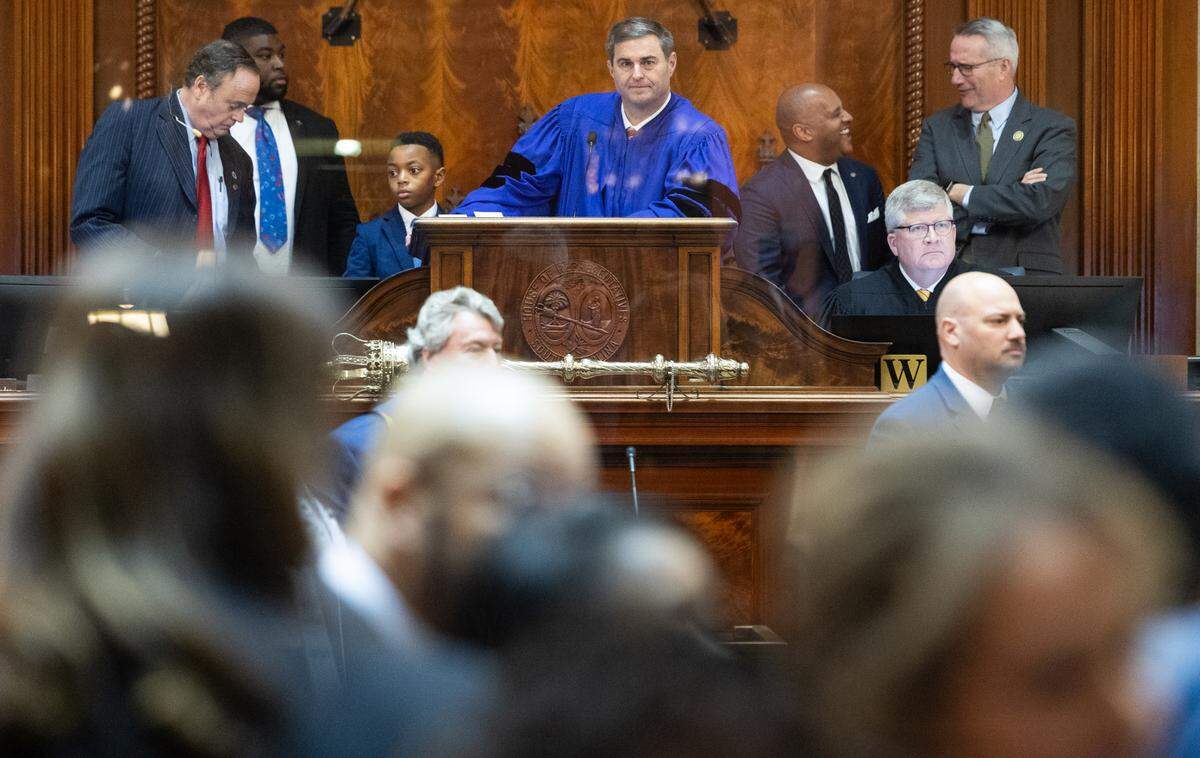
State Rep. Murrell Smith, R-Sumter, was unanimously elected House speaker in 2022. The speaker sets the legislative agenda and creates committee assignments, giving the speaker’s priorities more weight in the body.
Smith also presides over a Republican supermajority, though the party is split into factions with the SC House Freedom Caucus, a far-right coalition of fewer than 20 lawmakers.
Smith, an attorney, was first elected in 2000. He previously chaired the Ways and Means Committee, which writes the state budget.
Who leads the Senate?
Sen. Thomas Alexander, R-Oconee, has served in the state legislature for nearly four decades. The Senate president was first elected to the House in 1986 and has been in the Senate since 1995.
Alexander, an Upstate businessman, oversees the 46-member Senate, allowing him to choose who sits on committees. He was elected in 2021 after state Sen. Harvey Peeler, R-Cherokee, stepped down to run the Finance Committee.
Who controls the money?
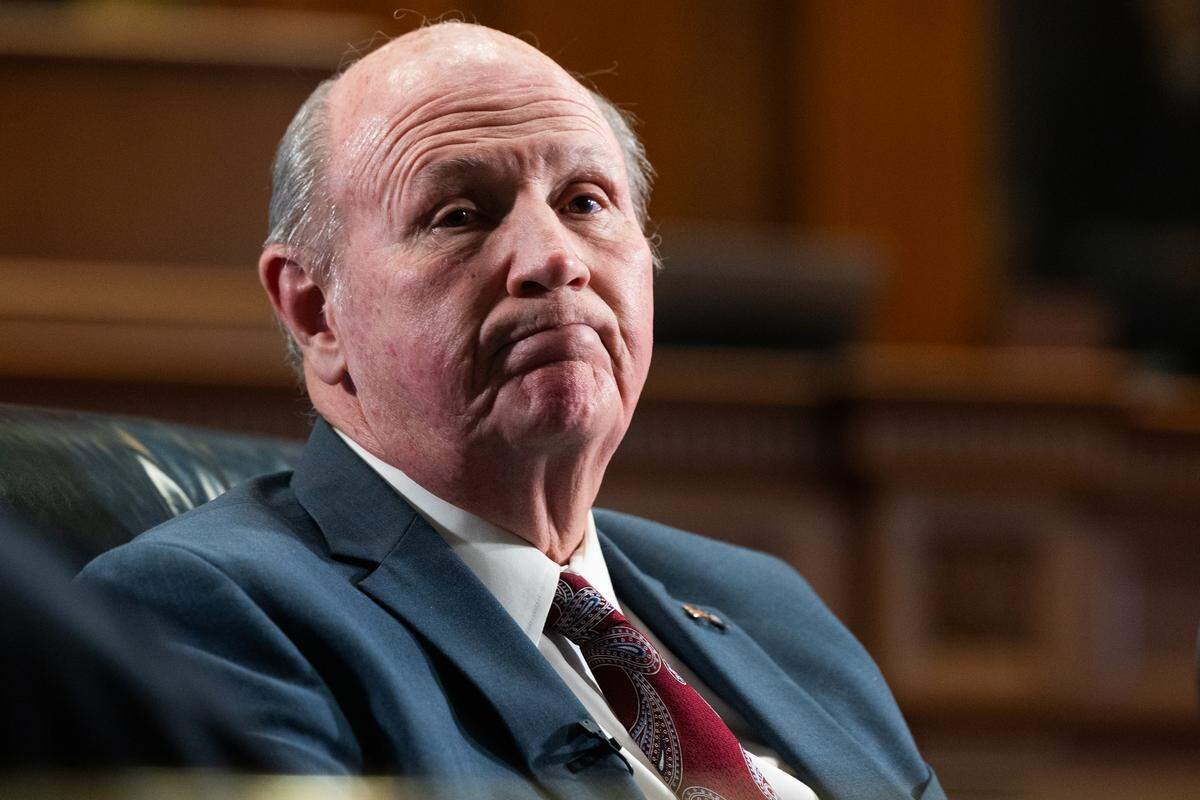
State Rep. Bruce Bannister, R-Greenville, and Sen. Harvey Peeler, R-Cherokee, lead the House and Senate committees responsible for crafting the state’s budget. Bannister chairs the House Ways and Means Committee, and Peeler leads the Senate Finance Committee.
Every year, South Carolina lawmakers decide how to spend the state’s money, which was a roughly $41 billion budget this year. For next fiscal year, lawmakers will have an estimated additional $2.4 billion to allocate. About $1.7 billion of that will be one-time money.
Last year, earmarks — money for lawmaker’s districts –were left out of the budget by Peeler and Bannister, and it will be up to the chairmen if the investments in local projects come back in 2026.
Bannister, an attorney, has served in the House since 2005. Peeler is the Senate’s most senior member and previously led the chamber. He has been in the Senate for over four decades, since 1981.
Who leads the Republicans caucuses?
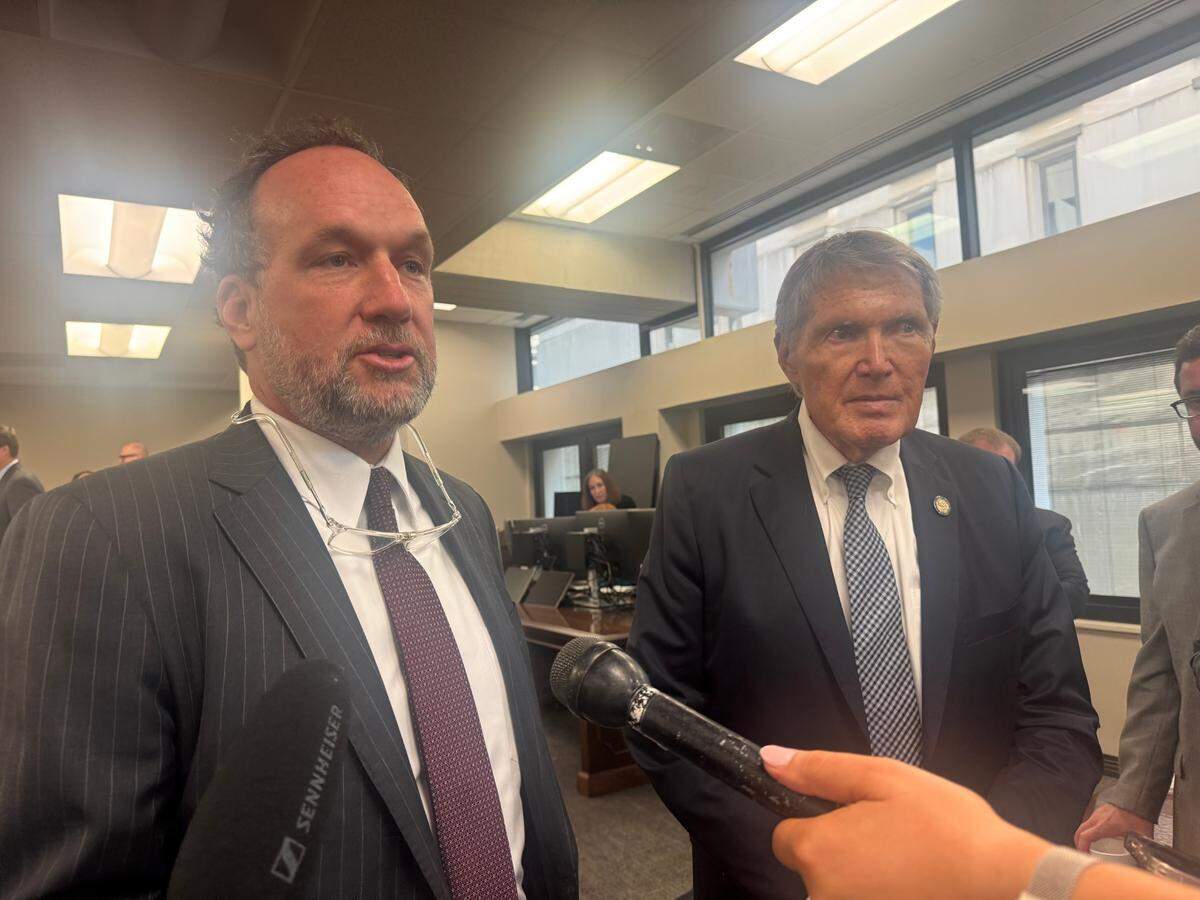
Republicans have a supermajority in South Carolina’s House and Senate, so leaders of the GOP caucuses have an influence over what is prioritized in the statehouse. Sen. Shane Massey, R-Edgefield, is the Senate majority leader, and Rep. Davey Hiott, R-Pickens, leads the House GOP caucus.
Massey leads 34 Republican senators and was first elected to lead the caucus in 2016. The Edgefield attorney has served in the Senate since 2007.
Hiott, a business owner, has been in the House since 2005, and he was elected majority leader in 2022.
Who leads the Democratic caucuses?
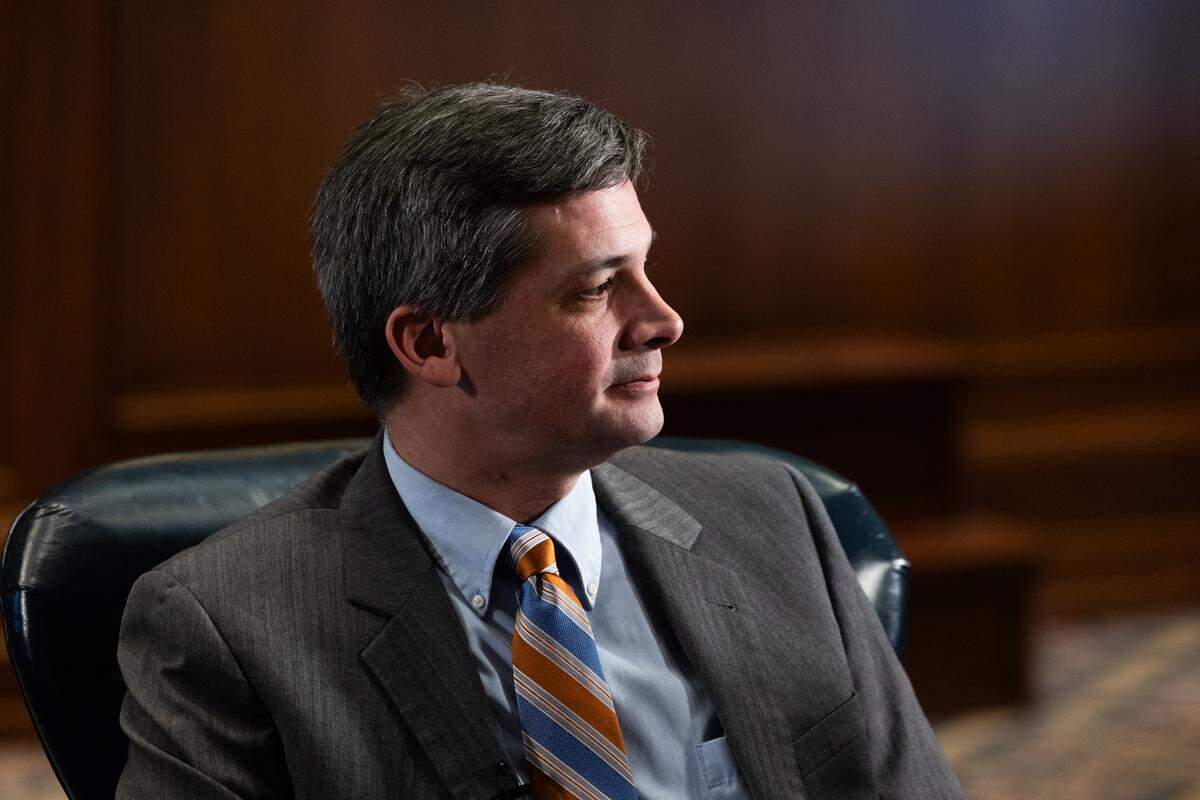
State Rep. Todd Rutherford, D-Richland, and Sen. Brad Hutto, D-Orangeburg, lead the minority parties in the House and Senate, respectively.
Hutto, an attorney, was elected to lead the caucus in 2020 and has been in the chamber in 1996. Hutto has helped kill some proposed abortion bans.
Rutherford, also an attorney, sits on the House Ways and Means Committee and has led the caucus since 2013. He has served in the House since 1999.