What’s in SC Gov. Henry McMaster’s final budget proposal for state employees?
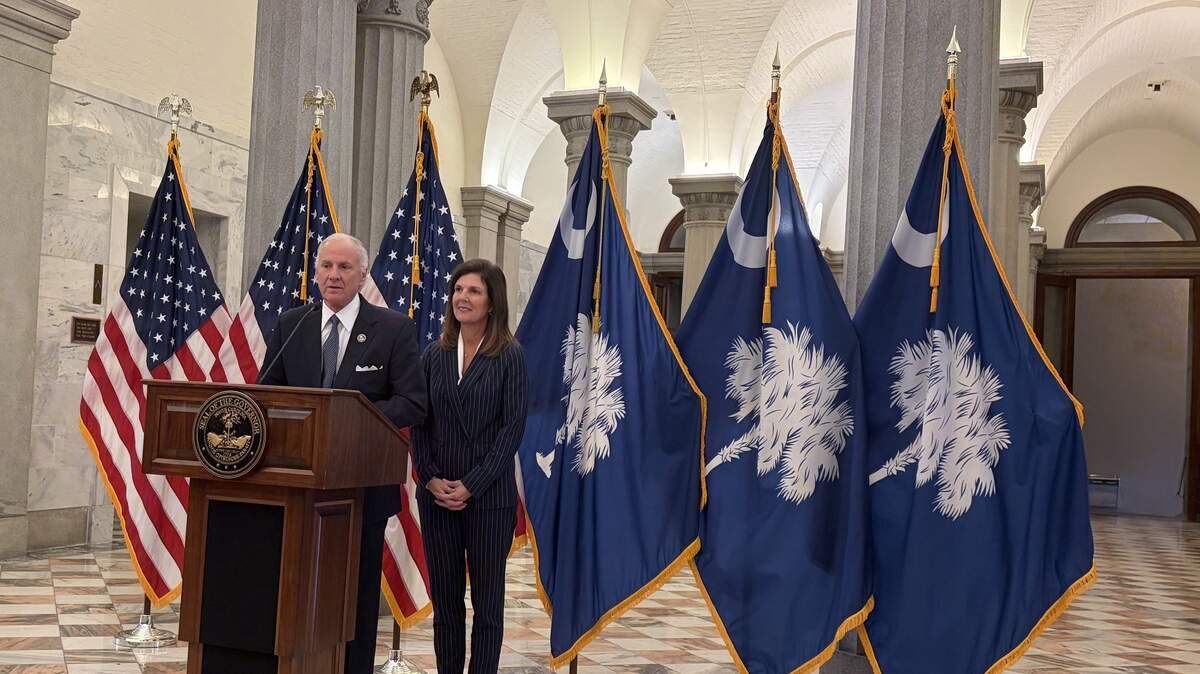
Gov. Henry McMaster did not include an across the board pay raise for state employees in his proposed $15.8 billion general fund spending plan.
McMaster, however, included pay raises for law enforcement in South Carolina.
McMaster in the past has not included across the board raises for state employees instead opting to give agencies flexibility.
“I don’t favor across the board, it ought to decision of various agencies. It works better,” McMaster told reporters.
However, the General Assembly has in years past included money to give raises to state employees. Last year lawmakers added $66 million to state spending for raises for state workers. Budget writers also tried to give larger percentage increases to those on the lower end of the pay scale.
McMaster did propose spending $36 million more a year to ensure those on the state health plan don’t see a premium increase for the 13th straight year.
This is McMaster’s final executive budget proposal. He can’t run for reelection this year because of term limits.
McMaster did include money to give raises to some state employees.
“To keep South Carolinians safe, we must maintain a robust law enforcement presence — and properly ‘fund the police.’ ” McMaster wrote in his letter to lawmakers.
The governor’s executive budget includes $10.7 million for law enforcement pay raises and to hire new agents and officers.
The state conducted an analysis a few years ago of law enforcement pay and “was aimed at ensuring salaries are competitive to attract and retain top-tier talent,” McMaster wrote.
As in years past, McMaster asked the General Assembly to provide a $2,000 state income tax credit for every active-duty law enforcement officer, firefighter, first responder and emergency medical technician employed by a public entity. It would cost about $45 million.
Lawmakers have $734 million in annual money to allocate and $1.7 billion in one-time money available.
The General Assembly is set to return to the State House Tuesday.
This story was originally published January 12, 2026 at 2:34 PM.