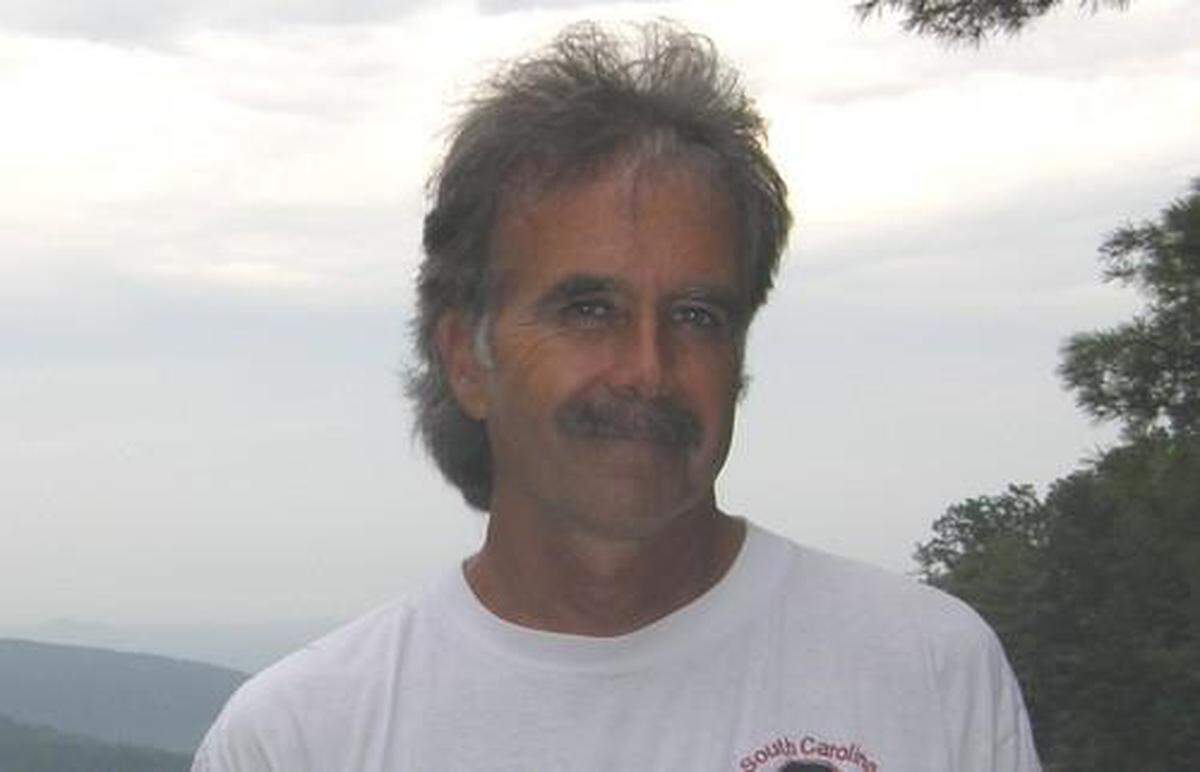
Reporter Lee Bandy held politicians accountable. Journalists are saluting his work
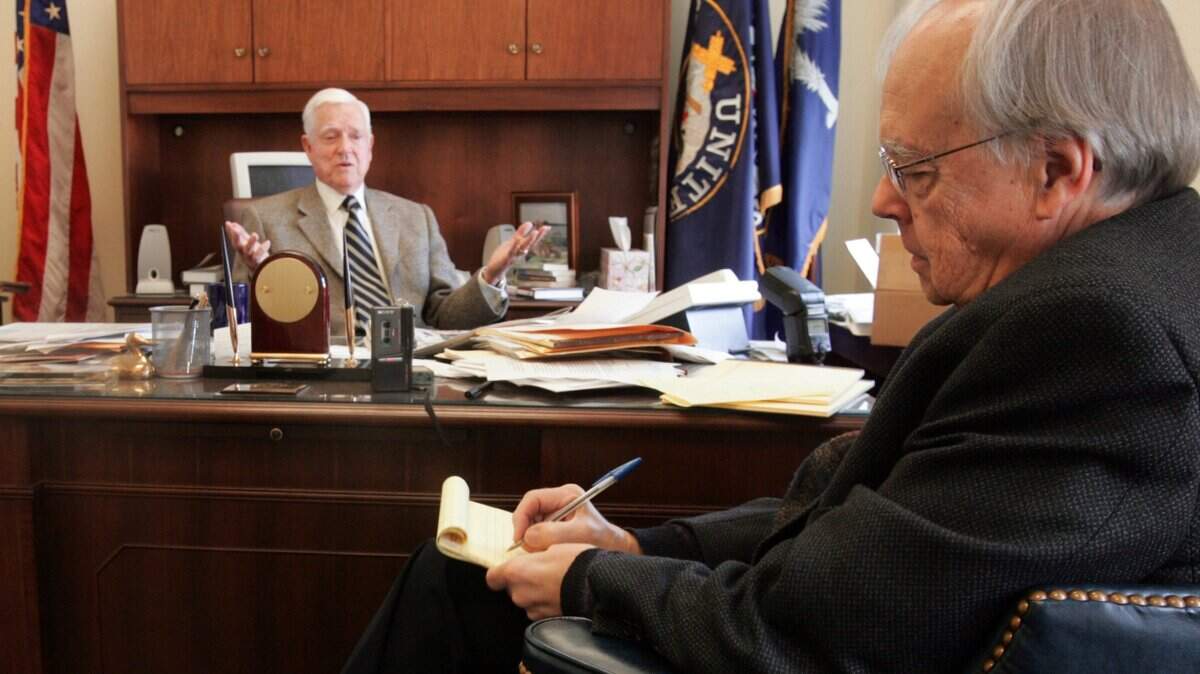
Lee Bandy would sometimes share with fellow reporters why he routinely asked questions that made politicians uncomfortable.
“You’ve got to stir the pot,’’ Bandy would say, explaining that a journalist’s job is to hold elected leaders accountable.
In four decades as a political writer at The State, Bandy used an extensive network of sources and a quiet drive for the truth to inform readers about the latest in South Carolina politics.
He often broke stories no other news outlets had and he kept politicians on their toes, courtesy of a strong work ethic and an interview style that was so smooth he could get almost anyone to talk with him.
Now, Bandy’s legacy as a political reporter and columnist is being recognized by the S.C. Press Association. Bandy, who died in 2013, will be inducted posthumously into the South Carolina Journalism Hall of Fame.
He will be only the second journalist chosen for the hall as a reporter, the association says. Many of the hall’s 83 members are editors and publishers. The association will honor Bandy at a luncheon March 6 in Columbia.
“If Lee Bandy isn’t deserving of this honor, I don’t know who is,’’ said former Gov. David Beasley, who tangled with Bandy on multiple occasions. “When I think about South Carolina journalism, he’s the first name that pops into my mind.’’
Bandy, who was 78 when he died, wrote stories for The State as early as 1963. He became the newspaper’s Washington correspondent in 1966, working in the D.C. bureau for decades, before moving to Columbia to become The State’s southern political writer.
Friendly and always polite, Bandy was known as the dean of the state’s political journalists, regularly appearing on national television news shows about elections and politicians in South Carolina. With his distinctive baritone, he was a natural for it.
At his funeral in Columbia, scores of current and former journalists from The State’s newsroom showed up. Even competitors from other newspapers were there. So were political figures he had covered.
Those included Republican Henry McMaster, a future governor of South Carolina; former Republican Gov. Mark Sanford; Democrat Inez Tenenbaum, then chair of the U.S. Consumer Products Safety Commission; family members of the late Republican Gov. Carroll Campbell; and then state Commerce Secretary Bobby Hitt, a one-time managing editor at The State.
“There are people in the world who do great things, and he certainly did, but there is nobody I’ve ever worked with who engendered such universal respect,’’ said Aaron Gould Sheinin, a former state capitol reporter for The State who worked with and learned from Bandy.
Sheinin, who went on to cover the Georgia legislature for the Atlanta Journal Constitution, said working with Bandy helped him immensely in both Columbia and Atlanta. He would sometimes use Bandy’s name to break the ice with politicians – and he would remember Bandy’s even-tempered style in working the government beat in Georgia.
“The legion of Bandy acolytes who emerged from that newsroom at The State is incredible,’’ Sheinin said. “We all learned at his knee. We took his work ethic, his mannerisms and his ideals to heart, carrying them on when we left The State. That’s a legacy to be proud of.’’
Well-known in Washington
Others who worked with Bandy at The State in Columbia included Valerie Bauerlein, the Wall Street Journal reporter who wrote a book on the Lowcountry’s Murdaugh murders; Michelle R. Davis, who wrote for the national publication Education Week in Washington and is now an executive editor at AARP; and Leroy Chapman, one of Bandy’s former editors at The State who now is editor-in-chief at the Atlanta Journal Constitution.
Davis, who worked at The State’s Washington bureau after Bandy left, said the veteran journalist’s name still resonated with people inside the Beltway, years after he moved from D.C. to Columbia.
“Every single place I went, I would say ‘I have Lee Bandy’s old job,’ and they would go ’OK, I get it now,’’’ Davis said, explaining that the mention of Bandy helped open doors for her. “He remained a legend forever up here. He had fans in every corner of the capitol among the press corps, and among a lot of the politicians.’’
Bauerlein said she learned many things from her mentor, including the little details that make a difference — like returning every missed phone call, even when a reporter isn’t looking forward to the conversation, and treating people with respect.
Bandy also made sure others who edited his copy learned the political landscape. When a new politics editor, Carolyn Click, was assigned to him in the mid-1990s, he routinely took her to lunch at the downtown Capital City Club, so he could introduce her to the state’s leaders and explain the sometimes stormy South Carolina political scene.
Connections and scoops
One example of Bandy’s work ethic and his extensive sourcing occurred in March 1995, not long after he moved to Columbia from Washington.
At home on a Saturday night after visiting Columbia’s annual St. Patrick’s Day festival, Bandy got a call from Beasley that a major manufacturing plant would be expanding its eastern South Carolina factory, bringing 350 jobs to the Pee Dee.
So Bandy hustled down to The State’s newsroom on Shop Road and wrote a story that anchored the paper’s front page the next day. Beasley had called Bandy, while the governor was on an industrial recruiting mission in Taiwan, because he trusted Bandy to tell readers the big news.
Chris Weston, who got to know Bandy as a friendly competitor in Washington, recalled the time The State journalist scooped everyone on a key appointment by President George. W. Bush.
Bandy reported that Bush would choose a prominent South Carolina leader as a foreign ambassador. Other reporters were left scratching their heads about how Bandy had beaten them on the story. So they started trying to figure out what had happened, said Weston, who worked for the Greenville News in Washington and later was managing editor in South Carolina.
“After a few phone calls, it was clear that Lee’s source was the president,’’ Weston said. “How do you compete with that?’’
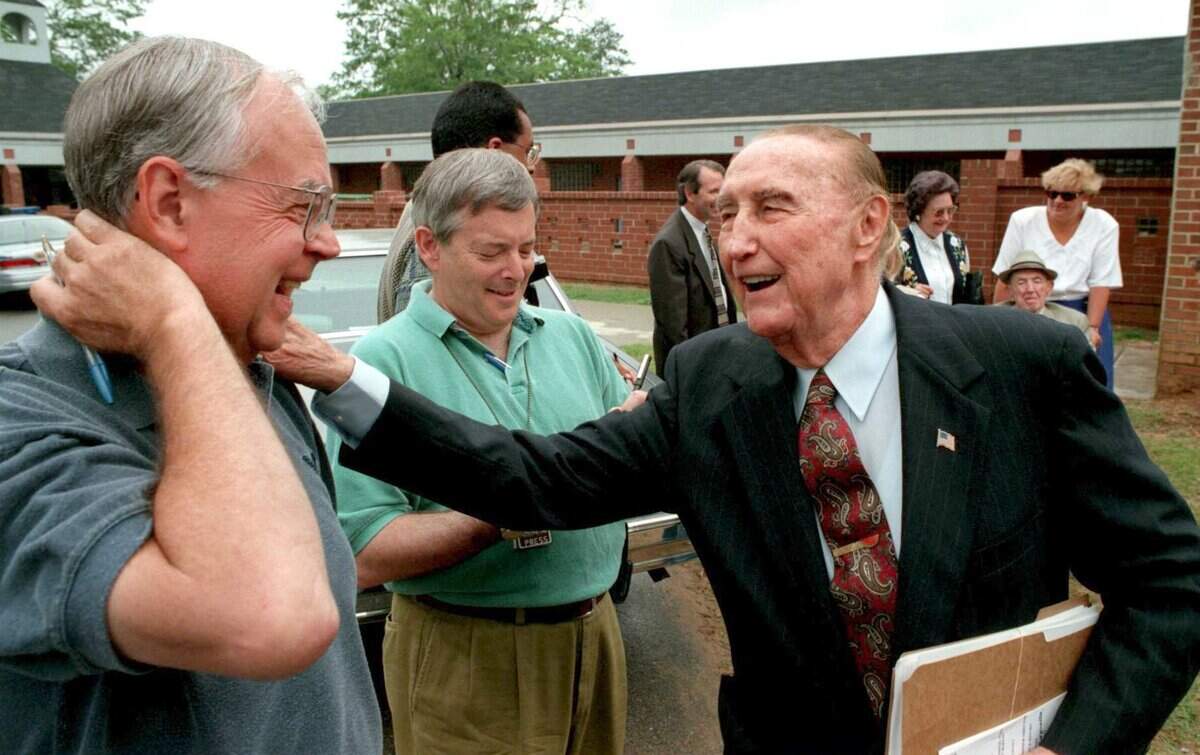
Bandy, fellow journalists say, seemed to know everyone. He was on a first-name basis with members of Congress, including the South Carolina delegation. Among them were the late U.S. Sens. Strom Thurmond, R-S.C., and Fritz Hollings, D-S.C.
He covered them during a time when members of different political parties would argue in Congress but get together later and talk over dinner. While a reporter with The State, he wrote stories with South Carolina angles from national presidential nominating conventions beginning in 1968.
The State’s longtime reporter John Monk, who also competed against Bandy as a writer with The Charlotte Observer in Washington, said Bandy was an impactful journalist because he put in the legwork to do the job right.
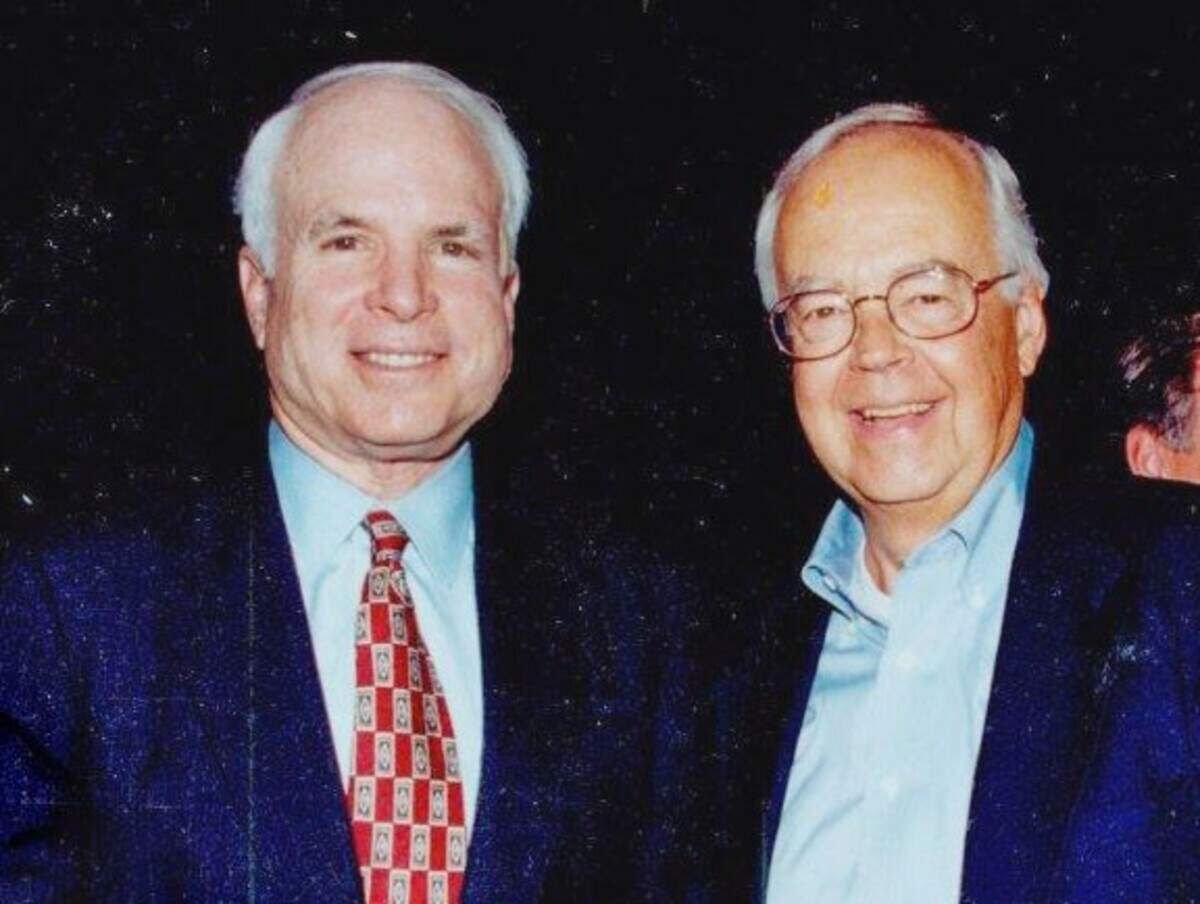
“You don’t win the trust of all these sources overnight,’’ Monk said.
People’s reporter
Beasley and former journalist Bob McAlister, who went to work for Gov. Campbell, said Bandy regularly zinged politicians with edgy stories that many of them didn’t like.
Some of those were inside scoops about the latest infighting. Others were voter stories, in which he visited small South Carolina towns to gauge what was on the public’s mind. Voters often told Bandy politicians needed to do a better job.
“There was nothing he did better than a walk-and-talk in a place like Newberry,’’ Bauerlein said. “You’ve got to connect with the people, and he was so good at that.’’
It was hard for politicians to stay mad at Bandy because he was good-natured and blessed with a soothing charm, those who knew him said.
Bandy was so good at treating both Democrats and Republicans the same that no one could ever figure out how he voted on Election Day, said McAlister, who now runs a public relations firm in Columbia.
“Lee made friends with the people from both sides of the political spectrum, but to this day, I don’t know Lee’s philosophy,’’ McAlister said. “I never heard him talk about politics other than in the context of what he was reporting on.’’
A native of Asheville, N.C., Bandy was the son of a preacher. He remained an avid churchgoer until his death. Bandy graduated from Bob Jones University in Greenville and later spent three years in the Army.
During his years in Washington and in Columbia, he was active in the Gridiron Club, one of DC’s oldest and most prestigious journalism institutions. Upon his retirement, he received the Order of the Palmetto, South Carolina’s top civilian honor. He is also a member of The State-Record Hall of Fame in Columbia.
Aside from his work as a journalist, he was an accomplished singer and a family man. He and his wife, Mary, had three children.
This story was originally published February 26, 2026 at 6:00 AM with the headline "Reporter Lee Bandy held politicians accountable. Journalists are saluting his work."