
SC Republicans divided on intoxicating hemp ban. Can they agree on how to regulate it?
Last week, South Carolina Republican senators had two options: Go along with their state party’s direction and ban intoxicating THC consumables or try and regulate the growing industry.
Lawmakers narrowly voted against a prohibition on the high-inducing hemp products that have become more popular on grocery store shelves and restaurant menus. Now, the Senate will continue debate over how to best regulate hemp edibles like drinks, gummies and tinctures. The state does not currently regulate THC products, so there are currently no age, testing or packaging requirements.
“If we’re not going to ban it, then I want to regulate it,” Senate Majority Leader Shane Massey, R-Edgefield, said Wednesday. “And I want it to be as strong and workable as possible.”
Massey said he was “hopeful” the chamber could pass a regulation this year, but he had concerns about building consensus depending on changes made to the bill.
In its current form, the regulation would ban all consumables with THC besides some low-dose drinks. It will also restrict the drinks to adults 21 and over, create new packaging and testing requirements and place rules on where the products could be sold.
But debates over where and when the products can be sold, how strong they can be and whether to limit sales to beverages will likely continue this week. Proposed changes to restrict all THC drink sales to liquor stores and allow some Sunday sales already failed Thursday.
A few weeks ago, the House also faced a split over how to regulate THC products. While Republican leaders voted for stricter hemp regulations, others in the caucus, the hard-right SC Freedom Caucus members and Democratic lawmakers voted against a ban amendment and to rework a strict regulation. The opposition worked, and the hemp regulation was sent back to committee, while the ban never received a vote. The House is now waiting to see what the Senate passes.
“This went off the rails over there [the House],” Massey said Wednesday. “And so my hope is that if we can come to a consensus on a good regulatory scheme, and we demonstrate some leadership in that regard, my hope is that the House would recognize that and then would act on it accordingly.”
Marijuana is illegal in South Carolina for all uses. THC, the intoxicating compound found in marijuana, also shows up in legal hemp, allowing businesses in South Carolina to sell high-inducing edibles.
South Carolina’s THC industry has grown since the 2018 Farm Bill legalized production of hemp nationwide, as long as it does not more than 0.3% delta-9 tetrahydrocannabinol of its dry weight. The proliferation of THC edibles is a loophole in the U.S. Farm Bill, some lawmakers said.
“It’s because THC is here,” state Sen. Greg Hembree, R-Horry, said on the floor Thursday. “It’s here through the back door. It’s here not through thoughtful legislation. This is here through a loophole, through a trick, a mistake. So now we’re dealing with a mistake.”
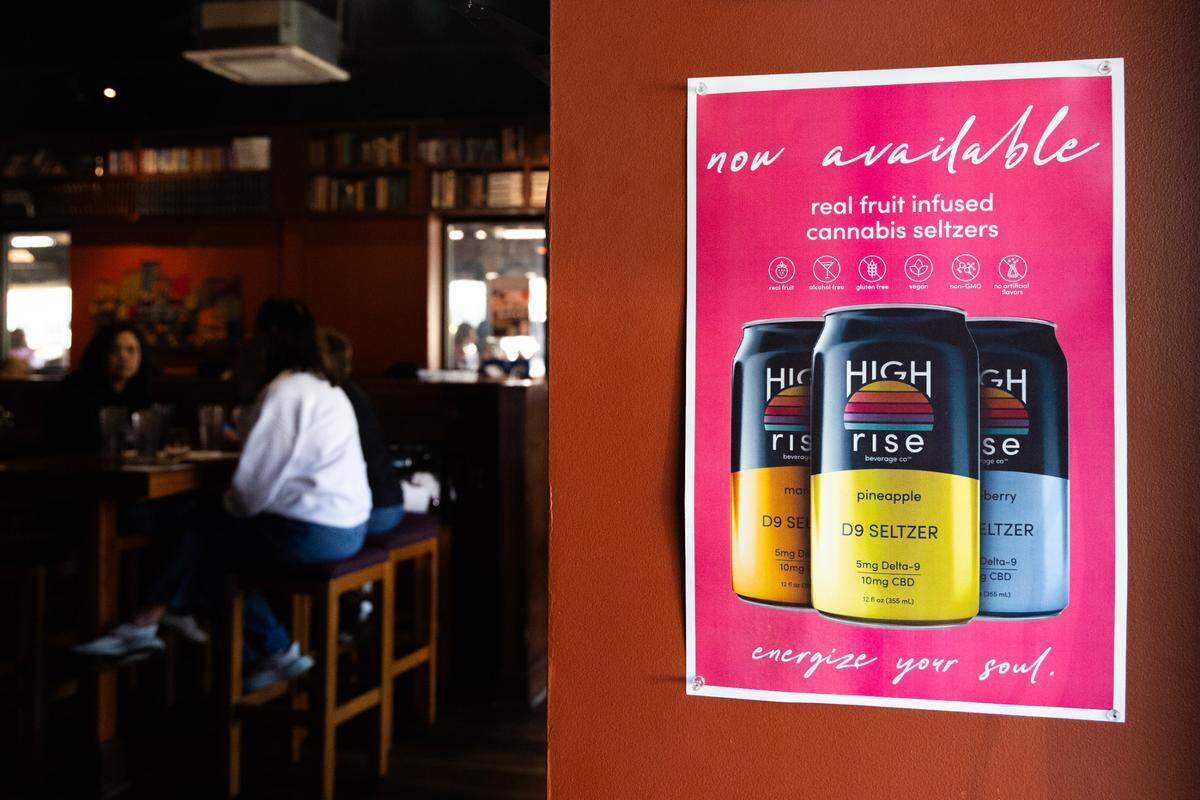
Sunday sales? THC drinks in bars?
A current version of the hemp regulation would ban THC drinks from being sold in bars or restaurants. Tinctures and gummies, and all edibles apart from low-dose drinks, would also be prohibited. While some drinks could be sold in grocery stores and gas stations, bottles with more doses would only be sold in liquor stores.
Some of those proposed rules may be controversial and lead to debate, said Massey and state Sen. Michael Johnson, R-York, Wednesday. Folding drivers high on legal THC products into the state’s DUI laws may also a sticking point for lawmakers, Johnson said.
Other rules will likely be easier to pass. Limiting sales to adults 21 and over and banning businesses from marketing or packaging products in ways that appealed to children has received little pushback.
Republicans disagree over regulating THC
A few weeks ago, Johnson attended an event in his York County district where he asked some attendees if anyone consumed hemp-derived THC products.
“The overwhelming response was most of the people at the table,” Johnson told reporters Wednesday. “I was a little shocked, and they all said, ‘You’re not really going to ban this. Are you?’ And no one has personally contacted me and said, ‘I want you to ban this.’ ”
Johnson said Republicans in his district are different from people living in other districts, which was reflected in the vote.
“I think depending on where you live, you’re getting a different response,” he said. “And I think you saw that in the voting today.”
Republican leaders in the Senate voted to ban the products, including President Thomas Alexander, R-Oconee, and Massey, but 13 others in the GOP caucus joined Democratic lawmakers opposing a prohibition.
The vote bucked the advice of state GOP chair Drew McKissick. McKissick asked lawmakers to ban THC products in a note sent shortly before the upper chamber convened last Wednesday afternoon.
“We don’t need to make it any easier to get high in South Carolina,” said McKissick in a news release. “We should just say ‘no’ to ‘marijuana drinks’ and other THC infused products.”
Those in favor of keeping THC around, including business owners and some lawmakers, say banning the product would hurt businesses already producing and selling the products. Others argued for its medical uses and said banning it could impede personal freedom.
But Republican lawmakers pushing for a ban worried about risks to public safety and the possibility of more intoxicated drivers on South Carolina roads. While many said they would be okay with a narrowly tailored medical THC bill, there were concerns about allowing the products for broad recreational use.
Plus, some lawmakers who voted to ban THC said South Carolina’s Republican party platform opposes legalizing controlled substances.
“If we adopt this, are we not going against what our leaders in the Republican Party and our Republican platform call for?” asked state Sen. Billy Garrett, R-Greenwood on Wednesday. Sen. Richard Cash, R-Anderson, who proposed the amendment to ban THC, agreed the Republican platform opposed legalizing recreational marijuana products.
Changing policies on THC and marijuana has seen growing support in the Republican party, including from the president. President Donald Trump signed an executive order in December directing his administration to expedite the process to reschedule marijuana, which could allow the product for some medical uses.
The executive order also directed policymakers in the administration to work with Congress to develop a regulatory framework for hemp-derived cannabinoid products, which have increased since the 2018 Farm Bill.
“This will include consultation with appropriate executive departments and agencies and authorities to develop a regulatory framework for hemp-derived cannabinoid products, including development of guidance on an upper limit on milligrams of THC per serving with considerations on per container limits and CBD to THC ratio requirements,” the executive order read.
The direction came weeks after the deal to reopen the government included a ban on products with more than 0.4 milligrams of THC in the total package, which would apply to most products. The provision won’t go into effect until November.
The hemp industry saw Trump’s rescheduling executive order as a “lifeline” following the continuing resolution’s passage, The Hill reported in December.
Cash said the new federal provision effectively will ban THC consumables, which passed under Trump, showed national Republican leaders had a desire to “close the loophole” on a law that allowed recreational THC products.