Do the wealthy candidates in SC governor’s race have the inside track in race?
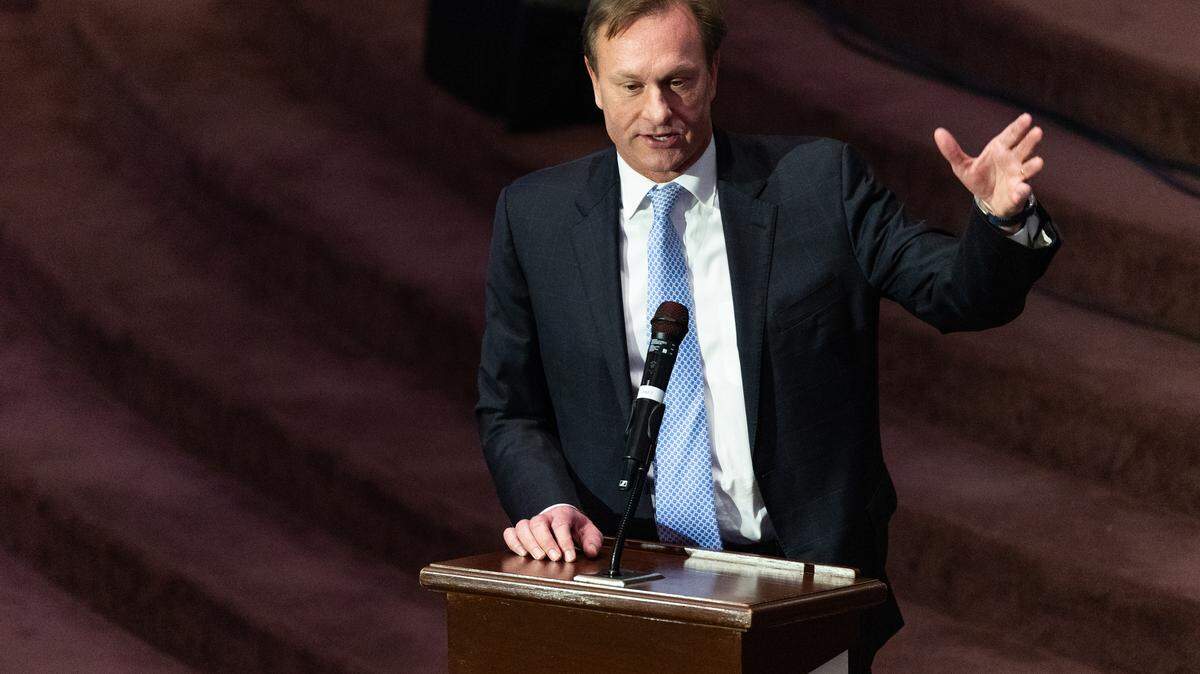
When Rom Reddy launched his Republican bid to be South Carolina’s next governor last month, he may have trailed in name recognition, but not in financial resources.
Billy Webster had a similar late entry, but has personal financial resources that could jump start his campaign for the Democratic nomination for governor.
The race for governor has five candidates who could put substantial amounts of their own money into their bids. Whether that personal wealth will move enough votes in their direction in the June primaries remains to be seen.
Reddy, the founder of DOGE SC, put $2 million of his own money into his campaign for governor and pledged not to take donations during his run.
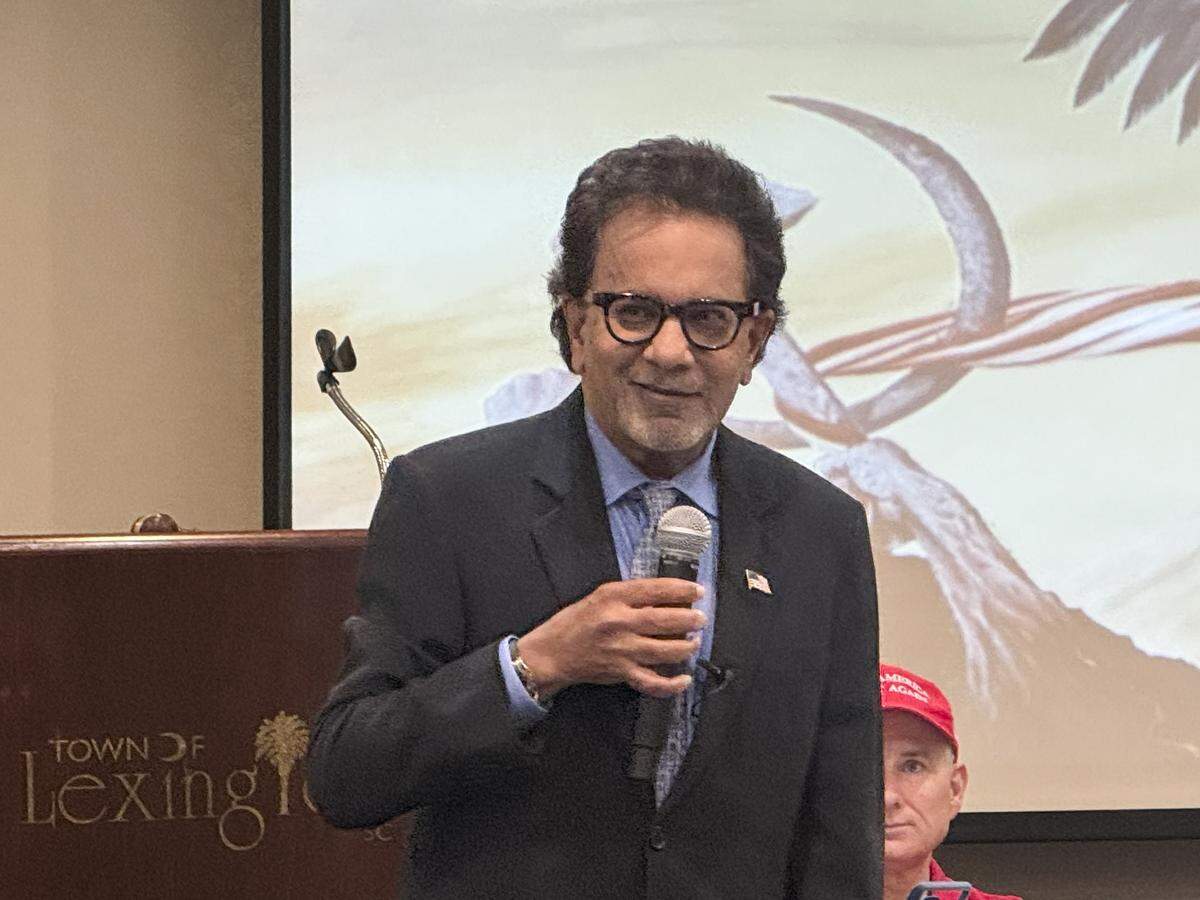
U.S. Rep. Ralph Norman, who was a real estate developer before going to Congress, has loaned his campaign for governor $1.5 million according to state ethics filings.
Lt. Gov. Pamela Evette, who founded a human resources business, put $300,000 of her own money to get her campaign started.
Charleston attorney Mullins McLeod has put in $2.3 million of his own money in his bid for the Democratic nomination for governor.
Webster, a Greenville businessman running for the Democratic nomination, has said he would put part of his own fortune into his campaign, but had yet to put in a substantial amount, according to ethics records.
They’re in financial positions that can boost their candidacies.
“Being independently wealthy gives you a seat at the table. It gives you that opportunity, but you’ve got to do more than that,” said Democratic strategist Lachlan McIntosh, who is not currently working for any campaign for governor this cycle.
Those running for governor aren’t the only candidates throwing their wealth into runs this year in South Carolina.
Greenville businessman Mark Lynch has put in $5 million of his own money into his primary challenge of U.S. Sen. Lindsey Graham.
Dr. Sam McCown, who is running in the 1st Congressional district has loaned his campaign more than $1.2 million.
Campaigns need money to pay staff and consultants, print signs, travel the state, reach out to voters, buy airtime on television and radio and other expenses.
Those who don’t have their own deep pockets have to raise money. While campaigns like to point to small dollar grassroots donors as a signal of support, larger contributors often receive more direct attention from candidates.
Candidates often spend time on the phone speaking to donors to secure a contribution to their campaigns. Consultants often push candidates to spend several hours a day making phone calls for contributions.
“If you got to spend half your time raising money, that’s time you’re not spending getting in front of voters, and especially as we’re getting closer to the primary date, that becomes really important,” said Danielle Vinson, a political science professor at Furman University.
Just because someone puts in lots of their own cash doesn’t guarantee victory.
In 2018, John Warren put in $3.3 million of his own money into his bid for governor, when he tried to oust Gov. Henry McMaster, who ascended to the governor’s office in 2017. Warren’s bid was unsuccessful, but he forced McMaster into a runoff.
“You can be a wealthy person, but if you’re not selling what the voters want, you’re not going to get elected,” Vinson said. “If you’re not doing an effective job at defining your opponents and defining yourself, you’re not going to get the job.”
Wealthy candidate pitches
Although, McLeod has had some outside contributions come in, he has mostly relied on his own money and has been critical of politicians asking for cash.
“The reason why I’m spending my hard-earned life savings is so the people of South Carolina can have a governor that belongs to them and nobody else,” McLeod said in an interview. “See these people you cover, they’re all bought and paid for. Just look at their financial disclosures. Man, just look at it. Do the math, it ain’t hard to see they’re all bought and paid for by the donor class in the for profits.”
“So, until the people South Carolina have a governor who is not bought and paid for by the for-profits, they will never have a government that belongs to them and nobody else,” McLeod said.
Webster also said he would not take a salary and instead donate it to first responders on the coast and toward scholarships for students in rural areas.
“I cannot be bought, which means I can’t be pushed around by special interests or corrupt politicians. I will have zero interest for good old boy politics. As your governor, I will wake up every day ready to do, not talk,” Webster said.
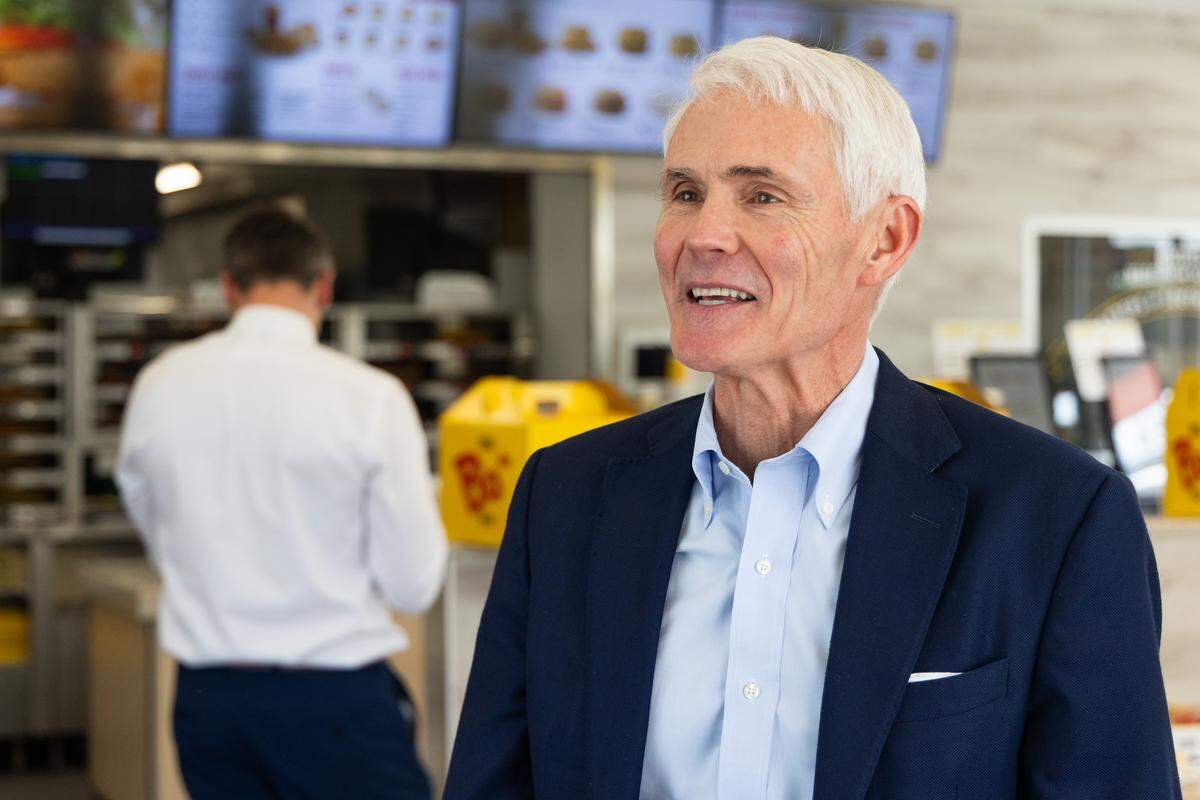
Norman waited until late March to buy broadcast airtime allowing him to hold onto the money he put into his campaign. It led to him having $1.6 million cash on hand at the end of the first quarter.
“I watch my money like I watch the taxpayers’ money,” Norman said in an interview in January.
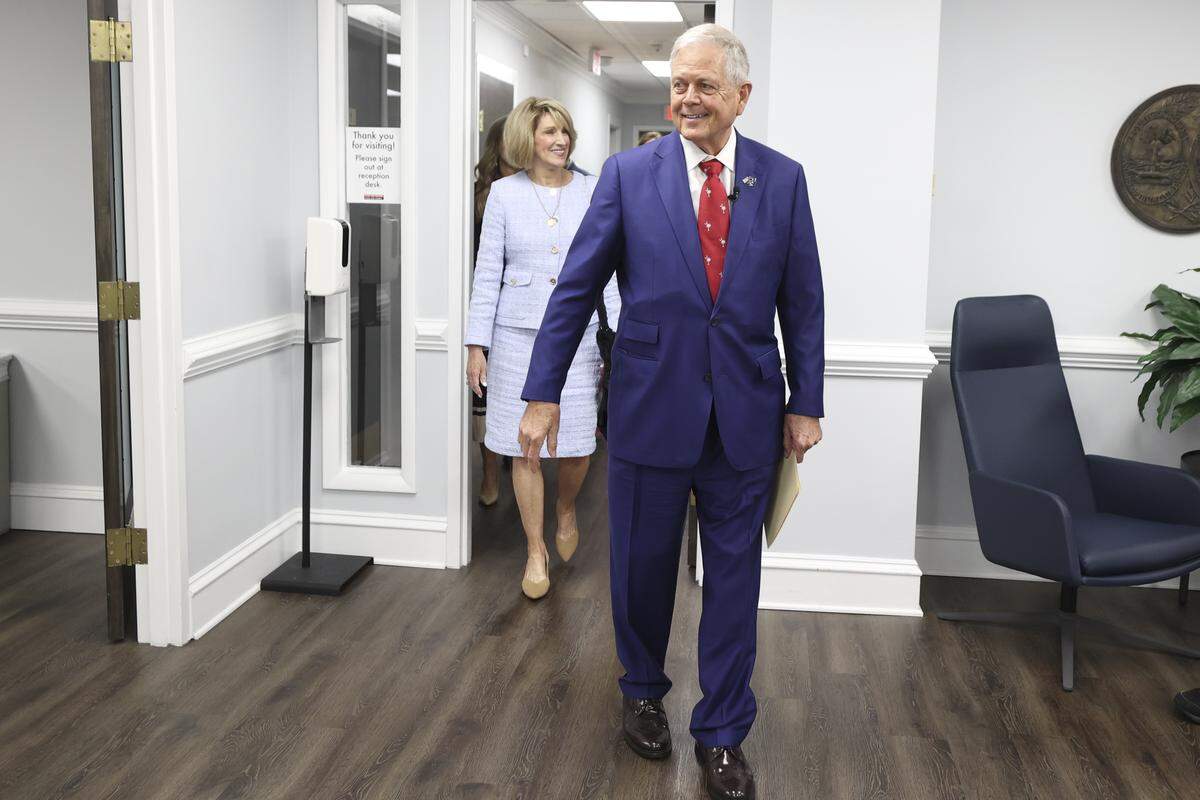
When Reddy kicked off his bid, he made a point he would not take contributions. He has spent heavily on television ads to introduce himself to the state using his own money.
“Self-governance is making your case to the citizens directly and not clouding the issue with special interest money and endorsements,” Reddy said when he launched his campaign.
When Reddy announced his run, U.S. Rep. Nancy Mace pushed back on those who can easily fund their own bids.
“The governor’s office isn’t for sale,” Mace posted on social media. “Another rich candidate has entered the race. Another check written to a campaign that exists to serve exactly one person. Like all the other wealthy candidates.”
The campaigns of candidates who are not wealthy have been making a point they’re not taking out loans or self-funding and say it’s a sign that they have more support.
“Alan Wilson is not a millionaire, but no one works harder for South Carolina. This campaign is building real momentum on the ground and all across the state,” said Woods Wooten, a spokeman for Attorney General Wilson’s campaign.
Evette, who put some of her own money into race, has worked to fundraise for her bid.
“I think you have to have the buy-in of the people. And that’s one thing that I’ve been able to show consistently fundraising through every quarter, is that I continue to have the buy in of the people,” Evette said. “Whether somebody gives you $1, whether somebody gives you $3,500, they’re committed to you, I think that’s really important, and I’m just been I feel like I’ve been very blessed.”
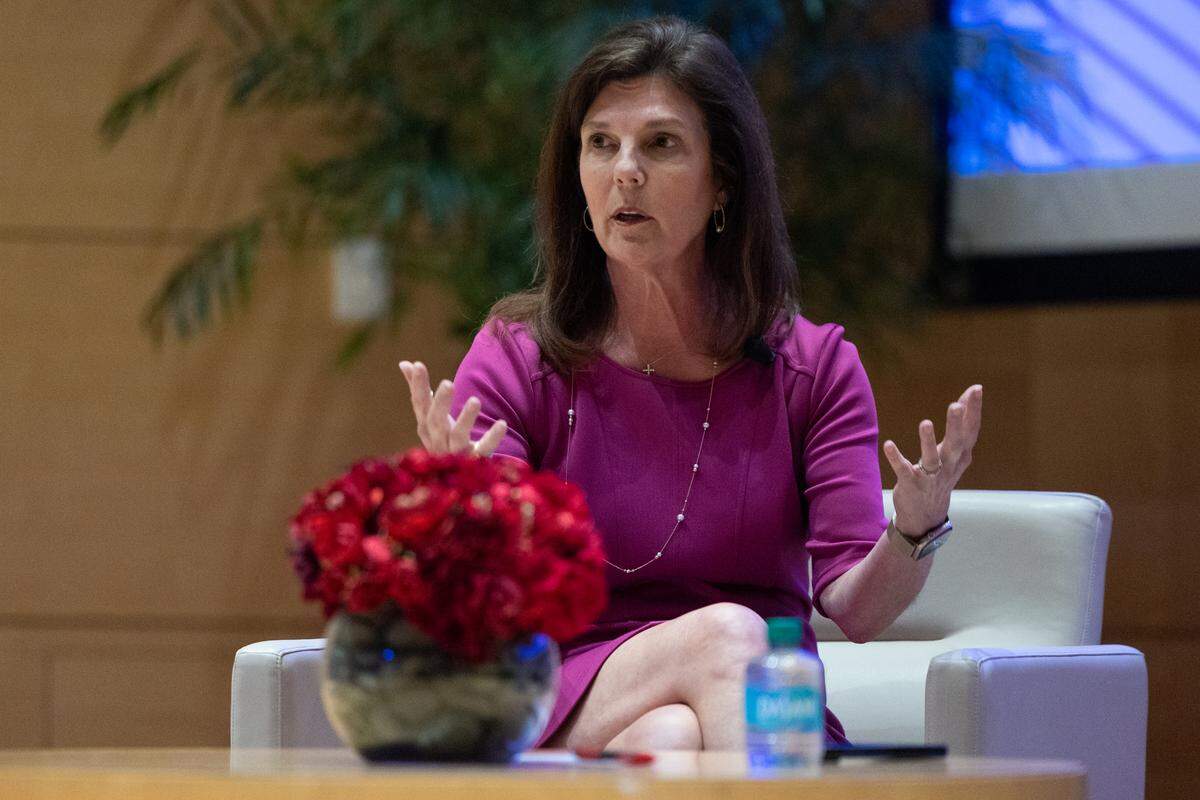
McIntosh agreed that it’s helpful for wealthy candidates to make the rounds to ask for contributions as a way of helping voters connect with the campaign.
“Most of them do raise money, and that can be more of a healthy exercise for these candidates to get out there and talk to people,” McIntosh said.
“You want people to feel like they’re invested in the campaign, and that’s an important part of a functioning campaign,” McIntosh said.