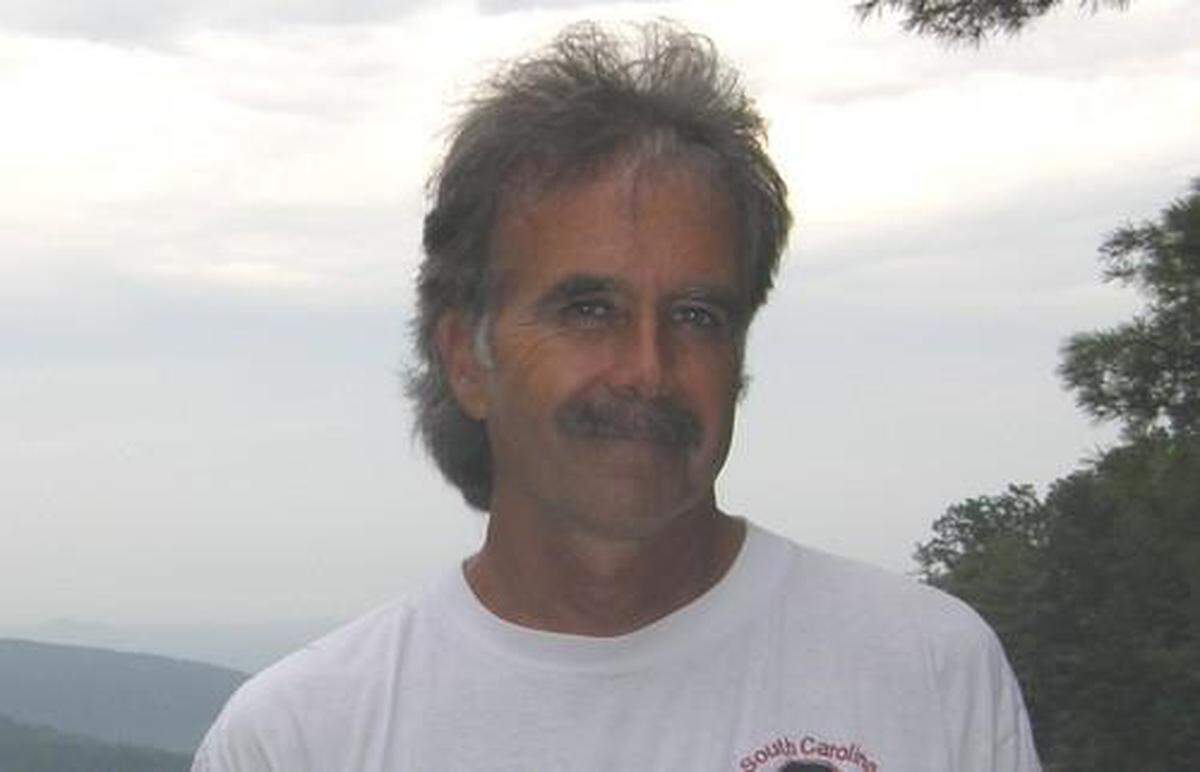
Time capsule rescued as demolition of former State newspaper building nears end
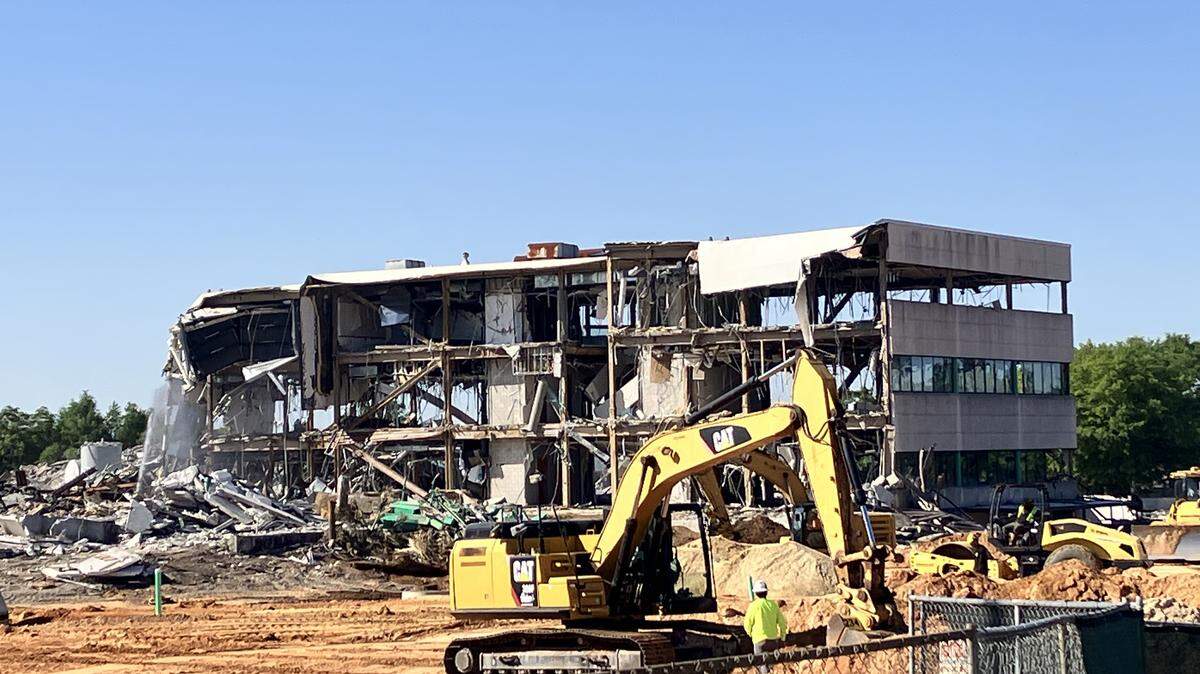
On Monday outside Columbia, as dump trucks noisily prowled the old 23-acre State newspaper grounds amid piles of rubble, developers met there with officials from the University of South Carolina school of journalism.
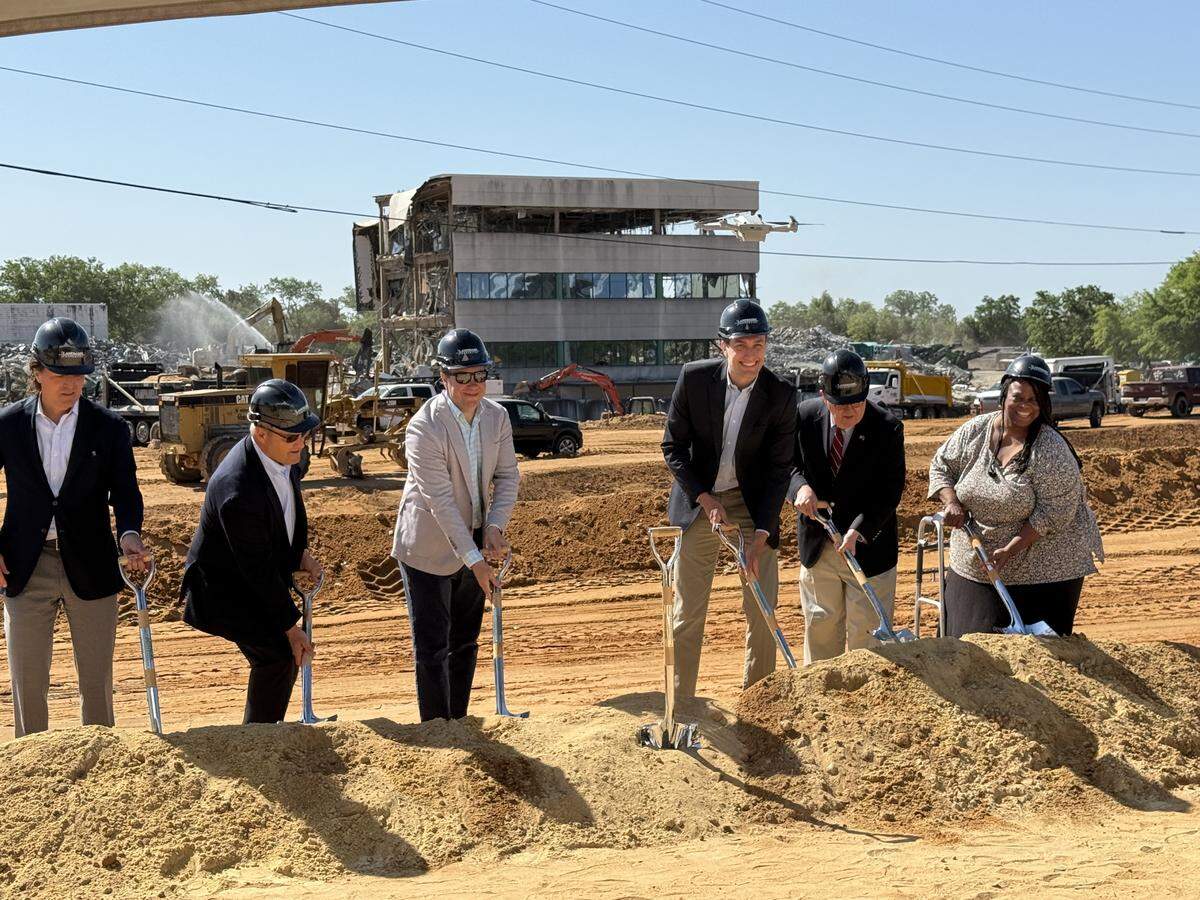
With the remaining three-story skeletal ruins of The State’s once-venerable building as a backdrop — it looked like a war zone structure, innards laid bare — developers from Landmark Properties handed over a time capsule that for years stood at the front of The State newspaper building to the USC J-school, officials said.
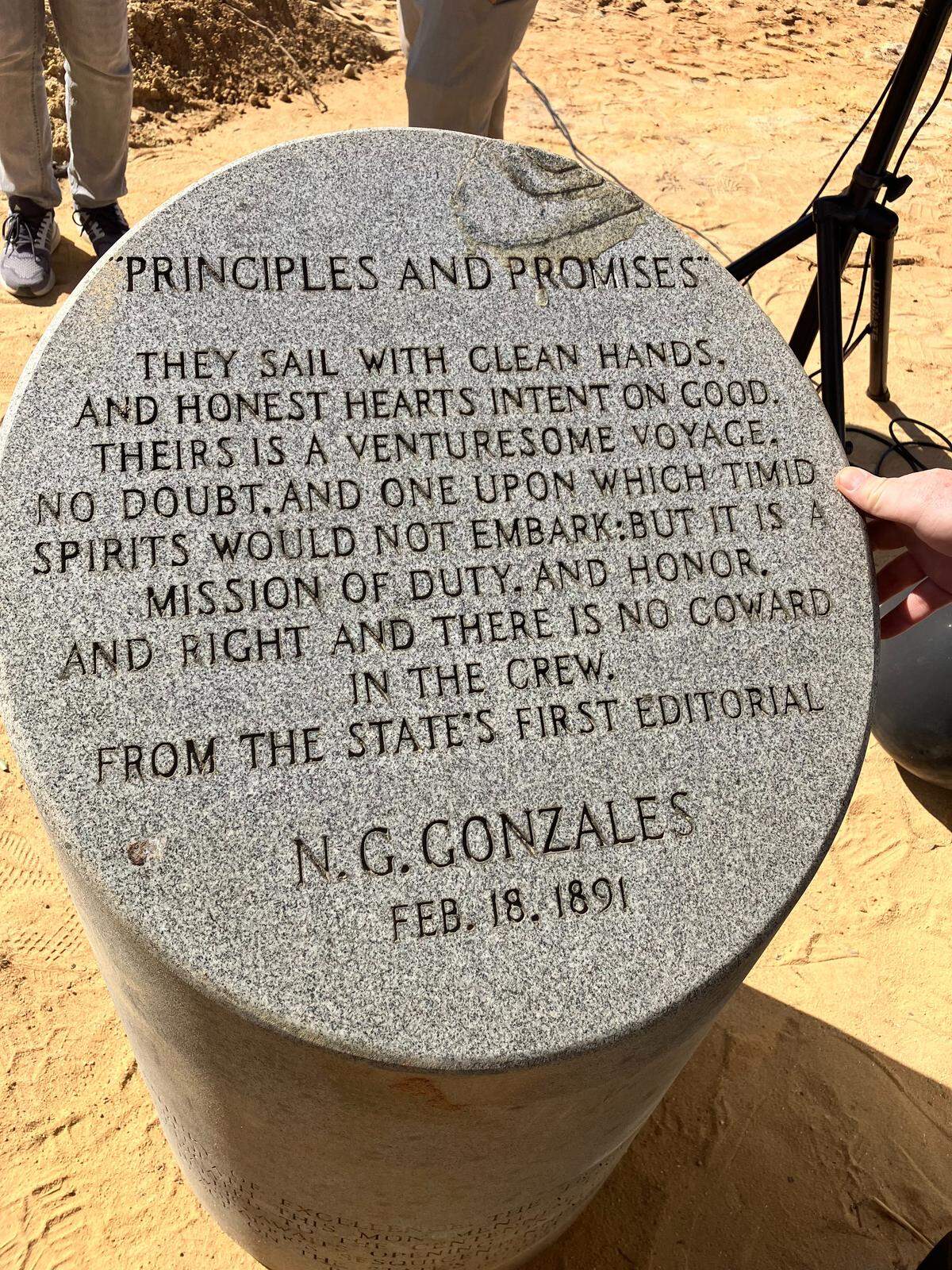
The time capsule, sealed in 1991, is to be opened in 2041 — the 150th anniversary of The State’s founding. Along with a monument, the capsule had remained at The State building since 2020, when the building was abandoned and the remaining journalists moved to a downtown Columbia office building near the governor’s mansion. The old office building on Shop Road was subsequently sold.
Landmark Properties intends to build a 850-apartment, $120 million complex aimed at students on the site. It will be called “The Walk” and is expected to open in 2027. Groundbreaking took place Monday.
In a talk Monday at the Shop Road site, Tom Reichert, dean of the USC College of Information and Communications, stressed the century-old ties between The State newspaper and the university.
Some 103 years ago, the editor-in-chief of The State newspaper, William Ball, “took a tremendous pay cut” and quit his job to become the only journalism faculty member and the first J-school dean, Reichert said.
“We’re superexcited to bring the monument over as well as the time capsule,” Reichert said, thanking Landmark for making the transfer possible.
“I would say that probably thousands of our students, our faculty and our alumni have worked at The State at some point,” Reichert said. Today, the J-school has some 55 professors and instructors.
Reichert said the capsule and monument will be stored at USC this summer, with the intent to place it on the campus grounds later in the year. It may be placed near the university’s journalism school, although details are still being worked out, Reichert said.
Former Columbia Mayor Bob Coble, an attorney with the Maynard Nexsen law firm, which is working with Landmark developers on the project, told the gathering that in his 20 years as mayor, he must have gone into the State newspaper building “a hundred times” to meet with editors and reporters.
“Some of them were probably not as pleasant as I would have liked, but it was important,” Coble said of the visits. Now, “we look to the future, but we recognize the past.”
Poignant moment for old State employees
The morning was poignant for a handful of former State employees on the site. For them, The State was more than a building.
Over the years, hundreds of journalists reported and wrote tens of thousands of stories — what is often called “the first rough draft of history” — including one of the most memorable ever published in the state. That was when reporter Gina Smith broke the Gov. Mark Sanford scandal story in 2009. Smith surprised Sanford at the Hartsfield-Jackson Atlanta International Airport when he returned from South America where he had secretly met his Argentinian mistress.
On the building’s third floor, beloved political cartoonist Robert Ariail turned out hundreds of drawings that caught the essence of a situation, including collections that made him a Pulitzer finalist in 1995 and 2000. The paper was a Pulitzer finalist in 1989 for its coverage of Hurricane Hugo.
For politicians, the building was a site of pilgrimage because of the paper’s influential editorial page and its wide circulation — in almost all the state’s 46 counties. Presidential hopefuls, including future presidents George W. Bush, Barack Obama and Joe Biden, dropped by The State’s editorial offices, along with swarms of other politicians over the years. Crusades were launched from the newsroom, including a successful one that convinced a reluctant S.C. General Assembly to pass a mandatory seat belt law in the early 2000s. Untold numbers of lives have been saved because of that law.
For everyday folks, the building was a place they came to pay subscriptions, complain about deliveries, give obituary information and take out ads. School children made field trips to the building to see the huge printing presses and hefty rolls of white paper and learn how the people who worked there mixed the inks to make different colors for the daily newspaper.
Journalists couldn’t have done their work without hundreds of other State employees in the building — staffers from advertising, circulation, accounting and the printing press, among others.
“I moved in with the building,” said Bertram Rantin, 65, recalling the building in pre-internet, pre-cell phone 1988 when he and other State employees from various staffs moved into the then-modern $45 million sprawling structure with a gigantic printing press.
“I remember the first day walking in and seeing new computers and new seats and new everything,” said Rantin, who worked for The State 34 years as an editor and reporter and now teaches editing and writing at the J-School.
“You don’t expect to see a building demolished that you moved into, but time passes. Things move on. The building’s going away, but who-where-what-when, news, accountability, integrity , scoops, — that’s not going away,” Rantin said.
Paul Osmundson, 68, now retired and a former editor at The State, said, “It’s progress. I hate to see it, but it’s progress. I think The State has adapted to the new world of media — it’s good to see. It’s played such an important role since 1891 (the year of The State’s founding). It will continue to do that for decades to come.”
N.G. Gonzales, a founder of the paper, “would be proud we are still here and doing great journalism,” Osmundson said.
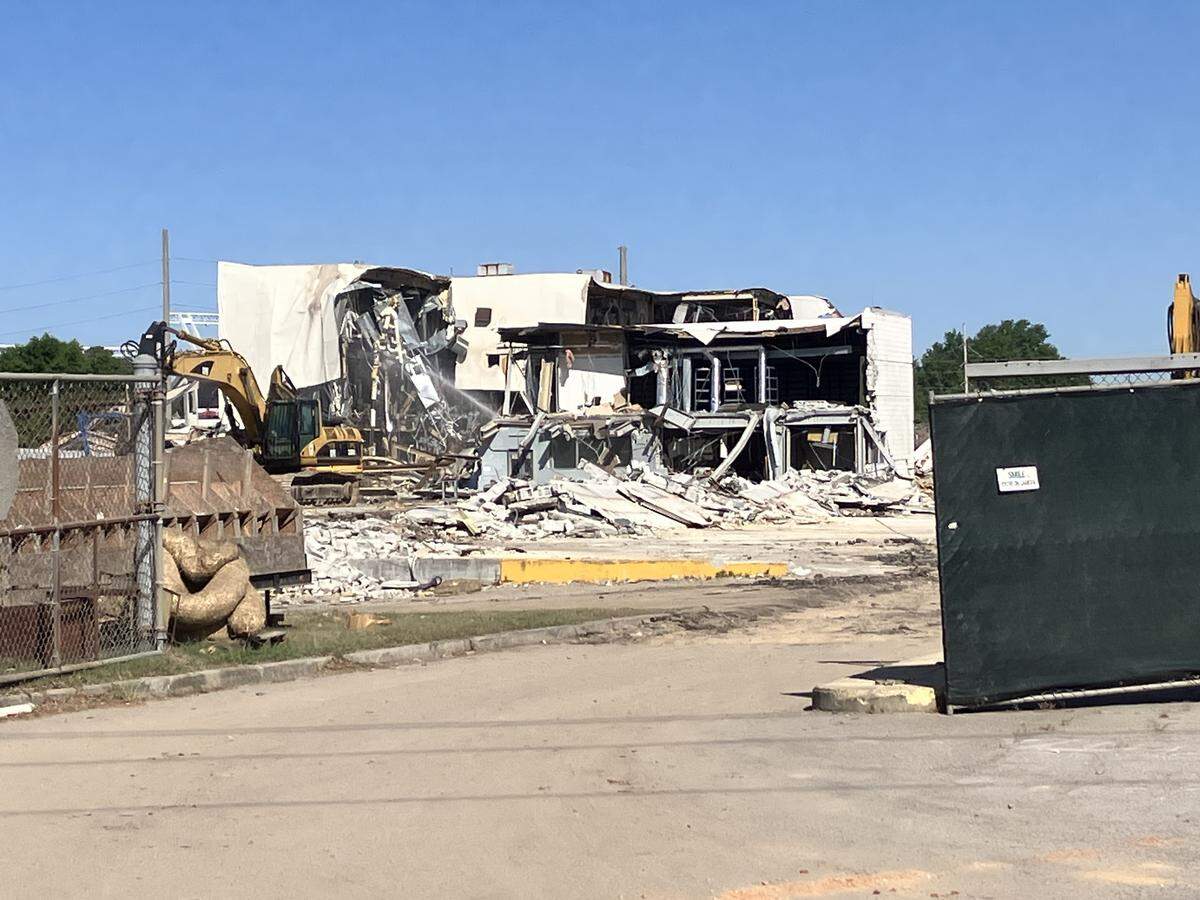
Eileen Waddell, 66, a former assistant managing editor at The State and now an instructor at the J-school, looked out at what’s left of The State building and said, “It’s a lot to take in. I spent a lot of my life there, a lot of my life with some really top-drawer talent.”
Brad Warthen, 72 , former editorial page editor of The State, recalled that when the building was first built, it was regarded as so modern that out-of-town journalists made it a point to drop in when they came to Columbia. At one time, some 150 journalists worked in the building’s vast second floor newsroom, with its wide windows and large conference rooms. A fraction of those jobs remain today.
“Editors from around the country were deeply impressed. The building was state of the art. They had never seen anything like it,” Warthen said.
Besides Waddell, Rantin and Osmundson, other former State journalists on hand Monday were photographer Renée Ittner-McManus, graphic artist Scott Farrand and editorial writer Nina Brook. They now work at the J-School.
Richland County council member Cheryl English, who helped get the zoning changed from industrial to a category that would permit student apartments, was also there.
Staff Writer Sammy Fretwell contributed this story. Fretwell is a University of South Carolina graduate who teaches an environmental journalism fellowship at USC during the fall.
This story was originally published April 21, 2026 at 5:30 AM.