
Why Supreme Court map ruling won’t lead to new congressional districts for SC
While a U.S. Supreme Court decision ignited calls to draw new congressional maps to favor Republican candidates, it’s still unlikely South Carolina will try and eliminate the state’s sole Democrat-held district.
The country’s highest court ruled a Louisiana congressional map with two majority minority districts was unconstitutional Wednesday, just over a month before South Carolina’s primaries. The decision led to flurry of calls for South Carolina to start middecade redistricting from statewide candidates.
Republican leaders in the South Carolina General Assembly say redistricting isn’t going to happen this year.
House Majority Leader Davey Hiott, R-Pickens, told reporters the lower chamber wouldn’t redraw South Carolina’s congressional map this year.
Senate Majority Leader Shane Massey, R-Edgefield, also said redistricting this year would be “unlikely.” Attempting to redraw the map to favor Republican candidates could make currently reliably red districts more of a toss-up, Massey told reporters Thursday.
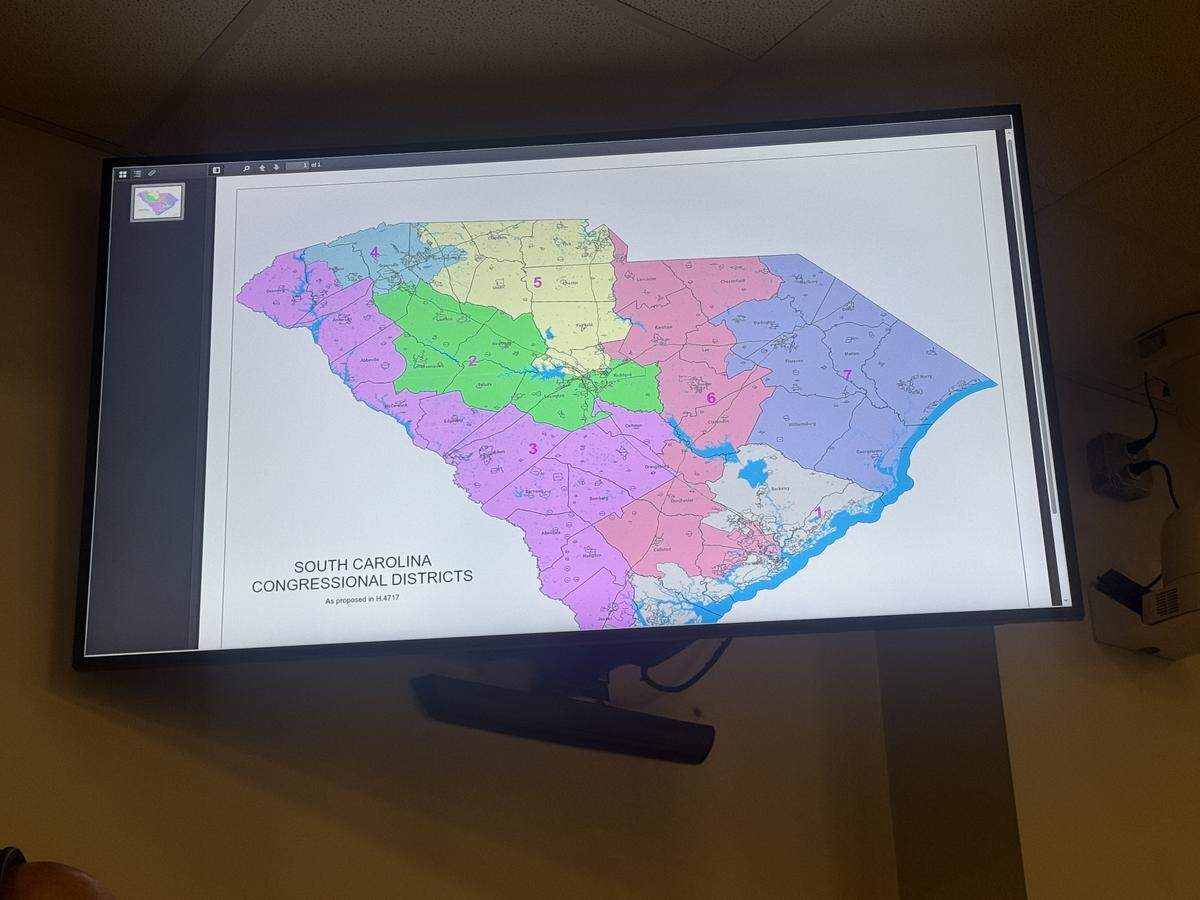
South Carolina’s congressional map is drawn to heavily favor six Republican- and one Democrat-led districts.
“I think you’re much more likely to get to a 5-2, maybe even a 4-3, scenario than a 7-0, if you start tinkering with it,” Massey said.
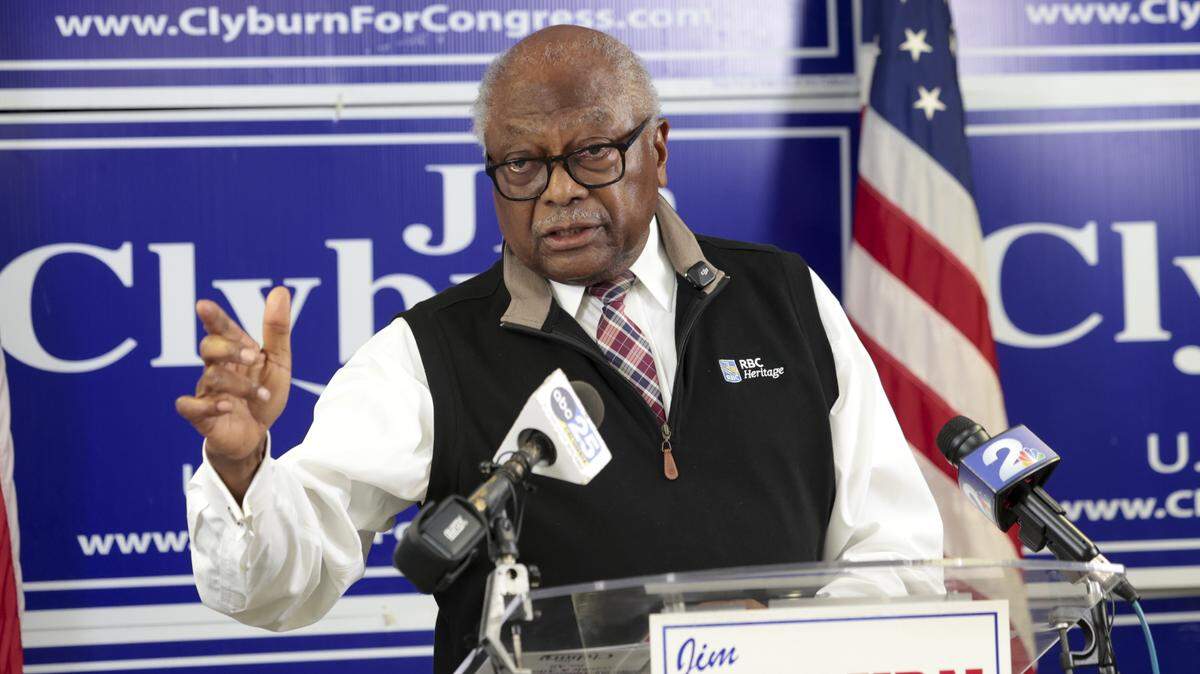
Proponents of redrawing the map want to target the 6th Congressional District, which includes portions of both Columbia and the Charleston area. Longtime U.S. Rep. Jim Clyburn, a Democrat who is running for reelection this year, holds the seat.
The minority party hasn’t won two congressional districts since 2018, when Democrat Joe Cunningham flipped a Lowcountry district. U.S. Rep. Nancy Mace won the seat back for Republicans in 2020. The General Assembly redrew the maps in 2022 to make Mace’s district more reliably Republican, which led to several legal challenges. The U.S. Supreme Court ruled the districts were drawn on partisan lines and were constitutional.
The U.S. Supreme Court’s decision Wednesday doesn’t really impact South Carolina’s maps, Massey said. The high court already ruled the Palmetto state’s maps were drawn on partisan lines, rather than based on the racial demographics of voters.
“The U.S. Supreme Court has already said emphatically that ours was not based on race,” Massey said. “Ours is the only map that has gone to the U.S. Supreme Court and been upheld, and they did that because they said that it was not based on racial reasons. So I don’t think that that decision specifically affects us.”
Following the U.S. Supreme Court’s decision, several Republican candidates for governor called for new maps to oust Clyburn. U.S. Rep. Ralph Norman, who is running for governor, has pushed for a new map in South Carolina since at least last summer, when Hiott and Senate Judiciary chair Luke Rankin also shut down the idea of redistricting early.
Norman’s allies in the S.C. House Freedom Caucus also tried to push a new map through this year, but it stalled at an initial panel of lawmakers. Republican leaders worried the new map, proposed by state Rep. Jordan Pace, R-Berkeley, could have lead to two Democratic candidates winning, rather than just one.
This story was originally published May 1, 2026 at 5:00 AM.