SC lawmakers will try to set up redistricting vote after 2026 session adjourns
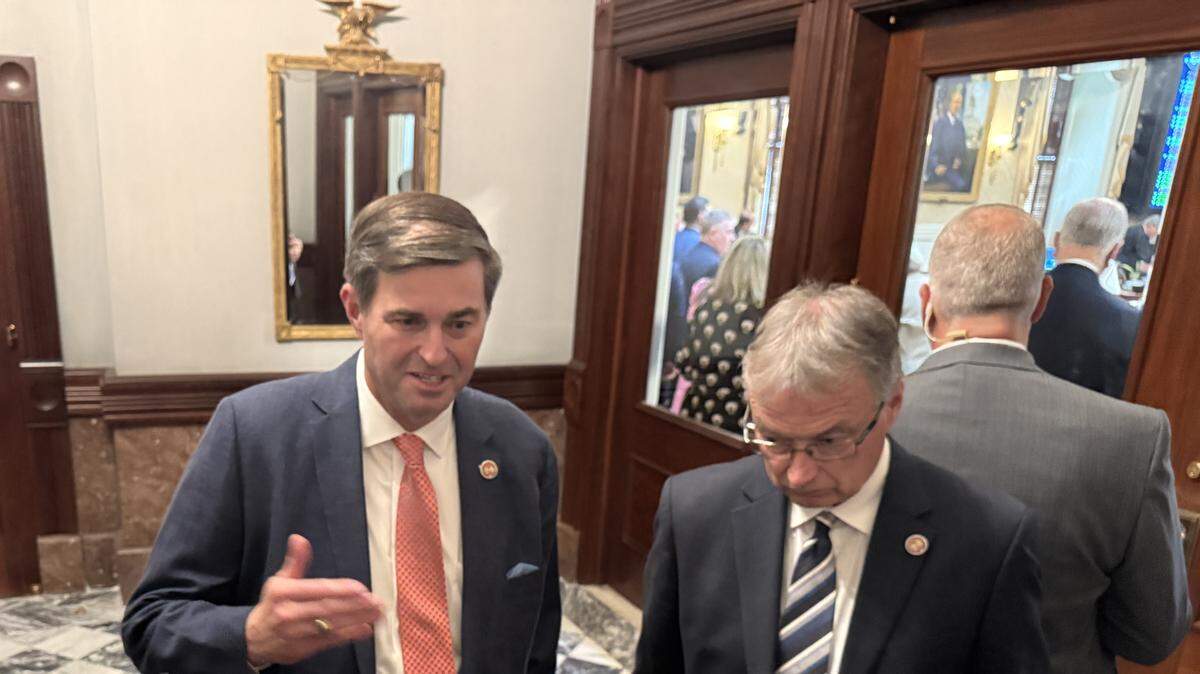
After phone calls from the White House, South Carolina lawmakers may create a path Wednesday to redraw congressional maps to favor Republican candidates in every district. The move comes after the governor said it’s up to the Legislature to decide whether to redraw the state’s congressional map.
House members will vote on whether to include redistricting in a sine die agreement, which dictates what lawmakers could take up after session formally ends May 14.
Adding that requires a two-thirds vote, said House Majority Leader Davey Hiott. If it passes the House, the Senate will then have to determine whether to accept those changes. Senate Majority Leader Shane Massey wasn’t sure if enough support exists in the upper chamber to go along.
Gov. Henry McMaster said he would leave it up to the General Assembly over whether members want to redraw South Carolina’s congressional map following a Supreme Court decision on another state’s congressional map.
His comments on Tuesday come as public chatter increased for the state to redraw its congressional districts following the Supreme Court decision on a Louisiana congressional map that struck down a second majority Black district as being racially gerrymandered.
“They have to understand what the recent Supreme Court case said, understand what the one in 2024 said and consider the facts and make a decision,” McMaster said of the South Carolina General Assembly.
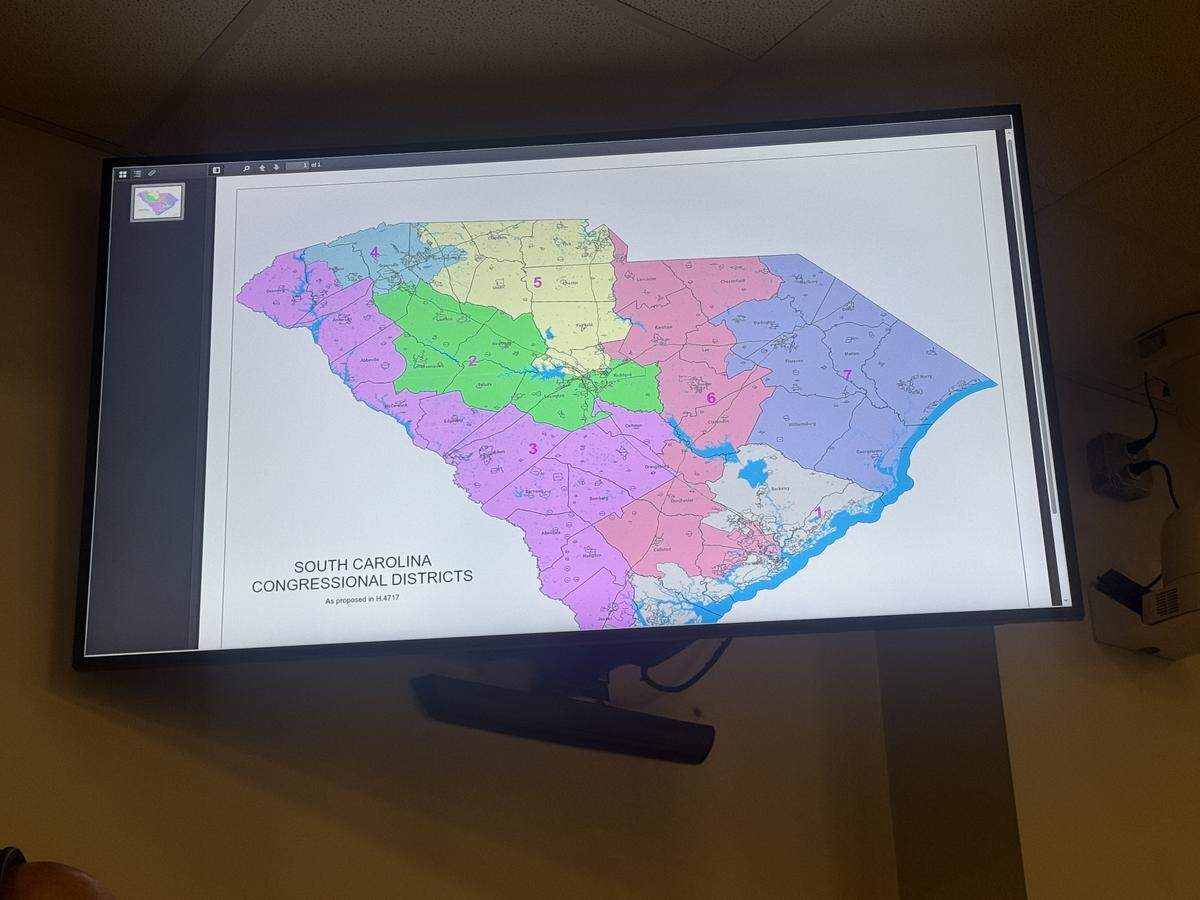
The U.S. Supreme Court in 2024 upheld South Carolina’s map as a partisan gerrymander designed for a 6-1 Republican advantage by drawing the 1st Congressional District as reliably Republican rather than one that could be a toss-up district. Lawmakers in that case said they used partisan consideration when drawing the congressional map, not racial considerations.
“There’s a lot to digest, and I presume others will do as well, which is my recommendation. Anytime you have a new case coming out, it’s always appropriate to read, to study, to see if it has an impact,” McMaster said.
Vocal members of the hard-line SC House Freedom Caucus have called for middecade redistricting as a way to stave off expected Republican losses in the upcoming midterm elections. They were joined by multiple Republican candidates for governor.
The calls have gained urgency with the legislative session scheduled to end May 14. Lawmakers could come back after May 14 if they adopt a sine die agreement that dictates what they can work on after the last day of session. Absent an agreement, the governor can call the lawmakers back, but can’t dictate what they can work on.
A sine die agreement that includes the annual budget and work being done conference committees passed the Senate earlier this year, but it has yet to be taken up by the House.
Hiott, a Pickens Republican, said Tuesday the lower chamber would include redistricting in the sine die agreement, allowing lawmakers to take up the issue after the legislative deadline.
“I think we need to take a look at it. I think we need to take a look at the lines and the draw, see where we are,” Hiott said. “We may get to the point where we say, ‘No, this is not what we thought it was. This is not beneficial.’ We just drop the whole plan. But I think we just need to take a look at it.”
Whether the Senate agrees to a deal allowing lawmakers to reconvene after sine die to take up redistricting is still up-in-the-air.
“I don’t know what the strength in the House could be. One body might want to do it, the other one might not. It depends on a whole lot of things, but I want to be sure that our state is following the United States Constitution and the South Carolina constitution,” McMaster said.
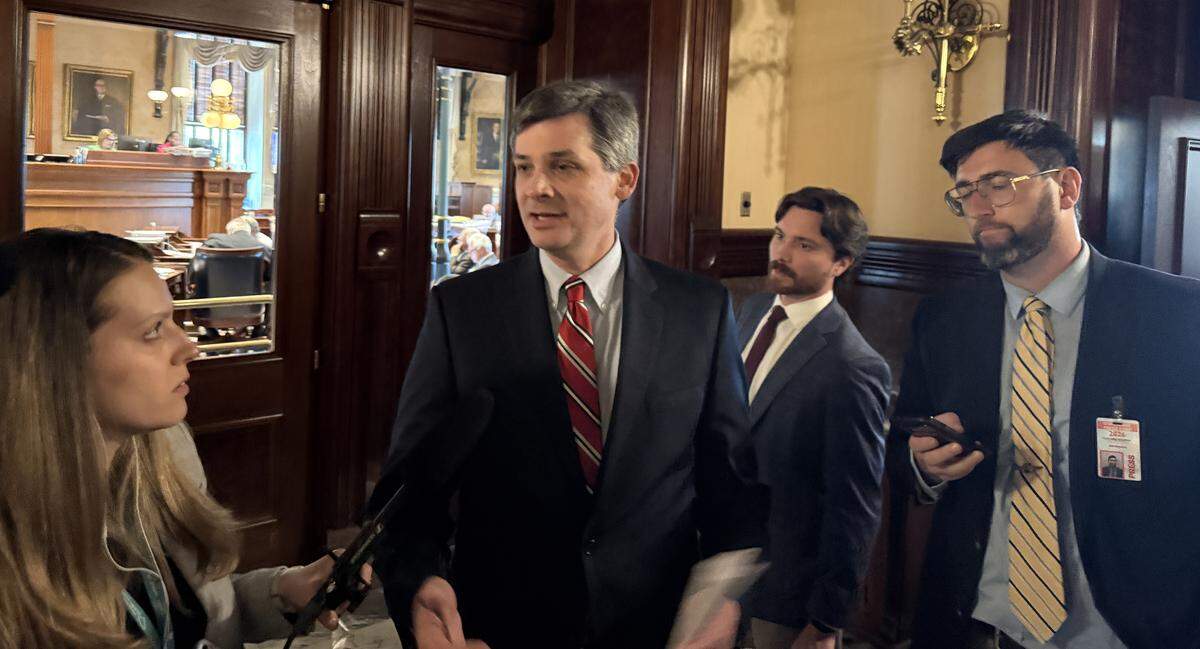
Massey, R-Edgefield, told reporters he wasn’t sure if there was support in his caucus to amend the sine die agreement.
“This is moving really quickly,” Massey said. “We haven’t had an opportunity to discuss a lot of this stuff.”
Massey said he still had concerns about redrawing, including the possible creation of more swing congressional districts. He would likely not support a redistricting effort.
If they do amend the sine die deal, the House and the Senate would have to take up debates and agree to a new map, which could possibly move back congressional elections, while statewide and state legislative elections go forward.
Leadership in both chambers previously said they don’t want to take up redistricting. Logistically redrawing the congressional districts could create a headache as ballots are being printed already for the June 9 primary. Early voting starts May 26.
White House contacts SC lawmakers on redistricting
Hiott said Tuesday the White House asked lawmakers to consider redrawing the congressional districts, leading to the new stance from House leadership. Massey also said President Donald Trump and the White House asked him to consider new maps.
“The White House asked us to take a look at it,” Hiott said Tuesday. “The speaker has been in communication with him quite a bit, and they just asked us take a look at it. They didn’t strong arm us or anything, just said, ’please take a look at it.’ That’s what we’re doing.”
Massey told the White House about his concerns with redrawing congressional districts, which include unintentionally creating additional swing districts and future litigation, he said. Massey has said previously taking up a redraw could lead to a 5-2 map instead of 7-0.
“I did tell him that I have serious reservations about it, and I told his other staff people that I’m probably not going to be supportive of the effort,” Massey said.
Statewide candidates push for redraw
Trump began calls for Republican led states to redistrict middecade in order to stave of expected midterm losses.
U.S. Rep. Ralph Norman, a candidate for governor, was early in these calls, pushing for the move to try to minimize losses in this year’s midterm elections. Other candidates have joined the call for redistricting, including Lt. Gov. Pamela Evette, state Sen. Josh Kimbrell, U.S. Rep. Nancy Mace and Attorney General Alan Wilson.
“As governor I would call a special Statehouse session to redraw the lines and eliminate racial gerrymandering in South Carolina’s 6th Congressional District,” Nancy Mace posted on X.
However, a governor can’t call the legislature back into session if lawmakers adopted a sine die resolution that lists what they can work on after the formal day of session.
If lawmakers don’t adopt a sine die agreement, the governor can call them back and make suggestions, but lawmakers are free to take up whatever they want.
Mace also had a different stance on redistricting in 2024 after the U.S. Supreme Court upheld the state’s congressional map, which made her district reliably republican, instead of one more at risk of flipping Blue like it did in 2022.
“Today the Supreme Court affirmed what everyone in the state of South Carolina already knew: redistricting was not racially motivated and served in the best interest of constituencies of South Carolina,” Mace posted on May 23, 2024.
The country’s highest court ruled a Louisiana congressional map with two majority minority districts was unconstitutional Wednesday, just over a month before South Carolina’s primaries.
If lawmakers push a map that is aimed at a 7-0 Republican advantage, it would mean U.S. Rep. Jim Clyburn, South Carolina’s only Democratic member of Congress, who has served in House leadership, would lose his office. Clyburn has maintained a good relationship with McMaster despite being in different parties.
“Everybody in office is always subject to attack. From forces known and unknown including opponents,” McMaster said. “So whatever happens in the legislature is something that happens independent of who I or you may want to be in our seat or not be in a seat.”
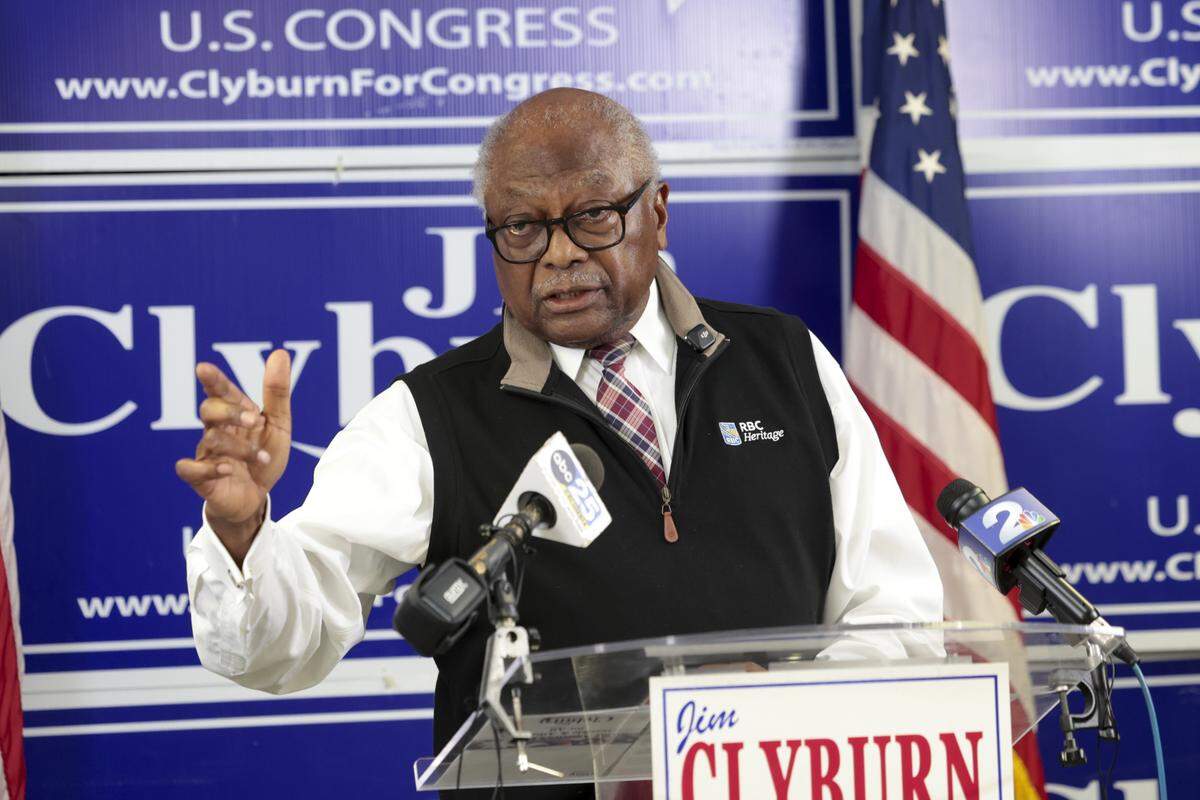
Clyburn was blunt in his criticism of the Supreme Court’s decision saying it could lead to ongoing redistricting battles across the country and protracting legal battles.
“This Court seems hellbent on redeeming the post-Reconstruction America that neutered the 1875 Civil Rights Act and other legislative and judicial actions that drastically limited Black participation and achievement, and eliminated African American political representation in multiple Southern states,” Clyburn said.
But the decision to take up redistricting in South Carolina is up to state lawmakers.
“I think a lot of questions that need to be answered. I think they need to study the law, see if it’s wise or necessary to convene on that issue and do what they believe is right,” McMaster said.
This story was originally published May 5, 2026 at 3:24 PM.