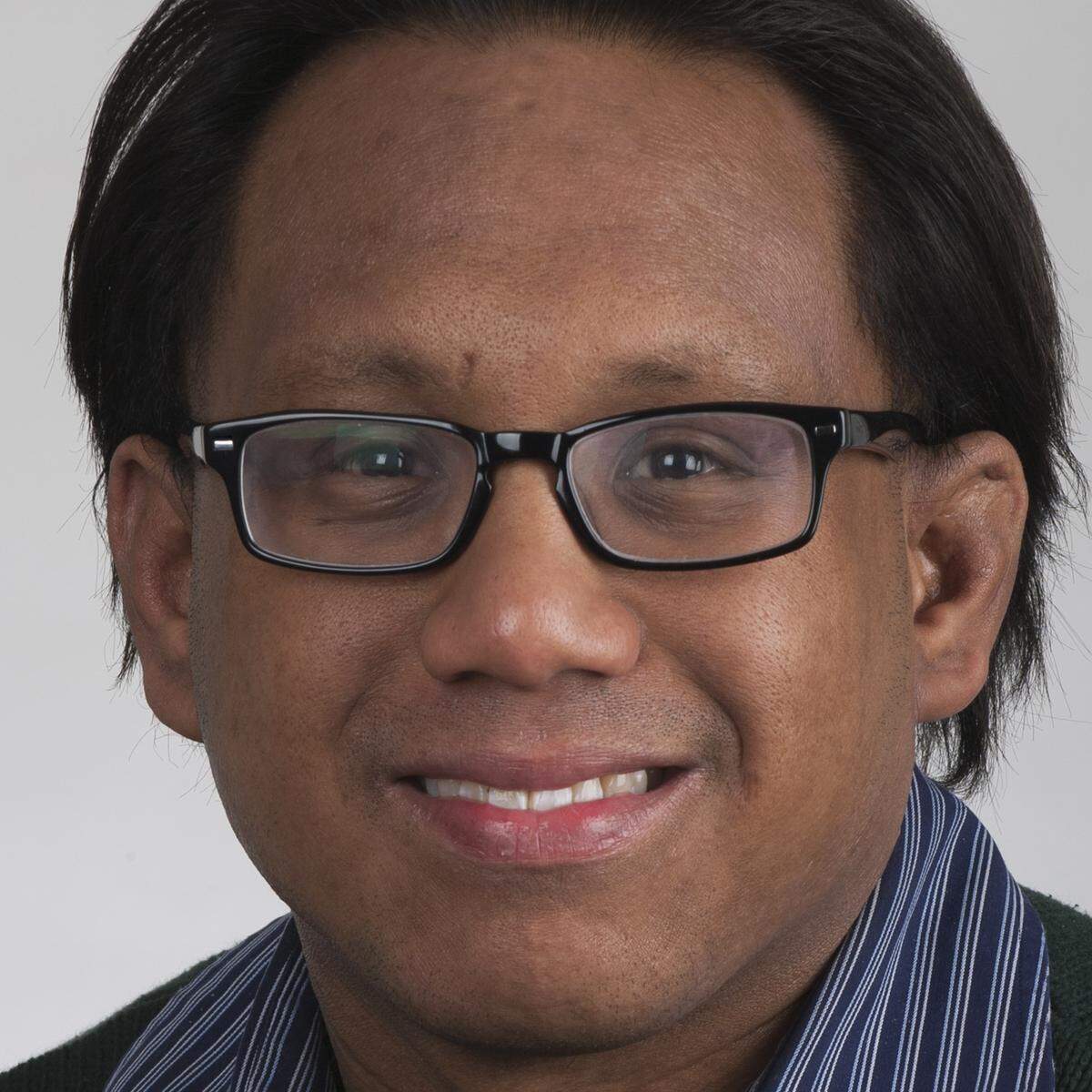
Jaime Harrison tied in SC’s US Senate race with Lindsey Graham, new poll says
Jaime Harrison, the former chairman of the South Carolina Democratic Party, is tied with Republican U.S. Sen. Lindsey Graham, a close ally of President Donald Trump, in the race for U.S. Senate, according to a new poll out Thursday.
According to the survey from Quinnipiac University, each candidate has 44% support from South Carolina voters, while 9% of voters are undecided.
The poll also found 85% of voters said their minds are made compared with 13% who said they could change their preference.
The poll also found that while the candidates have solid backing from members of their political parties — Harrison has the support of 94% of Democrats and Graham has backing from 89% of Republicans — Independent voters prefer Harrison to Graham 47% to 37%.
Quinnipiac’s poll of 914 self-identified registered voters in South Carolina was taken from July 30 to Aug. 3 using random digit dialing with live interviewers calling landlines and cell phones. The poll’s margin of error is plus or minus 3.2 percentage points. Self-identified Republicans made up 31% of the polling sample, along with 25% who were Democrats, 34% who were Independents and 10% “other.”
Pollsters questioned whether Graham’s allegiance to the president is hurting him.
Forty percent of South Carolina voters said Graham is “too supportive” of President Donald Trump, compared with 39% surveyed said Graham has the “right attitude” toward the president. Another 10% said Graham is not supportive enough.
“He has been a firebrand advocate for national defense and a leader of his party for 17 years — but has Lindsey Graham’s allegiance to the president put him in jeopardy?” said Quinnipiac University polling analyst Tim Malloy. “The numbers suggest his tenure on the Hill is in trouble.”
Graham, who has enjoyed favorable ratings among Republicans in South Carolina, had a negative approval rating from the voters surveyed in the poll: 43% of voters surveyed approved of Graham’s job performance while 47% disapproved.
As to why respondents said they are supporting Harrison, 57% said it’s because they don’t like Graham. Only 25% said it’s because they like the Democratic nominee.
“Much of this is built around support of President Trump,” Malloy said. “We haven’t polled South Carolina a lot, but you’ve watched incremental drops of approval all over the country of Republican candidates, governors and senators who are deeply supportive of the president, so you can’t rule that out.”
The poll also found that when it comes to choosing between Trump and former Vice President Joe Biden in November, Trump leads in the traditionally Republican state 47% to 42%.
And 49% of S.C. voters surveyed in the poll said they approved of Trump’s job performance compared to 47% who said they disapproved.
Quinnipiac’s new poll is the second one this week that has asked S.C. voters which candidate they prefer in the Senate race.
On Tuesday, Morning Consult released results from an online poll that put Graham ahead 44% to Harrison’s 43%.
The polls combined show that Harrison’s fundraising and advertising may be paying off, helping the former D.C. lobbyist boost his name ID in a state that knows Graham well. But they also show Graham has room to grow, noted some political observers, who said Harrison still may struggle to get the more than 50% needed to win.
“This is the second major, non-partisan poll in three days illustrating the energy that Jaime Harrison and this campaign feel on the ground each and every day across South Carolina,” Harrison campaign spokesperson Guy King said.
Graham’s campaign pushed back on the poll methodology saying Republicans should make up 40% of the sample, not 31%.
“We learned long ago not to put much confidence in media polls or outside groups who don’t understand South Carolina politics,” said Graham campaign spokesman T.W. Arrighi. “It’s not our goal to generate buzz or clicks but to win a campaign. And our internal polling shows we are on track to accomplish that goal.”
But Scott Huffmon, Winthrop University’s poll director, said the percentage for Republicans is not that low.
“Self-identified Republicans are dropping some nationally: in the mid-20s the last few months,” Huffmon told The State over text. “What is really masked in numbers like these are Republican leaners. These folks get grouped in with Independents (as do Democratic Leaners). Leaners tend to vote more consistently partisan than weak party identifiers.”
However, he added, “those Leaners are still there and expressing their vote preferences, and the trend of multiple polls has been single digit leads or ties: literal, or within the margin of error.”
Given 9% are undecided, Huffmon said both sides will need significant base turnout.
Polls in the race have not all been so close. This summer, a Gravis Marketing poll put Graham ahead of Harrison by 7 percentage points. A February poll by NBC/Marist had Graham leading Harrison by 17 percentage points.
How are McMaster, Trump handling COVID-19?
The Quinnipiac poll released Thursday also noted how South Carolina voters feel about Republican Gov. Henry McMaster.
Gov. McMaster job’s approval
▪ 45% approve
▪ 40% disapprove
▪ 15% don’t know
Gov. McMaster’s COVID-19 response
▪ 46% approve
▪ 46% disapprove
President Donald Trump’s job approval
▪ 49% approve
▪ 47% disapprove
Trump’s COVID-19 response
▪ 46% approve
▪ 51% disapprove
“Any governor who is supportive of Trump, who in any way loosened restrictions on social distancing and trying to open up quickly in the minds of voters, got hurt,” said Quinnipiac’s Malloy. “I think it’s not a stretch to say anyone who has adhered to the advice of the president or is aligned with the president in handling this has gotten hurt.”
When asked for reaction, Brian Symmes, McMaster’s spokesman, declined comment.
This story was originally published August 6, 2020 at 2:24 PM.