Riley Howell died trying to stop a mass shooting. These are the people he left behind.
I. When everything changed
In the late afternoon of April 30, the people closest to Riley Howell were doing ordinary things they will now never forget. His parents were at his younger brother’s track meet. His girlfriend was taking a statistics exam at N.C. State. His childhood best friend was in school at Appalachian State.
They were going about their day, unaware that by the end of it, nothing would ever be like it was. In that moment it was a normal Tuesday, a cool spring day across North Carolina. It was that way in Charlotte, where Howell, a 21-year-old college junior, walked into a classroom.
He hadn’t yet attended UNC-Charlotte for a full academic year after transferring from a two-year college in Asheville, near his hometown of Waynesville. After growing up in the mountains, he’d wanted to experience something different. He’d come to appreciate his brief time in the city, being on his own.
He was starting to find his way. Natalie Henry-Howell, his mom, appreciated the little changes she’d seen in him. Theirs was a close family. They’d all been together nine days earlier. Natalie had planned it for a while, a spring trip to Sunset Beach. At first Riley wasn’t sure if he was going to make it but Natalie “became all motherly,” she said, and told him he needed to be there. He relented.
“And thank God,” she said later.
There were bike rides, family dinners, a day trip to Wilmington. They will not forget those, either. They’d all said goodbye on a Sunday. Natalie and Thomas Howell, married 27 years, went back to Waynesville with their two youngest, Juliet and Teddy. Lauren Westmoreland, Riley’s longtime girlfriend, returned to Raleigh and N.C. State, where she was a junior. Iris Howell, Riley’s oldest sister, also went back to N.C. State, where she was a freshman.
Now it was the final day of spring classes at UNC-Charlotte. Riley’s final class, an anthropology course called “Science, Technology & Society,” began at 5:30. In Raleigh, Lauren was taking her exam. For a while she did not see the incoming text messages about a shooting at UNC-Charlotte, asking if she’d heard from Riley. In Asheville, Teddy was at his track meet. He looks just like a miniature Riley, the same head of shaggy blonde hair. In the stands, Natalie and Thomas were watching Teddy. That was where they first heard.
What were the odds, Thomas thought. Thirty thousand students and hundreds of classrooms. What were the odds Riley might be near trouble? Lauren finished her test. When she checked her phone, there were many messages asking about Riley. But none from him. Thomas, meanwhile, knew his son was the rare 20-something who could disconnect from his phone. Natalie tried to think positive thoughts. When she heard two people had died, she felt strange relief, at first. It could’ve been worse. Riley had to be safe somewhere.
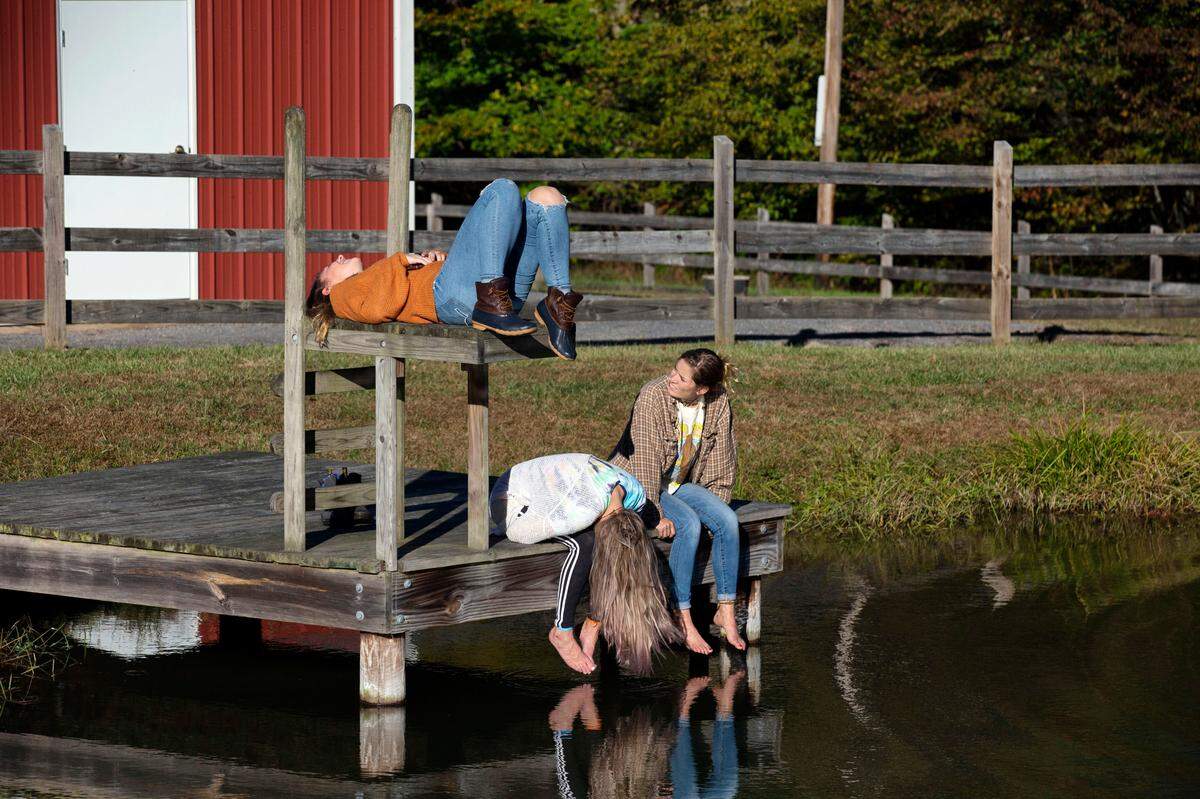
Then an hour passed and another, with Thomas calling Riley, UNC-Charlotte, the police, hospitals. In Raleigh, Lauren and Iris were together, trying to comfort each other. Lauren and Riley had been together since high school, sophomore year, and Lauren had long become part of the family. They’d talked about marriage, maybe a wedding on the dock of a pond near the Howells’ front porch. The house was surrounded by mountains and pastures, a serene farm where two generations of Howells had grown up.
Now a beautiful afternoon had turned dark, and there was still no word from Riley. In Waynesville, Natalie and Thomas could wait no longer. Thirty minutes before midnight, they began driving to Charlotte. They did not know that two officers were on the way from there to Waynesville to tell them in person.
On the way to Charlotte, Thomas and Natalie remained on the phone, seeking answers. Finally they received one while they drove into the city. Riley was gone. When they arrived at the police station, an officer greeted them. Natalie said the “very first thing he said was, ‘I am honored to meet the parents of a hero.’”
Soon, news began to spread of Riley’s death and what he’d done: that he’d charged a gunman, stopped a school shooting and saved lives. The news spread up and down Main Street in Waynesville and throughout the mountains where he’d grown up.
The shooting at UNC-Charlotte was the 100th mass shooting of 2019, according to the Gun Violence Archive website. The website tracks American mass shootings and defines them as single-incident events with at least four victims, injured or dead.
Ellis Reed Parlier, 19, one of Riley’s classmates, shot before him, was the 117th person killed in an American mass shooting in 2019. Riley was the 118th. Four others were wounded. Police said the carnage would have been worse if not for Riley.
Suddenly, Natalie and Thomas, both 49, were without their first-born. Iris, 20, Juliet, 16, and Teddy, 15, were without their big brother. And Lauren, 21, without the man she planned to marry. Now, those left behind entered a new world without him.
II. Homecoming goodbyes
The drive from Charlotte to Waynesville takes two-and-a-half hours, a little more than 150 miles. The route runs west through Gastonia and Shelby and north toward Asheville on Interstate 26. The final stretch follows I-40 west, then onto U.S. 74 and into town.
After a while, the monotony of the highway gives way to the kind of scenery Riley loved exploring. He was a strong 6-feet and 185 pounds, a rugged portrait of an outdoorsman. He grew up in those mountains and planned to return after school. But now he came home, for the last time, in the back of a black Chevy Suburban.
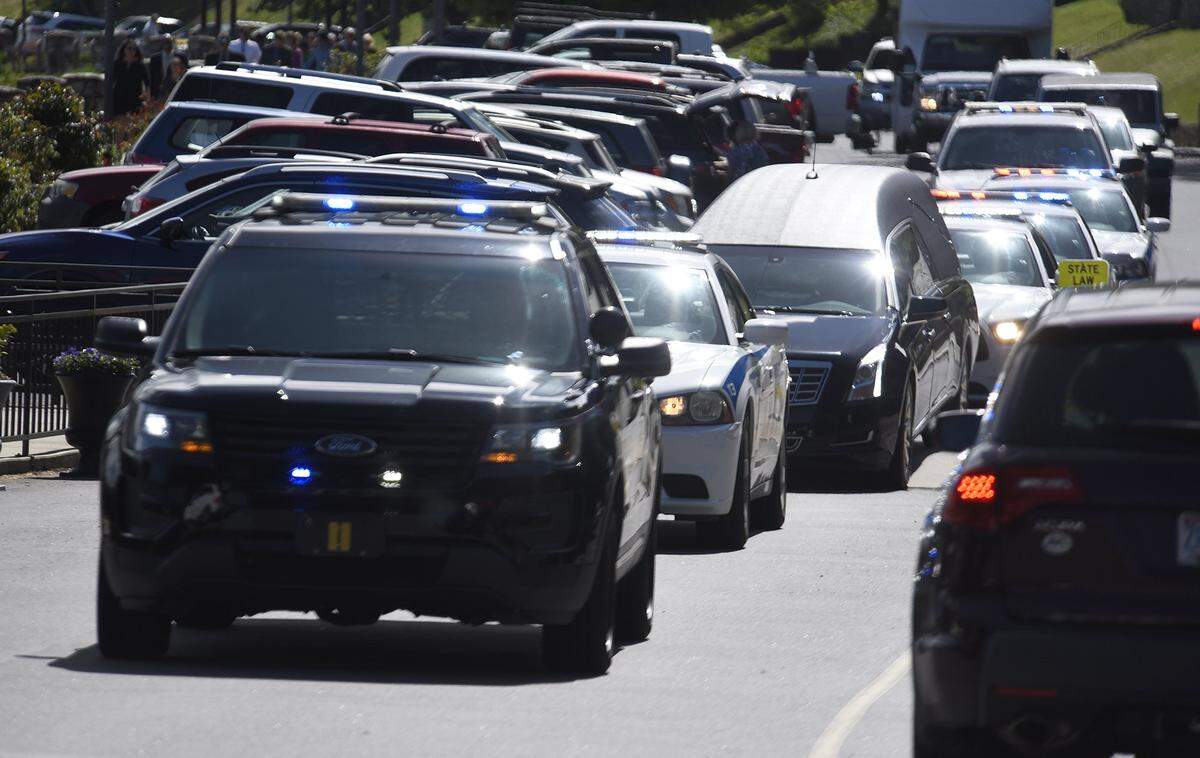
He received a police escort from Charlotte. The Haywood County Sheriff’s Office, Riley’s home county, sent a patrol sergeant, Jamie McEntire, to help bring Riley home. McEntire, a 25-year law enforcement veteran, drove the lead car, the Suburban trailing behind. The scene that day remained with McEntire, the people stopped at overpasses or on-ramps, hands over chests.
When the procession reached Exit 102, Russ Avenue, mourners lined the street to the Wells Funeral Home, a distance of about a mile. They were “four or five deep on each side of the road,” McEntire said, waving flags or saluting. There were police cars, fire trucks, flashing lights.
There was a Department of Transportation pickup truck with an electronic sign board in the back, the kind that might normally warn of a lane closure. This day, the sign flashed two messages: “WELCOME HOME RILEY” and “OUR AMERICAN HERO.”
Natalie and Thomas and Riley’s siblings waited near the entrance of the funeral home. Natalie hugged the officers who’d escorted Riley home. By the time he arrived, his body had been prepared.
“We were ready to receive Riley,” said Ryan Jacobson, the funeral home’s general manager, and he and his staff worked quickly to prepare for a visitation.
“And so then we had to make a decision,” Natalie said later. “I mean, at first I just thought I can’t see him. I can’t do it. I just--.”
They went to see Riley the day after he came home. It was Natalie, Thomas and the kids; Lauren and her parents. They walked into a room in Wells. A door opened, and there was Riley. It was all more sudden than Natalie expected. When the door opened she didn’t think he’d be so close.
“He had some trauma that we just tried to keep hidden, because we didn’t want to see that,” Natalie said of the wounds on the right side of Riley’s face. “But we all wanted some of his hair. And so we got to cut his hair. And it’s the strangest thing in the world to walk in and see your son lying in a coffin.”
After a while Natalie turned to Lauren. Months later, Amy Westmoreland, Lauren’s mom, could still remember what Natalie said to Lauren: “We’re just going to agree right now that his last touch is going to be from you.” Lauren was not sure if she could. She did not want to feel the cold. She could not look at his face, and did not. Amy reached down and tried to warm Riley’s hand for her daughter.
“It just feels like he’s been out on a day of skiing with you,” she said to Lauren, and Lauren took his hand for the final time. “She just held it like she was never going to let it go.”
Riley was not one for fancy clothes. He liked getting his hands dirty. And so they had him dressed in a Corner Kitchen T-shirt and a pair of jean shorts -- “just junk that he would be wearing every day,” Natalie said. Riley’s hat from B.B. Barns, the Asheville landscaping store where he worked in the summer, sat on his chest. That’s what he wore in the casket at his funeral in the Stuart Auditorium at Lake Junaluska.
At the start of the funeral, Balsam Range, the Haywood County bluegrass band, played “Amazing Grace.” The Rev. Robert Blackburn officiated. He’d married Natalie and Thomas, baptized Riley and known him since he was a little boy attending Sunday School at First United Methodist in Waynesville. That’s where Riley had met Logan King in the first grade, Riley dressed up as a cowboy. They’d shared childhoods of mountain adventure. Now King was one of Riley’s pallbearers.
During his eulogy, Kevin Westmoreland, Lauren’s dad, spoke of how Riley learned sign language as a toddler so he could communicate with his deaf uncle. Westmoreland made the sign for “I love you.” He told the congregation to do the same, a message to Riley. Everyone’s hands went up.
Near the end of the funeral, a bugler played “Taps.” He was from the North Carolina National Guard Military Funeral Honors Team. He and the other members wore white gloves and crisp dark uniforms. Riley received military honors because of his connection to the ROTC at UNC-Charlotte.
Staff Sgt. Michael Branch, 30, led the honors team. He has been a part of the honor guard for 11 years and averages about 25 military funerals a month. Usually they are for elderly veterans. Rarely had Sgt. Branch encountered the kind of scene he witnessed at Riley’s funeral.
After the bugler, a five-member firing party provided a three-volley salute. The shots echoed through the auditorium. Then Sgt. Branch led a six-soldier flag fold. They unfolded the American flag above Riley’s casket and slowly folded it back into a tight triangle. Sgt. Branch presented it to Natalie and Thomas and said:
“Sir and ma’am, this flag is presented on behalf of the president of the United States, the United States Army and a grateful nation. Please accept this flag as an appreciation for your loved one’s honorable and faithful service.”
The next day, Natalie and Lauren rode with Riley from the funeral home to the crematorium. They were in a hearse, Riley in the back in a box made of cardboard. Natalie placed a Kentucky Hot Brown on top. Riley loved those sandwiches. Natalie made Hot Browns for him every year on his birthday. Finally it came time for one last quiet goodbye.
“And we cremated him with his favorite food,” Natalie said.
III. Folded flags
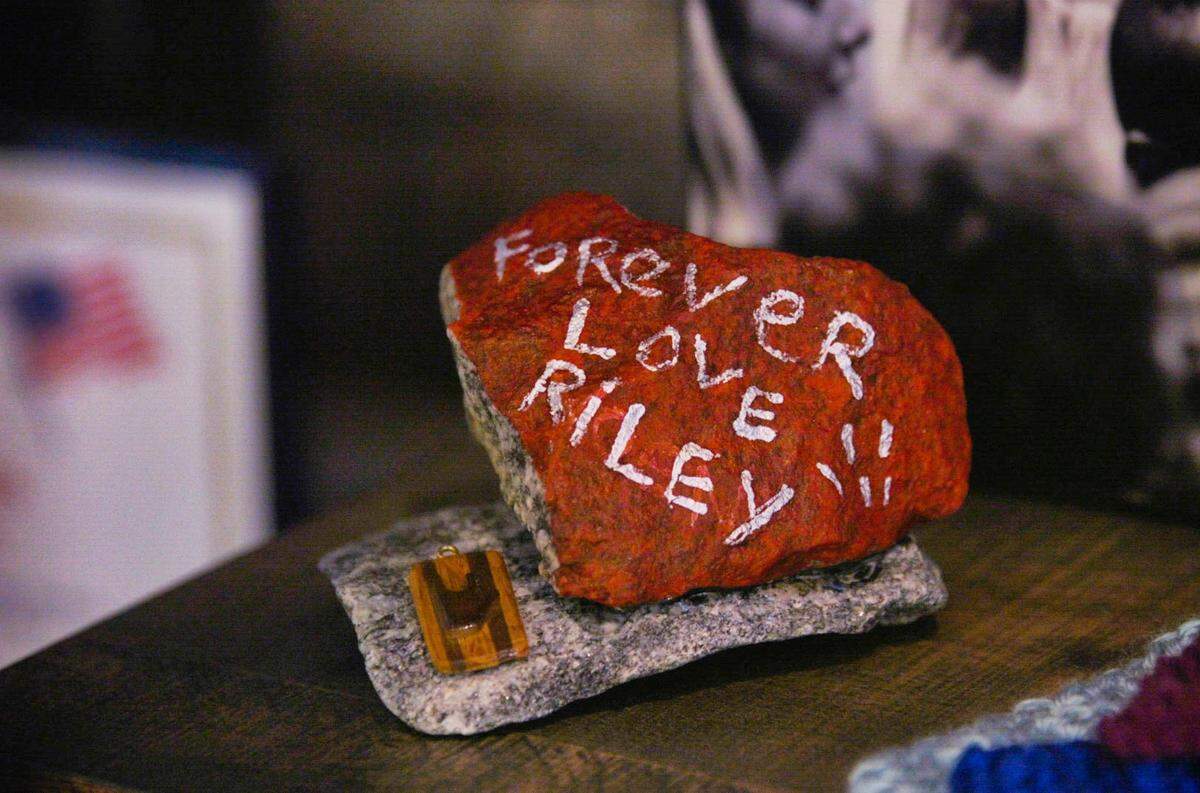
By early summer Natalie’s den had become a memorial, full of things people sent: cards, letters, artwork, books about grief. Someone sent “A Prayer for Owen Meany.” Iris had already read it and found meaning in the gift of a novel about a man destined to die saving others.
“He does the same kind of thing Riley did,” she said. “He dies saving other people, a bunch of kids. And of course they would send us that, right? It’s kind of perfect.”
Some of it, Natalie did not know what to do with. Like the honorary degree UNC-Charlotte awarded Riley. “Do you hang up a diploma in memoriam?” she asked one day, sighing and laughing at once. She had long brown hair and kind brown eyes filled with sadness. And now she had a roomful of things that represented her loss.
“He got that one, though,” she said, pointing to another diploma from Asheville-Buncombe Technical Community College, which awarded Riley a posthumous degree. She was proud of it. Riley had drifted for a bit after high school. He thought about becoming a fireman. Or joining the military. He hadn’t loved school, but Natalie beamed when he told her he was transferring to UNC-Charlotte.
Now, less than a year after he’d gone to the city for an education, American flags and military awards recognized the final act of his life. There were four of those flags, each one folded into a triangle, and they blended together so that Natalie had to think about the origin of each one.
She knew that Sen. Thom Tillis had sent one, along with a letter that said, “My prayers are with you.” She knew one of those flags had flown over the U.S. Capitol at half-staff. She knew another was from Riley’s funeral. She knew Rep. Mark Meadows, the Howells’ Congressional representative, had sent another.
“Lauren,” Natalie asked one day, “is the flag you have from the casket when they brought him home?”
“Yes,” Lauren said, answering from the kitchen.
Among the flags were awards, some of them plaques and others certificates. The Charlotte-Mecklenburg Police Department awarded Riley the Medal of Valor, the first time a civilian had received it. In a shadow box, there was a Bronze Star and a Purple Heart. A Vietnam veteran named Thomas “Stormy” Matteo had given those.
Another award, from the ROTC, recognized Riley for “excellence in battle.” Sometimes Natalie thought about the connotation. Part of her appreciated the sentiment. Yet there was another side, moments when she wondered what the recognition said about America, guns and the relentlessness of mass shootings.
“He wasn’t even in a battle,” Natalie said one day, staring at awards that made it seem like Riley had been a war hero. “He was in a class. And it’s transitioned into a classroom being a place where you’ve got to step up. …
“That should not be the conditions we’re foisting on our children.”
Not long after the shooting, a story emerged that Riley had been an ROTC cadet. Several media accounts described it that way: that an ROTC cadet had knocked a shooter to the ground, saving lives.
Riley had not been an ROTC cadet, though. He was enrolled in an ROTC class about military leadership. And while he had thought about joining the military, he was considering many other paths, too. King, his childhood best friend, saw Riley becoming a chef. Or maybe a conservationist.
“There’s so many possibilities,” King said, months after Riley’s death.
For a while, the story of his heroism captivated the public. Then the media moved on. There were other shootings. The story faded, and on a small country road in Waynesville it still didn’t feel real.
IV. The longest days
About a month after Riley’s death, the people closest to him wore orange shirts and carried orange signs into Hendersonville. It was June 2, National Gun Violence Awareness Day. Orange was the color of the cause and Riley’s favorite color, too. The signs and shirts said “We can end gun violence.” In response, some drove past and shouted in support of the Second Amendment.
Along with the grieving and the sleepless teary nights that turned to morning, that was part of the new reality, too, for the people Riley left behind: The pursuit of purpose and change in a nation where endless mass shootings have prompted hardly any changes at all. Quickly, Natalie learned what she could say and what she couldn’t, if she wanted to be heard.
“Gun safety,” she said one summer day in her kitchen during a discussion about the gun debate. “Don’t use ‘gun control.’ Use ‘gun safety.’” She knew she could only say so much about guns without some people shutting down.
By then, Natalie had created the Riley Howell Foundation Fund, its mission to assist families and loved ones of victims of gun violence. She envisioned covering expenses related to traumatic grief counseling, and scholarships to Outward Bound programs for people to seek healing outdoors. She said those things are like “cleaning up the mess,” instead of addressing its cause, but it is a start. And besides, Riley would like the connection to nature.
That was part of how Natalie tried to cope. She often walked to a flat spot in the mountains near the house. It was one of Riley’s favorite places. He’d go up there and camp and target shoot. He had several guns: a couple of 22-caliber rifles and pistols, a shotgun. He treasured one of his great-grandfather’s guns he received for Christmas one year and the stories that came with it.
When Natalie walked up to the flat spot now, she talked to Riley. It was where she felt closest to him. She’d tell him about her day. Inside the house, she kept some of his things close: his pocket knife, his wallet. It’d taken months for that to be mailed back. Its contents arrived in separate envelopes. A Bojangles gift card. Seven dollars cash. Several more weeks passed before police mailed back his sandals. Black Tevas, well worn.
For a little while after the shooting, Natalie talked with Kendrick Castillo’s parents. Castillo had been a high school senior in Highlands Ranch, Colo. He died eight days after Riley died, and in the same way: charging a gunman who’d entered a classroom. Castillo was “a lot like Ri,” Natalie said, “when I was talking to his parents about who he was.”
Natalie and Thomas had joined a sad fraternity of parents who have lost children to public acts of murder. Before, they’d shared a beautiful life, most of it in their native North Carolina mountains. They’d met at Tuscola High in Waynesville and graduated in Stuart Auditorium. It was the only building around large enough for a high school graduation. Decades later, it was the only building around large enough for their son’s funeral.
They received cards from parents who’d lost children in mass shootings. After a while, Natalie formed a relationship with a mother who lost a child in the Virginia Tech shooting. Thomas said someone connected to the Parkland shooting called and left messages. He couldn’t call back.
“I don’t know if that’s what I need to heal,” he said, Natalie by his side one day on the porch.
Thomas confronted his grief outside, through long runs and working around the farm with his hands. He’d passed onto Riley an appreciation for both, and Thomas still had the lithe physique of a runner.
Natalie tried to adjust to looking at her children and seeing three of them instead of four. Sometimes she had to look away. Now the teams, whether in silly games or sibling fights, were no longer two versus two. Now Iris was the oldest and JuJu, the family nickname for Juliet, was alone in the middle. And now Teddy, the youngest, was the only boy.
Natalie worried most about him. She worried about him growing up in the shadow of his brother’s final act. Teddy tried to reassure her. “I’m OK, mom,” he’d say.
Iris was in college, becoming an adult. Juliet was going to be a starter on her high school volleyball team. Teddy was entering high school, where he’d play junior varsity soccer. Natalie didn’t want them to feel guilty for living but she wondered how she could be present.
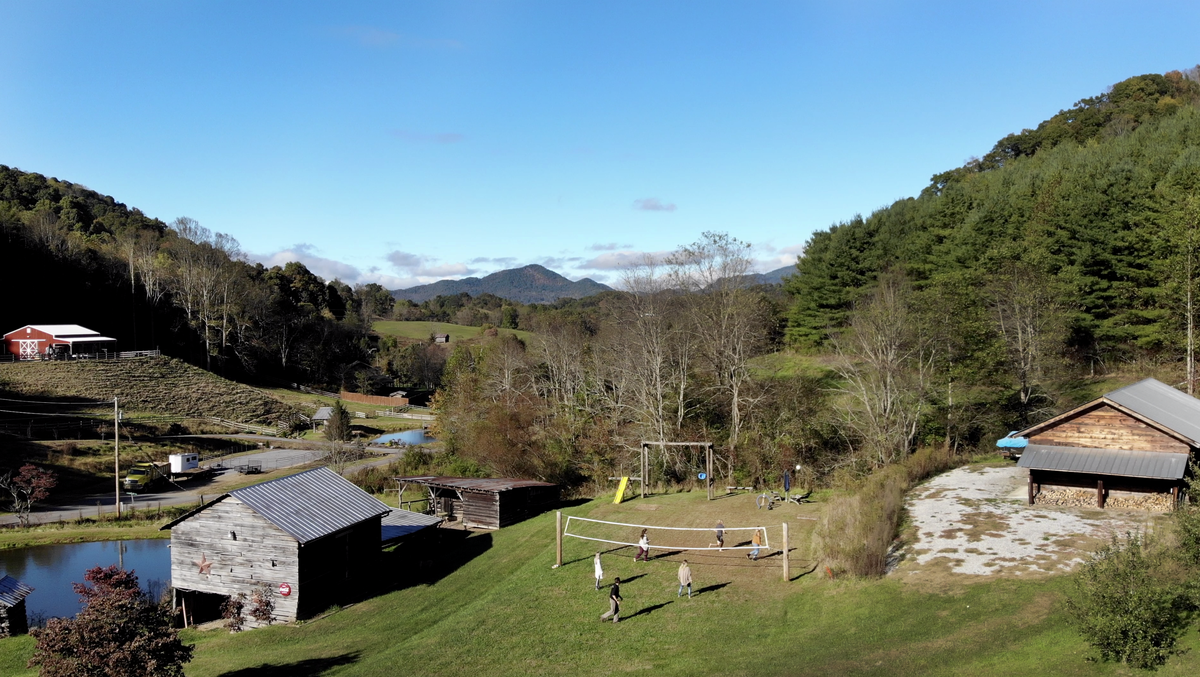
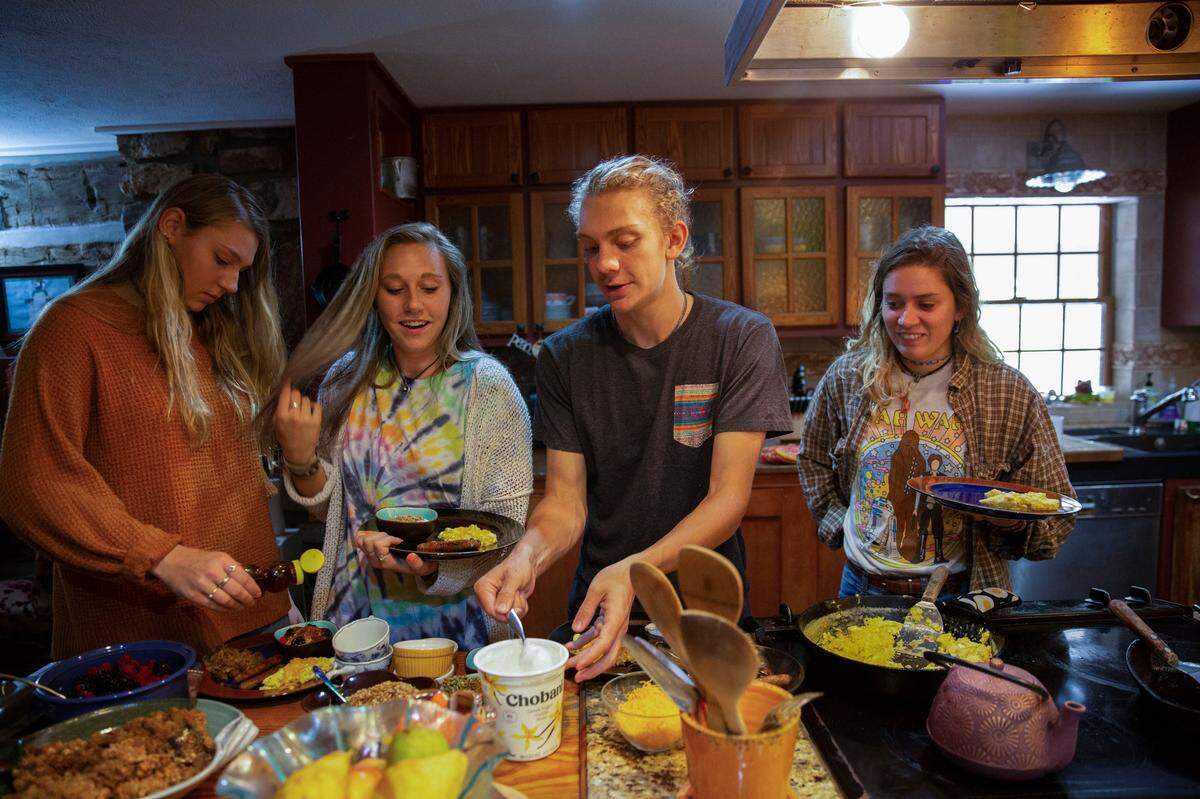
Many summer days ended on a grassy rectangle on the farm, the sun setting on a volleyball game among Natalie, Thomas and the kids. With Lauren, there were even teams, three-on-three. The games were a tradition. Riley was known to jump-kick the ball over the net. Now those games provided momentary escape. Toward the end of one, two neighbors approached with food. There was a month of meals in the Howells’ freezer.
One of the neighbors hugged Thomas and asked how he was doing. “I don’t know,” Thomas said. “I’m doing.”
They talked and the kids played with the dogs while the sun began to fall behind a mountain, casting long shadows. As time passed, Natalie tried to confront questions that became louder in her mind: What if the story wasn’t what she’d been told? What happened in that classroom? Had Riley’s heroism been exaggerated?
“You know how things get stretched, or pulled, or made more than it is,” she said. “Because it sounds like people – they need a Riley.”
She needed to know how he’d died.
V. Kennedy, Room 236
Kevin Westmoreland first met Riley on the sideline of a soccer field. Westmoreland’s daughter had just started dating him. She played soccer, and so did Riley. Westmoreland liked how Riley had shaken his hand, the grip firm. He liked how Riley had looked him in the eye.
Then Riley took off his shirt while he kicked a ball, and Westmoreland’s fatherly instinct took over. Who was this built kid hanging around his daughter? He asked Riley if he played football. No, Riley said. Westmoreland asked if he went to a gym. Riley told him he worked out at home in a small barn.
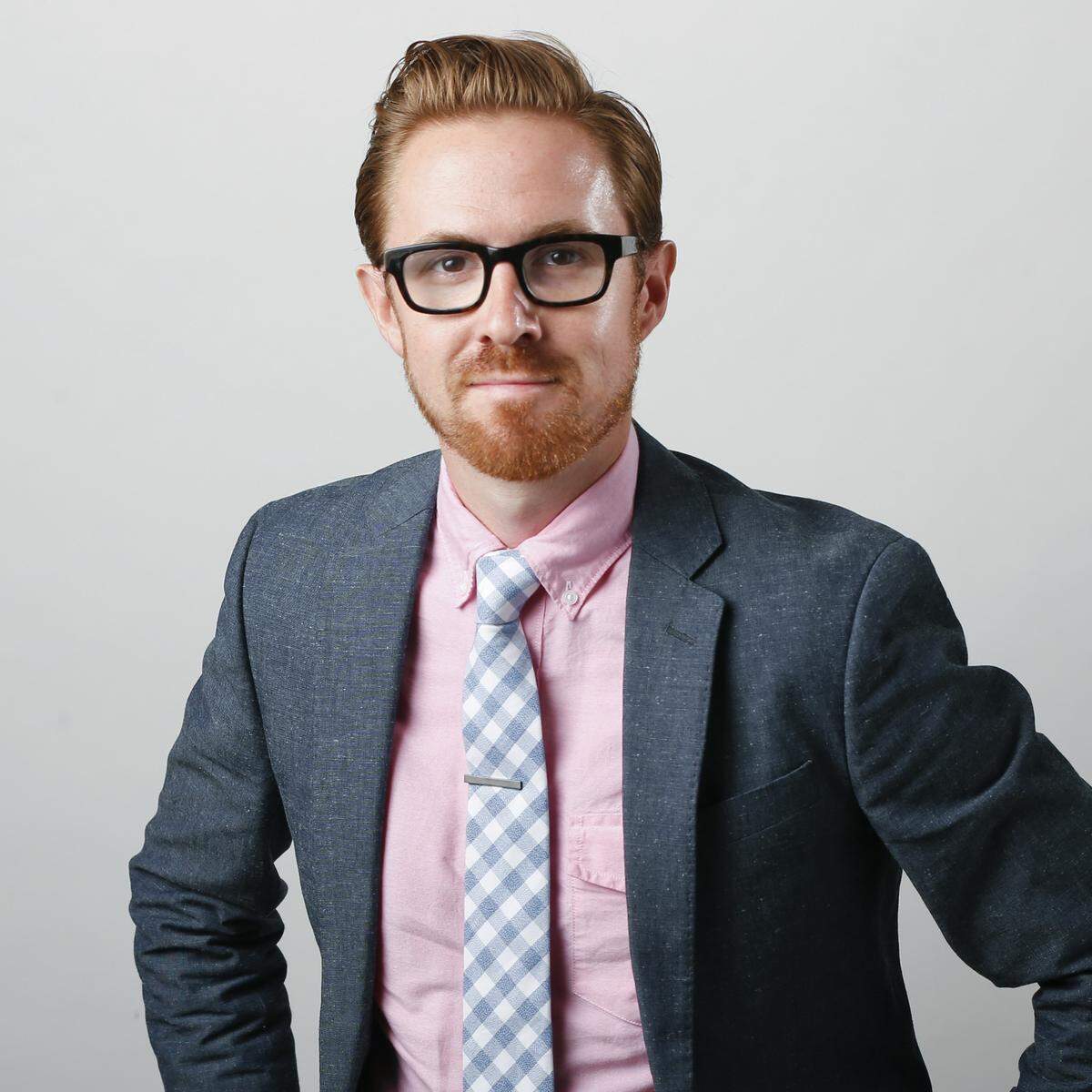
Westmoreland has a short beard, parted brown hair, glasses. He has a thoughtful look about him.
He is one of the co-owners of the Corner Kitchen restaurant in Asheville’s Biltmore Village. Riley’s first job was there, a busboy. Quickly, Westmoreland’s fatherly skepticism turned to warmth. One of the things he appreciated most about Riley was how Riley treated Westmoreland’s father, who suffered from Alzheimer’s disease and died weeks after Riley did.
“With Riley, it’s so sudden,” Westmoreland said. “It’s so violent … I knew Natalie was playing out all these scenarios. What happened? Did he feel pain? Was he alone? How long was he lying there? All these little details. But as a mother or a girlfriend or a family member, you think about that.”
Thomas did not feel a need to know. He is a trauma nurse, and he knew enough about fatal wounds to fill in the blank spaces in his mind. But Natalie wanted to know at least some of it, and so did Westmoreland.
“And the answers for me were the details,” he said. “What was the room like? How many people were there? How did they think Riley hit this kid, this shooter? Because here’s the thing – the word hero was the first thing, second, out of Thomas’ mouth when I saw him that next morning …
“But as the weeks went by a little bit, I thought what if we find out that...”
He paused, as if he hadn’t wanted to consider that the hero story was off. But like Natalie, he had.
“Part of me was like, what if we found out that didn’t happen?” he said.
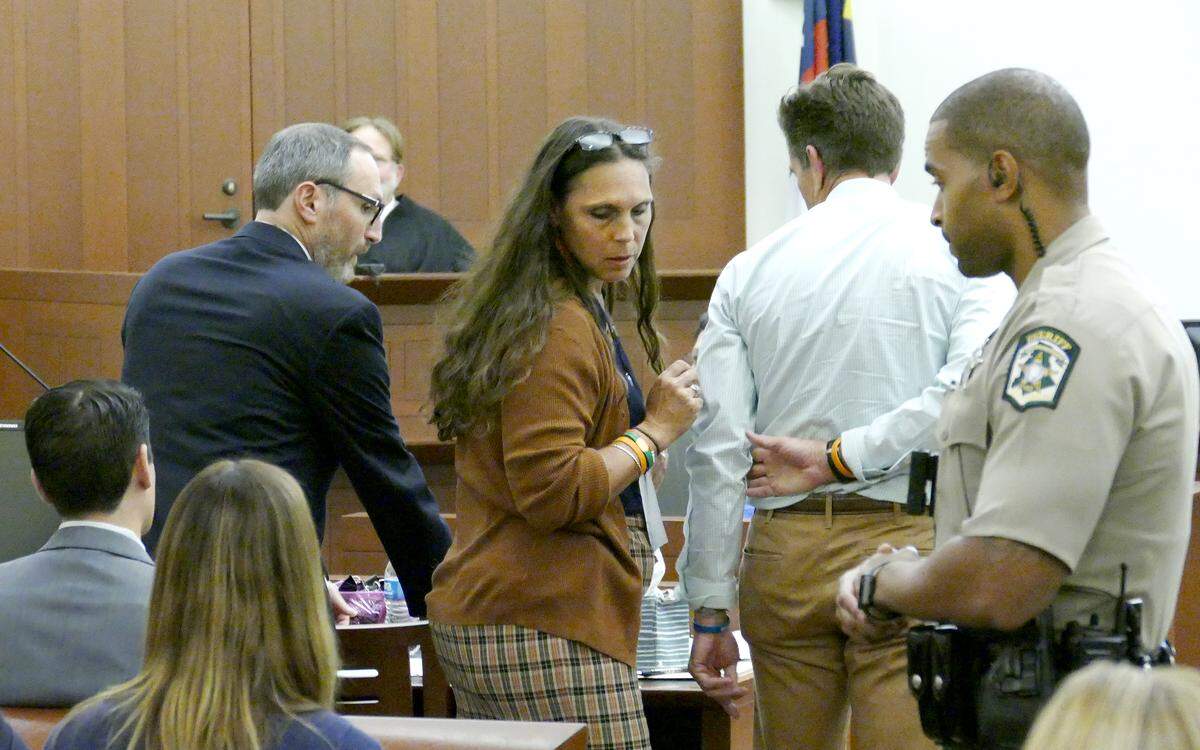
Now it was June 20 and Westmoreland was driving from Asheville to Charlotte. Natalie had asked the police and district attorney for answers but had not received many. It was an ongoing case, they said. Months would pass before the shooter pleaded guilty and received a life sentence. Natalie could have visited the campus but she couldn’t bring herself.
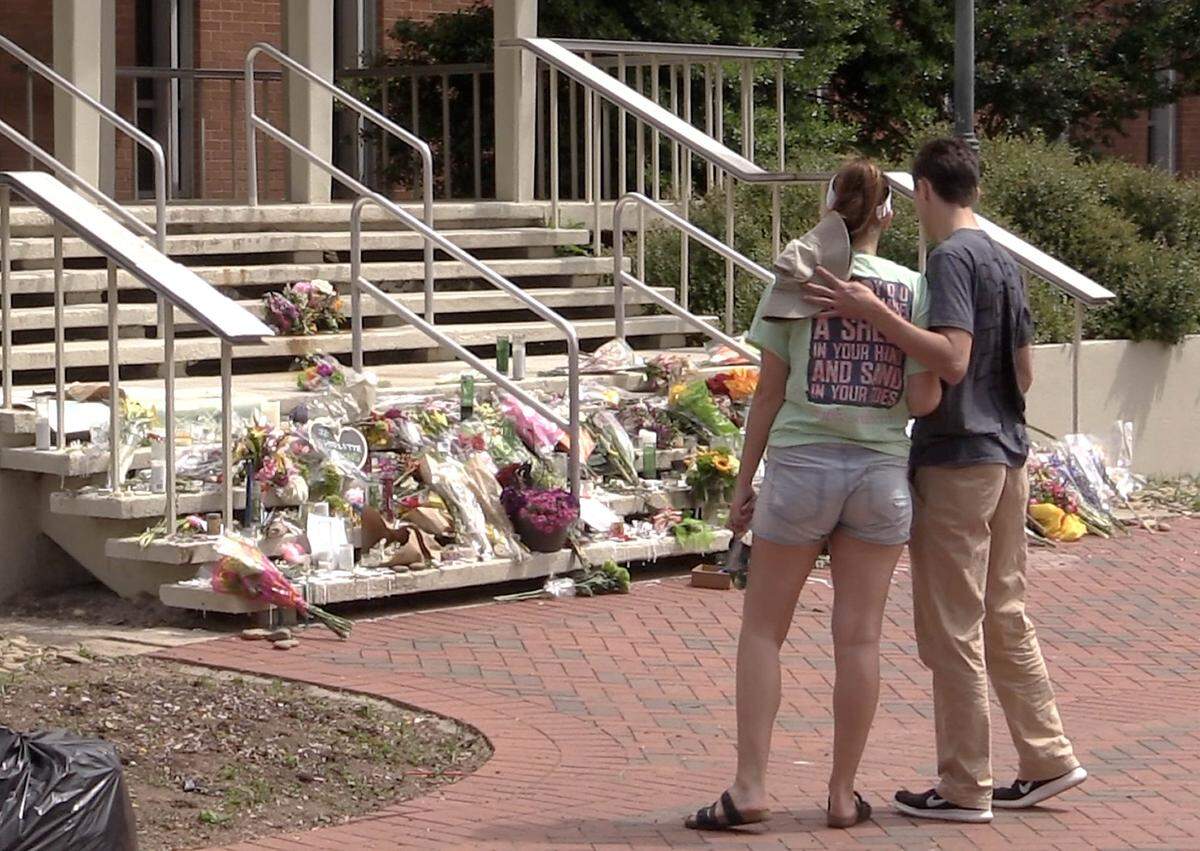
And so Westmoreland went. He met the campus police chief and another officer outside the Kennedy Building, where the shooting happened, “and it was a heavy thing to be standing there,” Westmoreland said.
The officers led him to the classroom, Room 236. The carpet had been replaced. Westmoreland said the officers told him how the shooting unfolded. They led him into the bathroom where the shooter loaded his gun. They described the layout of the room, where people had been. Reed Parlier and Riley had been sitting at the same table. The tables were round. Several dozen students had been inside. The shooter entered through a door closest to Riley’s table and began firing.
The officers told Westmoreland how they believed Riley reacted. They’d recreated the shooting through evidence and witness accounts. Nobody could be sure how Riley made his decision, or how much time elapsed before he did. It had to have been seconds.
Westmoreland learned the shooter emptied one clip with 17 bullets. When Riley charged the gunman, the gunman shot him several times. The medical examiner later identified eight gunshot wounds and concluded three of the wounds likely came from one bullet. If that was true, then Riley had been shot six times.
He had two gunshot wounds on his right ear, one on his right cheek, one on the right side of his neck, two on his upper chest, one on his right arm and another on his left. The one on his cheek came from a close-range shot, likely as Riley lunged toward the shooter.
The officers concluded there had been no more shots after Riley’s final act. They cited the shooter himself, who told police, “That guy body-slammed me.” After, survivors, some injured, escaped the classroom. To Westmoreland, Riley had been more heroic than originally thought. The officers showed Westmoreland pictures, and from those pictures he could tell where Riley had been.
The officers left Westmoreland alone in the room. He remained inside for two hours. He took pictures and made measurements, in case Natalie wanted them. Then Westmoreland placed himself where Riley had been.
“I stood in the spot where Riley died,” he said. “I laid down on the floor in that spot where Riley died, and looked at the ceiling and tried to put myself in his place. And I tried to think about him being there and did he think about his mom or his family or did he think about Lauren or did he even have the ability to think about that?”
Soon Lauren called while her father was still in the room.
“And I said, ‘Well I’m in the room, by myself, getting ready to leave,’” Westmoreland said. “And I said, ‘Lauren, I’m right here. I’m right here where Riley was. I said do you want me to say anything to him?’ And she started crying, and she just said, ‘Tell him that I love him,’ and I of course did.”
Westmoreland drove back and went to the Howells’ home for dinner that night. He and Natalie talked for a long time on the porch, and by the end of it, she had fewer questions about how her son had died.
VI. Road trips west
The Westmorelands live in Asheville, about 30 minutes from Waynesville. Through Riley and Lauren, the families became one. After Riley died, Lauren mostly lived with the Howells through the summer. She felt his presence there, and that brought her comfort.
For weeks after, Lauren and Riley’s siblings stayed up late, distracting themselves with old comedies and episodes of “Friends.” They’d fall asleep in the early morning, “like puppies,” Thomas said, all of them huddled together.
The first time Lauren left the Howells’ home for an extended time was in June. Her family had planned a trip to Big Bend National Park in Texas. She carried some of Riley in a small bag. It was the first time Lauren had looked at the ashes. She had not been prepared.
“I was like, I don’t think I can touch them,” she said later.
One day in Big Bend, the Westmorelands hiked down into the Santa Elena Canyon. The Rio Grande divided the United States and Mexico. Lauren stepped into the river, her feet sinking into silt, and released Riley over the water.
Later came a storm. Matthew Westmoreland, Lauren’s brother and a photography student at UNC-Chapel Hill, set up his camera. To him, the images of an angry sky, lightning streaking through darkness, “represented everything we were feeling for the previous two months.”
There had been much to feel, including the sense of resignation after every mass shooting. In the spring and summer, they came one after another. A week after Riley died, Kendrick Castillo also died trying to stop a gunman. Three weeks later, 13 died in Virginia Beach. Two months later, 21 were shot, four killed, in Gilroy, Calif.
Days after, in early August, Lauren began a road trip for her 21st birthday. She and Iris and three others crammed into Natalie’s Subaru Forester, their gear tied to the top. They headed west, through Colorado and Utah to Las Vegas. Again Lauren carried pieces of Riley.
And again, days into the trip, more shootings: 32 dead in El Paso and Dayton. Familiar scenes repeated: lowered flags; pundits talking; politicians expressing outrage before the inevitable quiet; tearful parents, siblings, spouses describing people they’d lost.
When Riley died, those closest to him found peace in the story of his final moments. They hoped it might lead to change. But every mass shooting pushed it farther into history.
“It’s almost like, was it for nothing?” Lauren asked one day. She tried not to think of it like that.
“Think how many have happened since Riley,” Natalie said.
Lauren was making Natalie a book with pictures of the places she’d left Riley: down a steep canyon road in Colorado; on the river in The Narrows of Zion National Park; the Delicate Arch and Double O Arch in Arches National Park; along the rim trail in Canyonlands National Park.
Lauren called Riley on her birthday to listen to his voicemail greeting. She listened to old messages he had left her. One night in Canyonlands she felt Riley’s presence while a sunset brought her to tears.
VII. The Riley Oak
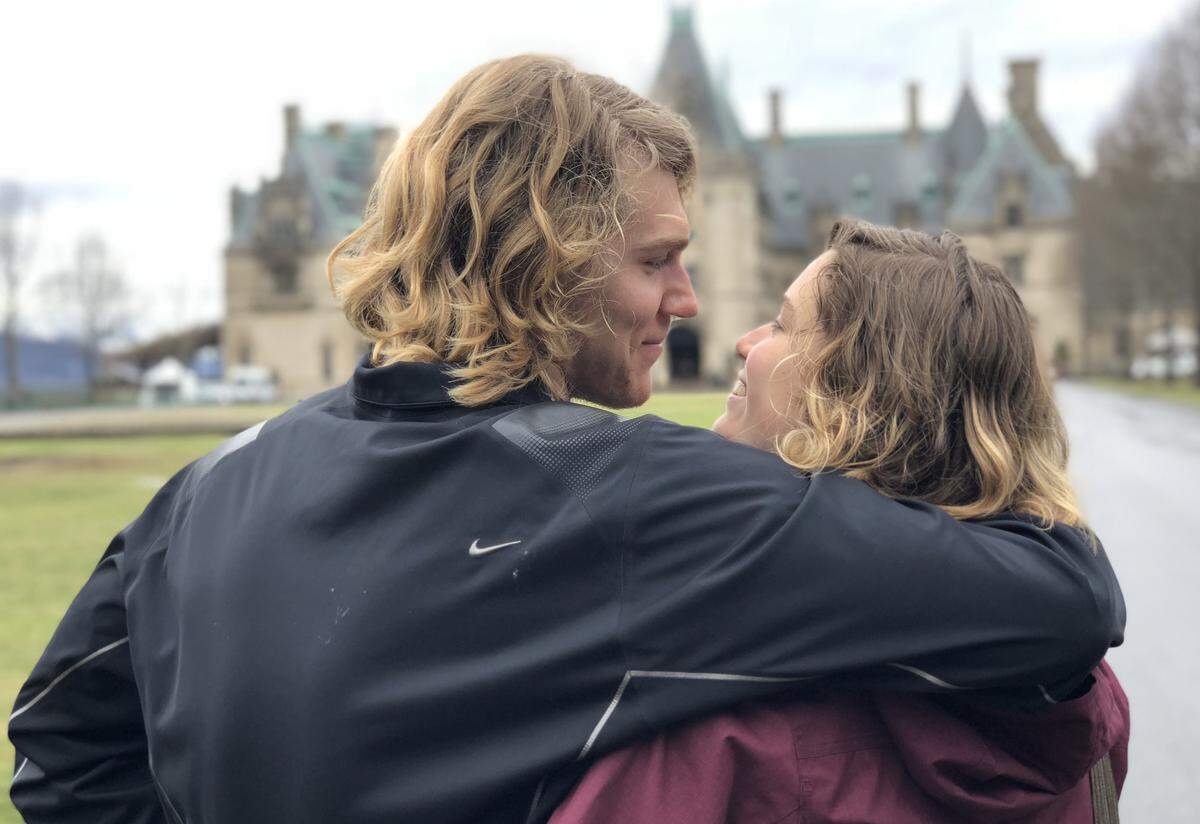
Now it was mid-August and almost time to return to school. Juliet was going to be a high school junior, Teddy a freshman. They’d be home. But Iris planned to return to N.C. State, four hours away, for her sophomore year. She looked like her older brother: blonde hair and the same kind eyes and smile, one people wanted to be around.
Among the siblings, Iris had been the closest to Riley. When she’d left for college last year, she’d needed decorations for the dorm. She took some of Riley’s Star Wars figurines. He loved Star Wars. She laughed at that now. “He was like, ‘All right, I have two Han Solos, you take one,’” she said. Now those little toys sat in the kitchen in Waynesville and Iris wasn’t sure about going back.
“Everything is going to be difficult,” she said.
And so she tried, not knowing that weeks later she would withdraw, that it was too early. She learned eventually that she couldn’t concentrate and that she couldn’t bring herself to sit in a large lecture hall. By then, Natalie already knew. She’s a teacher, middle school, and she could not return to work.
Lauren knew, too. It would have been her senior year at N.C. State. But the thought of being on that campus brought a sick feeling. It was where she’d found out. When the Howells drove Iris to Raleigh for school, Lauren also went. She visited the places she’d been when Riley died. She asked her mom to send her pictures of Riley in his casket. Lauren still needed to convince herself it was real.
One day at lunchtime, she and Natalie climbed into Natalie’s Forester and drove to the Smoky Mountain Sub Shop, off Main Street in Waynesville. Everyone close to Riley could tell stories about his appetite. The sub shop was among his favorites. After, Natalie walked up the block a little ways.
There, at the corner of Main and Miller, the town was planting an oak tree for Riley. For now, it rested above ground, its roots in a ball. One day that tree would grow large and one day, sooner, there would be a sign there. Natalie pulled up the design on her phone:
“In remembrance of our Hometown Hero, RILEY HOWELL, for his bravery in the face of evil, his strength of character and the selfless act that saved numerous lives. For this we dedicate this Mighty Oak Tree in his honor.”
Above that was a Bible verse, Jeremiah 17:8: “He is like a tree planted by water, that sends out its roots by the stream, and does not fear when heat comes, for its leaves remain green, and is not anxious in the year of drought, for it does not cease to bear fruit.”
The Riley Oak. It’d be strong like him, Natalie thought. Yet she still wasn’t sure about the hero part.
“I don’t want somebody to think that’s the course of action they should take,” she said, standing near the tree. “I think in Riley’s case it worked because of the timing? I don’t know. Because of the type of kid who was shooting? … I don’t want people to think that it’s not heroic to save yourself, too.”
She often wished Riley had saved himself. Yet she knew as well as anyone that wasn’t her son. If he’d run and if others had died, Lauren said, “he would probably not be able to live with himself.” He would’ve thought himself a coward, she said.
Natalie and the kids returned to the car and Natalie stopped at the edge of downtown in front of Kandi’s Cakes. Natalie loved the cream horn pastries. She held the door for an older woman walking out.
“And I recognized you, from your dear son,” the woman said in a slow, high-pitched drawl.
Natalie tried to smile.
“My son’s in the military,” the woman said, “and I couldn’t imagine. And I didn’t want to bring it up to make you sad --”
“Oh, no, thank you,” Natalie said, quietly.
“God bless you,” the woman said. “And your angel, I know, is looking after all of y’all.”
“Thank you,” Natalie said.
“Love y’all,” the woman said.
It happened often, and was part of why Natalie didn’t go into town much. Even well-wishes brought pain. Everyone picked out desserts, and then it was back to the car, Natalie behind the wheel with her thoughts.
VIII. Garden on the lake
Natalie walked toward the little chapel on the lake. It was almost three months after Riley died. The memorial chapel at Lake Junaluska was a small stone building near the edge of the water, the Smoky Mountains of Western North Carolina rising in the distance. People came here for weddings and baptisms. They came to pray and sometimes to remember.
Now, on the third Friday in August, Natalie entered the chapel. Sunlight and shadows covered the empty pews. She thought of Riley and of a congregation arriving for happier moments. She said he’d like that, resting close to where people more often celebrated than mourned.
She walked toward the back, and the lake and mountains came into view. She looked inside the columbarium, where people stored the ashes of their loved ones. It was a peaceful place, dignified. Yet Natalie knew it was not the place for her son. He always liked it better outside, free.
“People can be put in here,” she said, closing the door. “But they can also be put in this garden.”
She unlatched a gate and stepped inside. A lilac tree stood on the left. White blooms covered it in the spring. A short stone fence enclosed the space. There was a black iron bench to sit. For months, Natalie had thought of a place for her son’s ashes, somewhere permanent to visit.
She’d never had a conversation with her 21-year-old son about what he’d want if he were to die. She figured he wouldn’t want to be underground. Early on, people had started to ask Natalie about her son’s grave. Mourners wanted to know where they could visit a hero.
Natalie had taken Riley to some places, like the family houseboat on Fontana Lake. She planned to take some of him up to Max Patch, about 45 minutes away. Riley loved it up there, the the sky like magic at sunrise and sunset, mountains all around.
Maybe here, she thought while she stood in the garden. Maybe she could spread most of Riley here. But then she looked at the stone fence, how it obscured the view of the lake.
“I don’t know why that would matter,” she said, but it did. “I’d rather him be able to see the water.”
Sometimes she thought a tree might be better. That she could place most of Riley in the nook of a tree. That she could put a plaque somewhere with his name and the dates: RILEY CARL HOWELL, December 13, 1997 – April 30, 2019. She thought of sitting under that tree and feeling his presence there, as if he was offering his protection.
“And it feels more like Ri,” she said. “Like he’s sheltering you or something.”
She walked out of the garden and closed the gate. Her search continued.
IX. Six months later
Today a new dog, a chocolate lab puppy, runs around the Howells’ farm. They named him Rodeo, after Riley’s old SUV parked in the driveway. Sometimes Natalie sits inside just to feel him there. The day before Halloween was six months since Riley had been gone.
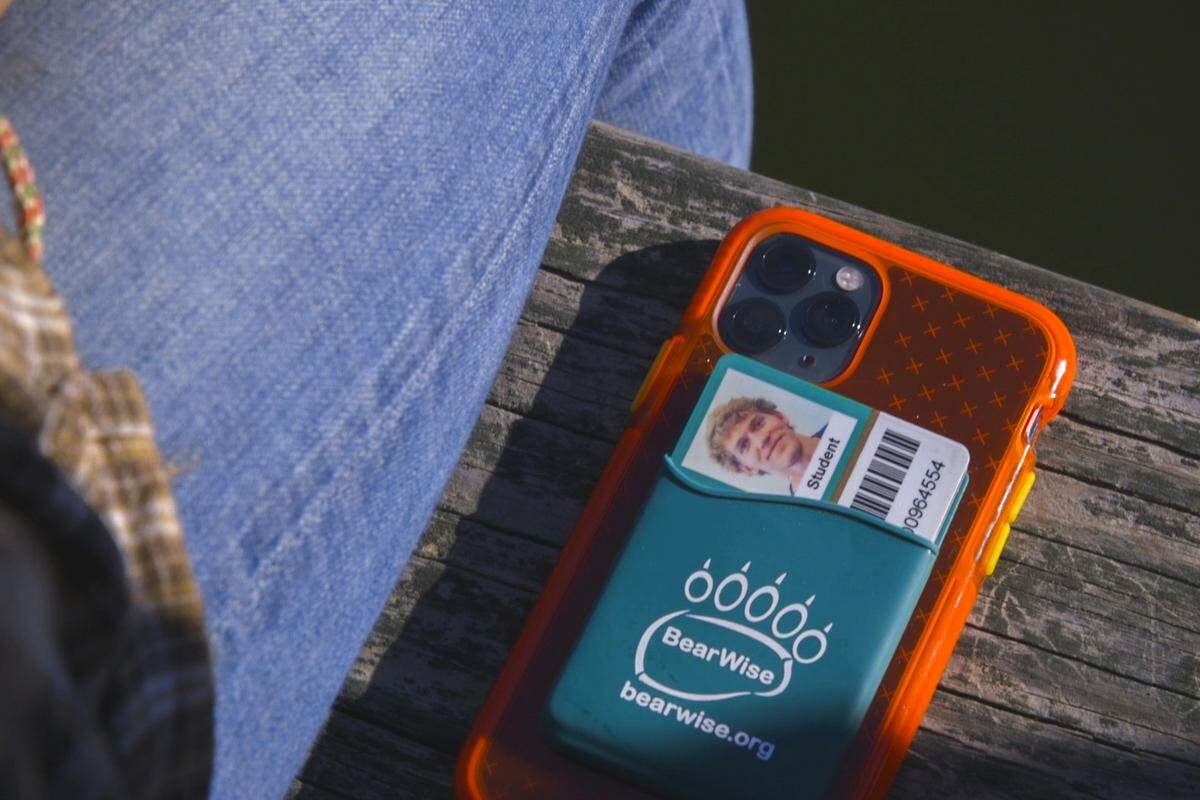
Juliet and Teddy have their sports and school. Iris hopes to return to N.C. State in the spring. Lauren doesn’t know. She spent September hiking the Pacific Crest Trail in Oregon, searching for peace. She still stays with the Howells often. She keeps Riley’s UNC-Charlotte ID in a sleeve on the back of her phone. Nights are the most difficult, the long quiet. She said it becomes harder as time passes.
Thomas has made a habit of going to the gym and working out like Riley had. He has organized a memorial race for next April in Waynesville. It will be called the Mighty Four-Miler in homage of the MIghty Thor -- one of Riley’s nicknames. Natalie talks to him when she walks into the woods. Wherever she goes she often carries some of Riley’s ashes.
They’ve built shelves for the awards and honors. All around the Howells’ den are reminders of Riley’s heroism. The boxes with his ashes are reminders of what it cost. For months, Natalie did not know what to do with those boxes. Now she and Thomas have placed them on a bottom shelf next to the books about grieving and “A Prayer for Owen Meany,” below his sandals and the four American flags folded into triangles.
This story was originally published November 20, 2019 at 6:00 AM with the headline "Riley Howell died trying to stop a mass shooting. These are the people he left behind.."