NC schools will vote on new social studies standards. The aim is to be more inclusive.
As protesters march on the streets demanding that the nation deal with issues of systemic racism, some North Carolina education leaders say it’s time to ensure that schools teach history in a way that represents the views of different groups.
The State Board of Education is scheduled to vote next week on new K-12 social studies standards that will guide how courses are taught to North Carolina’s 1.5 million public school students. The state board delayed the vote after telling the standards writers in June to make changes that ensure that the views of minority groups are included and that more specific attention is placed on events such as integration and the civil rights movement.
“I have to ensure that the standards that are being communicated to the next generation of North Carolina public school students are truly representative of the lives and experiences of the citizenry,” state board member James E. Ford said in an interview with The N&O.
“We have to be careful because what is taught can often contribute to the myth making of our society, and I want to be on guard against any sort of indoctrination or political propaganda. For me, it’s about ensuring that students are able to take a critical look at histories and events that honor the diverse perspectives.”
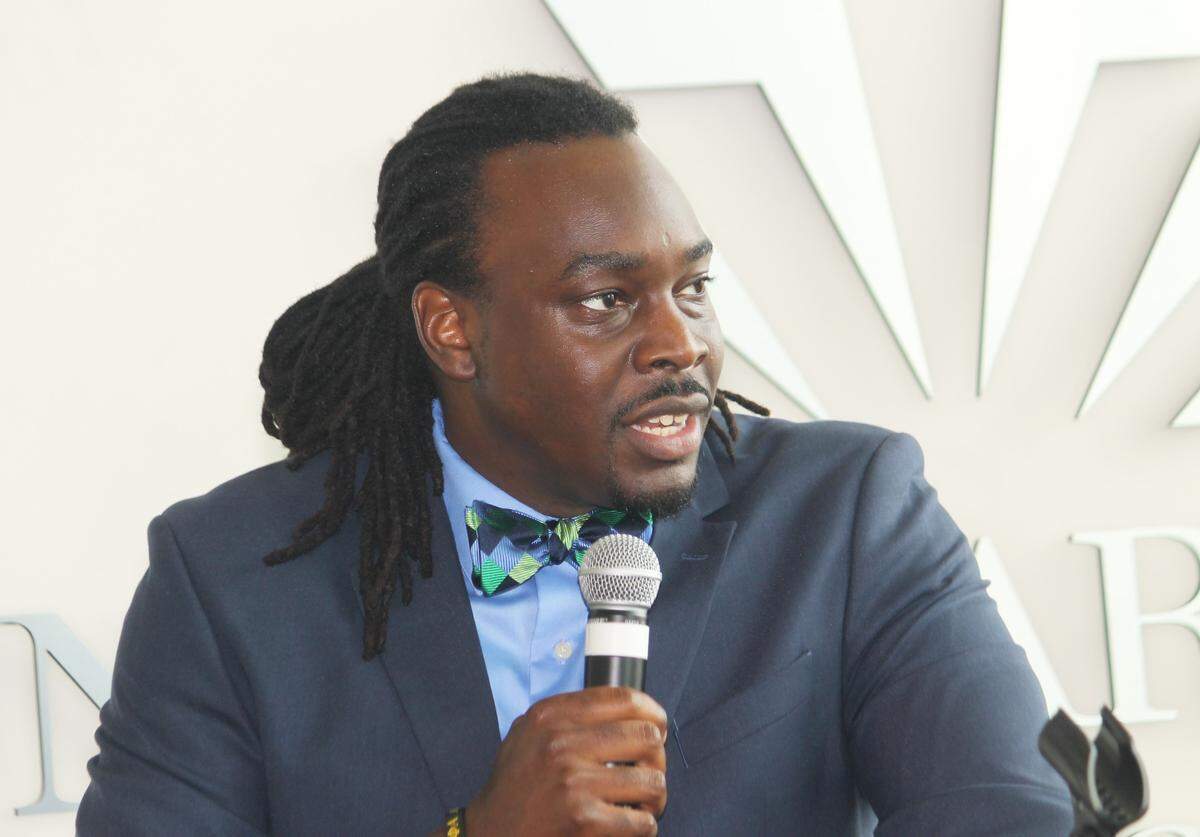
Ford is an education consultant and former Charlotte-Mecklenburg social studies teacher who was named North Carolina Teacher of the Year in 2014.
Remembering George Floyd
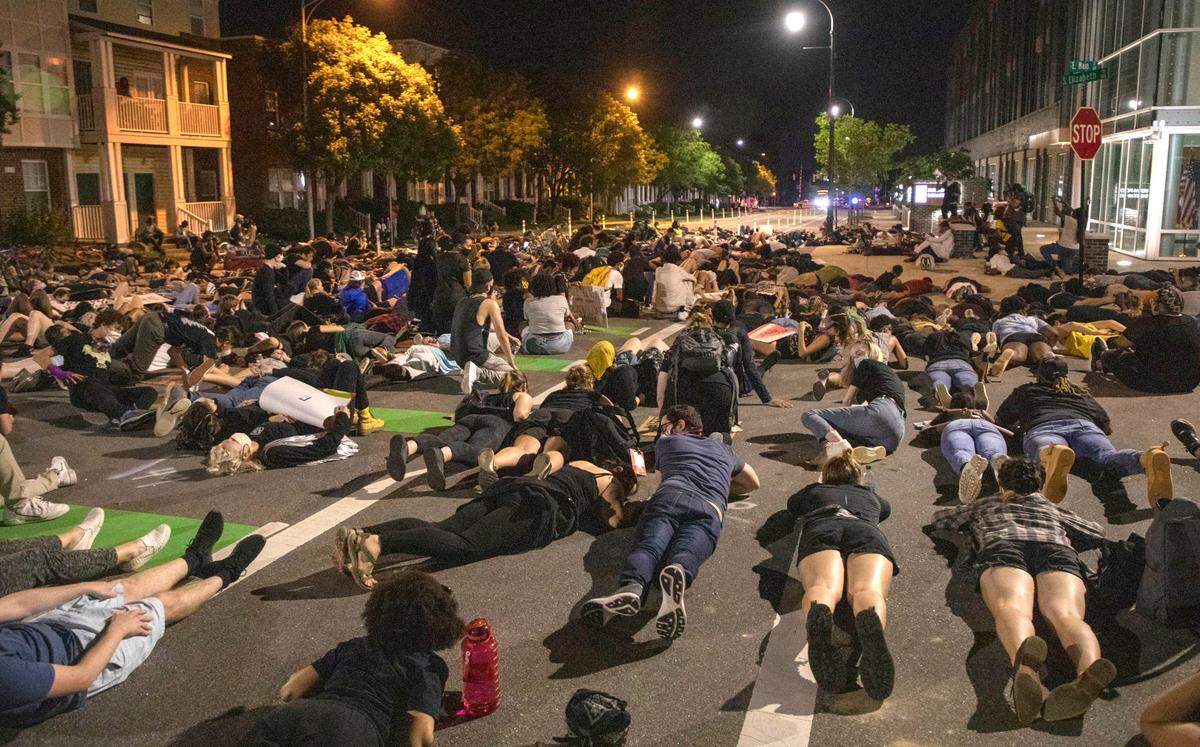
The decision to delay adoption of the new standards came a day after several board members made impassioned pleas about responding to nationwide protests over Black people like George Floyd being killed by white police officers.
“George Floyd. We begin this meeting saying his name, for anything less further supports the uncomfortable silence which surrounds and upholds the systemic practices which continue to plague our nation and state, resulting in the physical and mental deaths that many Black and brown citizens experience everyday,” state board chairman Eric Davis said at the June 3 board meeting.
The state periodically reviews and revises the standards used in different subjects. Some changes are needed because the state is consolidating U.S. history in high school from two courses into one class to make room for a new personal finance course required by state lawmakers.
Multiple drafts have been presented for public review, including a proposal that’s since been dropped to have 3rd-grade students learn about why monuments, including Confederate monuments, “are valued by a community.”
Over the last month, several monuments connected to Confederate figures and white supremacists have been removed by government officials or torn down by protesters.
Making new social studies standards more inclusive
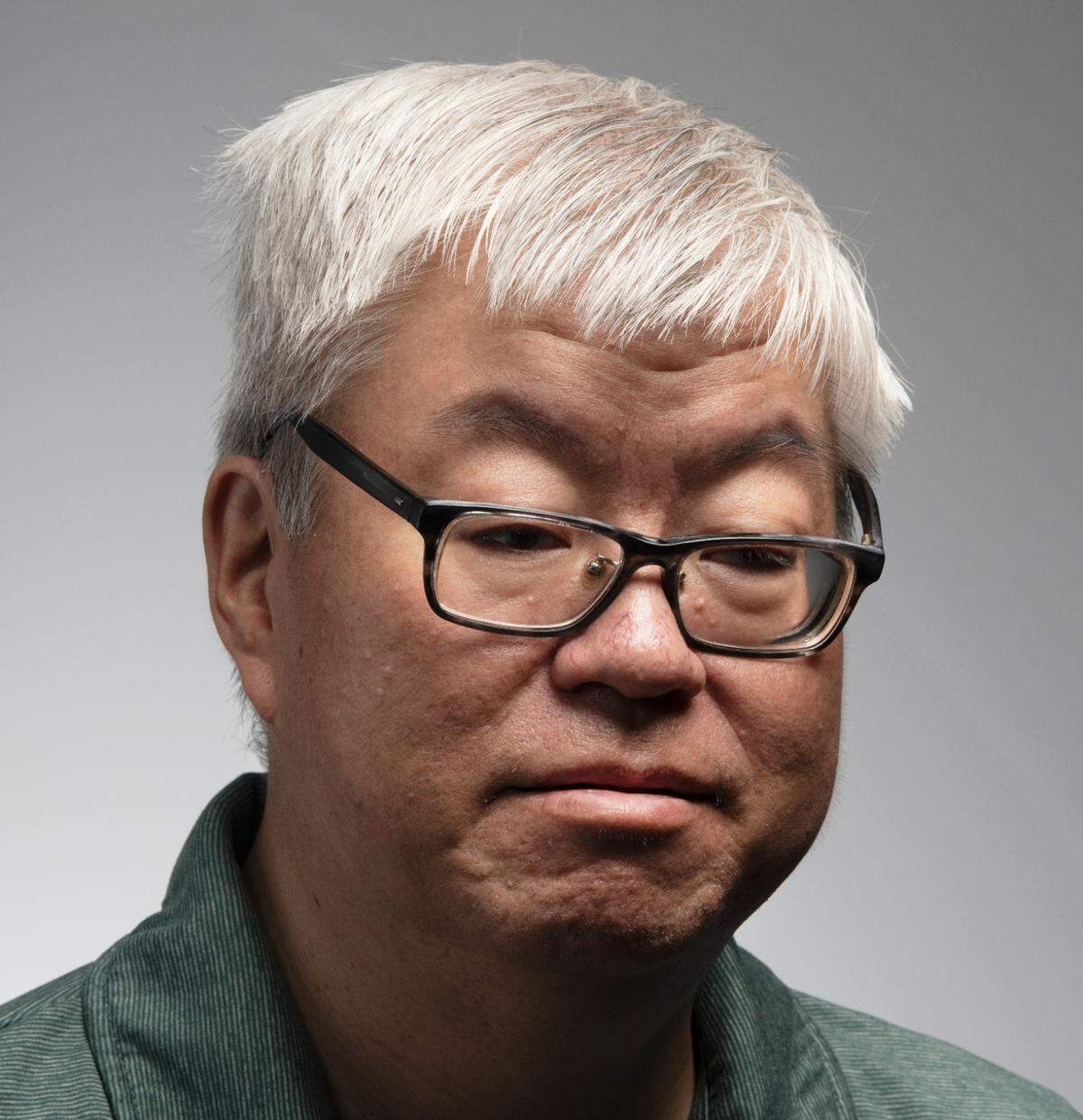
Rodney D. Pierce, an 8th-grade social studies in Nash-Rocky Mount Public Schools, said he was the only African American male on the team who helped write the new K-12 standards.
“We set out to be as intentional as we could be in being inclusive and asserting the experiences, the stories and the voices of the marginalized in the history of North Carolina and the United States,” Pierce, a member of the 8th-grade standards writing team, said in an interview.
Pierce said they used terms never seen before in the standards, such as injustice, recovery, resistance and resilience. He said the state Department of Public Instruction asked them to make some changes they disagreed with but he didn’t provide details.
At the June state board meeting, board members and advisers raised concerns about how the six pages of proposed standards for the required U.S. history high school course don’t specifically mention things such as integration and the civil rights movement.
Lori Carlin, DPI section chief of social studies and arts education, told board members that more specific guidance on teaching the courses will be given later. Schools aren’t officially required to begin teaching the new standards, once they’re adopted, until the 2021-22 school year.
But even without the specific detailed wording, Carlin said inclusion is evident throughout the standards.
“It was absolutely imperative that we work to include all voices within the standards,” Carlin said. “Our systematic approach to ensuring that — even with the challenging aspects of history that must be taught — the voices of the minority and the oppressed must be heard in order for our North Carolina students to have a full and accurate understanding of events and what they mean to us today.”
Concerns were also raised about how the lack of details in the standards could result in each school district teaching its own version of social studies.
Requiring teachers to include multiple perspectives
Carlin said DPI had looked at including in the standards an introductory paragraph about how teachers must include multiple perspectives. The state board told Carlin to include the introductory paragraph in the standards that will be voted on in July.
The board also requested more wording in the standards about concepts such as slavery and important moments in the civil rights movement such as the 1898 Wilmington Massacre, when white supremacists violently overthrew the city’s elected multi-racial government.
Ford, the state board member, said he also wants DPI to consult with diverse groups in developing the guidance on how the standards will be taught. He said the increasingly diverse student population wants to see their perspectives included in the courses and not just those of the white majority population.
For instance, Ford said that while social studies classes may talk about American exceptionalism, it should also mention how some founders owned slaves and were purveyors of white supremacy. He said students should also learn about events such as how white supremacists destroyed the thriving Black Wall Street community in Tulsa, Oklahoma, in 1921.
“Particularly the last four weeks, there has been an increased sense of urgency and anger,” Ford said. “That’s not just from marginalized groups: people of color, LGBTQ folk. I’ve heard from white folks that they haven’t been thoroughly educated.”
Teachers say history shouldn’t be ‘white-washed’
Some North Carolina social studies teachers say their students want a more diverse teaching of history.
“We need to make sure students are getting a well-rounded version of history and not a white-washed version,” Kim Mackey, a social studies teacher at Green Hope High School in Cary, said in an interview.
Mackey said teachers shouldn’t shy away from topics such as racism because they feel it might be too political.
Dane West, a social studies teacher at Knightdale High School, expects students to bring questions about systemic racism to class when schools reopen. West said teachers can’t send students into the world telling them everything is great when the teens can see the problems around them.
“The U.S. has done some exceptional things, but they’re not all good,” West said in an interview.
Leah Greene, social studies department chairwoman at Broughton High School in Raleigh, said the key to making sure classes are more inclusive is providing good professional development for teachers. She said some teachers got their degrees without taking African American or Latinx courses.
“The way that change is going to happen is through buy-in with the teachers,” Greene said in an interview. “If teachers believe it’s important to meet everyone where they are, that allows for every voice to be heard.”
This story was originally published July 2, 2020 at 10:00 AM with the headline "NC schools will vote on new social studies standards. The aim is to be more inclusive.."