Expanded grant program will give more NC students money to attend community college
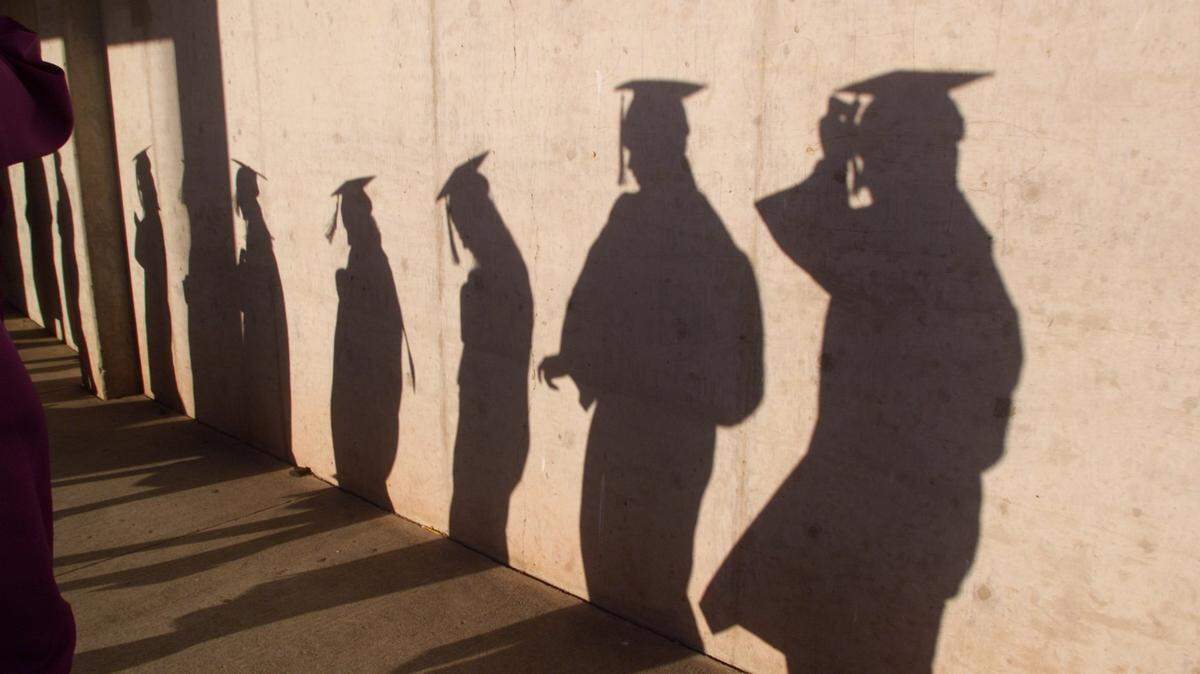
Additional recent high school graduates will be able to pursue a degree from any North Carolina community college thanks to a newly expanded grant program.
The Longleaf Commitment Grants can cover the cost of tuition and fees for up to two years for low-income students who graduated in 2020 or 2021.
The program was expanded to include 2020 high school graduates to boost enrollment and make higher education more affordable and accessible, particularly for students who’ve been impacted by the COVID-19 pandemic. It was previously only offered to 2021 graduates, but an excess of money in the program prompted the expansion.
“Education translates into opportunity, and with this grant expansion, we are excited to provide more opportunity to our diverse student populations across the state,” Thomas Stith III, president of the N.C. Community College System, said in a statement.
A second chance at education
Alan Hidalgo-Lobo, 24, is one of the more than 11,000 students who have already received the grant for school this fall.
He’s working on an associates’ degree at Central Piedmont Community College in Charlotte in order to transfer to UNC Charlotte and earn a bachelor’s degree. He then plans to attend law school at N.C. Central University and become a criminal defense lawyer.
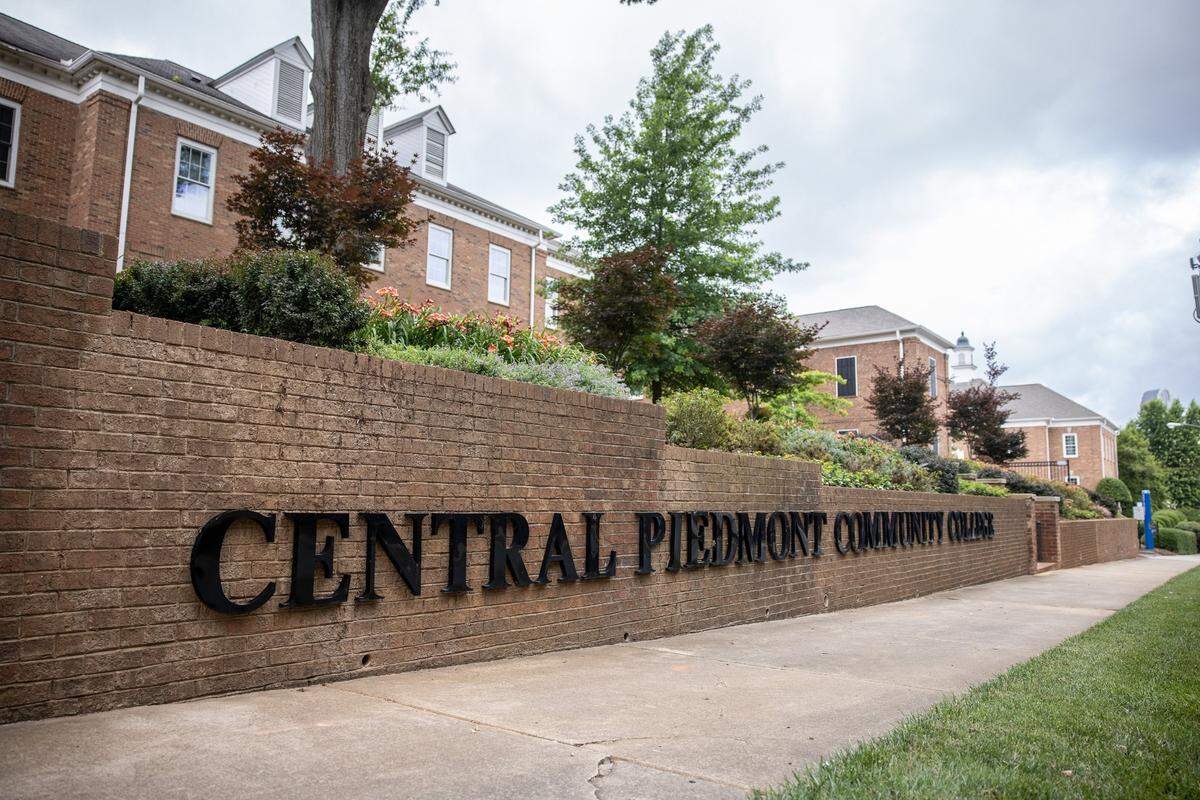
Hidalgo-Lobo said this grant changed his life. It gave him the opportunity and the financial aid to get a college degree after dropping out of high school because of his father’s death.
“I felt embarrassed that my whole class walked the stage and I didn’t,” Hidalgo-Lobo said. “I felt so discouraged to go back to school.”
But after a few years, he decided to get his GED at Central Piedmont and earned his diploma in April 2021. Hidalgo-Lobo’s adviser told him about the Longleaf grant, and three weeks later he was enrolled in summer school with his tuition and fees covered. He also uses the money to help pay for books and transportation, he said.
“I always knew I had potential ... I’m capable of accomplishing anything that I set my mind to,” Hidalgo-Lobo said. “I knew that I wanted to progress in life.”
This grant is helping him financially and mentally to reach his career goals, he said.
Fueling the NC workforce
Gov. Roy Cooper directed $25 million of federal money to develop the scholarship program through the Governor’s Emergency Education Relief fund. The money had to be used to help education-related institutions recover from the COVID-19 pandemic and Cooper worked with the N.C. Community College System to launch it earlier this year.
At a press conference about the state budget this week, Cooper said one of the things the budget got right was “helping more people get credentials and degrees, including an extension of my Longleaf Commitment scholarship program.”
The state budget allocates an additional $31 million to keep growing the program with about $25 million for scholarships and $6 million for community colleges to hire more academic counselors.
In an interview with the News & Observer, Stith said they’re working to mitigate the impact of the pandemic for students and aid the state’s economic recovery.

Stith said the community college system “fuels the job engine of the state” and prepares students for high-demand, high-income jobs.
“We’re seeing significant growth in business locating and expanding in the state,” Stith said, noting Apple opening a campus in the Research Triangle Park.
He said this initiative is aimed at educating and training students to meet the demands of the state’s workforce as local businesses grow and major corporations arrive.
North Carolina students can apply to receive between $700 and $2,800 to attend any of the 58 community colleges around the state. The money will be distributed based on a students’ income-level determined through the Free Application for Federal Student Aid (FAFSA) process.
Students must complete the FAFSA process and have an Expected Family Contribution less than $15,000 in order to be eligible.
This story was originally published November 18, 2021 at 8:00 AM with the headline "Expanded grant program will give more NC students money to attend community college."