
North Carolina keeps lethal bird flu out of poultry barns – so far
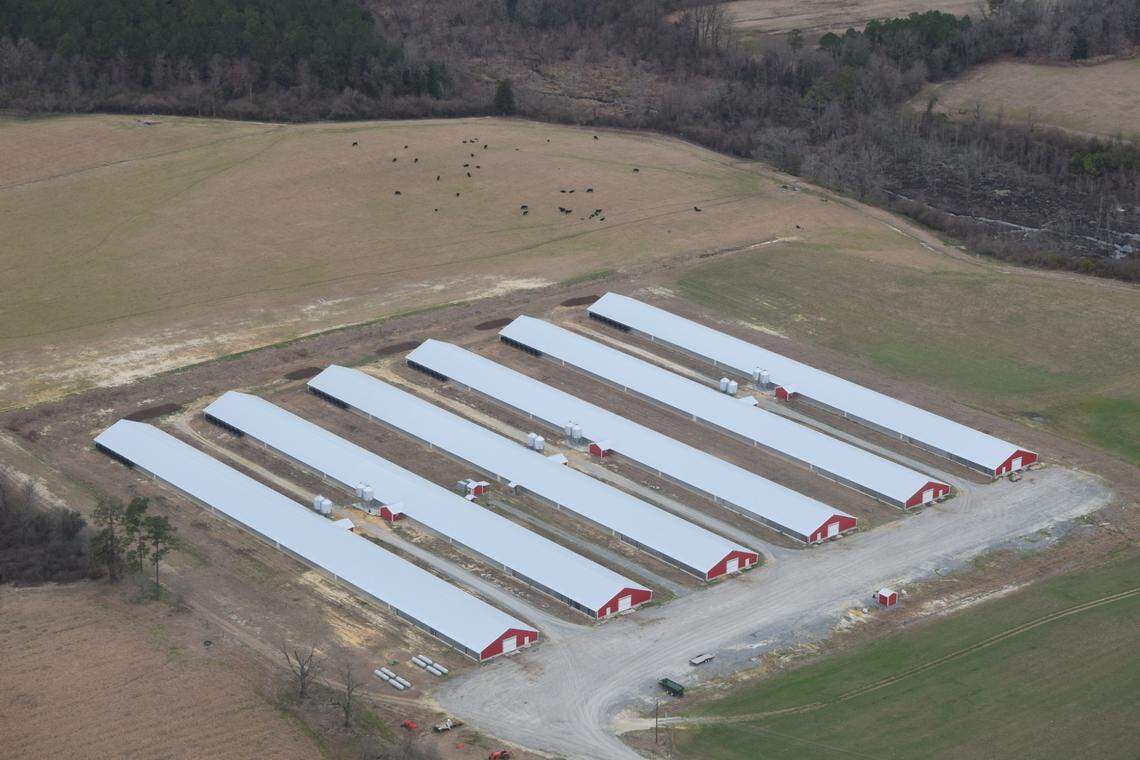
From high above eastern North Carolina, poultry farms dot the landscape as far as the eye can see. At times, too many to count.
In a single-engine Cessna plane, Kemp Burdette focused his gaze toward the farms on the ground – both swine and poultry – looking for possible environmental hazards. He spotted a few and snapped photographs through a long lens.
On an overcast Tuesday last week, the Cape Fear riverkeeper was also on the lookout for dead birds, a potential sign that a highly infectious strain of bird flu has infiltrated North Carolina’s huge poultry industry.
So far, no cases of the highly pathogenic avian flu have been reported in commercial chicken or turkey barns in North Carolina, though nearly 140 cases have been found in wild birds here, according to U.S. Department of Agriculture data.
That’s by far the highest number in any state so far during an outbreak that began last month.
Several other states have reported outbreaks of the virus in commercial and backyard poultry flocks, raising concerns of a wider outbreak – like one in 2014 and 2015 that led to the deaths of 50 million chickens across the U.S.
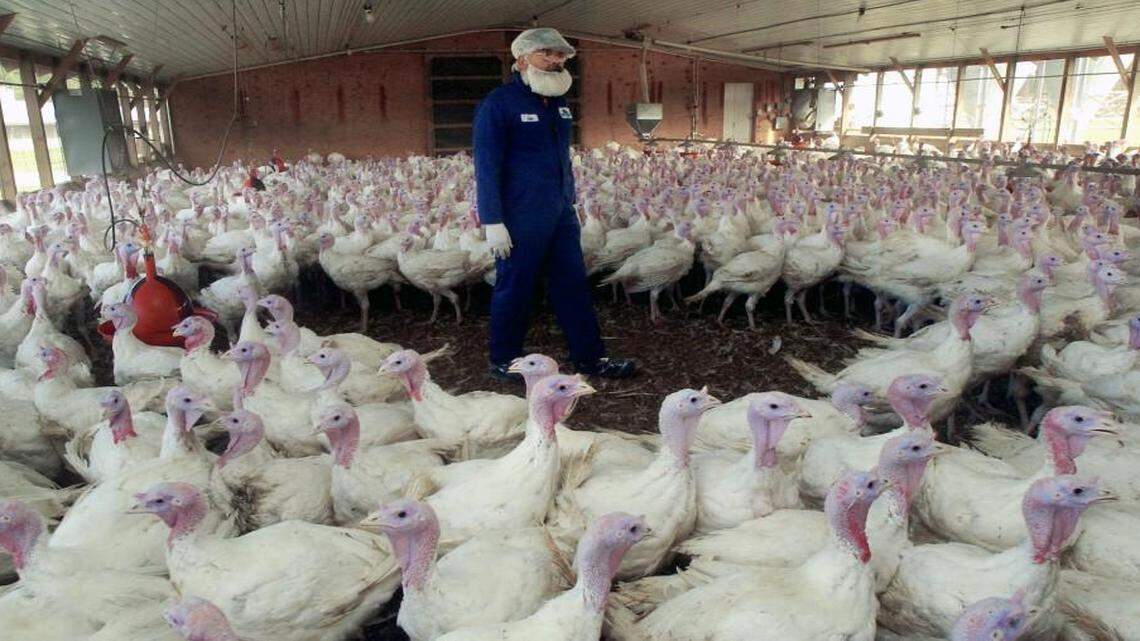
North Carolina poultry farms have so far managed to keep their flocks virus-free with strict biosecurity measures and a pinch of good fortune, according to officials closely monitoring the risk.
“So far we have had some success in North Carolina even though we know this virus is very prevalent in our wild fowl,” said state veterinarian Mike Martin. “But any loose link in the chain could be the reason this gets into our domestic birds.”
The state’s main priorities are getting the word out about the virus to poultry farms and making sure farms follow recommended biosecurity protocols.
Growers on high alert
The word biosecurity sounds technical, like it denotes specific standards. In reality, it’s a looser principle that basically means don’t let outside pathogens come in contact with birds.
At poultry farms across the state, biosecurity measures take different shapes, said Jonas Asbill, an agent with the North Carolina State University Cooperative Extension, who works with poultry farmers in 20 counties.
Farms are limiting the number of people coming and going, along with requiring workers to change footwear and clothing when on the farm and sometimes in specific poultry barns, Asbill said. Some farms are also sanitizing vehicles that may enter barns, he said.
Burdette on Tuesday spotted from the air what appeared to be a farm worker sanitizing a piece of farm equipment, the first time he’d seen such activity on a poultry farm, he said.
Such steps are needed because avian flu is often transmitted through the droppings of infected birds. If a farm worker or visitor were to track in tainted waste on a pair of shoes or a set of tires, it could result in an entire flock getting infected.
The specific measures taken on a farm-by-farm basis depend on the standards set by the company that owns the birds raised there, and they vary. The companies submit their biosecurity practices to the state Department of Agriculture, Asbill said.
Matt Koci, a virologist at NC State, said that since poultry farms largely keep birds indoors, the biggest risk of introducing avian flu comes from people and equipment.
“For those who raise birds inside already, their birds are at a lower risk, but not zero risk,” Koci said.
Hundreds of cases
Since Jan. 13, the United States Department of Agriculture has reported 297 cases of avian flu in wild birds, mostly in water fowl. Of those, 137 cases have been found in North Carolina, specifically in Beaufort, Bladen, Carteret, Craven, Currituck, Hyde and Pamlico counties.
No new cases have been reported in the state since Feb. 17, though state agriculture officials say that could be because the USDA has shifted its attention to the growing outbreak of avian flu in commercial poultry.
As of Friday, USDA had confirmed 14 cases of the virus detected in domestic birds: seven cases in poultry farms in Delaware, Indiana and Kentucky, and seven cases in backyard flocks in Maine, Michigan, New York and Virginia.
Martin, the state vet, said the virus remains a serious threat in the state, even though case numbers have remained flat. People should continue to keep their flocks inside and report any sick birds to their vet, he said.
State officials take the risk of an avian flu outbreak so seriously because the virus is extremely deadly for poultry, North Carolina’s biggest agricultural commodity.
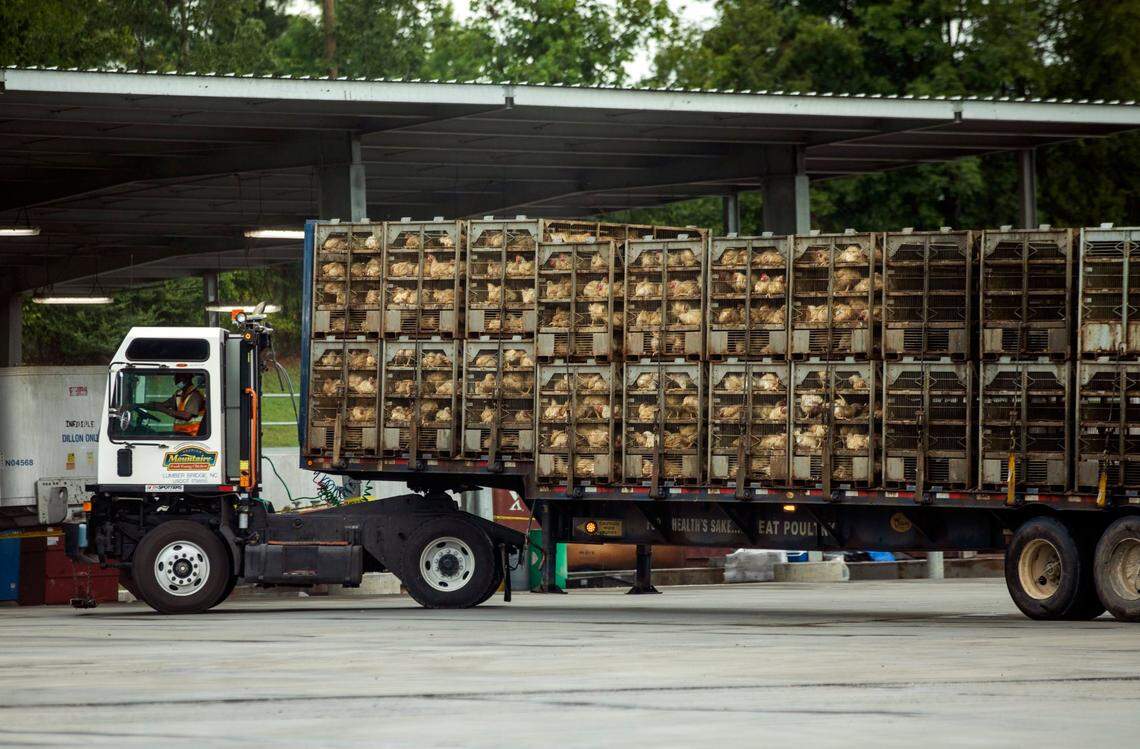
In 2019, North Carolina farmers raised 916 million broilers – chickens bred for meat – alone, according to the N.C. Department of Agriculture and Consumer Services, generating around $3.6 billion in revenue.
Once this virus gets into a poultry farm it can kill between 60 percent and 100 percent of birds, Koci said. An outbreak of avian flu in 15 states in 2014 and 2015 resulted in more than 50 million chickens and turkeys either dying from the virus or being killed to prevent further spread, according to the USDA.
Despite its danger to poultry, avian flu presents a small risk to humans, according to the Centers for Disease Control and Prevention. People in close contact with infected birds can contract the virus, with symptoms similar to the seasonal flu.
Martin said there is no risk from poultry consumption.
Up in the air on Tuesday, Burdette, the Cape Fear riverkeeper, saw no indication of sick or dead birds, but with case counts – both among domestic and wild birds – increasing along the East Coast, he said he’ll still be keeping an eye out for any sign of the virus.
“We’re probably not seeing it yet, but it seems like every day it’s a little bit closer,” he said.
This story was originally published February 28, 2022 at 6:00 AM with the headline "North Carolina keeps lethal bird flu out of poultry barns – so far."
