
NC forests destroyed by ‘geologic event’ get $290 million for recovery, feds say
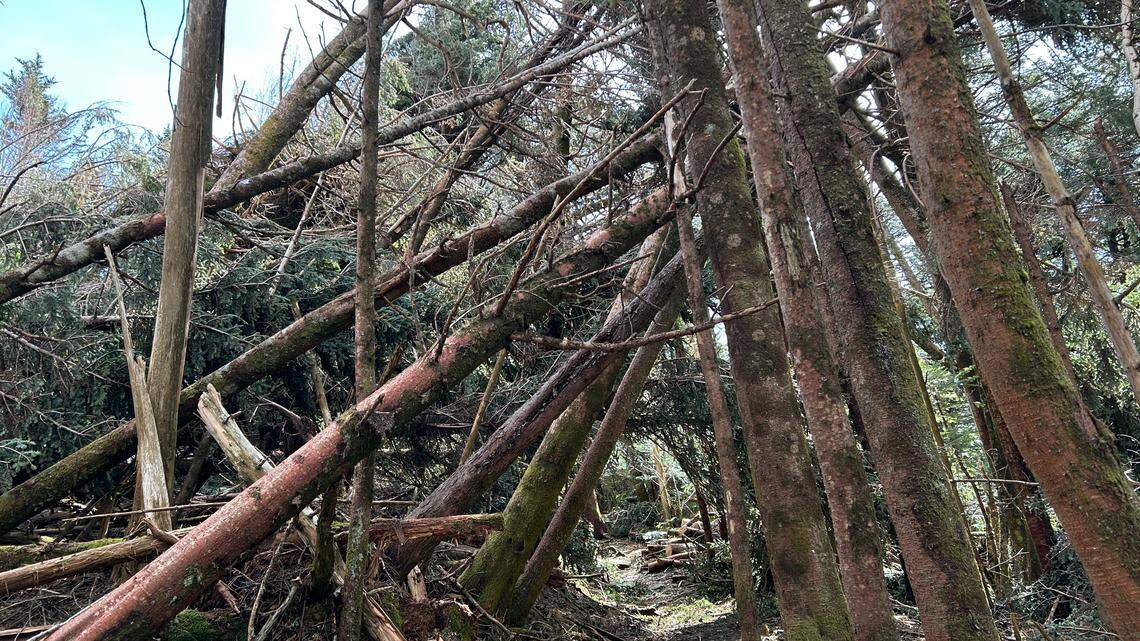
It takes a “geologic event” to reroute rivers, reshape mountains and alter ecosystems, and the U.S. Department of Agriculture says that happened when Hurricane Helene hit Pisgah and Nantahala national forests in 2024.
The USDA won’t argue that the impact on people, communities and infrastructure is clearly the priority, but Helene also had a devastating effect on the National Forests that drive the economy in Western North Carolina.
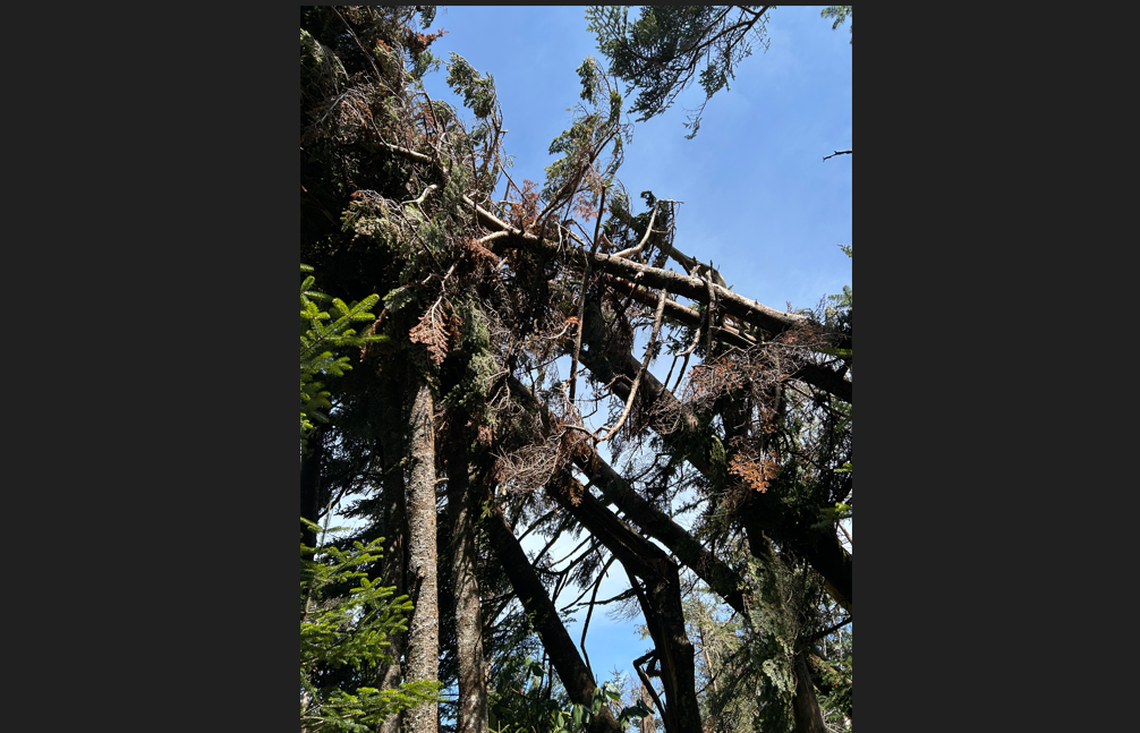
“Helene was a ... geologic event that damaged entire landscapes,” according to Adam Rondeau, Public Affairs Officer for the National Forests in North Carolina.
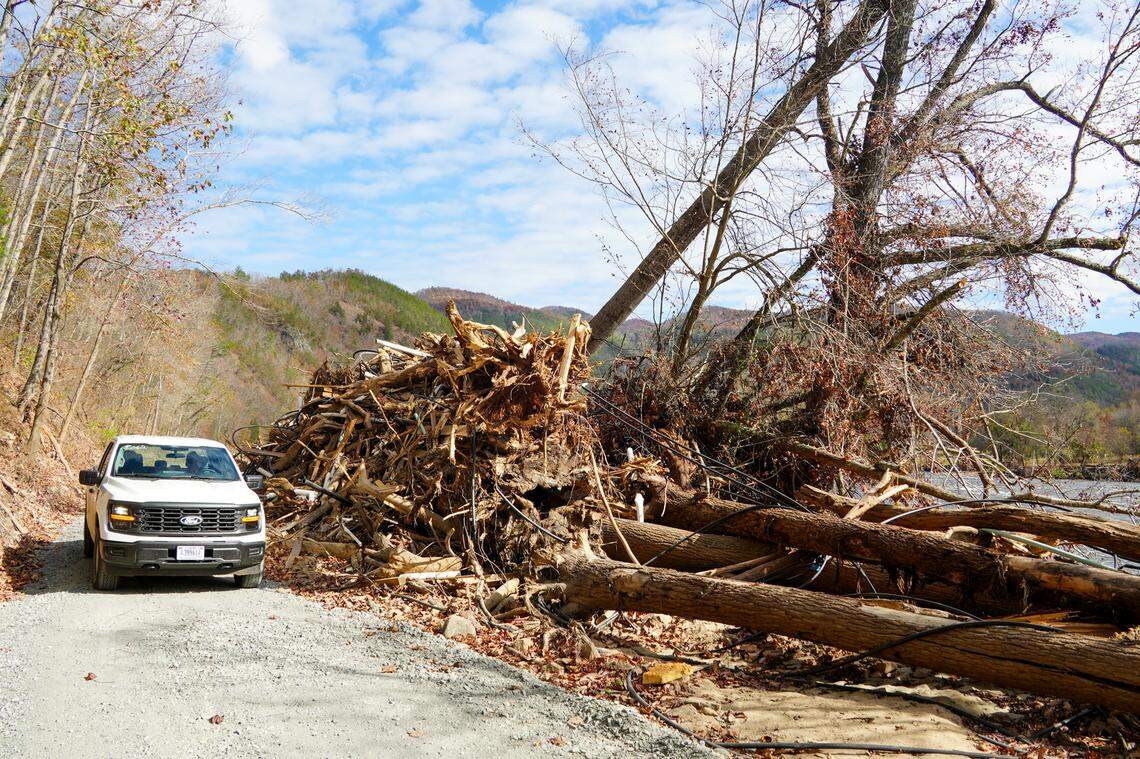
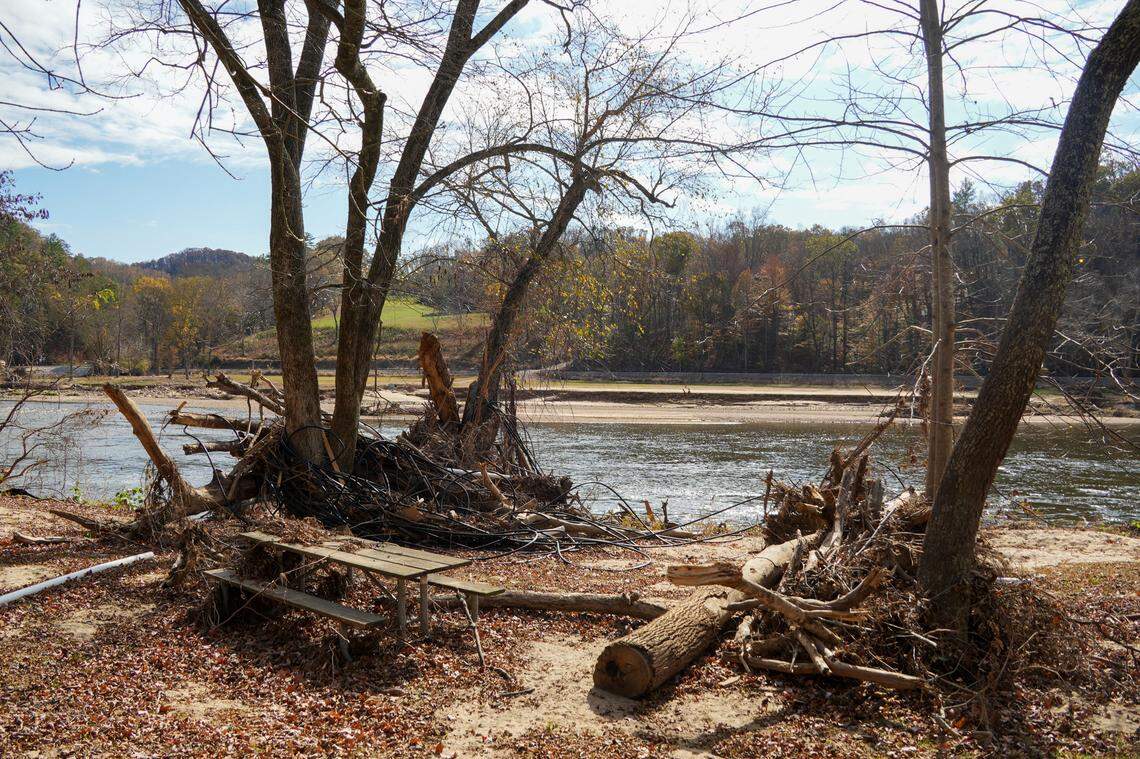
“To put this into perspective, more than 850 miles of trails and 885 miles of roads were damaged or blocked by debris, nearly 50 bridges and water crossings were damaged or destroyed, and virtually all recreation sites on the Pisgah National Forest received some damage. In some case, the damage was catastrophic.”
A 10-year plan to address the damage was quietly unveiled this month, when the USDA’s Forest Service entered into a $290 million Good Neighbor Agreement with the N.C. Wildlife Resources Commission.
“The agreement — the largest of its kind for the Forest Service — will speed up recovery efforts, create new jobs, reduce overall costs and strengthen communities impacted by the hurricane,” the USDA reported in a news release.
The N.C. Wildlife Resources Commission will lead the work, including removal of debris, repairing roads and recreation areas, managing invasive species, and restoring damaged watersheds, officials said.
“North Carolina’s national forests are an economic powerhouse, bringing billions of dollars into local communities,” said Forest Service Chief Tom Schultz said in a release.
“Restoring access means restoring both livelihoods and the family moments that make these forests so meaningful.”
What was lost
When the remnants of Hurricane Helene reached western North Carolina in September 2024, the storm “exceeded 30 inches of rain for only the second time in recorded state history,” the N.C. Office of State Budget and Management reports.
Helene proved to be “one of the deadliest U.S. storms of the 21st century,” including 1,000-year flood events, landslides and tornados, the report states. More than 100 people were killed, and the state suffered nearly $60 billion in damage.
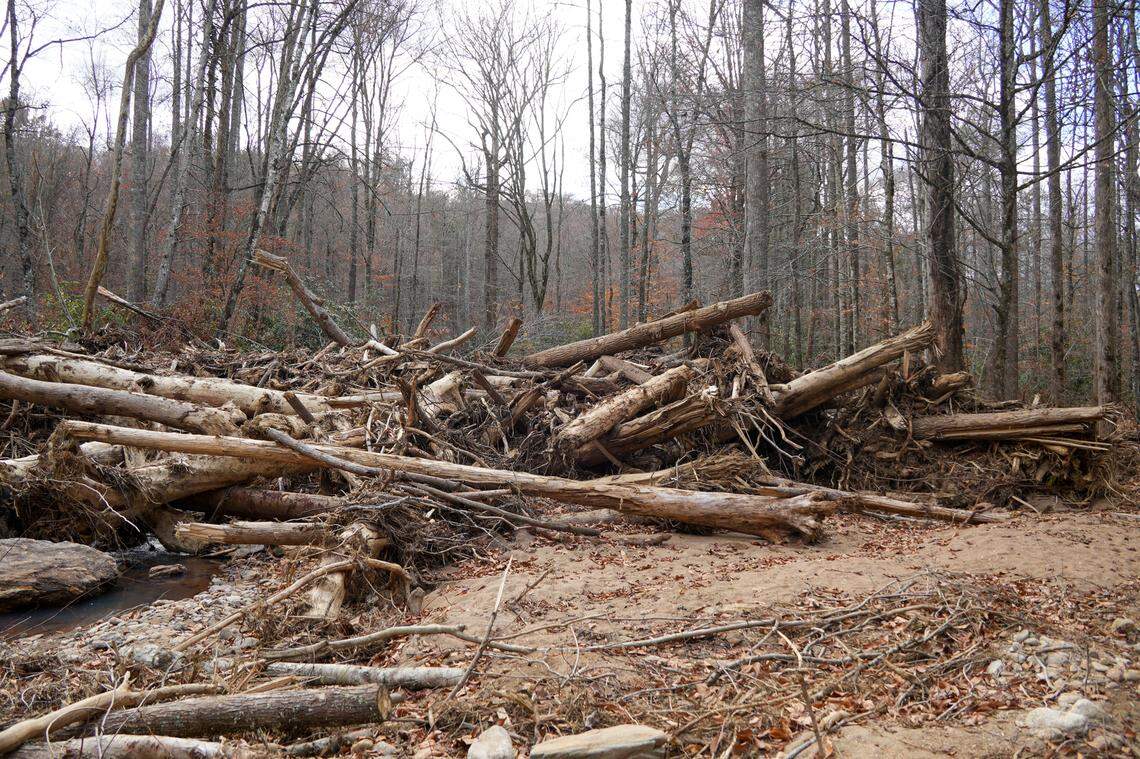
In Pisgah and Nantahala, the damage was akin to a bombing. The storm flattened tens of thousands of acres worth of timber, including a prized spruce fir forest atop Roan Mountain, officials said. All that timber is now fuel for wildfires, experts say.
Several creeks and rivers were rerouted, others were left with unstable banks, and the sensitive ecosystems they support were heavily damaged, federal officials say.
Rare, threatened and endangered species were hit hard, but the impact is still being assessed as North Carolina state researchers work to regain access to wilderness areas.
What happens now?
U.S. Forest Service officials “were still in shock” at the devastation when N.C. Wildlife Resources Commission Executive Director Kyle Briggs reached out with an offer to help.
The Good Neighbor Agreement is the result of his offer, officials said. The agreement “empowers the commission to perform comprehensive recovery efforts across the Pisgah and Nantahala national forests during the next 10 years,” federal officials said.
“The impacts from Helene were sudden and created immense devastation across Western North Carolina, including severe impacts to aquatic and terrestrial wildlife and their habitats,” Briggs said in a statement. “Restoring these species and habitats is essential to maintaining a functional ecosystem. ... No single organization or group can address all this alone.”
The majority of Pisgah and Nantahala National Forests have reopened, but “a significant amount of work remains to repair damage to roads, recreation areas, trails and watersheds,” federal officials say
Doug Besler is chief of the commission’s Helene Restoration Division, and he says the state has already begun “survey and assessment work” at the forests.
“We are anxious to begin this work, and realize the time constraints of the agreement, so we are utilizing existing staff and their expertise in the interim period when that work can fit into their schedules,” he said.
This story was originally published February 11, 2026 at 8:59 AM with the headline "NC forests destroyed by ‘geologic event’ get $290 million for recovery, feds say."