Myrtle Beach mini golf resurgent as SC tourists seek outdoor fun due to COVID-19
In a region with dozens upon dozens of mini golf courses, surviving can be hard in a normal year for even the most well-advertised and well-designed greens.
This year has been harder than most, reminding longtime mini golf tycoon Bob Detwiler of when he had to shutter a course around the time of the 2008 economic recession.
But if there’s been any saving grace for the year, which for mini golf is almost over, it’s the fact that some courses, like Detwiler’s, have had their busiest fall ever. Both September and October have been uncharacteristically busy for the sport that serves as the ultimate paragon for outdoor family-friendly fun, he said.
One Monday afternoon, he said he’d already seen 50 customers — it was only 2 p.m.
In a pandemic, mini golf might be one of the safest recreational activities available. With most courses in the Grand Strand being outdoors, and many of them promising to sanitize frequently used surfaces — clubs and golf balls — the region has seen a resurgent interest in its most visible commodity on land.
Mini golf could also be benefiting from a wider tourism trend across the country. Vacationers are seeking trips and activities that allow them to stay outdoors, away from others.
Karen Riordan, Myrtle Beach Chamber of Commerce CEO, said the Grand Strand’s popularity during the pandemic likely stems from the region’s high number of outdoor activities — golfing (mini and otherwise), going to the beach, hiking and biking through state parks and fishing.
Data from the travel company Trivago put Myrtle Beach as the second most popular destination for Americans, who have been flocking to seaside escapes this fall.
“At the start of the pandemic, we forecasted an increase in domestic travel to destinations near the coast,” Trivago CEO Axel Hefer said in a statement. “This is a trend we have seen play out over the last several months and the fall season has proven no different. We expect to see these trends continue into the holiday season as travelers will likely stay closer to home.”
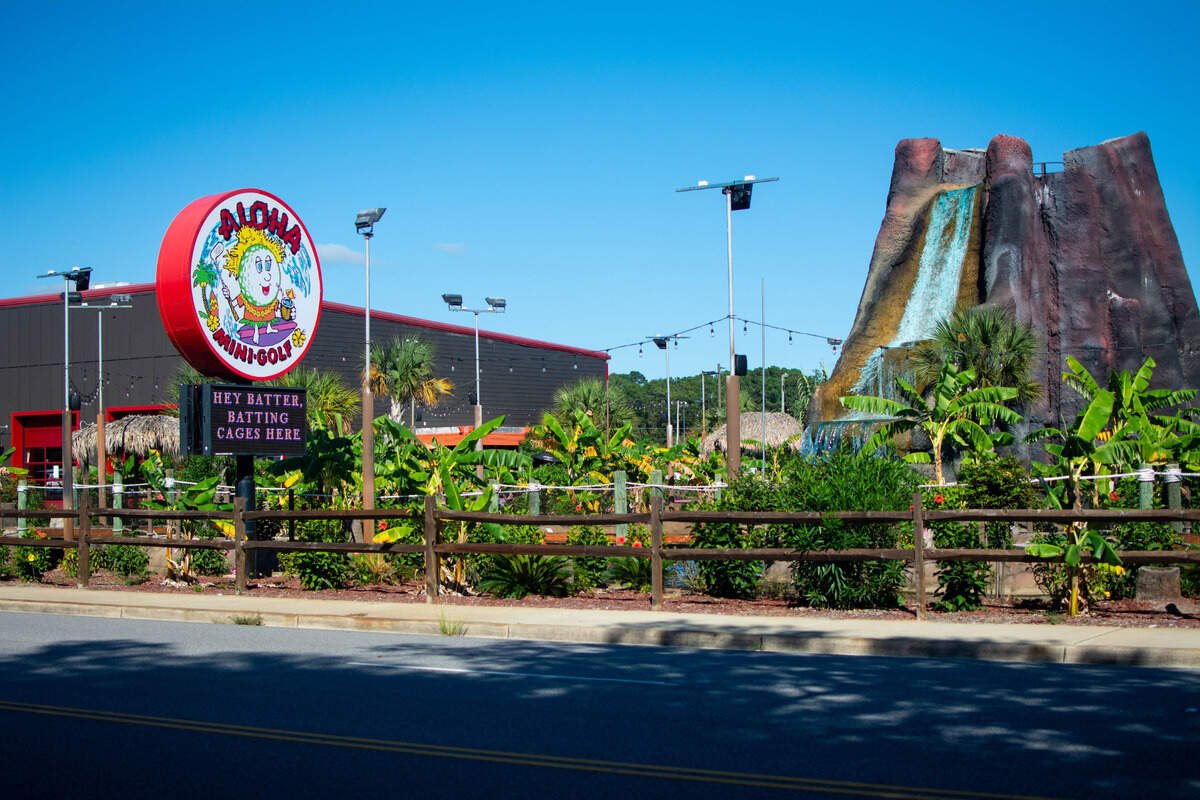
While mini golf may not be the first thing travelers think about when planning a vacation, Riordan said it and other local amenities will be major considerations when it comes to picking a destination.
“They want to be outdoors. They want the salt air. But they also want to have things to do,” Riordan said. “So I think we are very, very well positioned on that front as well.”
Detwiler said he saw strong turnout for the annual United States ProMiniGolf Master’s, which he hosted Oct. 6-10. The tournament, featuring a $20,000 prize and played through 12 rounds across Detwiler’s three courses, drew more than 60 people this year.
Higher fall traffic to the ultimate outdoor family-friendly activity will help recoup some of the losses from early in the pandemic, when revenue evaporated, Detwiler said. But it won’t be enough to fully recover all of his losses, so he’s looking forward to the start of the next tourism season, in March 2021.
“It isn’t going to make up for the summer,” Detwiler said. “There’s no way in hell you’re going to make that up. You just have to get through it till March.”
While he personally isn’t worried about having to permanently close any of his mini golf locations, Detwiler said he expects at least a few might shutter come winter. The city of Myrtle Beach has 44 mini golf locations within its borders, creating fierce competition for customers and high standards for upkeep.
“Even in a normal year, there are some that aren’t doing too well because they’re not staying up to date and let them run down,” Detwiler said. “People aren’t going to go. There’s too much competition.”
If a course doesn’t meet high enough standards, Detwiler said tourists will see another one down the street and say, “Let’s go down there,” ignoring the others.
Most mini golf courses also have to contend with only being open for part of the year. They typically open in March and close either right after Labor Day or by November, at the latest.
Detwiler keeps two of his courses open year around but closes the third for the winter. However, despite the increased fall traffic, he still plans to close his third course come November to save money during the winter.
Mini golf courses also share the financial struggles of full-sized courses, which lost nearly $21 million by the end of April, despite remaining open. None have permanently closed, yet, a feat considering the Grand Strand has lost more than two dozen full-sized courses since 2005.
But Detwiler said some mini golf courses may not be able to dodge such a fate like their multi-acre cousins , their futures drowning at the bottom of their own teal-colored lagoons.
This story was originally published October 28, 2020 at 5:00 AM with the headline "Myrtle Beach mini golf resurgent as SC tourists seek outdoor fun due to COVID-19."