
130 years ago, a South Carolina man was lynched. New research could finally get justice
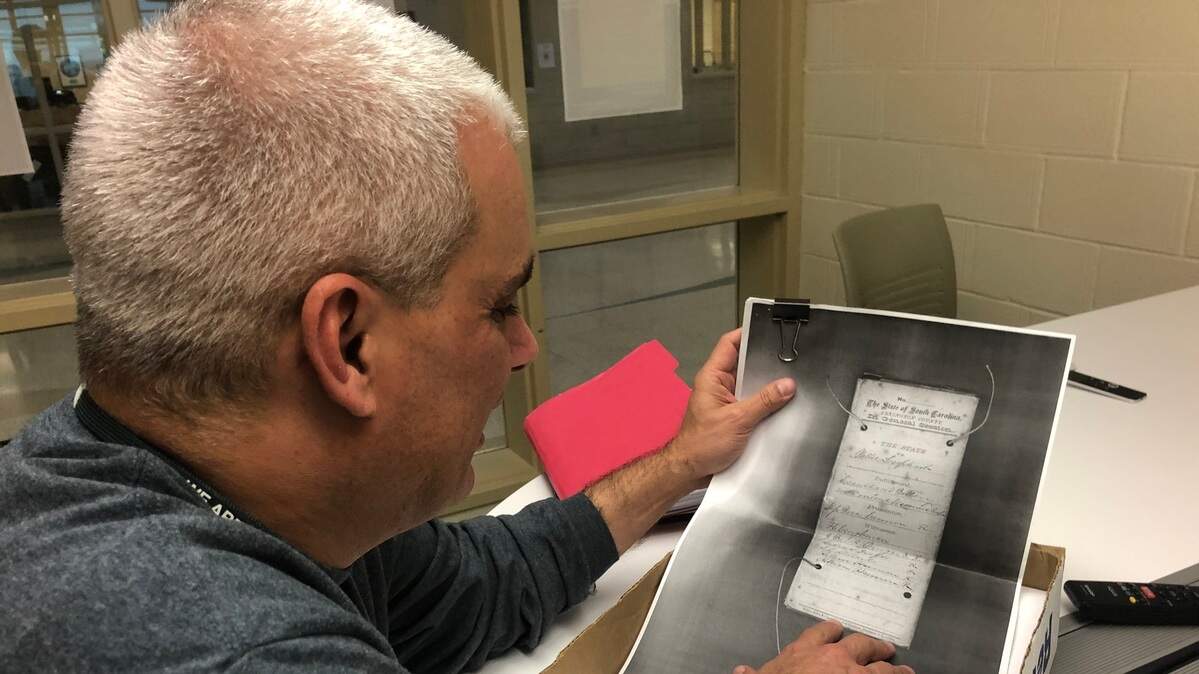
As a history teacher, Michael Burgess is used to hearing pointed questions from his students at River Bluff High School, but one question from this past spring led him to a stark discovery. What he found could force legal action and a confrontation with a largely forgotten piece of Lexington’s past.
“The one question I couldn’t answer was, were there any lynchings around here?” Burgess said.
A South Carolina native, Burgess was sure there had been lynchings in Lexington County, incidents when African Americans accused of crimes — often falsely — or violating Jim Crow-era social norms would be killed by mobs. But until the question was asked, he didn’t know any details.
So he did some research with the Equal Justice Initiative, which documents more than 4,000 lynchings across the United States between 1877 and 1950. Eight of those killings happened in Lexington County, but the one that caught Burgess’ attention was the 1890 slaying of Willie Leaphart.
“That was the one with the most information,” Burgess said. “The others, you might have a newspaper article saying they were lynched, and that’s about it.”
But unlike other lynchings that were essentially unsolved — and uninvestigated — murders, Leaphart’s case involved an arrest, trial and appeal prior to his killing, which created a legal paper trail detailing the allegations against him and Leaphart’s own defense. His killing by a mob, believed to include prominent members of the community, inside the Lexington jail also sparked widespread press coverage.
“It was a national story from the day of the lynching itself,” Burgess said. “I found two, three stories a week from May 1890, published as far away as Canada.”
All that documentation adds up to a major injustice, forgotten and left uncorrected for more than a 130 years.
‘I cannot repeat even to my mother’
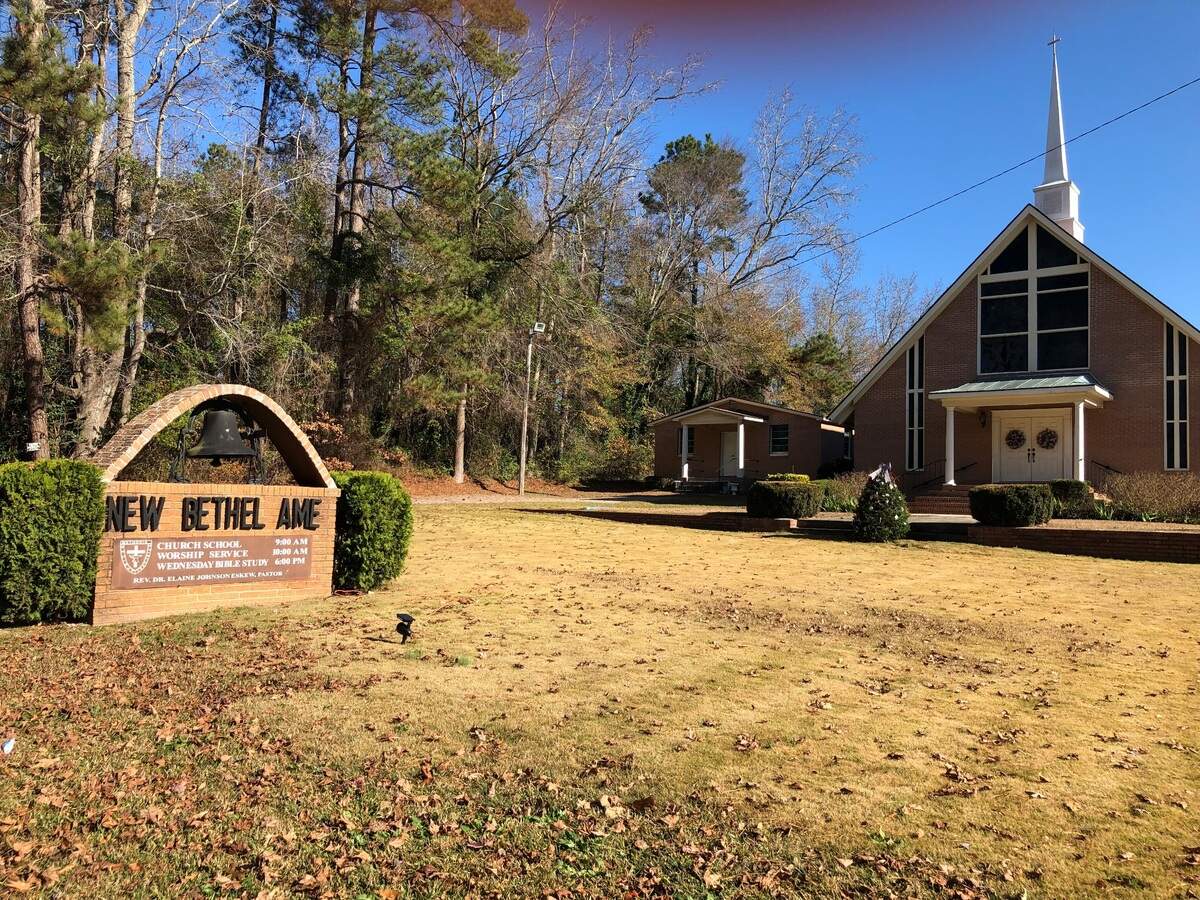
Willie Leaphart was approximately 16 years old when he was arrested on his way home from New Bethel AME Church on the night of Jan. 26, 1890, the same evening a young white woman reported being attacked inside one of Lexington’s nicest homes.
Rosa Cannon, 18, and her 14-year-old brother, Owen, were at the home of Simeon and Martha Ann Corley on West Main Street, near today’s Lexington Gardens apartments. According to a statement she gave police, Cannon was staying with the Corleys’ young daughter Bessie while they attended an evening service at St. Stephen’s Lutheran Church.
Cannon later told investigators a Black man who identified himself as “Bailey from Columbia” entered the home through a window, asked her for food and then demanded money, indicating he had a gun. As her brother ran for help, the man grabbed Cannon and began to “tear my clothes” while using what she described as “language I cannot repeat even to my mother.”
The intruder allegedly forced Cannon out of the house with his hands around her neck, but then ran when she started screaming and attracted the attention of neighbors. She later identified a man presented to her as the one who attacked her, “whom they tell me is Willie Leaphart,” according to her statement.
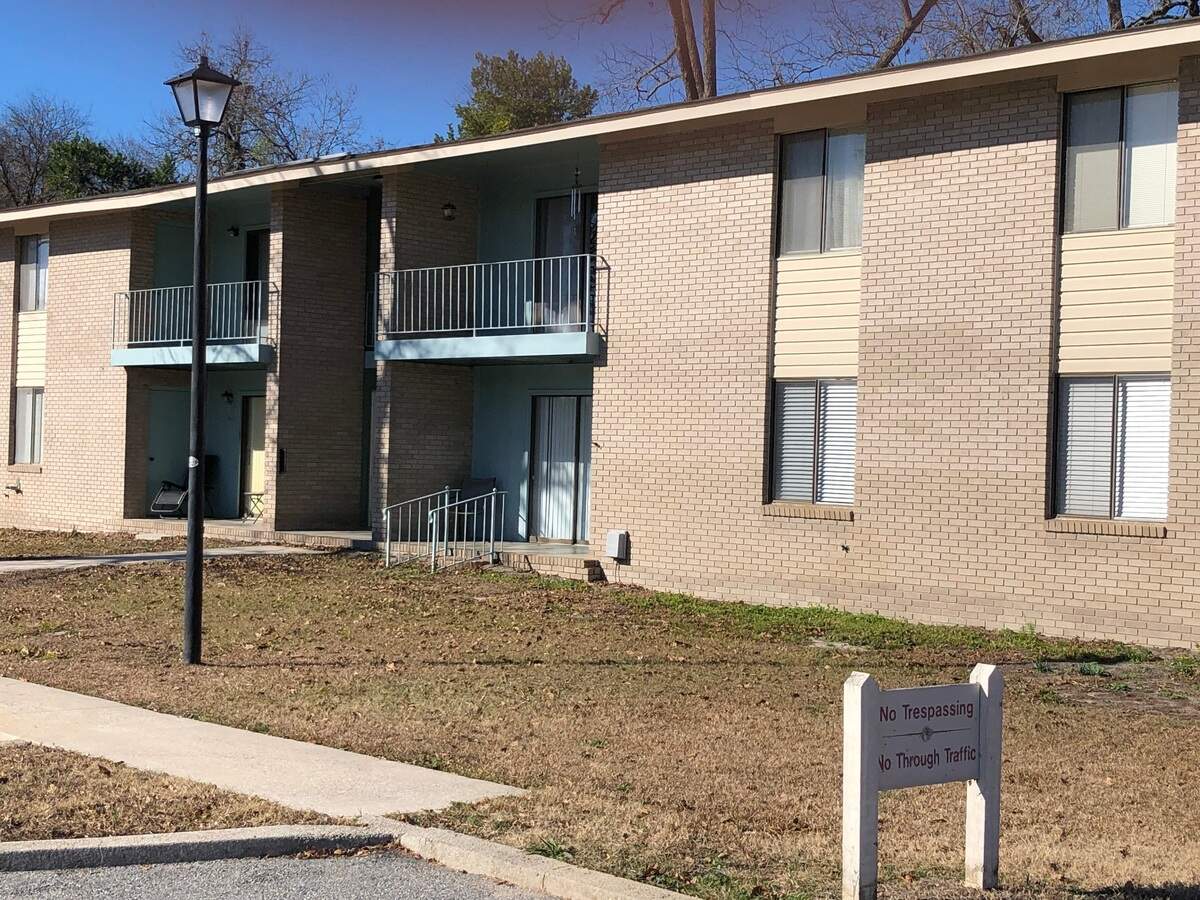
Documents from the period are confused about what charge Leaphart faced. He was booked into the jail that stood where the old Lexington County Courthouse on Main Street was later built on a charge of “assault with intent to commit rape,” but a post-trial sheet lists him as convicted of “rape,” which is also how press accounts from the time describe the attack. A report in the Atlanta Constitution cited Cannon’s testimony at trial that “the deed had actually been committed.”
Jail records indicate Leaphart’s brother Edward was also arrested, but released the day before Leaphart’s Feb. 21 trial.
Leaphart was tried before Judge William Wallace, a former Confederate general. His court-appointed attorney, George Graham, listed several witnesses who could testify to the young man’s alibi at the time of the attack, placing him at New Bethel AME Church. But none ended up testifying, likely intimidated out of participating, Burgess believes.
One potential witness, Thomas Waring, told Graham that he had been with Leaphart at the church throughout the evening, except for a period when Waring left the church for no more than 20 minutes, according to an appeal for clemency drawn up by Graham. Graham argued it was not “a physical possibility” for Leaphart to walk a mile to the Corley house, assault Cannon and return to the church within that time frame.
But without any defense testimony at trial, the all-white jury convicted Leaphart in 20 minutes, and Wallace sentenced him to be hanged. The judge also “gave a moral lecture to the assemblage of spectators in the court house” to dissuade them from lynching the convicted Leaphart themselves, a press account of the trial says.
The danger was very real. A report in the New York Sun at the time said Leaphart would be “the first negro charged with such a crime who has ever been legally executed in South Carolina.”
The Appeal
A petition by Graham to Gov. John Richardson was initially rejected. But in early April, a reprieve was issued delaying Leaphart’s execution, scheduled to take place within weeks.
Graham had obtained an affidavit from W.J. Miller, a deputy U.S. Marshal acting as an investigator on the case, who had read two letters from Cannon to her mother in which the young woman “stated Leaphart had committed no outrage on her person, but had simply seized her for the purpose of trying to get her to give him money,” according to an account in the Manning Times. “She also states that she does not really know who the party was that seized her.”
Cannon’s brother Charlie also signed an affidavit that Rosa Cannon told him “she was not injured in any way,” and Charlie Cannon “testified that his sister would never have sworn against Leaphart had not Sim Corley, with whose family she was staying, persuaded her to do so.”
Rosa Cannon’s claims were apparently a sore spot within the Cannon family, as Miller notes “none of her family believes that he (Leaphart) attempted to commit any outrage; and none of her kin people attended the trial.”
Cannon was the daughter of a mill worker from the Batesburg-Leesville area, but at the time of the alleged attack was living in the home of the prominent and controversial Simeon Corley.
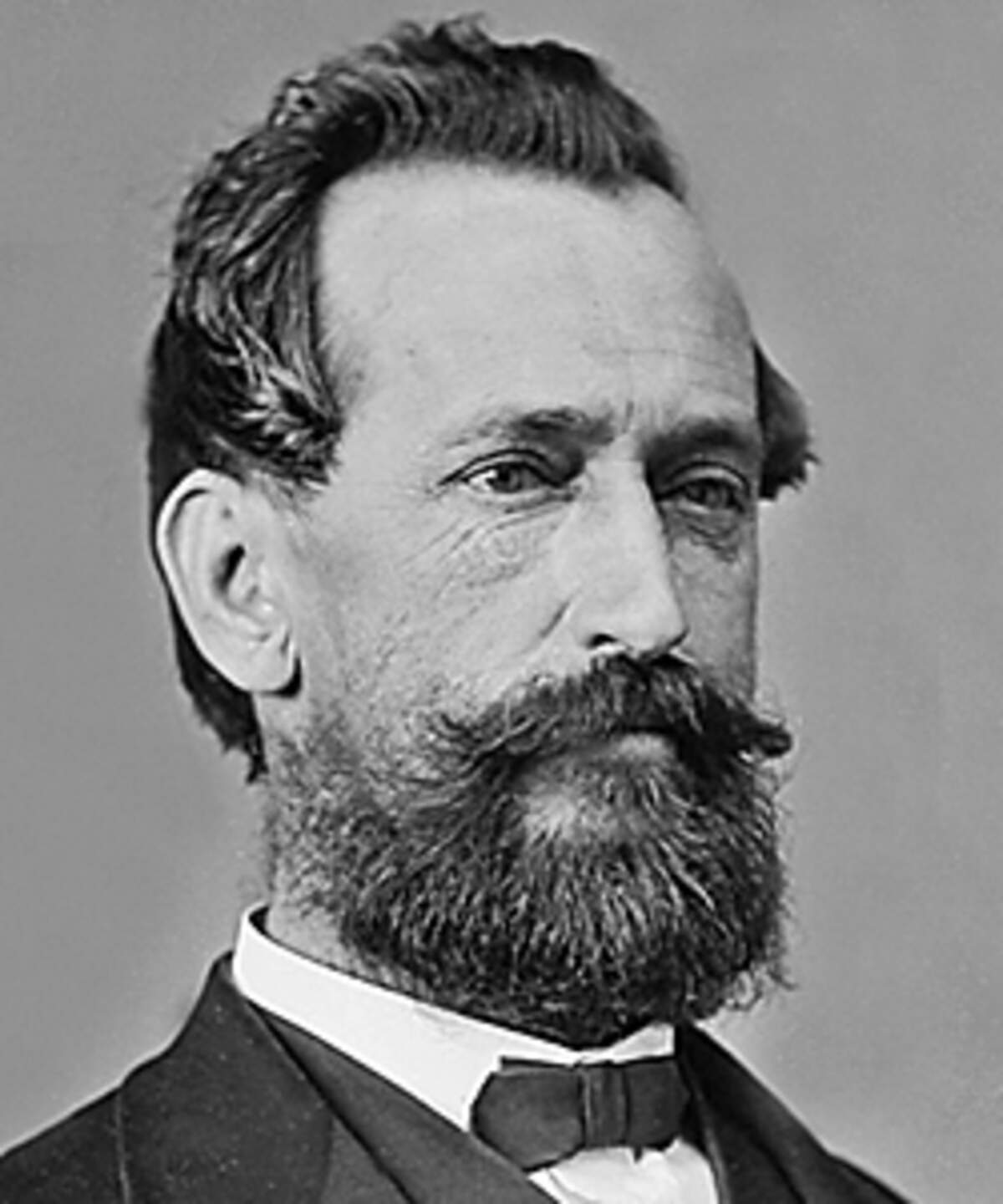
Corley was a rarity in South Carolina; an abolitionist and vocal opponent of secession prior to the Civil War. When conflict broke out between the North and South, he was essentially forced into the Confederate Army, and promptly got himself captured by the Union, Burgess said. Corley briefly served as a Republican congressman during the state’s post-war Reconstruction period.
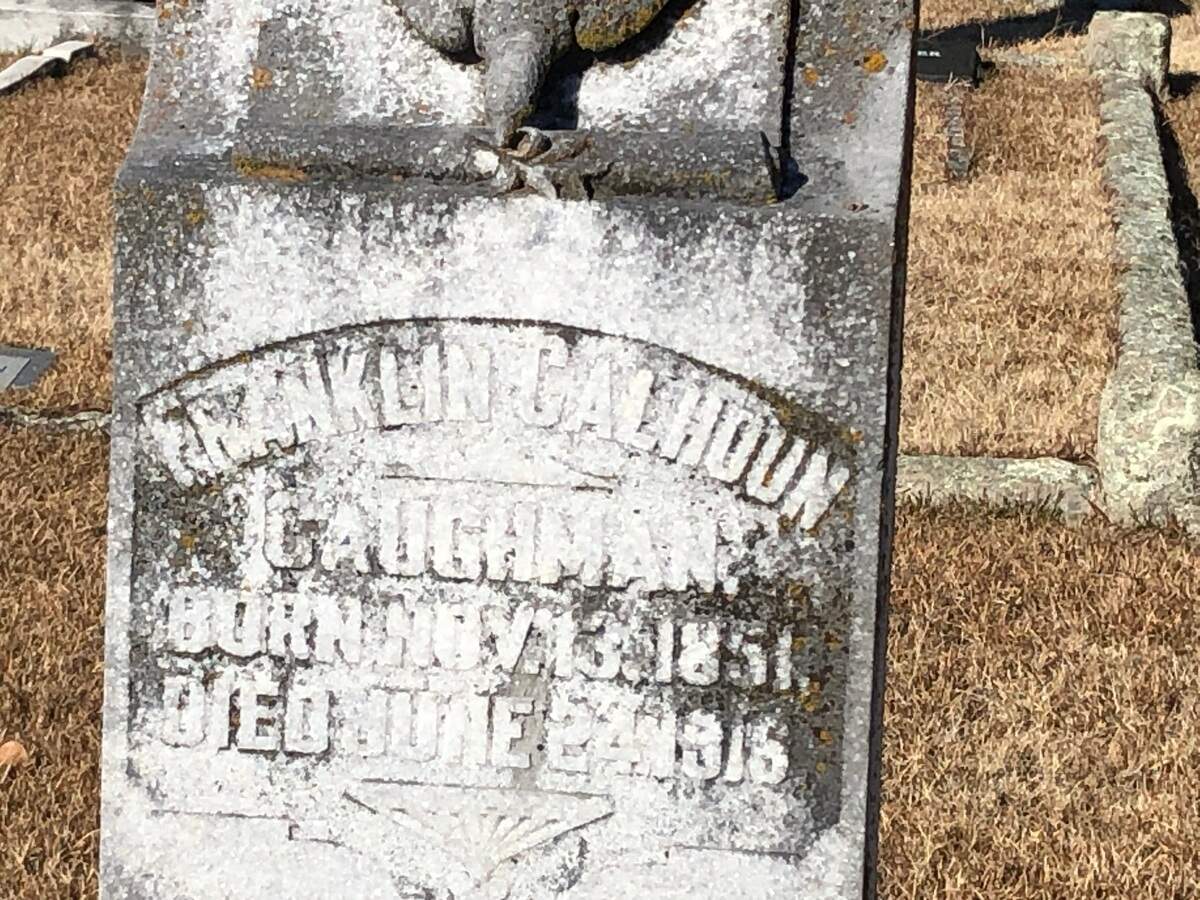
Another prominent Lexingtonian, F.C. Caughman — an associate of then-gubernatorial candidate Ben Tillman who later held several state government patronage jobs in Tillman’s administration — was the first listed witness for the prosecution at Leaphart’s trial. He also was charged with leading the lynch mob.
Burgess believes there’s a reason powerful people became so concerned about Rosa Cannon. An account in the New York Herald, picked up by papers around the country at the time, claimed that “Among the evidence in the hands of the Governor... was to the effect that the girl he was supposed to have raped had been ruined recently, that exposure would come in time and that the scheme of charging the negro with the assault was arranged and planned by those most interested in the matter.”
Behind the Victorian euphemisms is a revealing motivation behind the charge against Leaphart and his eventual lynching.
“She was pregnant,” Burgess said.
‘A most atrocious crime’
Burgess believes this subtext plays into the descriptions of Leaphart reported at the time emphasizing his light skin, with Leaphart being described as a mulatto in some accounts.
“I’m not someone who believes in conspiracies,” Burgess said. “But I read the same thing two or three times and I think, ‘wait a minute’ ... I think he was literally walking home from the church and somebody spotted him and thought, ‘that’s our guy.’”
As an item in the Richmond, Va., Planet succinctly put it after the lynching, “Rosa Cannon had been betrayed by a white man and the crime was fixed on this colored youth to shield the white one.”
The reaction to the governor’s reprieve was heated. Other stories published at the time alleged Graham or Miller had forged the affidavits in order to forestall Leaphart’s execution. A year later, the Newberry Herald and News reported on the death of Miller “of the Leaphart affidavit fame” on April 9, 1891, by reporting a deathbed statement the investigator gave his attorney that insisted “he heard of and read her letters declaring the boy’s innocence... and to having afterwards surreptitiously obtained Rosa’s letters and carried them to the governor.”
Graham, the Lexington attorney, was appointed to defend Leaphart on the day of his trial. He had “begged to be excused from having anything to do with the case, on account of the nature of it and the circumstances connected with it,” according to a press account.
Still, he emerges as an Atticus Finch, the attorney in “To Kill A Mockingbird” who passionately defends an innocent Black man.
Graham’s doggedness in getting a reprieve for Leaphart even after his conviction left him faced with no small amount of pressure and even danger in Lexington, Burgess said, although he also served as probate judge in the county.
Leaphart himself is largely silent in the historical record. Like many lynching victims, little is known about him personally, and no statement attributed to him emerges until the day of his death.
The reprieve — and a comment allegedly made by Graham that Leaphart would soon be transferred to Columbia — precipitated a violent act of vigilante justice. On the night of May 5, a mob of approximately 30 men forced their way into the Lexington jail and forced Sheriff George Drafts — whom press reports indicate had been staying in the jail specifically to forestall a lynching — to hand over the key to Leaphart’s cell.
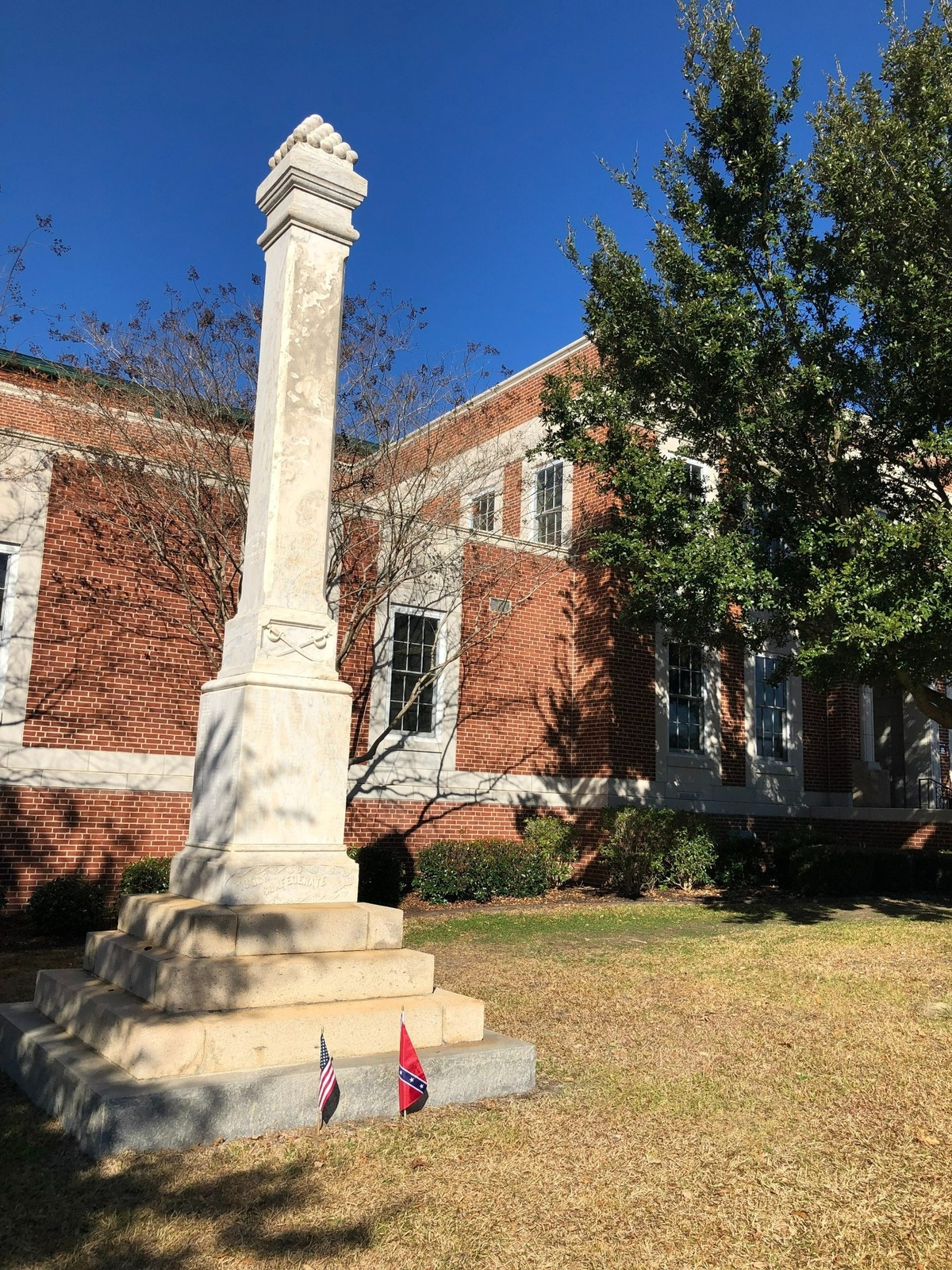
Charles Gates, a white man incarcerated alongside Leaphart that night, told investigators he was awakened by Leaphart saying, “Charlie, they are after me,” and begging his fellow prisoner for help. (Gates told Leaphart he didn’t want to die on his account).
Burgess said the plan was apparently to take Leaphart from the jail and hang him in the lawn of George Graham’s house. But Leaphart was unwilling to go quietly. He got hold of a stick somehow, and “Five men successively tried to enter the cell and were cracked over their heads,” the Greenville News reported afterwards.
Eventually, the lynchers turned to their guns and fired several volleys into Leaphart’s cell, finally killing him. An inquest by Coroner L.E. Leaphart determined the lynching victim’s “head was shot all to pieces and skull was bursted all up,” and indicated that Willie Leaphart suffered gunshot wounds “pretty near all over” his body. He was buried in “an unmarked grave in the almhouse burying ground,” the Augusta Chronicle reported.
After the lynching, both Graham and Miller left town “for Columbia on foot to ask the protection of the Governor,” the Greenville News reported. The lynch mob’s “members make no effort to conceal their identity and openly acknowledge and discuss the matter on the streets,” the News reported. “The lynchers seem perfectly willing to take the consequences of their act.”
The actions of the mob were less well received elsewhere as the crime was publicized across the country. The Charleston News and Courier said in an editorial that the “most atrocious crime... adds another hideous chapter to the criminal history of the State, and goes far to sustain the adverse criticism of those who charge our people with having but little regard for the sanctity of human life.”
Although several members of the lynch mob wore masks, Sheriff Drafts said he recognized the voice of F.C. Caughman, who was also reportedly heard boasting of his part in the attack. He and another man, Pearce Taylor, were charged with participating in the lynching.
Unlike Leaphart’s time in detention, the accused enjoyed a “pleasant” stay in jail “eating ice-cream sent in by the ladies of the town,” the Augusta Chronicle reported.
On June 14, the two men were acquitted after a trial in which no witnesses were called for the defense.
“Although Caughman exhibited blood stains on his clothing and boasted of having a hand in the murder, he was acquitted,” the Memphis Appeal-Avalanche reported.
“The verdict seems to be approved by the people of Lexington,” the Tennessean reported. “Many ladies were present during the trial and congratulated Caughman on his release.”
Later that year, when Tillman’s allies won control of the state Legislature, Caughman was named clerk of the South Carolina Senate.
Justice delayed
Lexington, or at least its white community, quickly moved on from the drama surrounding Leaphart’s death, until the power of digital archives, and some help with the paper records still held at the Lexington County clerk of court, allowed Burgess to piece together the details of a long-forgotten injustice. All in response to a student’s question.
Burgess has presented his findings to a few select groups, including members of Lexington’s Black community. He said he originally planned to use the information to get a marker erected to Lexington County’s lynching victims, but he’s since spoken to attorney and Richland County Councilman Overture Walker to see what action could be taken to overturn Leaphart’s rape conviction.
“I have a 16-year-old son,” Burgess said. “And an 18-year-old. And I’ve taught 16-year-olds. But for an accident of birth, this could have been any of my children, my students.”
Burgess still has unanswered questions of his own. Although he’s been able to find out that Rosa Cannon married a Greenwood farmer and raised a family before she died at the age of 58, he hasn’t been able to find any indication she had a child around the time of Leaphart’s lynching, which might confirm the theories around what led to the charge against him.
While county staff have helped him find other documents surrounding the case, Burgess has been unable to find a transcript of Leaphart’s trial. The county archives frustratingly contain trial records for 1889 and 1891, but 1890 is missing. Also missing are the hotly-contested affidavits that led to Leaphart’s temporary reprieve.
He expected his findings to be controversial, but Burgess said he’s gotten mostly positive feedback after doing a presentation on the lynching at the Lexington library and for a men’s group at St. Stephen’s, the home church of many of the participants in the case as well as Burgess.
He hopes confronting Lexington’s past will lead more people to question their assumptions and work toward a better future, especially among the young people he works with every day.
“I can’t shake it,” Burgess said. “It’s a question of justice. If you know what’s right, and you don’t do anything about it, you can’t leave a positive legacy for the future.”
This story was originally published December 15, 2021 at 5:00 AM.
.jpg)