
Diabetic amputations in this SC community verge on crisis. It cost Rosie Brooks her life

Rosie Brooks’ family struggled to reach her in the days leading up to her favorite holiday, Christmas.
She often visited friends or kept to herself for days at a time, so they weren’t initially worried when she didn’t take their phone calls. But as more time passed, the family grew anxious, eventually calling the manager at her north Columbia apartment complex to check on her.
She had passed away, her body lying on the floor of her apartment for more than a week.
The death of Brooks, a 72-year-old amputee who had battled Type 2 diabetes for decades, is a stark reminder of the deadly toll the disease is taking on the north Columbia community of 29203.
Brooks, who died Dec. 24, 2019, had agreed to participate in The State Media Co.’s long-term project about the alarming rate of diabetic amputations in the ZIP code in hopes of shedding light on the crisis. The ZIP code posts one of the highest diabetic amputation rates among four Deep South states, a newspaper analysis found.
Brooks is more than a tragic statistic for a ZIP code that lacks healthy food options, health insurance coverage and other basic services.
Her life mattered.
She was the head of an extended family who lovingly called her “Macaroni Queen” for the tasty dishes she brought to family gatherings.
She was “Blue Sapphire” to her niece because of the blue ring that always sparkled on her finger.
“She was the family monarch. Would do anything for anyone,” said Jennifer Gary, Brooks’ niece.
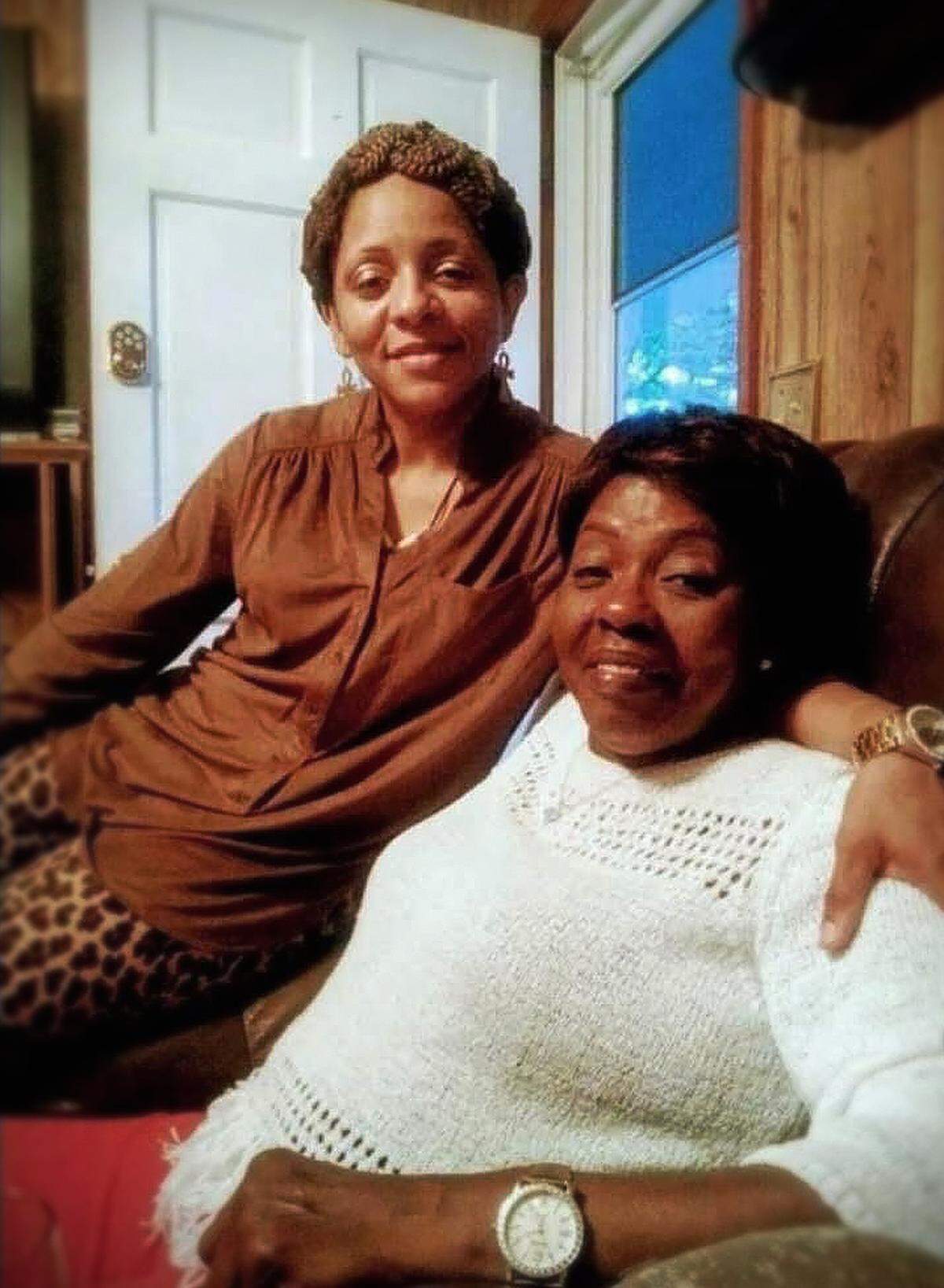
Born on Sept. 12, 1947, in Newberry County, Brooks was one of four children. She graduated from Gallman High School, where she made lifelong friendships; she and her classmates held mini-reunions every few years.
In 1989, Brooks had a minor amputation to remove a toe due to poor blood flow caused by her diabetes but was in relatively fair shape during the following years, family members said. She stood for long hours, working as a certified nursing assistant in New Jersey and Alabama. In 2007, she retired and moved back to South Carolina.
“I was going to move back to the house in Newberry, but it’s such a big house, and I knew I wasn’t going to be able to keep it up,” said Brooks in a November 2019 interview with The State.
In 2008, she lost another toe. The next year, the rest were amputated after she injured herself in a fall while working as a ticket collector for University of South Carolina related-events, she said. She ultimately lost most of her foot.
Often, a cut or other seemingly insignificant wound puts diabetics with advanced vascular disease on track for an amputation. Because their bodies are unable to restore blood flow to the wound, the injuries can fester and worsen.
That was the case for Brooks.
“I had gangrene,” she told The State. “They really wanted to take the whole leg off.”
Brooks acknowledged she didn’t fully understand the harm diabetes can do to the human body and often just wrapped her foot up when it bled.
“I didn’t know what was going on until I went to the emergency room,” she said.
She’s not alone.
Dr. Albert Humphrey, her physician during the last years of her life, said patients don’t always grasp the seriousness of the situation or know what questions to ask.
“It takes some education,” said Humphrey, who has worked in 29203 for 50 years. “You can say to eat this food and take this pill, but it’s far from simple.”
Brooks’ family gathered for Thanksgiving in 2019, and she was in good spirits as always, they said. She even attended a fish fry a few days after.
“She was always happy,” said Gary, who studied Bible verses with her aunt the last time they saw each other. “If she was having a real bad day, she wouldn’t want you to know. She liked to maintain her independence.”
As Christmas neared, multiple family members called to check up on Brooks and make plans, but she couldn’t be reached. Brooks’ sister, Brenda Gary, said she had a bad feeling on the morning of Christmas Eve and sent her son to check on her. The porch light was on, but there was no answer.
“That morning I was at the kitchen sink, and I felt like she was pulling on me,” her sister said. “I just felt her.”
The family’s worst fear was realized more than a week later when they learned Brooks died.
Brenda Gary was on the third floor of the Prisma Health Midlands hospital, visiting another family member who just had heart surgery. Unbeknownst to her, her sister’s body was in the morgue a few floors below her.
“It just tore my heart up,” she said.
Brooks’ relatives are working to honor her by creating a neighborhood welfare check system called Rosie’s Knock, where close community neighbors can check on each other. Their goal is to prevent another family from experiencing the same pain.
“It would mean so much, especially for elderly people. It would be a blessing from the Lord,” Brenda Gary said. “Had somebody just knocked.”
To learn about living with diabetes, visit the American Diabetes Association.
More online
To read the first installment of this series, click on this story at www.thestate.com.
This story was originally published March 24, 2022 at 12:00 AM.