
There are 38 species of snakes in SC. How many are venomous? Here’s a list
Here are two things some people believe about snakes.
All are poisonous.
The best snakes are dead snakes.
Both are so far from true, herpetologists would probably scream and rant and tear their hair out.
The truth is South Carolina has 38 types of snakes slithering through forests, fields and water. Six are poisonous. Granted, that’s a large number for one place, nevertheless, it’s not all.
Most snakes are helpers as far as clearing out rodents and such. And they want to run away from you as much as you want to run from them.
Here are the ones to look out for.
Copperhead
Beware. They’re everywhere across the state and are the most common among poisonous snakes. They’re not that long — maximum 4 feet and usually more like 2-3, but they are wide and heavy. For a snake, of course.
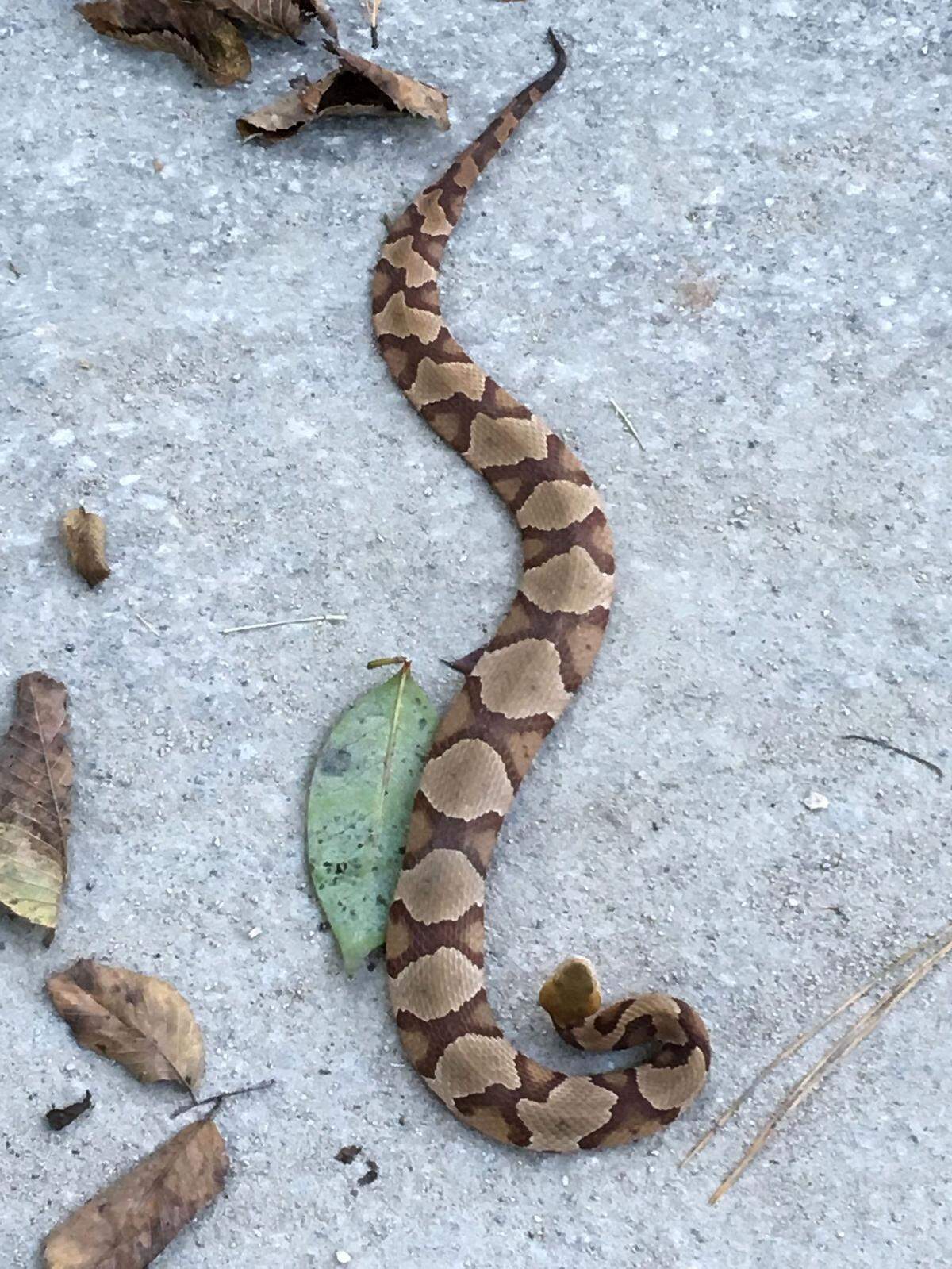
Copperheads can be orange, brown, or pinkish red with brown wide markings, depending on where they are.
AZ Animals website says, “While not aggressive by nature, the copperhead is responsible for more bites than any other venomous snake in the United States.”
Chances are if you are bitten you won’t die — .01% — if you do. But you will need two to four weeks to recover.
Timber rattlesnake
Probably nothing more frightening in the woods than hearing the buzz of a rattler shaking its tail. One of the most common venomous snakes in the eastern United States, timber rattlesnakes should be avoided “at all costs,” A-Z Animals says.
They hibernate for up to seven months a year because they can’t handle the cold but in the warmer months watch out. They can go several miles looking for food.
They can also climb. They’ve been found in trees up to 80 feet.
While West Virginia considers the timber rattlesnake the state reptile, South Carolina has chosen a much more lovable species — the loggerhead turtle.
Eastern diamondback rattlesnake
A diamondback can weigh up to 10 pounds and stretch out to a length of 7 feet, although it is more likely to weigh about half that and be about 5 feet long. It is the largest of the venomous snakes in the state and their fangs are long — two-thirds of an inch on average.
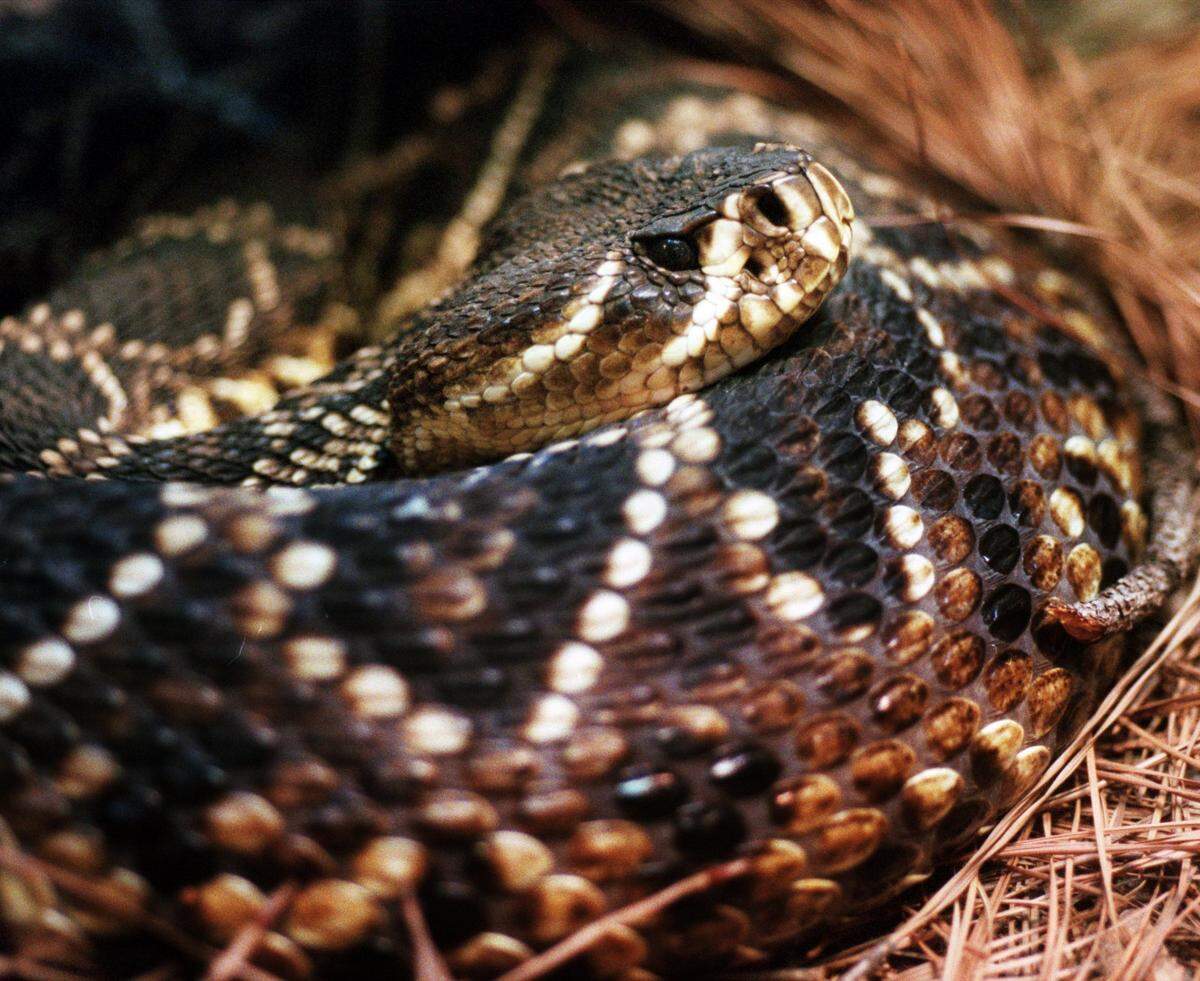
When they get ready to strike — again, rare — they coil and rise up. Sometimes the tail rattles a warning but not always.
These snakes prefer sandy soil so are more often seen — although it’s still rare — at the coast.
Eastern coral snake
This is also one to watch out for at the beach, although their habitat extends into the Midlands.
They can grow to be 6 feet long and have bands of red and yellow. They like to stay buried in sandy soil so your chances of a confrontation are small.
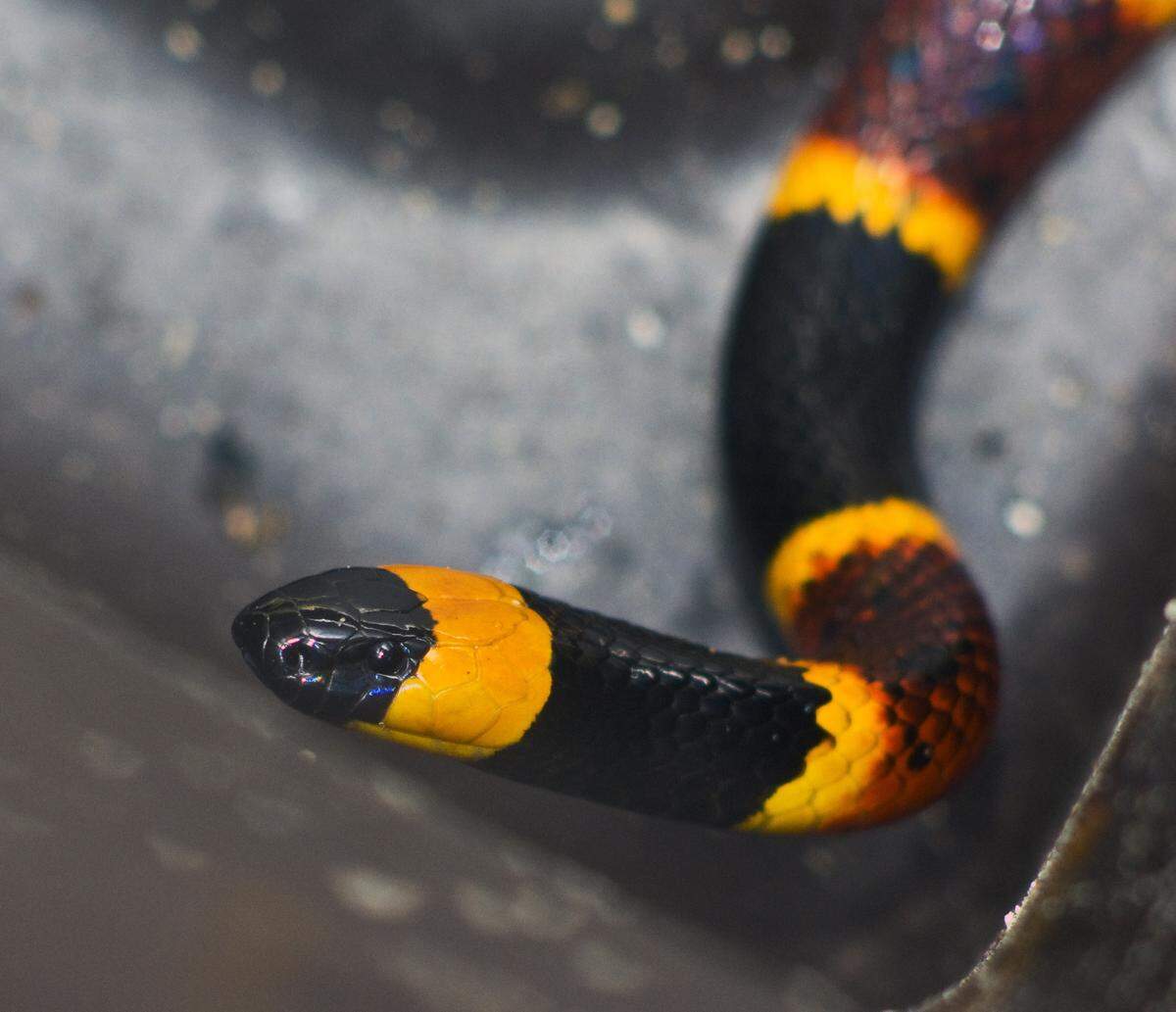
National Geographic described it this way: “This iconic snake, with its bulbous head and red, yellow, and black bands, is famous as much for its potent venom as for the many rhymes — ‘Red and yellow, kill a fellow; red and black, friend of Jack’— penned to distinguish it from similarly patterned, nonvenomous copycats, such as the scarlet king snake.”
A-Z Animals says since 1960 there has been one fatality reported from a coral snake bite — a Florida man who refused to go to the doctor.
Cottonmouth
So named because the inside of this snake is white, it is also known as the dreaded water moccasin. Sends chills up your spine, doesn’t it?
These snakes also prefer the coast and sand hills. They can be dark with gray markings or reddish-brown markings, 2-4 feet long.
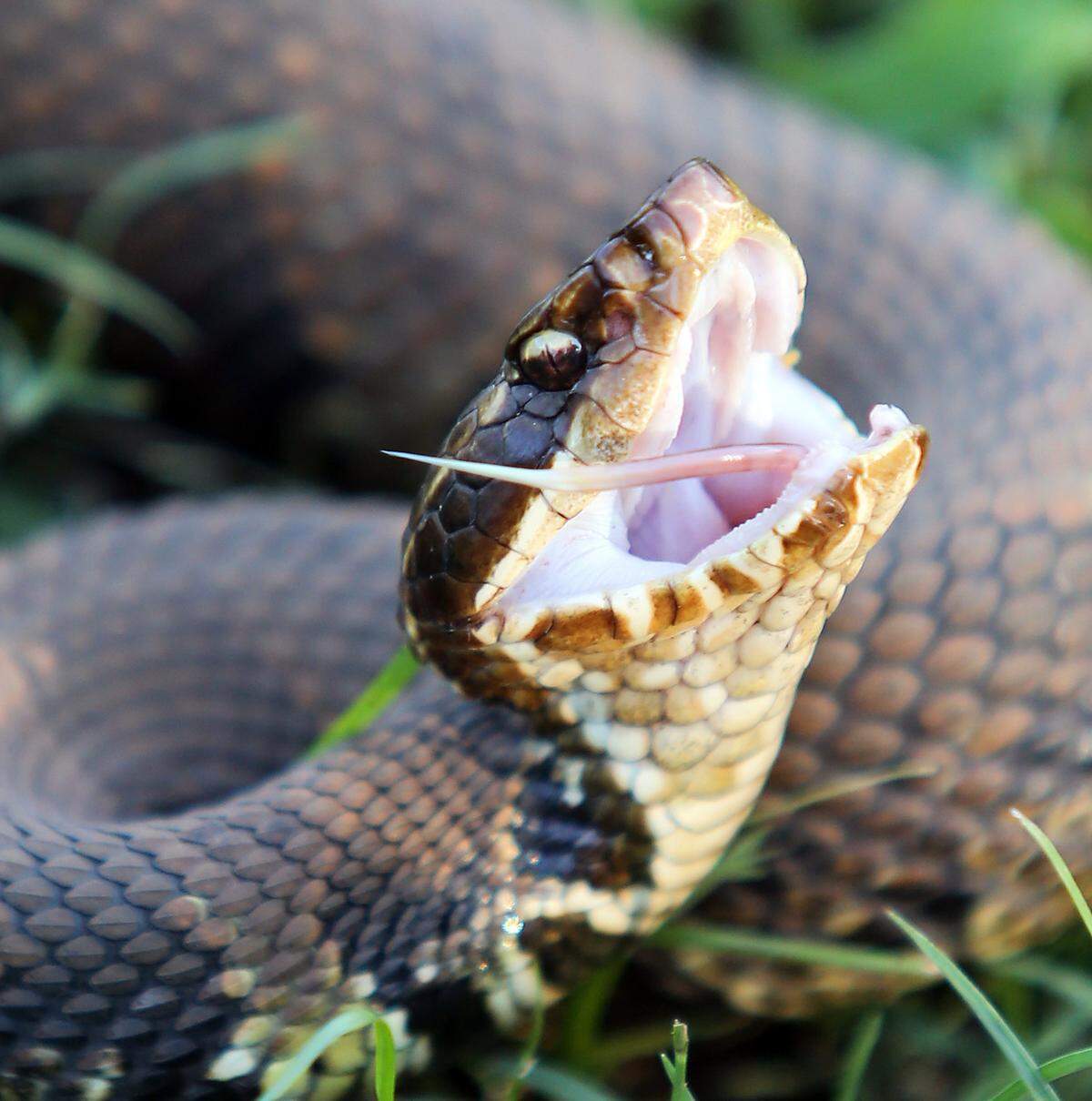
Cottonmouths rarely bite people except when provoked.
They can be seen year-round, day and night. Sometimes they bask in the sun on rocks, and then hunt in water and on land after dark, the Savannah River Ecology Laboratory said.
And they have a special feature — they can make themselves stink by spraying musk from glands in the base of their tail, warding off anything that may get too close, according to the Florida Museum of Natural History.
Pigmy rattlesnakes
Go to the South Carolina mountains to avoid this snake. If you want to see one, go to marshes, swamps and ponds, where they look for meals of lizards, frogs and small rodents. They are usually no longer than 2 feet.
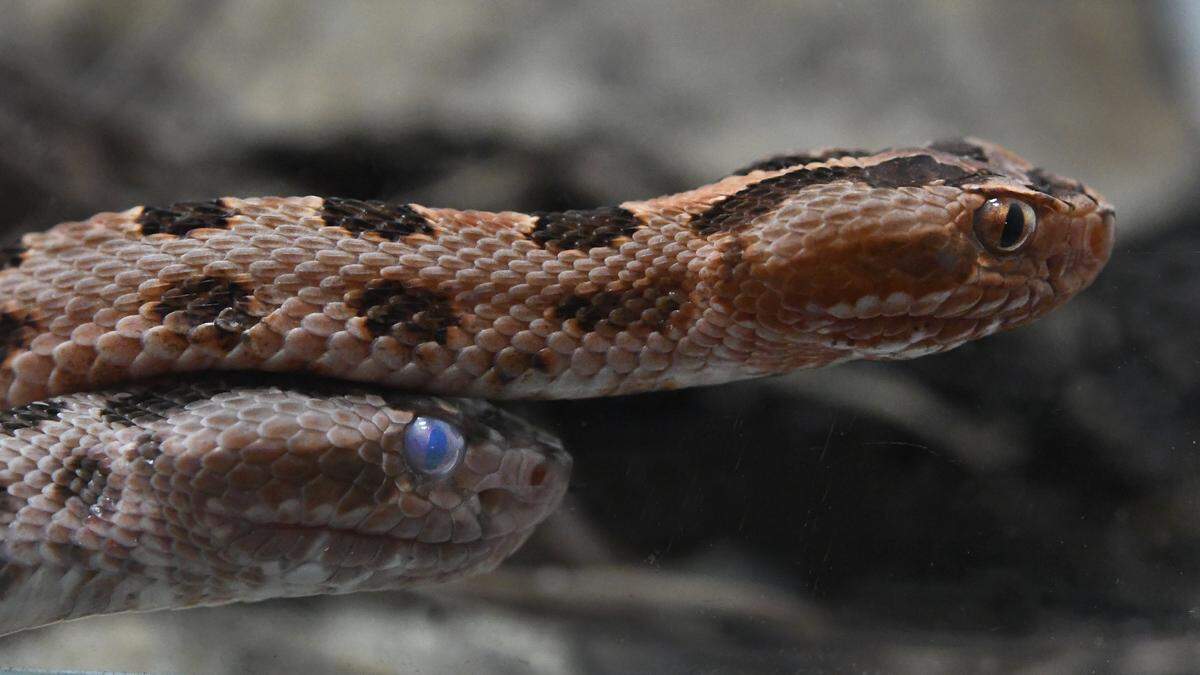
Pigmies will bite a human if annoyed and you’ll know it when you see their head bobbing. You probably won’t be able to hear its rattle — at the loudest it sounds like a bee buzzing. Bites are painful, but not deadly.
The venom is used to treat various heart ailments.
What to do if you are bitten
- Seek medical attention as soon as possible, do not wait for swelling.
- Take a picture of the snake, if possible.
- First aid techniques.
- Lie or sit down with the bite in a neutral position of comfort.
- Remove rings and watches before swelling starts.
- Wash the bite with soap and water.
- Cover the bite with a clean, dry dressing.
- Mark the leading edge of tenderness/swelling on the skin and write the time alongside it.
- Do not pick up the snake or try to trap it even if it is dead.
- Do not apply a tourniquet.
- Do not slash the wound with a knife or cut it in any way.
- Do not suck out the venom.
- Do not apply ice or immerse the wound in water.
- Do not drink alcohol as a painkiller.
- Do not take pain relievers (such as aspirin, ibuprofen, naproxen).
- Do not apply electric shock or folk therapies.
This story was originally published July 18, 2022 at 5:00 AM.