4 planets will shine in SC night skies in January. Here’s when and how to see them
South Carolinians have the chance to see four planets in the solar system this month.
Jupiter, Mars, Saturn and Venus are set to appear in the night sky of the northern hemisphere throughout January, according to NASA Jet Propulsion Laboratory. And don’t worry, telescopes and even binoculars are unnecessary to see these planets.
“You’ll find Mars in the east, Jupiter high overhead, and Saturn in the southwest with Venus,” NASA’s website states.
Here’s exactly how to get a glimpse of the different planets this month.
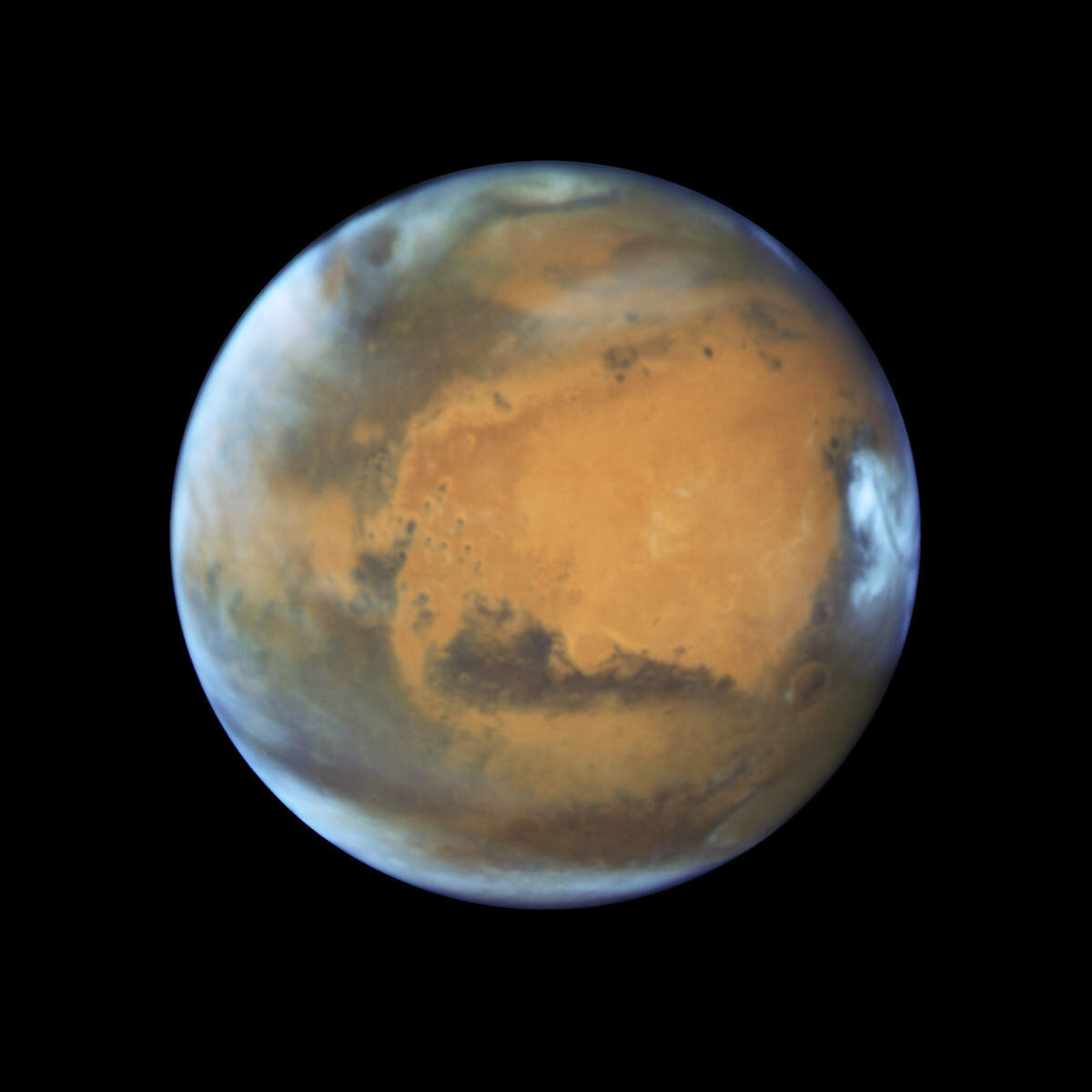
Mars
The red planet has already made its presence known, appearing near the moon high in the southeast sky on Jan. 2. Views can currently see Mars high in the evening sky up until a few hours before dawn, earthsky.org states. The planet appears quite red and will look brighter than most stars.
Venus and Saturn
Residents can watch Venus and Saturn cross paths after sunset between Jan. 18-24, NASA states. Look for the two planets low in the southwest, about 45 minutes after the sun drops below the horizon.
On Jan. 22, both planets will appear close together in the evening. According to NASA, the distance between them will be a third of the width of your index finger held at arm’s length. The planets should be low in the southwest, 45 minutes after sunset.
On Jan. 23, you should be able to see Venus and Saturn hanging just below the crescent moon.
Jupiter
The largest planet in Earth’s solar system will be glowing in the night sky on Jan. 25. To catch a glimpse of Jupiter, look to the southwest, between 30 and 45 minutes after sunset. The planet should be visible, only a degree apart from the moon.
This story was originally published January 9, 2023 at 8:00 AM.