If you have a bird feeder in SC, here are the 5 species you’re most likely to see
Are you considering adding a bird feeder in the back yard of your South Carolina home?
Maybe you’ve had one for some time, but would like to know more about the birds using it?
There are hundreds of bird species in South Carolina, but some are far more likely than others to use bird feeders, according to the bird enthusiast site, Avian Report. The website has compiled a list of the birds most likely to visit bird feeders, using data from Cornell Laboratory of Ornithology Feederwatch Program.
According to the data, the types of birds that visit back yards in South Carolina are primarily sparrows and finches, along wit siskin, goldfinches, juncos and buntings. There are fewer species included in other groups, such as four species of blackbirds.
Most of the birds that visit bird feeders in the state eat seed and grain, Avian Report states. The second largest group is comprised of insect eaters.
“Birds that visit bird feeders are more flexible and adaptable to obtain their food in different ways and habitats,” Avian Report states.
Below is a list of the five bird species you’re most likely to see at your bird feeder in South Carolina.
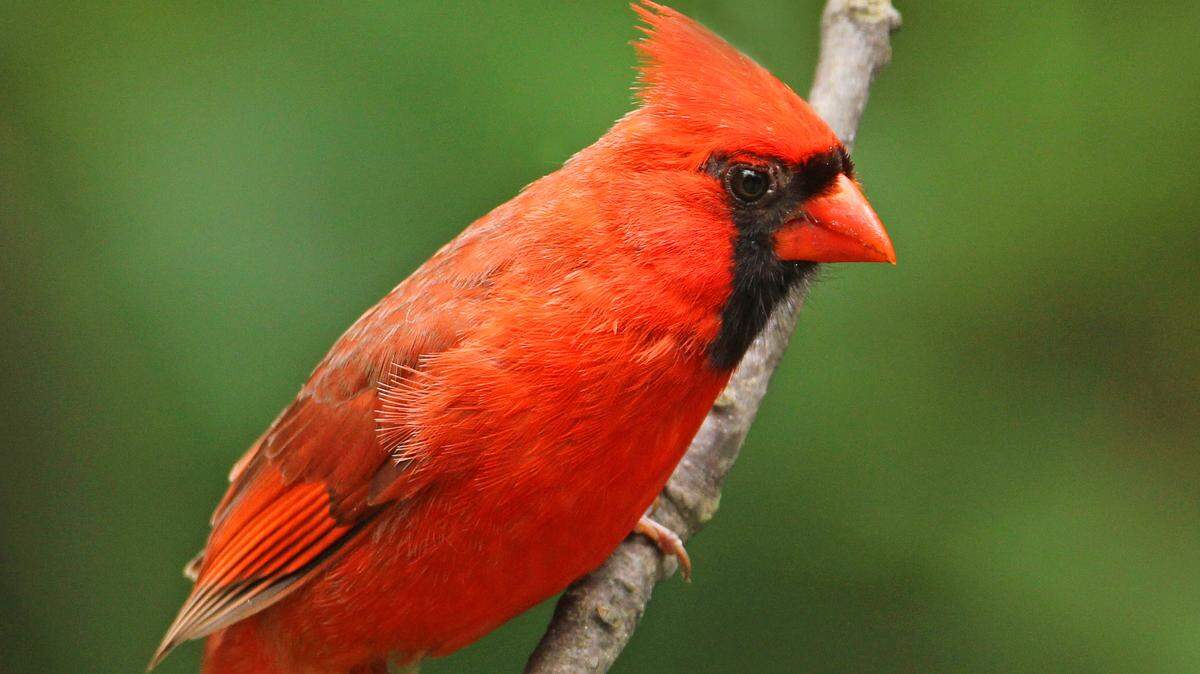
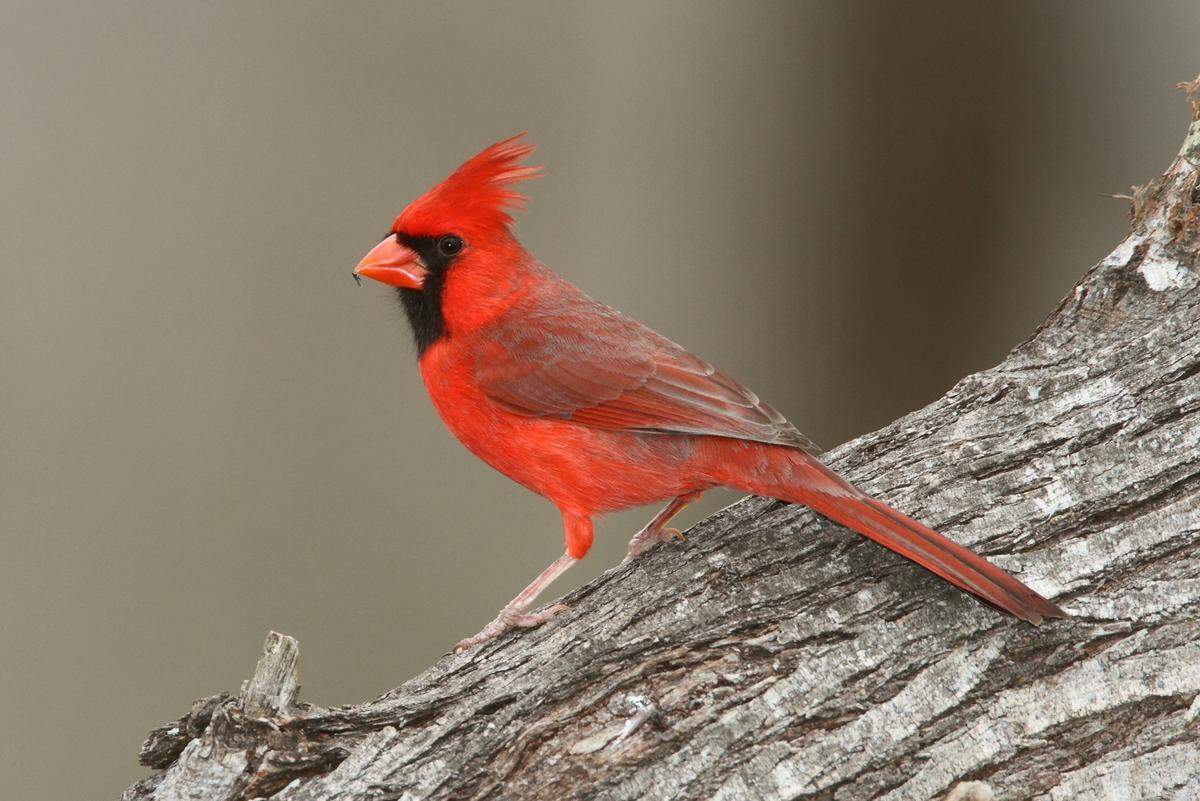
#1 Northern Cardinal
According to birdwatchingtoday.com, northern cardinals live in South Carolina all year. Northern cardinals grow to between 8 and 9 inches long with a wingspan of 10 to 12 inches. Males are bright red with black masks around their eyes and short crests on their heads. Females are mostly pale brown with a crest and a tail tinged with red. Both sexes have bright orange bills and grayish-brown legs and enjoy eating seeds, fruits and insects.
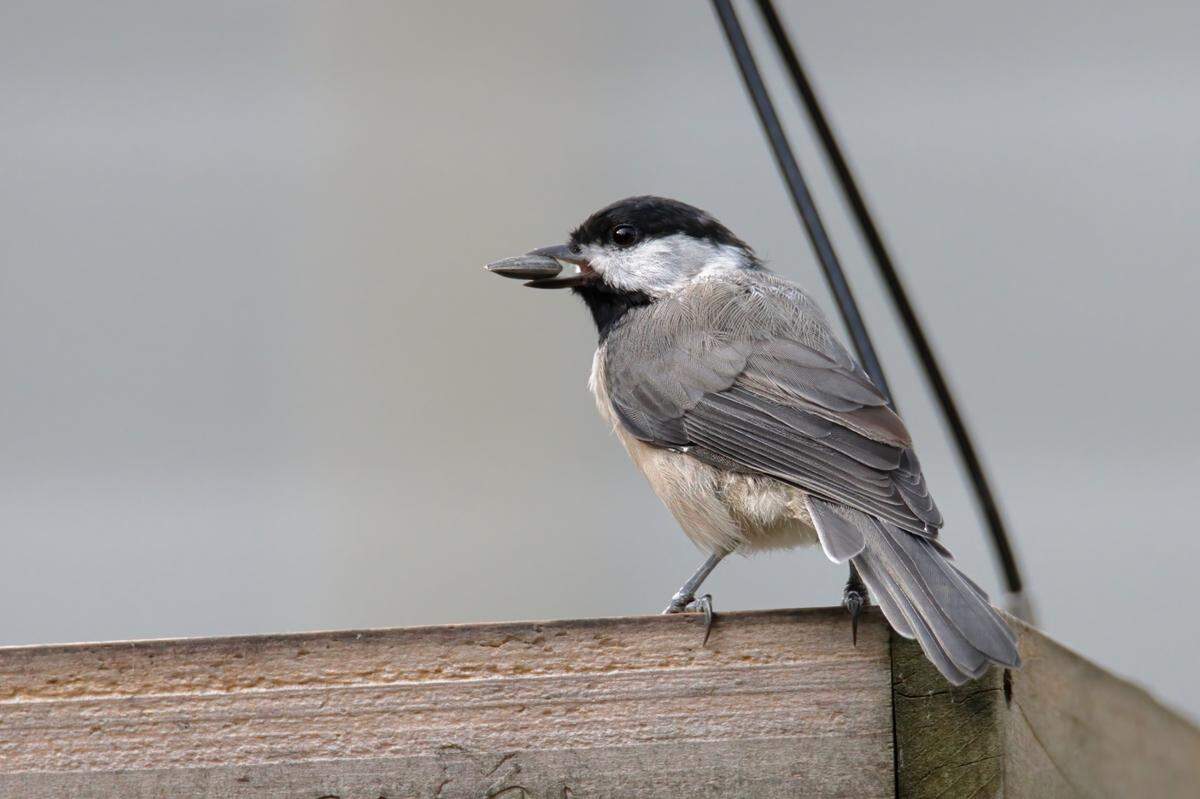
#2 Carolina Chickadee
The Carolina chickadee can be identified by its black cap, black bib, gray wings and back and whitish underside. It forages mostly by hopping among twigs and branches to get food and eats mainly insects, seeds and berries. It’s more likely to visit bird feeders if they have sunflower seeds, audubon.org states.
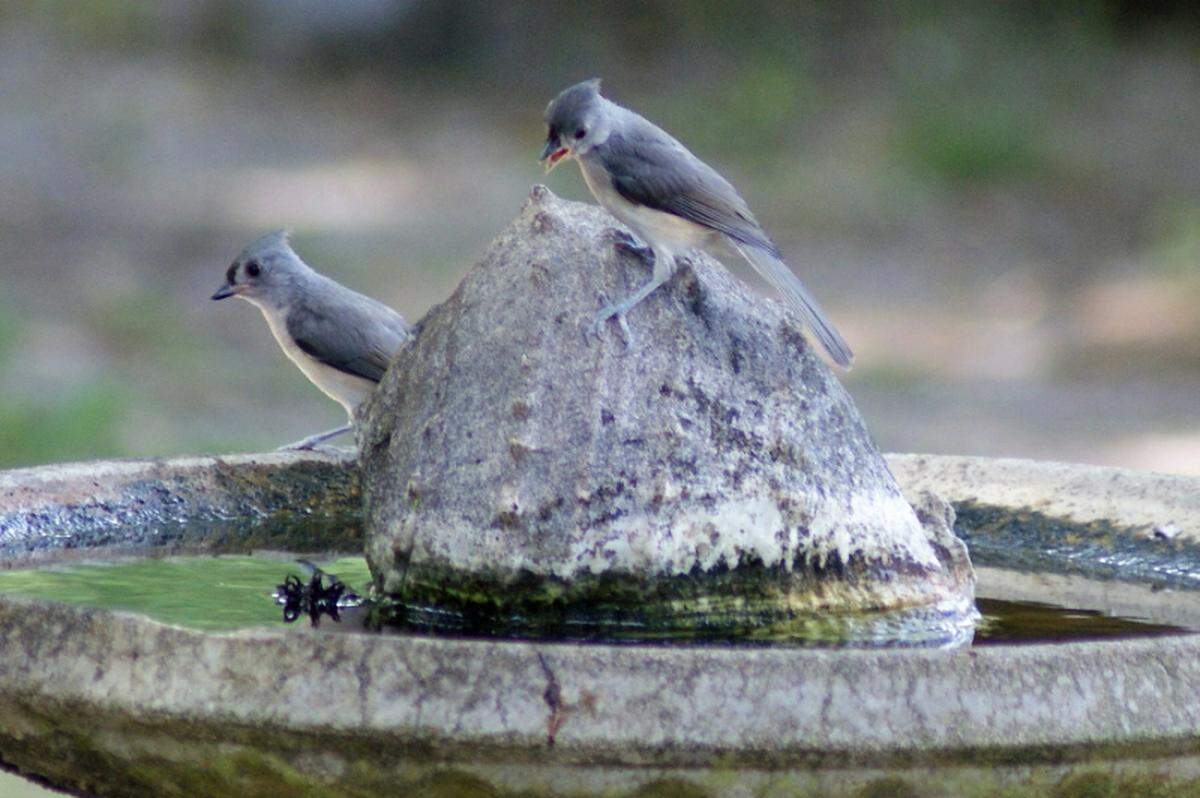
#3 Tufted Titmouse
The tufted titmouse can grow between 5.5 and 6.3 inches, with a wingspan of between 7.9 and 10.2 inches. They look somewhat stocky, with big, dark eyes and a crest on their heads. Their coloring is grayish on top and white below, with peach wash on the sides. They eat mainly insects and seeds, with insects making up nearly two-thirds of their annual diets.
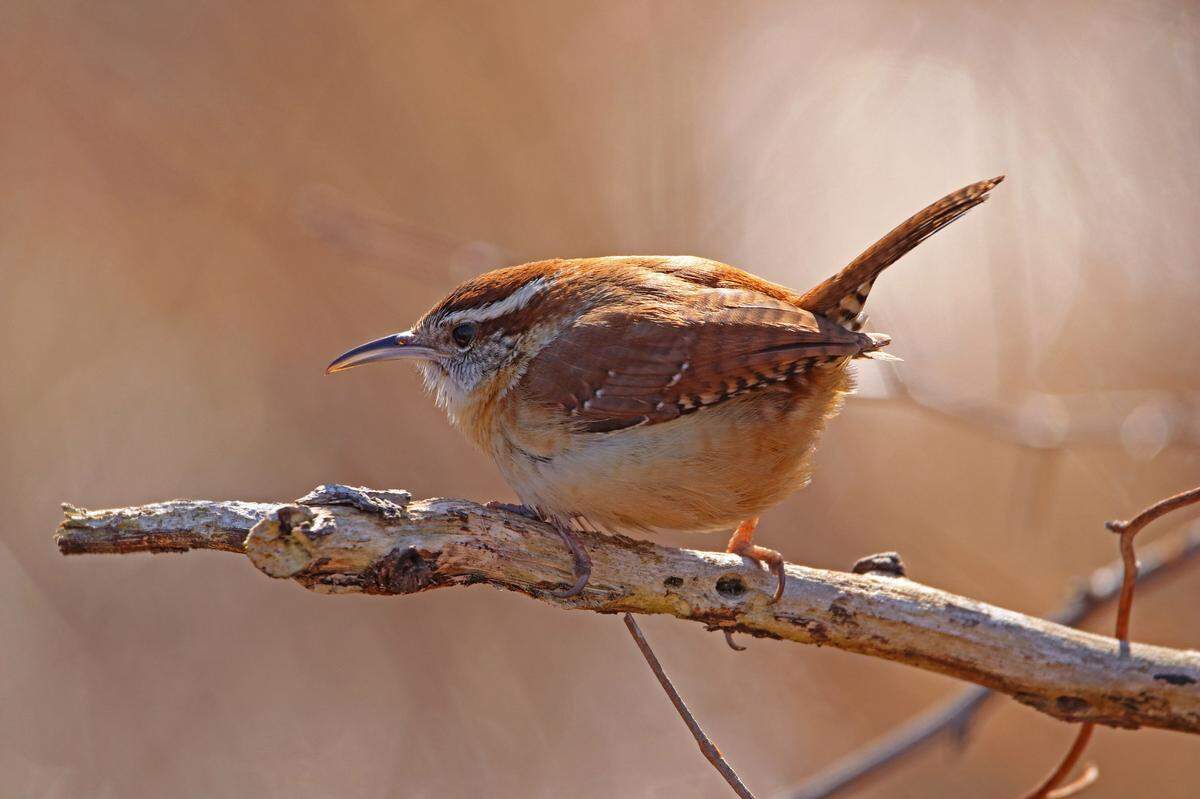
#4 Carolina Wren
The Carolina wren is more brightly colored than many other types of wrens, with reddish-brown upper parts and a white throat and eyebrows. Their wings and tails have dark barring and their bills are long and thin. They grow between 4.7 and 5.5 inches, with wingspans of 11.4 inches. They mainly prefer to eat insects, but will also eat seeds.
#5 House Finch
The house finch is another bird species that lives in South Carolina all year. Small, black oil sunflower seeds in bird feeders are known to attract them. Adult males are rosy red around the face and upper breast, with streaky brown back, bellies and tails. The adult female is brown overall with blurry streaks down its belly. Both sexes have conical bills for seed eating.
This story was originally published July 17, 2023 at 6:00 AM.