Is it legal to park in front of someone’s home in SC? Here’s what the law says
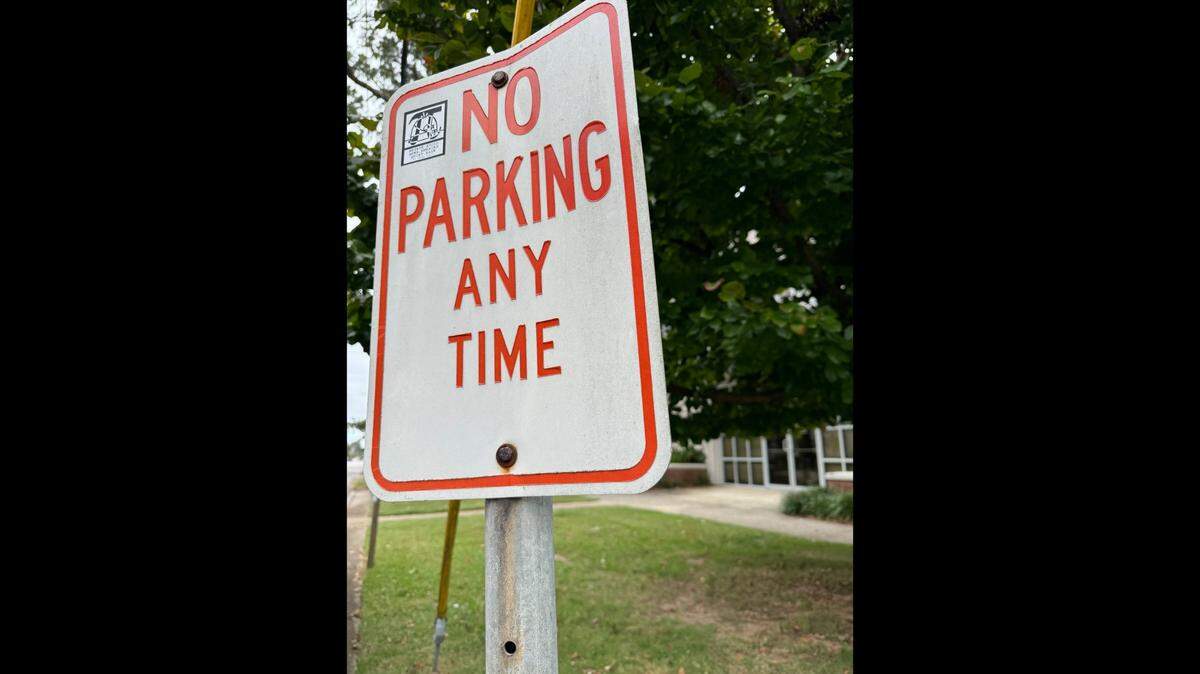
If you’ve ever driven through neighborhoods in South Carolina then you’ve likely come across cars parked on the sides of the road.
It’s not an uncommon practice. And if someone is holding a party, streets might get fairly crowded with cars. It can be particularly annoying when the streets are narrow, making it difficult to drive between cars parked on both sides of the road.
But is it legal to park a car in front of a house in South Carolina?
Here’s what the law has to say about parking.
Parking in front of SC homes
It is illegal to park in front of someone’s home if you do so specifically in front of their driveway in South Carolina, according to state law.
In general though, it is legal to park along the street in front of someone’s home in South Carolina. State and county laws do not ban parking along streets unless the vehicles create a safety hazard for emergency vehicles or motorists.
However, you aren’t allowed to park in front of a house if you’re closer than 15 feet to a fire hydrant or closer than 20 feet to an intersection or crosswalk. You also must be at least 30 feet away from a stop sign.
And even if you meet all that criteria, your car should be within 18 inches from the curb — too far out and your car is again parked illegally.
Some homeowners associations have also been known to require residents to get permission for overnight guests to park on the street or for guests to park before hosting a party.
Prohibited parking in SC
There are plenty of places where parking is illegal in the state, such as:
- On a sidewalk
- On the roadway side of any vehicle stopped or parked at the edge of a curb of a street
- Within an intersection
- On a crosswalk
- On a bridge or elevated structure upon a highway or within a highway tunnel
- On railroad tracks
- Within 20 feet of the driveway entrance to any fire station and on the side of a street opposite to any fire station within 75 feet of the entrance
- Within 50 feet of the nearest rail of a railroad crossing
- Alongside or opposite any street excavation or obstruction when stopping, standing or parking would obstruct traffic