
How to protect your SC trees and yards from the upcoming invasion of red-eyed, screaming insects
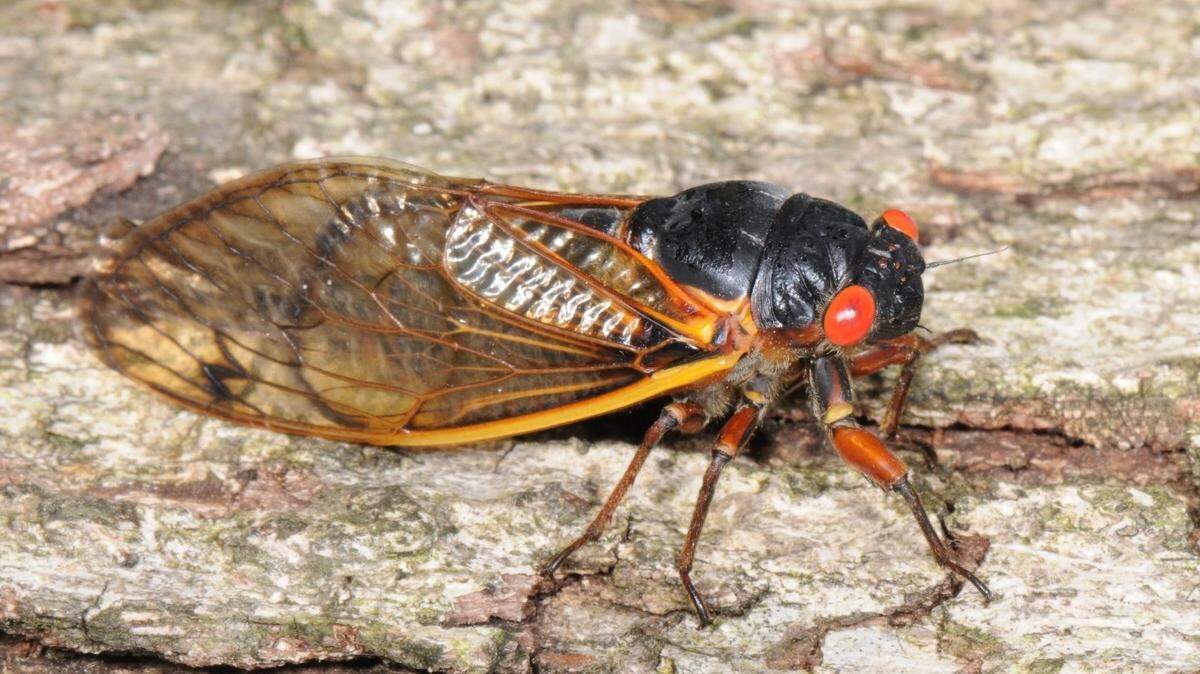
They’re coming. The Great Southern Brood of cicadas will emerge from the ground after 13 years this spring, latching onto your trees and howling like lawnmowers in search of a mate or two.
They will join the brood that comes around each year, creating quite an uproar.
They crawl up trees and molt, leaving their outer skins hanging. Once the adults are done mating, the females lay their eggs in tree limbs, which split, turn brown and die. Cicadas also lay eggs in bushes, which can cause them to die as well.
GardeningKnowHow.com says cicadas pick limbs for eggs that are about as big around as a pencil.
“This means that older trees won’t sustain serious damage because their primary branches are much larger,” the website says.
The bugs particularly like cherry, apple, peach, and pear trees as well as ash, chestnut, oak, dogwood and maple, Terminix says on its website..
If you can’t put up with their racket and possible damage to trees for the five to six weeks cicadas will be around, here are some tips from pest control companies.
The most extreme method is just kill them.
GardenTech offers various types of sevin — concentrate, ready to use and dust — that will kill them on contact and protect the plant from any latecomers.
For those not wanting to go cicada hunting, Terminix says, “One of the best ways to protect trees and shrubs in your yard is by physically keeping cicadas off of them.”
They suggest using foil barrier tape to wrap trunks so cicadas can’t crawl up. Use netting to keep the bugs from the tops of trees. Spray water with a hose to knock them off limbs. Or, gross, pluck them off by hand.
Bury the carcasses to add nutrients to soil.
Gardening Know How says plan ahead. Don’t plant trees within four years of cicadas emerging.
If netting small trees, use mesh no longer than one-quarter inch and fasten it to the tree trunk just below the canopy.
Clip off and destroy damaged limbs that have turned brown and likely include eggs.
“This reduces the population of the next generation,” the website says.
But Clemson entomologist Eric Benson said cicadas are an important piece of the ecosystem and a sign of health. They’re also a source of food for a variety of animals and their carcasses release nutrients into the soil.
They don’t carry disease and are not harmful to humans or pets.
What’s a few weeks of nighttime lawnmower sounds in April and May? Before long, the adults will die and the offspring will drop to the ground, digging toward a root for sap, where they will remain for 13 years.