
Dog-sized lizards wreaking more havoc in SC, experts say in yearly update. Here’s where & how
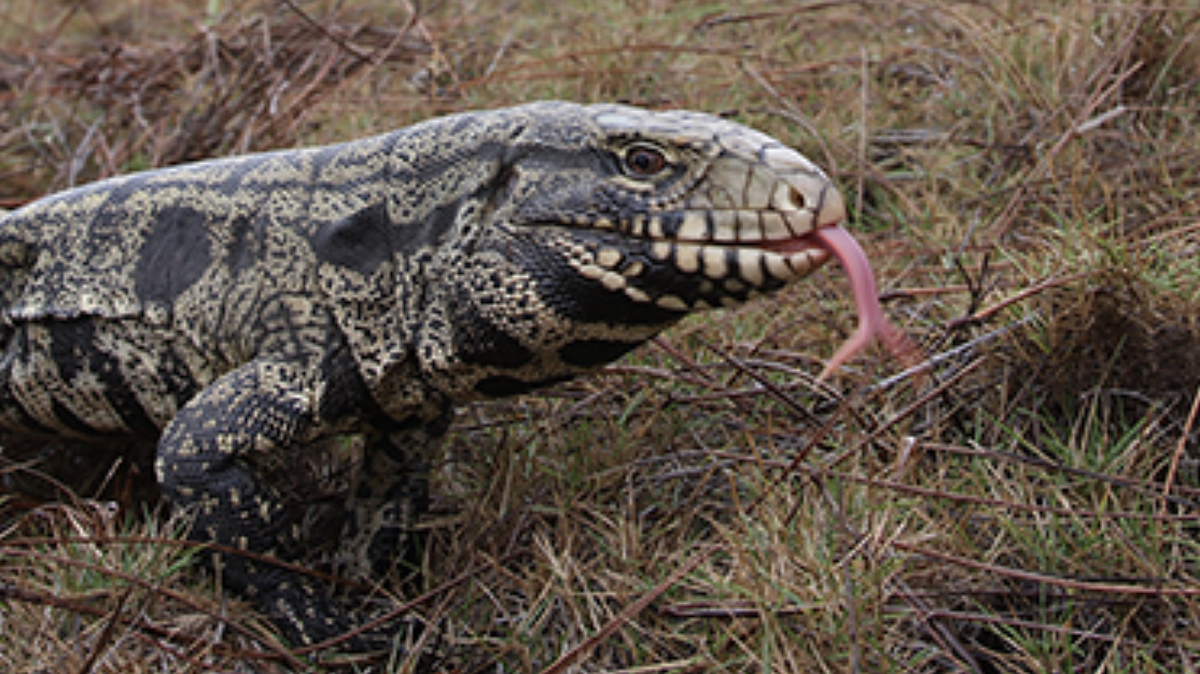
The nuisance Argentine Black and White Tegu remains a problem for native South Carolina wildlife, but there is good news.
Unlike in Georgia and Florida, there’s no evidence they are breeding, State Herpetologist Andrew Grosse said Friday.
Once a darling of the pet trade, tegus have been spotted across South Carolina, from tiny Cleveland in the mountains to Charleston and Horry County. A sizable number have been seen in the Midlands.
Grosse said the first tegu confirmed in the state was in 2020 and since then the Department of Natural Resources has confirmed 32 tegus — three red tegus and 29 Argentine black and white tegus — in 17 counties from the coast to the Upstate.
SCDNR has received 114 reports of tegus over that same time in 27 counties, he said. The agency can confirm records if there is a photo that clearly identifies the animal or it is captured.
The problem is, as with all non-native species, they disrupt the natural order of things. They eat eggs of ground-nesting birds such as quail and turkeys; alligators and gopher tortoises, chicken eggs, fruit, vegetables, plants, pet food, carrion and small live animals, from grasshoppers to young gopher tortoises, an endangered species in South Carolina.
No one knows for sure but the conjecture is they got into the wild because people got them as pets and when they got too big — they can grow to 4-feet-long— they let them go.
They are banned now in South Carolina, although people who got them as pets before the law passed can keep them if tagged and registered with the state.
South Carolina DNR says if you see one, call or email them and send them a photo.
You could also shoot them, as long as it’s legal to discharge a weapon at that location.
The animals are necropsied to study body condition, diet, reproductive status, and sex.
About this time of year, tegus are likely to be ready to brumate, where the body slows down and may not move for weeks. Tegus are better able to withstand cold than most lizards. They have the ability to raise their body temperature 50 degrees above the current temperature.
This story was originally published November 2, 2024 at 6:00 AM.