
These gross flying critters will wreak havoc on your SC kitchen. How to keep them out this winter
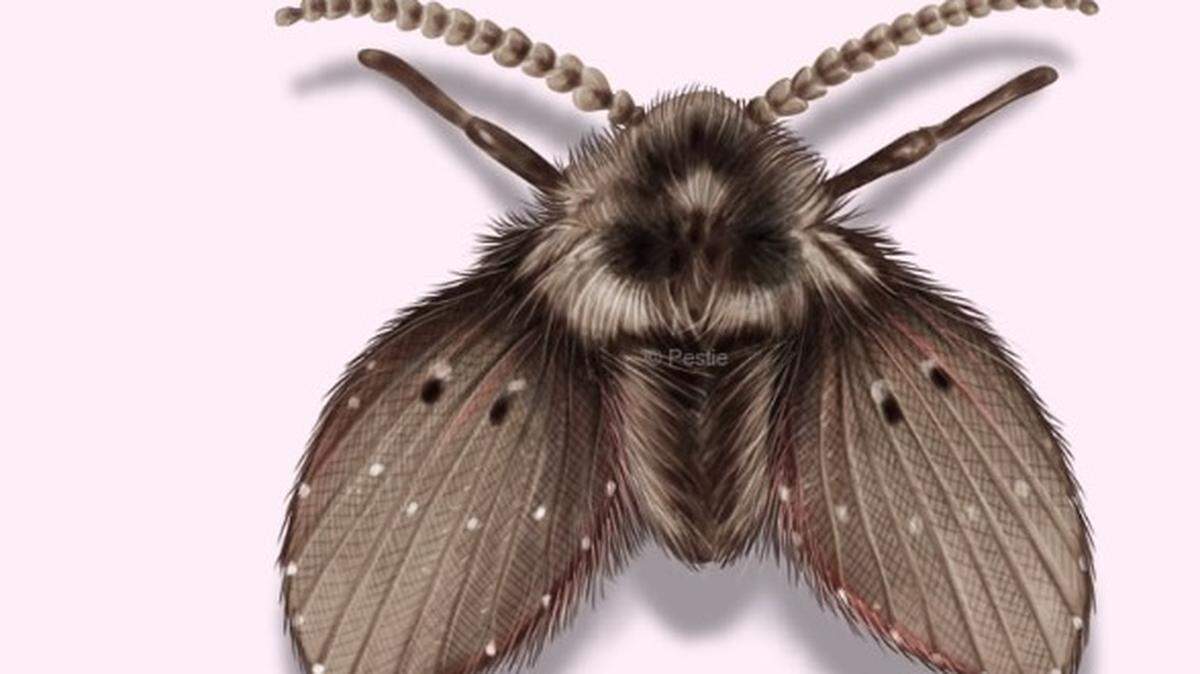
They go by many names — drain flies, filter flies — but the one that most accurately describes their disgusting habits is sewer moth, insects the size of a crayon head that not only live in clogs and stuff in your sink, but also breed there.
And winter is no enemy of theirs. While they might have been in sewer lines and septic tanks, under your potted plants or in clogged gutters, now what they really want is to come inside and feed off the gunk in your sinks.
Eric P. Benson and Patricia A. Zungoli, both professor emeriti at Clemson University, wrote a paper on sewer moths for the Clemson extension service website.
They didn’t pull any punches.
“Adult female moth flies most often lay their eggs in masses on the surface of gelatinous film found in drains and sewers,” they wrote, and then went on to describe what larvae feed on: decaying material that collects in drains. They live there until they are adults. If you let them.
They have many colors, yellow to brown to black and the adults have hairy backs. Often during the day they’re seen resting on walls near drains, but, the evenings, that’s their time to flitter around and find gross stuff.
Life span? Two weeks. But there are plenty of little ones left behind.
“Most moth flies are harmless to humans, though they may transmit bacteria and other microorganisms from their breeding sites to areas where people are,” Benson and Zungoli said. “Moth flies do not bite.”
They also are not strong fliers, but can be carried by wind up to 300 feet, the Clemson professors said.
How to control them
Aerosol or spray insecticide will kill the adults, but the source of their food must be destroyed to have long term control.
That means look in drains and clean them with over-the-counter cleaners and very hot water.
“If this is not successful, mechanical cleaning with a stiff brush may be required to remove any film (breeding sites) lining the drain,” Benson and Zungoli said.
Cayce Exterminators said these flies are pretty resilient.
“Their short hairs make them water-resistant so they are almost impossible to drown and boiling water has no effect on them either,” they said.
Bleach, dehydration? Not so much.
Next step if those furry critters keep coming back? Pest control company or plumber.
“You may have broken pipes or moisture problems around your house that you cannot easily find or repair,” the Clemson professors said.
Pro tip, they said, get quotes from two or three firms.