A copperhead bit you in SC and there’s no cell phone service. Here’s what to do to survive
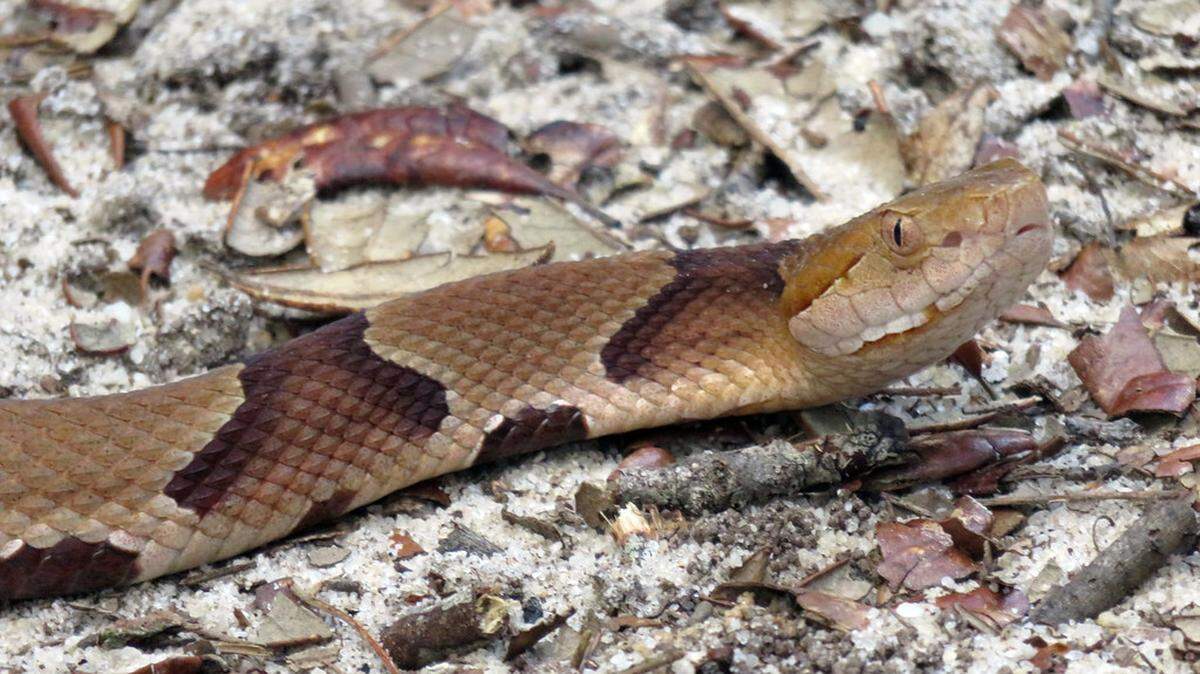
Being bitten by a venomous copperhead in South Carolina would be terrifying enough — but what if you were also alone without cell service?
That’s the stuff of nightmares.
But it doesn’t have to be if you keep your wits about you and follow certain guidelines.
While it will be crucial to seek professional medical care as soon as possible if bitten by a copperhead, doing so might prove more difficult if you’re out enjoying the outdoors of South Carolina where cell phone service can be sparse to nonexistent.
Below are steps to take to increase your chances of survival and minimize discomfort after a venomous snake bite, some experts say.
Copperheads & other venomous SC snakes
Before taking steps after a copperhead bite, it would probably be helpful to know if you were bitten by one in the first place.
The copperhead is the most common venomous snake in South Carolina. The other five types of venomous snakes in the state include the cottonmouth, the eastern diamondback rattlesnake, the pigmy rattlesnake, the coral snake and the timber rattlesnake, according to the South Carolina Department of Natural Resources.
The copperhead gets its name from the coppery-tan color on its head and on parts of its body, Clemson Cooperative Extension states. Copperheads have triangular-shaped heads, similar to an arrowhead and can grow up to 4 feet long.
Copperheads also feature an hourglass-shaped pattern on their bodies — from the head down to the tail. When curled up, this camouflage can make them look like a pile of leaves. And like most other venomous snakes in South Carolina, copperheads have yellow eyes with black vertical and elliptical pupils.
Stay calm after venomous snake bite
Remaining calm and composed can be vital after a snakebite. Panicking can elevate your heart rate and accelerate the spread of venom throughout your body. However, it may be easier to keep calm with knowledge that deaths from snakebites in the U.S. are uncommon.
According to a study published July 2021 in the American Journal of Emergency Medicine, “death following envenomation from a native U.S. snake is unlikely, particularly if medical attention is sought promptly.” The study, which noted that 5,000 to 10,000 snake envenomations happen annually in the U.S., reviewed all snakebite cases from 1989 to 2018 from the American Association of Poison Control Centers National Poison Data System.
Of all those snakebites, the study identified 101 fatal bites from native snakes. Rattlesnakes accounted for 74 of the deaths. Copperheads attributed five fatalities, the study shows.
Remove constrictive items
If you are bitten, you should remove and jewelry or restrictive clothing from around the snake bite. Swelling from the bite will likely occur and any restrictive items could impede circulation and worsen the situation.
Take a photo
Try to take a photo of the snake from a safe distance if possible. This will help physicians determine if the snake is truly a copperhead or some other snake.
Keep the snake bite high
Do your best to keep the snake bite high or at a neutral level to help reduce swelling. Also, limit the movement of the affected limb and avoid any unnecessary physical activity.
Clean the wound
Clean the bite wound with water or with soap if possible. While it won’t neutralize the venom, cleaning could help minimize the risk of infection.
Check your iPhone
Do you have an iPhone 14 or later? If so, then you can use Apple’s emergency SOS via satellite feature. The service, which is currently free, is for use in areas where there is no cellular or wi-fi coverage.
How it works
If you call or text emergency services and can’t connect because there’s no cell service, your iPhone will try to connect via satellite. The iPhone will show a prompt, requesting that you point it toward the sky to connect. You must have a clear view of the sky for this to work. If it connects, you’ll then be able to contact emergency services for help.
Get to a hospital
You must go to a hospital for care. Facilities will have anti-venom to treat you, regardless of which kind of venomous South Carolina snake has bitten you.
What not to do
There are several things that snake bite victims should not attempt.
- Do not cut the wound or try to suck out the venom like actors do in the movies. Snakes inject venom with very long, sharp teeth, meaning you will be unable to pull the liquid back out. Also, the venom quickly spreads and so you won’t be able to bleed it out either.
- Do not apply a tourniquet. They can restrict blood flow and lead to severe tissue damage.
- Do not use ice on the bite. You do not want to use ice to reduce the swelling, as that is a symptom doctors use to determine if a patient is suffering from a snake bite.
- Avoid taking painkillers, including aspirin and ibuprofen. Doing so can increase the risk of bleeding.