
What hurricane categories mean in SC and some of the major storms to hit the state
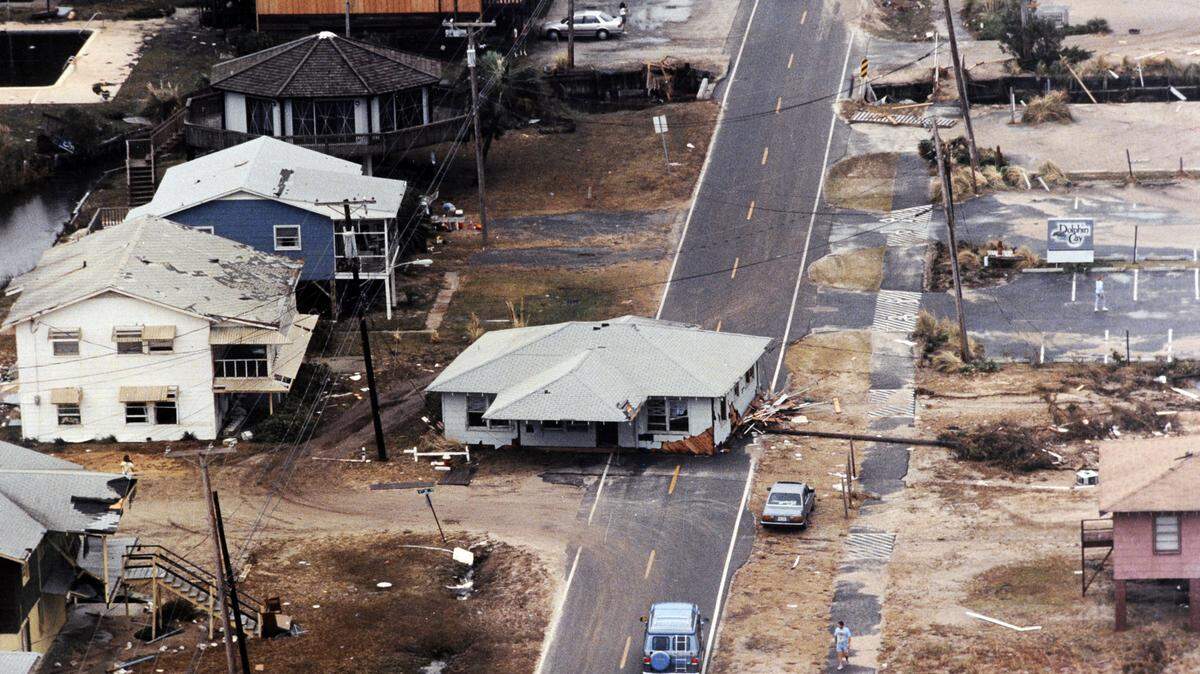
The National Oceanic and Atmospheric Administration has predicted an above-normal hurricane season for the Atlantic, with between 13 and 19 named storms and six to 10 of them becoming hurricanes.
NOAA believes three to five hurricanes will be major and could reach category 5. A category 5 hurricane has never made landfall in South Carolina, according to a South Carolina Department of Natural Resources report.
Hurricane season began June 1 and ends Nov. 30.
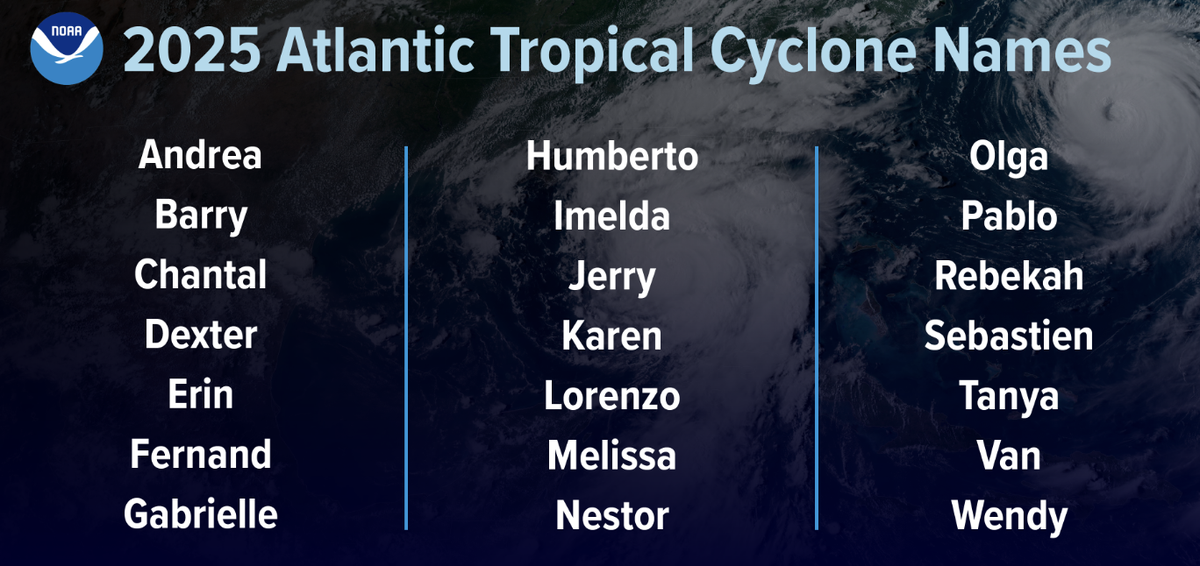
The first hurricane of the season will be named Andrea, followed by Barry and Chantal.
Hurricane categories
Hurricane categories are based on wind speed from the Saffir-Simpson Hurricane Wind Scale.
- Category 1 — winds 74-95 mph, some damage and power outages.
- Category 2 — winds 96-110 mph, extensive damage to roofs and siding, power outages.
- Category 3 — winds 111-129 mph with devastating damage to homes. Power and water out for days to possibly weeks.
- Category 4 — winds 130-156 mph with catastrophic damage, outages weeks to months.
- Category 5 — winds 157 mph or higher with catastrophic damage to large areas, some uninhabitable for weeks to months.
SC hurricane season facts
SC DNR says between 1851 and 2023, 44 tropical cyclones have made landfall on the South Carolina coast.
Four were considered major — category 3 or 4 — the 1893 Great Charleston Hurricane, Hurricane Hazel of 1954, Hurricane Gracie of 1959, and Hurricane Hugo of 1989.
No major hurricane has made landfall before mid-August or after mid-October in South Carolina.
“Residents of coastal communities must understand the impacts of a tropical cyclone’s storm surge,” DNR says. “The highest recorded storm tide on record along the South Carolina coast occurred during Hurricane Hugo. From Sewee Bay to McClellanville, the storm surge was about 20 feet, sweeping away anything in its push inland.”
Hurricane Hugo also brought hurricane force winds over much of the state. Shaw Air Force Base recorded a wind gust of 109 mph, DNR said.
Storm surge is the leading cause of death in a hurricane, DNR said.
South Carolina hurricanes
Here are some major hurricanes to hit South Carolina:
Aug. 28, 1893: The Sea Islands Hurricane
The Category 3 hurricane made landfall at Ossabaw Island, Georgia, at high tide before moving into South Carolina, killing at least 2,000 people $334.1 million (inflation-adjusted to 2023) of damage.
The storm surge submerged many of the Sea Islands with winds estimated at 125 mph in the Beaufort area.
Then on Oct. 18, 1893, the Charleston Hurricane made landfall as a Category 3 storm near McClellanville. It brought record amounts of rain — one Florence weather station recorded 13.25 inches of rain in only 24 hours and destroyed over 700,000 acres of crops. Damage was estimated at $282 million (inflation adjusted to 2023).
Aug. 11, 1940: The 1940 S. C. Hurricane
Category 2 hurricane winds of 105 mph hit Hilton Head, then moved into central Georgia and east Tennessee.
“The storm surge caused damage along the coast from Folly Beach to Beaufort, including the U.S. Marine Corps base on Parris Island and Port Royal,” SC DNR said.
Oct. 15, 1954: Hurricane Hazel
One person was killed and damage was estimated at $308.2 million (inflation-adjusted to 2023).
Sept. 29, 1959: Hurricane Gracie
At landfall on St. Helena Island near Beaufort, Hurricane Gracie was a Category 4 hurricane with winds of 130 mph. Ten people died.
It tracked to the north-northwest through the Midlands, maintaining hurricane strength before weakening to a tropical storm over Chester County.
Crops were destroyed, including a significant loss of cotton.
September 21-22, 1989: Hurricane Hugo
Hurricane Hugo made landfall near Sullivan’s Island as a Category 4 hurricane with estimated maximum sustained winds of 140 mph around midnight on Sept. 22, 1989. It maintained hurricane-force winds as far inland as Sumter, where gusts reached 109 mph.
It produced the highest storm tide height in history along the US East Coast, around 20 feet in Bulls Bay, SC, near Cape Romain.
“Hugo is still the costliest storm in South Carolina history,” SC DNR said. “At the time, it was the nation’s costliest hurricane, as it caused about $17.2 billion (inflation-adjusted to 2023) in damage.”
This story was originally published June 18, 2025 at 6:00 AM.